Complete Guide to Flour Mill Machines for Better Flour Production
Flour is a daily essential for preparing bread, chapatis, biscuits, noodles, cakes, and a variety of other foods. The flour milling…
Complete Guide to Flour Mill Machines for Better Flour Production
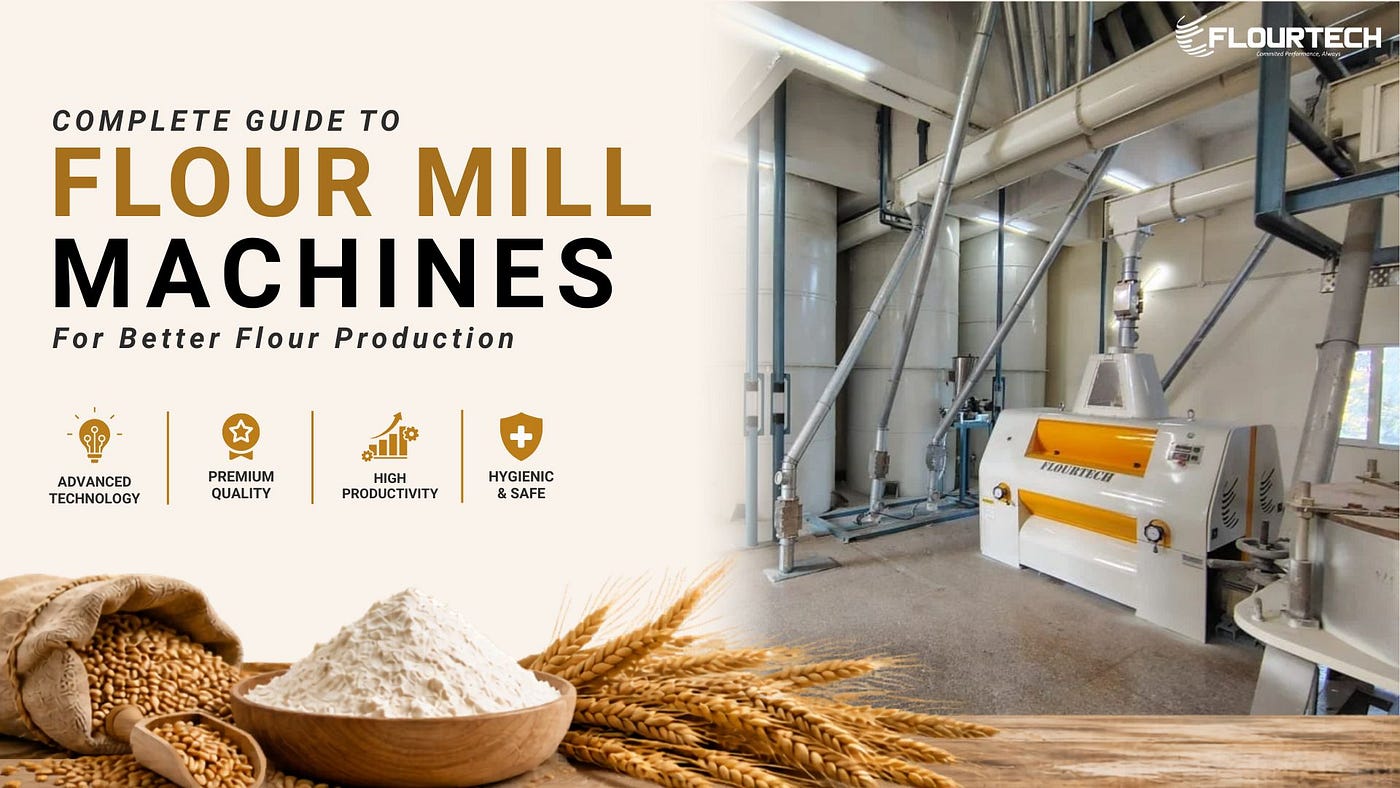
Flour is a daily essential for preparing bread, chapatis, biscuits, noodles, cakes, and a variety of other foods. The flour milling industry is a demanding industry that must have reliable milling equipment to produce clean, fine, and high-quality flour. This is where the flour mill machine plays an important role. Modern **flour mill machines** are efficient grinding machines for wheat, maize, rice, millet, and other grains, while enhancing flour texture, purity, and consistency. It also helps flour mill businesses to increase the speed of production, reduce the wastage of flour, and maintain high-quality products. In this article, we will explain the uses, benefits, working process, productivity advantages, and quality improvements of flour mill machines in an easy way.
What Is a Flour Mill Machine?
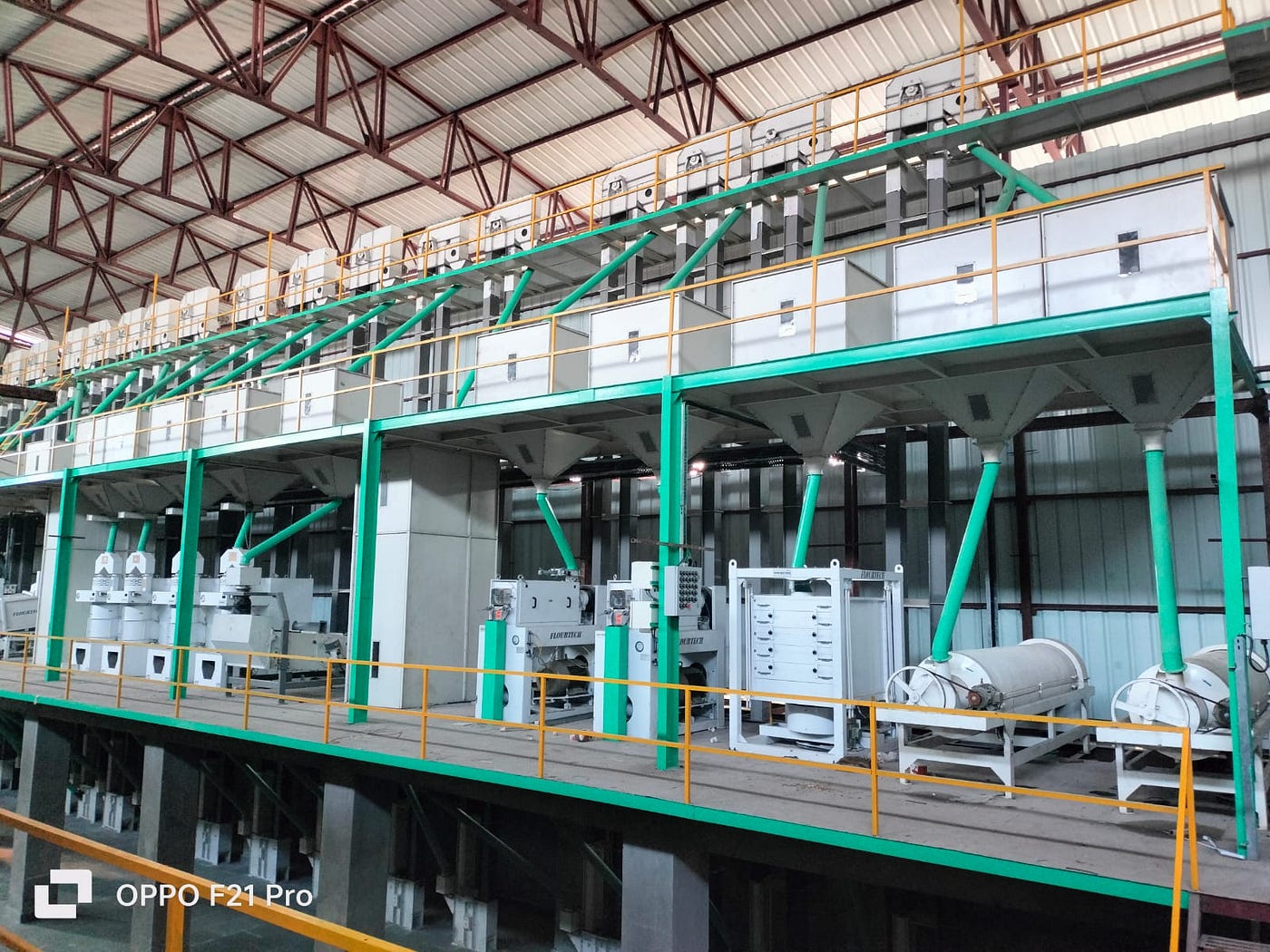
A flour mill machine is a machine that is used in mills for grinding grains into flour. It is commonly used in flour mills, food processing plants, commercial kitchens, and grain processing industries. The machine grinds grains into fine powder and separates unwanted particles like dust, husk, stones, and impurities. Modern flour mill machines are designed to produce flour in a hygienic, quick, and controlled way. They can be available in different sizes and capacities depending on business needs. There are small machines that are suitable for local flour production, and large automatic flour mill plants are used for commercial and industrial flour production. A flour mill normally includes cleaning, grinding, sieving, and packing systems. These systems combine to produce high-quality flour, reduced waste and increased efficiency.
How Does a Flour Mill Machine Work?
The working process of a flour mill machine is simple but very effective. It follows a step-by-step method to convert raw grains into fine flour.
1. Grain Cleaning
The first step is cleaning. Raw grains may contain dust, stones, husk, metal pieces, and other impurities. Cleaning equipment removes these unwanted materials before grinding. This step is important for food safety and machine protection.
2. Conditioning
In some flour milling processes, grains are conditioned by adding controlled moisture. This helps soften the grain and makes grinding easier. Conditioning also improves flour quality and extraction.
3. Grinding or Milling
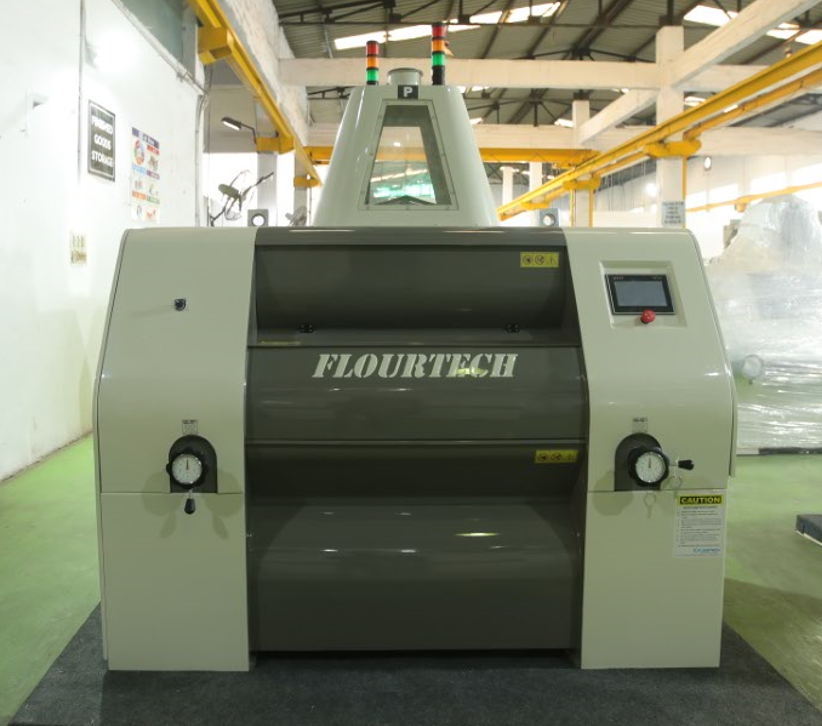
After cleaning and conditioning, grains pass through the grinding section. Rollers or grinding plates crush the grains into smaller particles. In modern flour mill machines, grinding is done in stages to get better flour output.
4. Sieving and Separation
After grinding, the material passes through sieves. The sieving system separates fine flour from bran and larger particles. Larger particles may go back for further grinding.
5. Flour Collection and Packing
Once the flour reaches the required fineness, it is collected and packed. In automatic systems, packing can also be done with advanced machinery for faster handling. This complete process helps produce clean, fine, and consistent flour for commercial use.
Main Uses of Flour Mill Machines
A flour mill machine is used in many industries and businesses. Some common uses include:
1. Wheat Flour Production
Wheat is one of the most common grains processed in flour mill machines. It is used to make atta, maida, suji, bakery flour, and other wheat-based products.
2. Rice Flour Production
Rice flour is used in many food products, especially in gluten-free food items, sweets, snacks, and bakery products.
3. Maize Flour Production
Maize flour is used in snacks, bakery products, animal feed, and food processing industries. Flour mill machines help grind maize into different grades.
4. Millet and Multigrain Flour
With growing demand for healthy food, millet and multigrain flour production are increasing. A good flour mill machine can process different grains as per requirement.
5. Commercial Flour Mills
Flour mill machines are widely used by commercial flour mills for daily production and supply to retailers, wholesalers, bakeries, and food manufacturers.
Benefits of Using a Flour Mill Machine
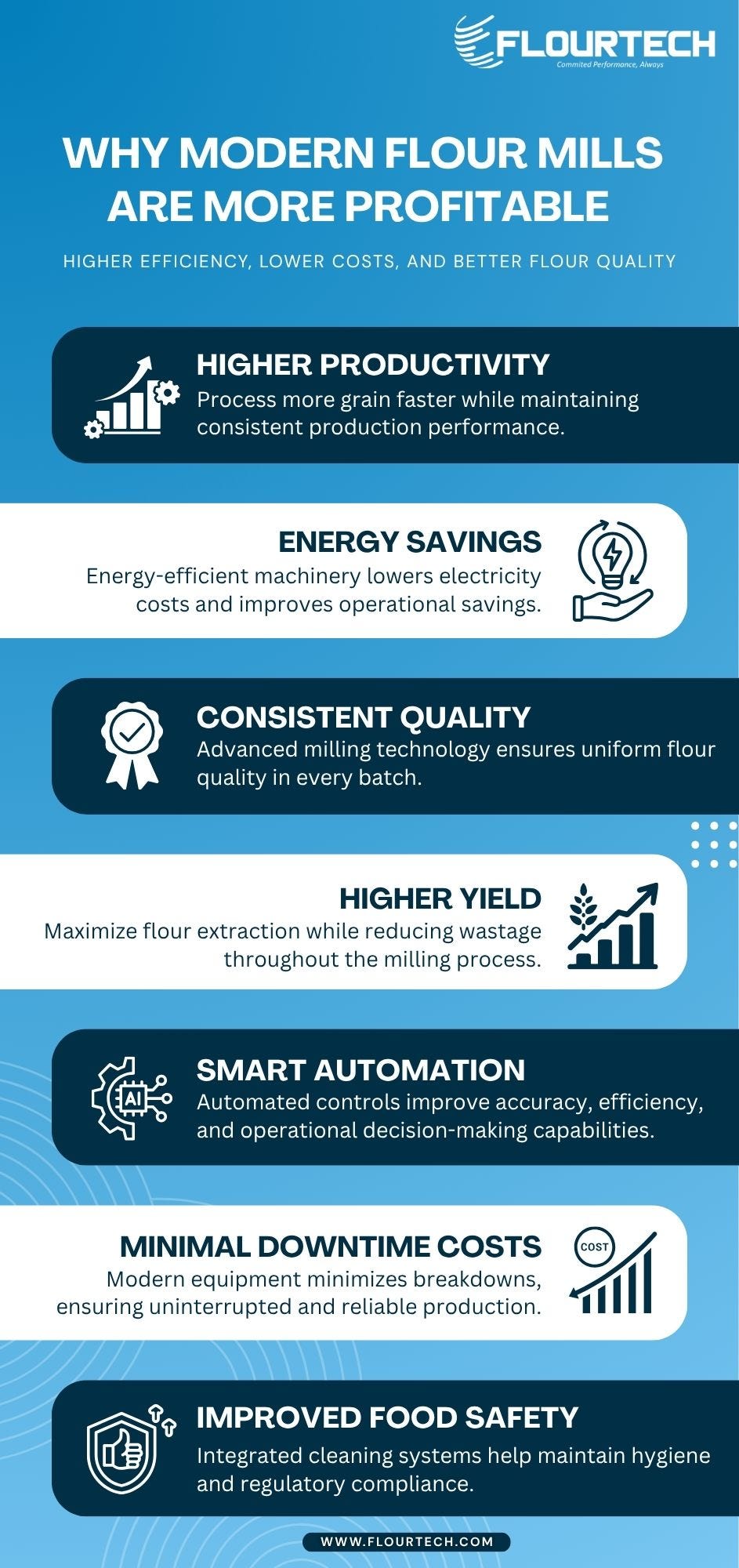
Using the right flour mill machine offers many advantages for businesses. Better Production Speed: Manual grinding takes more time and effort. A flour mill machine can process grains faster and produce more flour in less time.
- Consistent Flour Quality: Modern machines produce flour with a uniform texture and fineness. This helps businesses maintain the same quality in every batch.
- Improved Hygiene: Advanced flour mill machines are designed to reduce human contact during processing. This improves hygiene and food safety.
- Less Wastage: A good milling system reduces grain wastage and improves flour extraction. This helps businesses get better output from the same amount of raw material.
- Cost Saving: Although a flour mill machine is an investment, it helps save labour costs, time, and energy in the long run.
- Suitable for Different Grains: Many machines can process different types of grains, making them useful for businesses that want to offer multiple flour products.
How Flour Mill Machines Improve Productivity
Productivity is very important in flour milling businesses. A modern flour mill machine helps in enhancing productivity in many ways. Firstly, it reduces manual work, There is no need to grind, filter, and separate flour manually. Most of the process is done automatically or semi-automatically by the machine. Second, it also boosts production capacity, Large quantities of grain can be processed in a shorter period of time by modern machines as compared to traditional methods. This helps businesses to complete more orders and serve more customers. Third, automatic flour mill machines minimise downtime, When machines are designed properly and maintained properly, they run smoothly for longer hours. This gives better daily production. Fourth, the complete milling process becomes more organised. Cleaning, grinding, sieving, and collection work in a proper flow. This will save time and reduce mistakes. For commercial flour mills, better productivity means higher profit, faster supply, and stronger customer satisfaction.
How Flour Mill Machines Improve Flour Quality
Flour quality depends on many factors, like grain cleaning, grinding process, temperature control, sieving and hygiene, that are responsible for the quality of flour. A good quality flour mill machine enhances the quality of flour at every stage.
The cleaning system removes impurities before milling. This helps produce pure and safe flour. Proper grinding gives fine and even flour particles. This is important for bakery products, chapati flour, and other food applications. Sieving helps in separating bran and coarse particles from fine flour. This improves texture and appearance. In advanced machines, the process can be controlled according to the required flour grade. A modern flour mill machine also helps to maintain consistency. Customers expect the same flour quality every time. With the right machine, businesses can produce consistent quality in every batch. Better flour quality also increases brand value. When customers trust the quality, they are more likely to purchase again.
Key Features to Look for in a Flour Mill Machine
Before buying a flour mill machine, businesses should check some important features.
- Capacity: Choose a machine according to your daily production requirement. Small businesses may need a lower-capacity machine, while commercial mills need higher-capacity systems.
- Build Quality: Strong and durable machines last longer and require less maintenance.
- Energy Efficiency: An energy-efficient flour mill machine helps reduce electricity costs.
- Easy Operation: The machine should be easy to operate and maintain. Simple controls save time and reduce training needs.
- Good Cleaning System: Proper grain cleaning is important for better flour quality and machine safety.
- Low Maintenance: A machine with simple maintenance needs helps reduce downtime and repair costs.
- Customisation: Different businesses have different needs. A machine that can be customised for different grains and flour grades is always beneficial.
Why Choose the Right Flour Mill Machine?
Choosing the right flour mill machine is important for long-term business success. A bad-quality machine can lead to frequent breakdowns, less flour output, high wastage, and increased maintenance expense. On the other hand, a reliable machine will perform better, operate smoothly, and produce high-quality flour. The right machine helps improve production, reduce labour effort, improve hygiene, and increase profits. It also supports business growth by helping you meet market demand with consistent quality. For flour mill businesses, food processing companies, and grain industries, investing in a good flour mill machine is not just a purchase. It is a smart step toward better production and better customer satisfaction.
Conclusion
A flour mill machine is an essential part of modern flour production. It helps convert raw grains into clean, fine, and high-quality flour through a proper process of cleaning, grinding, sieving, and collection. From improving productivity to maintaining flour quality, the right machine plays an important role in the success of any flour milling business. Whether you are starting a new flour mill or upgrading your existing plant, choosing a reliable and efficient flour mill machine can help you save time, reduce wastage, improve hygiene, and increase production capacity. For better flour production, long-term performance, and consistent output, always select a flour mill machine that matches your business needs and quality standards.
Upgrade your flour production with high-performance flour mill machines designed for better efficiency, cleaner processing, and consistent flour quality. Connect with a Flourtech to find the right milling solution for your business growth. For more details, Visit our website: **www.flourtech.com Contact number: [+91 8826731010](https://api.whatsapp.com/send?phone=+918826731010&text=Hi)**
You want to see more sources:
메타데이터
- post_id
- 63a74908f4e1
- slug
- complete-guide-to-flour-mill-machines-for-better-flour-production-63a74908f4e1
- url
- https://medium.com/@flourtech02/complete-guide-to-flour-mill-machines-for-better-flour-production-63a74908f4e1
- canonical_url
- https://medium.com/@flourtech02/complete-guide-to-flour-mill-machines-for-better-flour-production-63a74908f4e1
- author_url
- https://medium.com/@flourtech02
- status
- ok
- fetched_at
- 2026-06-23 17:05:31