Solar Home Loan Philippines
Solar Home Loan Philippines
Solar Home Loan Philippines

Solar Home Loan Philippines
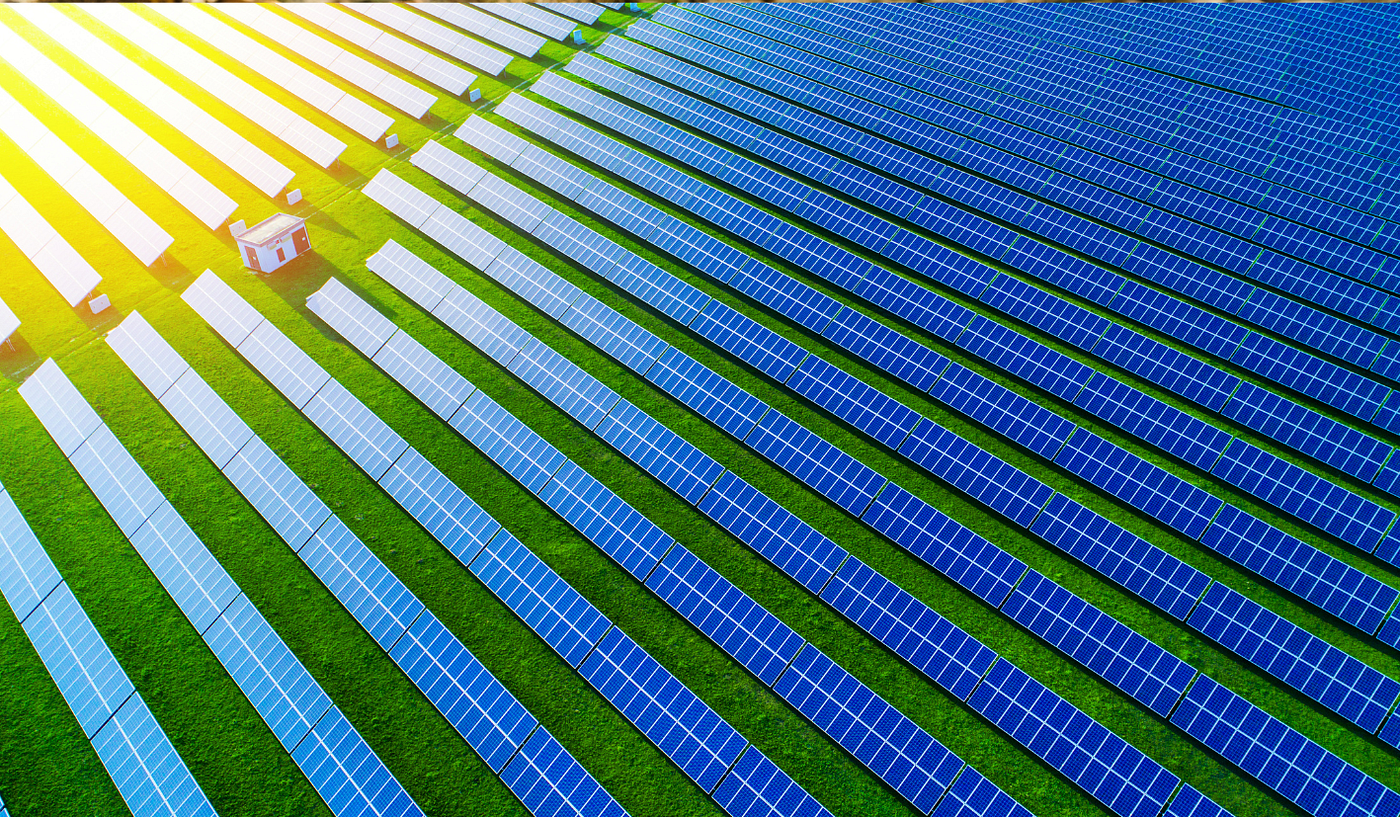
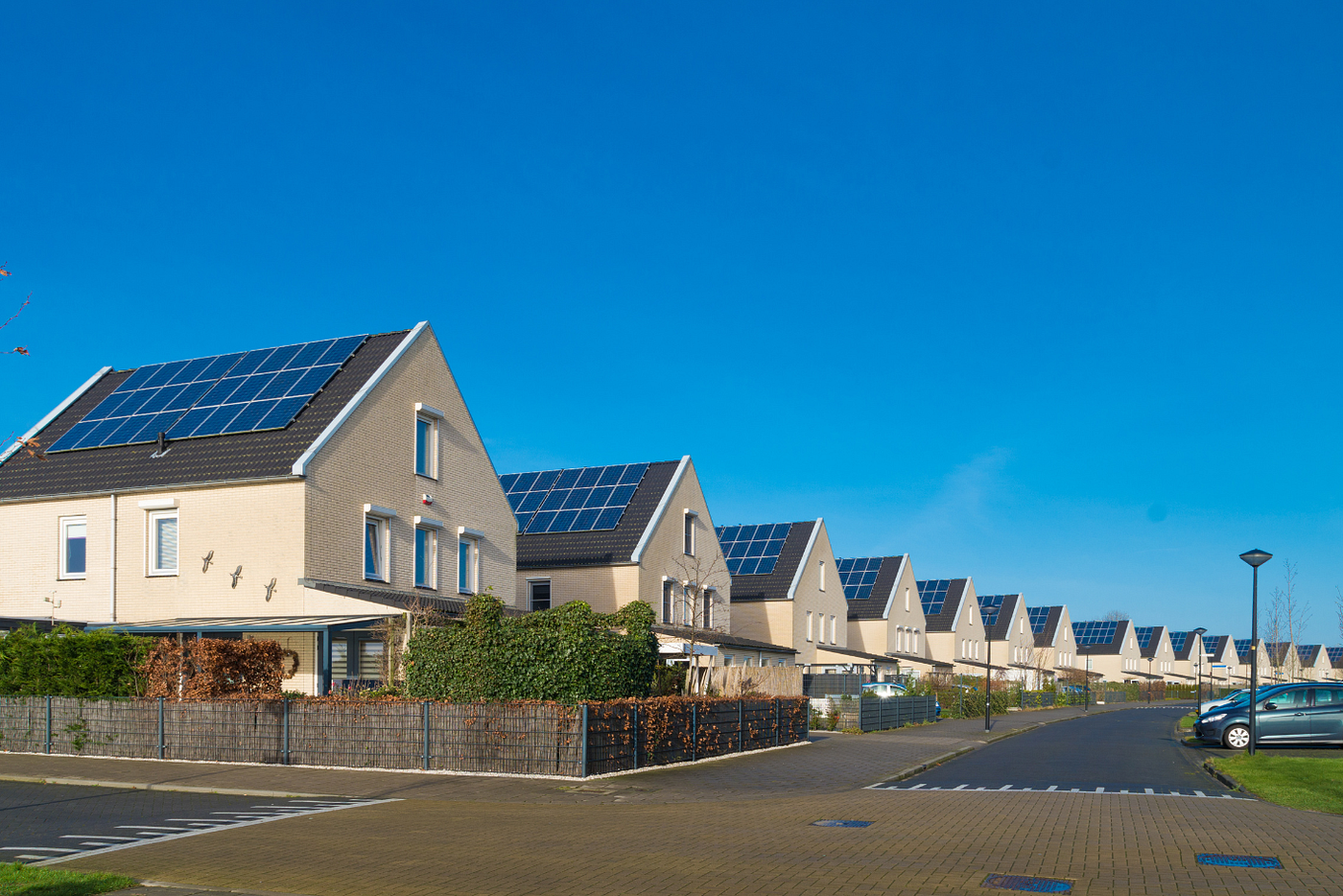
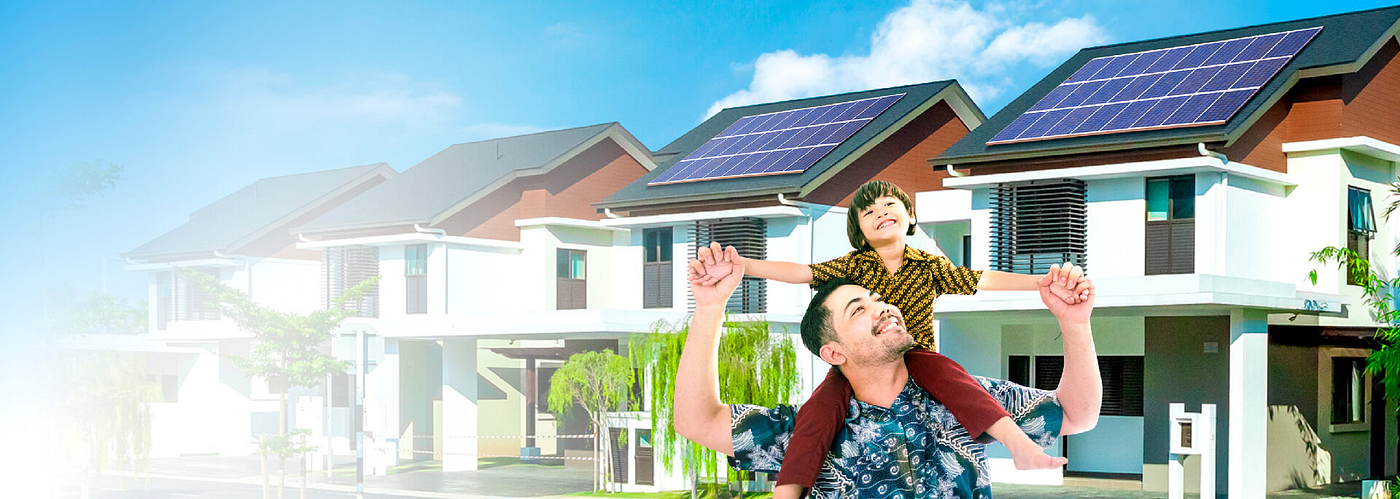
Solar energy is a growing trend in the Philippines, offering homeowners a chance to reduce their electricity bills while contributing to environmental sustainability . However, the initial cost of installing a solar power system can be a significant barrier. To help overcome this hurdle, many financial institutions in the Philippines now offer solar home loans. These loans allow homeowners to spread the cost of solar installation over several years, making it more affordable and accessible.
What Is a Solar Home Loan?
Definition and Purpose
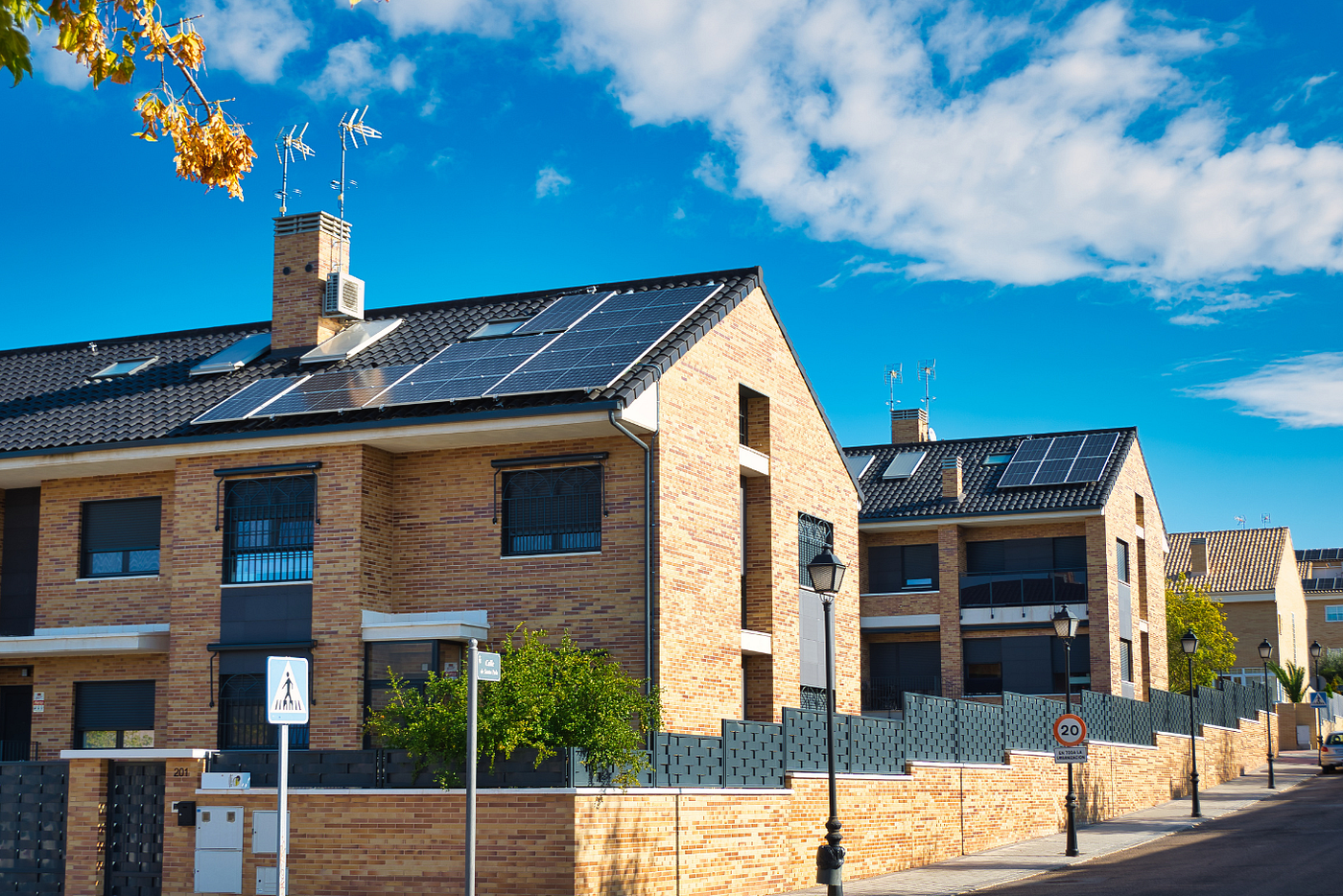
A solar home loan is a type of financing designed specifically to cover the costs associated with installing solar panels on residential properties. Unlike traditional home improvement loans, solar home loans are tailored to meet the unique needs of solar energy projects, including the purchase of solar panels, inverters, and other related equipment.
- Primary Purpose: To finance the installation of solar energy systems in homes, making renewable energy more accessible.
- Unique Features: Often comes with lower interest rates and longer repayment terms compared to general home improvement loans.
Why Choose a Solar Home Loan?
Opting for a solar home loan offers several advantages over paying upfront for a solar installation. Not only does it make solar energy more financially accessible, but it also allows homeowners to start saving on their electricity bills immediately without waiting to accumulate enough savings to cover the installation cost.
- Immediate Benefits: Start saving on electricity bills right away.
- Financial Flexibility: Spread the cost over several years, reducing the financial strain.
The Growing Popularity of Solar Energy in the Philippines
Environmental Awareness
The growing awareness of environmental issues has led many Filipinos to consider renewable energy sources like solar power. Solar energy is clean, renewable, and significantly reduces greenhouse gas emissions, making it an attractive option for environmentally conscious homeowners.
- Environmental Impact: Reduces carbon footprint and reliance on fossil fuels.
- Sustainability: Solar energy is a renewable resource, unlike coal or natural gas.
Economic Benefits
In addition to the environmental benefits, solar energy offers substantial economic advantages. With electricity prices in the Philippines being relatively high, solar energy can lead to significant savings on monthly electricity bills.
- Cost Savings: Reduce electricity bills by generating your own power.
- Return on Investment: Over time, the savings on electricity bills can offset the initial cost of the solar installation.
Government Incentives
The Philippine government has introduced various incentives to encourage the adoption of solar energy. These include tax breaks, subsidies, and net metering programs that allow homeowners to sell excess electricity back to the grid.
- Incentives: Tax deductions, rebates, and net metering programs.
- Government Support: Policies aimed at promoting renewable energy adoption.
Understanding the Solar Home Loan Process
Step 1: Researching Your Options
Before applying for a solar home loan, it’s essential to research the various financing options available in the Philippines. Different banks and financial institutions offer a range of loan products, each with its own terms, interest rates, and repayment schedules.
- Comparison Shopping: Compare interest rates, loan terms, and fees across multiple lenders.
- Seek Advice: Consult with financial advisors or solar installation companies to find the best loan option.
Step 2: Eligibility Requirements
Each lender has its own set of eligibility criteria for solar home loans. Generally, you will need to have a stable source of income, a good credit score, and proof of property ownership.
- Income Requirements: Lenders typically require proof of steady income, such as payslips or tax returns.
- Credit Score: A higher credit score increases your chances of approval and may result in better loan terms.
- Property Ownership: Proof that you own the property where the solar panels will be installed.
Step 3: Application Process
The application process for a solar home loan usually involves filling out an application form and submitting it along with the necessary documents. These documents may include identification, proof of income, and a detailed quote from the solar installation company.
- Documentation: Prepare documents like valid ID, payslips, and the solar installation quote.
- Approval Timeline: Loan approval can take anywhere from a few days to a few weeks, depending on the lender.
Step 4: Loan Disbursement and Installation
Once your loan is approved, the funds will be disbursed either to you or directly to the solar installation company. After that, the installation process can begin, which usually takes a few days.
- Fund Disbursement: The loan amount is transferred to your account or paid directly to the installer.
- Installation: Certified professionals will install the solar panels, ensuring they are properly set up for optimal performance.
Top Solar Home Loan Providers in the Philippines
BPI Family Savings Bank
BPI Family Savings Bank offers competitive solar home loans with flexible repayment terms. They are one of the leading providers in the country, known for their customer service and comprehensive loan packages.
- Loan Features: Low interest rates, long repayment terms, and straightforward application process.
- Eligibility: Suitable for homeowners with stable income and good credit history.
RCBC Savings Bank
RCBC Savings Bank provides solar home loans with quick approval processes and minimal documentation requirements. Their loans are designed to help homeowners quickly and easily finance their solar energy systems.
- Loan Features: Fast approval, competitive interest rates, and easy application.
- Eligibility: Best for those with steady income and a good credit score.
UnionBank
UnionBank’s solar home loans are known for their tailored financing solutions. They offer flexible terms and personalized loan plans, making it easier for homeowners to adopt solar energy.
- Loan Features: Customized loan solutions, flexible repayment options, and low interest rates.
- Eligibility: Applicants must meet income and credit score criteria.
Metrobank
Metrobank offers solar home loans with competitive rates and a simple application process. They are committed to helping homeowners invest in solar energy through affordable financing options.
- Loan Features: Competitive rates, flexible loan terms, and easy application.
- Eligibility: Suitable for homeowners with good credit history and stable income.
LandBank of the Philippines
LandBank supports renewable energy projects through its Green Financing Program. This program offers loans specifically designed for solar energy installations, promoting sustainable energy practices in the Philippines.
- Loan Features: Focus on sustainability, low interest rates, and government-backed incentives.
- Eligibility: Ideal for homeowners committed to renewable energy and sustainability.
Important Considerations When Choosing a Solar Home Loan
Interest Rates
Interest rates are a critical factor in determining the overall cost of your loan. Lower interest rates reduce your monthly payments and the total amount paid over the life of the loan.
- Fixed vs. Variable Rates: Fixed rates remain constant throughout the loan term, while variable rates can fluctuate.
- Comparison: Compare interest rates from different lenders to find the best deal.
Repayment Terms
The repayment term affects both your monthly payments and the total cost of the loan. Longer terms mean lower monthly payments but higher total interest costs, while shorter terms reduce the total interest but increase monthly payments.
- Short-Term Loans: Higher monthly payments but less interest paid over time.
- Long-Term Loans: Lower monthly payments but more interest paid over time.
Upfront Costs and Fees
Some loans come with upfront costs such as processing fees, application fees, or down payments. These costs can add to the overall expense of your solar installation, so it’s important to factor them into your decision.
- Processing Fees: Some lenders charge fees to process the loan, which can increase the overall cost.
- Down Payments: A larger down payment reduces the amount you need to borrow, potentially lowering your monthly payments.
Flexibility in Repayment
Look for loans that offer flexibility in repayment, such as the ability to make extra payments without penalties. This can help you pay off your loan faster and reduce the total interest paid.
- Prepayment Options: Some loans allow you to pay off the loan early without penalties, which can save you money.
- Payment Flexibility: Flexible payment options can help you manage your finances more effectively.
Benefits of Solar Home Loans
Immediate Cost Savings
By financing your solar installation through a loan, you can start saving on your electricity bills immediately without waiting to save enough money to pay for the installation upfront.
- Lower Electricity Bills: Solar energy can significantly reduce your monthly electricity costs.
- Quick Installation: Loans allow you to install solar panels right away, accelerating your savings.
Increased Property Value
Installing solar panels can increase the value of your home. Many buyers are willing to pay a premium for homes with existing solar energy systems, making your investment in solar energy more valuable.
- Property Appreciation: Solar panels are considered an asset, increasing the resale value of your home.
- Market Appeal: Homes with solar energy systems are more attractive to environmentally conscious buyers.
Environmental Impact
Switching to solar energy reduces your carbon footprint and helps decrease reliance on fossil fuels. By financing your solar installation through a loan, you contribute to a cleaner environment without a significant upfront cost.
- Carbon Reduction: Solar energy reduces greenhouse gas emissions, contributing to a cleaner environment.
- Sustainable Energy: Solar is a renewable resource, making it a sustainable choice for energy production.
Challenges of Solar Home Loans
Interest Costs
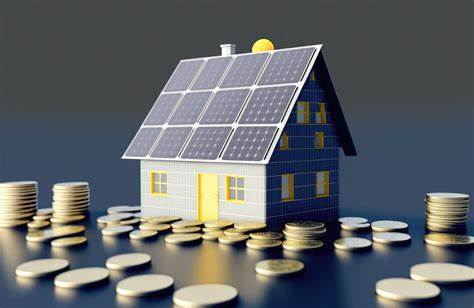
While solar home loans make solar installations more affordable by spreading the cost over time, they do come with interest costs. Over the life of the loan, these interest payments can add up, making the total cost of the system higher than if you paid upfront.
- Total Cost: Interest payments increase the overall cost of your solar installation.
- Long-Term Commitment: Taking on a loan means committing to monthly payments for several years.
Credit Requirements
Solar home loans typically require a good credit score for approval. If you have a low credit score, you may face higher interest rates or difficulty securing a loan.
- Credit Score: A good credit score is often necessary to qualify for a solar home loan.
- Higher Rates: Lower credit scores can result in higher interest rates, increasing the overall cost of the loan.
Loan Repayment Obligations
While solar home loans can reduce your monthly electricity bills, you will still need to make regular loan payments. It’s important to budget for these payments and ensure that they fit within your financial plan.
- Monthly Payments: Loan payments are an additional monthly expense that must be managed alongside other bills.
- Budgeting: Careful budgeting is essential to ensure that you can afford the loan payments over time.
How to Apply for a Solar Home Loan
Step 1: Research and Compare Lenders
Start by researching different lenders that offer solar home loans. Look at interest rates, loan terms, and customer reviews to find the best option for your needs.
- Tools: Use online comparison websites and consult with financial advisors.
- Considerations: Look for lenders that offer competitive rates and flexible repayment terms.
Step 2: Gather Necessary Documents
Before applying, gather all the necessary documents. This typically includes proof of income, identification, and a quote from the solar installation company.
- Checklist: Prepare documents like valid ID, pay stubs, and the solar installation quote.
- Documentation: Having all your paperwork in order can speed up the application process.
Step 3: Submit Your Application
Once you’ve chosen a lender, fill out the application form and submit it along with your documents. Make sure to double-check all information for accuracy to avoid delays.
- Application Process: Follow the lender’s application instructions carefully.
- Accuracy: Ensure all information is correct to prevent any issues during the approval process.
Step 4: Review and Sign the Loan Agreement
After your application is approved, review the loan agreement carefully. Make sure you understand the interest rate, repayment schedule, and any associated fees before signing.
- Loan Terms: Review the terms and conditions carefully to ensure they meet your needs.
- Signing: Only sign the agreement once you are fully satisfied with the terms.
Step 5: Installation and Loan Disbursement
Once the loan is finalized, the funds will be disbursed either to you or directly to the solar installation company. After that, the installation can proceed.
- Fund Disbursement: The loan amount is transferred to your account or paid directly to the installer.
- Installation: Certified professionals will install the solar panels, ensuring they are properly set up for optimal performance.
Managing Your Solar Home Loan
Track Your Loan Payments
It’s crucial to stay on top of your loan payments to avoid late fees and maintain a good credit score. Setting up automatic payments or reminders can help you manage your loan effectively.
- Automatic Payments: Set up automatic payments to ensure you never miss a due date.
- Reminders: Use calendars or apps to remind you of upcoming payments.
Monitor Solar System Performance
Regularly monitor the performance of your solar system to ensure it’s generating the expected amount of energy. This will help you maximize your savings and ensure that your investment is paying off.
- Monitoring Tools: Use apps or monitoring tools provided by your installer to track system performance.
- Performance Checks: Regular checks ensure your system is functioning correctly and efficiently.
Consider Future Upgrades
As technology advances, you may want to upgrade your solar system to improve its efficiency or add new features like battery storage. Keep an eye on new developments in solar technology and consider how they might benefit your home.
- Technology Advancements: Stay informed about new solar technologies that could enhance your system.
- Financing Upgrades: Explore financing options for future upgrades to your solar system.
Success Stories from Filipino Homeowners
Homeowner in Manila
A homeowner in Manila used a solar home loan from BPI to install a 5kW solar system. The loan allowed them to avoid the high upfront cost, and they immediately saw savings on their electricity bill. The system is expected to pay for itself within five years, after which the savings will go directly into their pocket.
- Installation: 5kW solar system.
- Outcome: Significant savings on electricity bills, with a five-year payback period.
Family in Cebu
A family in Cebu financed their solar installation through RCBC Savings Bank. The flexible loan terms made it easy for them to manage monthly payments while enjoying the benefits of solar energy. They also appreciated the quick approval process, which allowed them to start saving on their electricity bills sooner.
- Loan Terms: Flexible repayment schedule.
- Outcome: Easier financial management and quick savings on energy costs.
Couple in Davao City
A couple in Davao City used a solar home loan from UnionBank to install a solar power system on their newly built home. The tailored loan plan fit perfectly with their budget, and they’ve been able to significantly reduce their electricity expenses while also increasing the value of their home.
- Customized Plan: Tailored loan to fit their budget.
- Outcome: Lower electricity bills and increased home value.
Read More About Davao City solar energy systems
Read More About Davao City solar energy systems
메타데이터
- post_id
- 63fcd2e8a78f
- slug
- solar-home-loan-philippines-63fcd2e8a78f
- url
- https://medium.com/@heliosph/solar-home-loan-philippines-63fcd2e8a78f
- canonical_url
- https://medium.com/@heliosph/solar-home-loan-philippines-63fcd2e8a78f
- author_url
- https://medium.com/@heliosph
- status
- ok
- fetched_at
- 2026-06-09 15:37:30