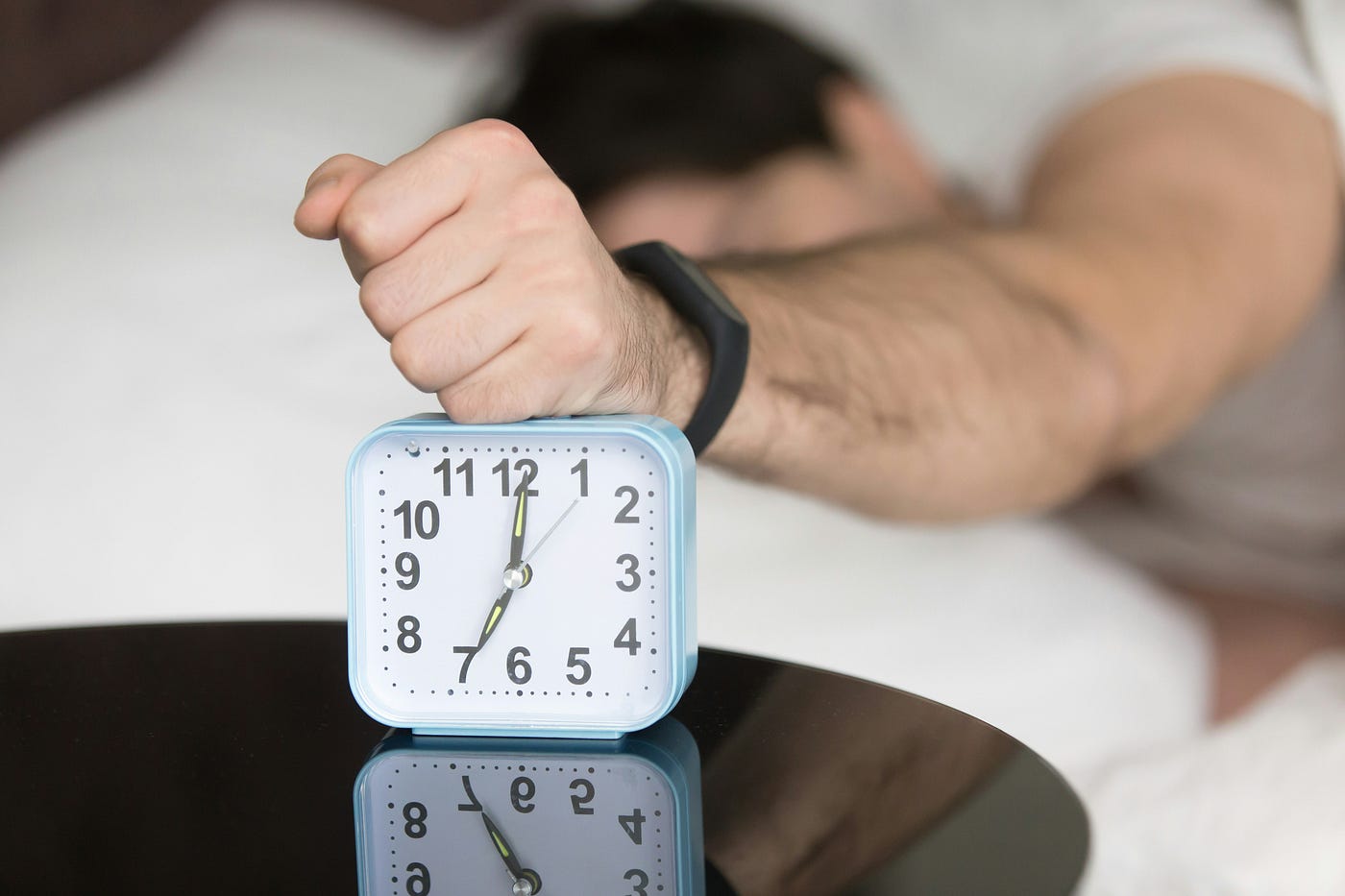
Korean Medicine 101 #41: Sleep Rescue Protocol — What to Do After 3 Bad Nights in a Row
After three bad nights, most people stop making good decisions.
Korean Medicine 101 #41: Sleep Rescue Protocol — What to Do After 3 Bad Nights in a Row

After three bad nights, most people stop making good decisions.
You feel tired but wired, your pain threshold drops, digestion gets strange, mood narrows, and everything starts to feel urgent. At this point, people usually do one of two things:
- do nothing and hope tonight is magically better, or
- panic and overcorrect (nap too long, over-caffeinate, doom-scroll at night, try too many remedies at once)
Both can prolong the insomnia loop.
This episode is a practical rescue protocol: what to do tonight, what to do tomorrow, and how to run a 7-day reset to restore sleep stability.
First: what “3 bad nights” does to your system
After several poor nights, you’re not just sleepy — you’re dysregulated.
Common effects:
- higher physiological arousal at night
- worse stress reactivity during the day
- increased pain/tension sensitivity
- more cravings and appetite instability
- more catastrophic thinking (“What if I never sleep?”)
So the goal is not to “force sleep.”
The goal is to lower arousal and rebuild sleep pressure predictably.
Part 1) Same-night rescue (tonight)
Step 1: Stop trying to “knock yourself out”
The harder you try to force sleep, the more alert you become.
Replace the goal:
- from “I must sleep now”
- to “I will reduce arousal and allow sleep opportunity”
That shift alone lowers performance anxiety around sleep.
Step 2: Set a hard caffeine boundary (immediate)
If it’s already afternoon/evening, no more caffeine today.
After 3 bad nights, even “normal” caffeine timing can delay sleep onset further.
Step 3: Create a 60-minute downshift window
For one hour before bed:
- reduce bright screens and work decisions
- avoid emotionally activating conversations/content
- keep lighting and stimulation lower
- use low-effort calming activities (not productivity tasks)
Do not add 10 new sleep rituals. Simplicity wins.
Step 4: Use body-based downshift (5–10 minutes)
Choose one:
- slow breathing with longer exhale than inhale
- gentle neck/jaw/shoulder release
- brief warm shower or warmth to hands/feet
This targets somatic arousal directly.
Step 5: If you can’t sleep, don’t escalate in bed
If you stay awake too long and feel increasingly frustrated:
- get out of bed briefly
- do a quiet, low-light, low-stimulation activity
- return when drowsier
This helps prevent your brain from pairing bed with struggle.
Part 2) Next-day damage control (this is crucial)
1) Keep wake time stable
Even after poor sleep, avoid “sleeping in” too much. A stable wake time helps rebuild sleep pressure for tonight.
2) Use strategic light and movement
- get daylight exposure early in the day
- include gentle movement/walking
This improves circadian alignment and reduces daytime fog.
3) Nap carefully (or skip)
If you must nap:
- short and early (not late afternoon/evening)
- avoid long naps that steal night sleep pressure
4) Eat for stability, not stimulation
- regular meal timing
- avoid very late heavy dinner
- reduce sugar/caffeine compensation cycles
5) Protect evening from “revenge productivity”
After bad sleep, people often push late-night catch-up. That keeps the loop alive. Cut load earlier.
Part 3) The 7-day Sleep Reset
Use this when sleep has become fragile. Think of it as a nervous-system reset, not a perfection challenge.
The 5 anchors (daily for 7 days)
- consistent wake-time window
- caffeine cut-off time
- earlier/lighter dinner
- 10-minute post-dinner walk
- 30–60 minute downshift before bed
That’s enough. Don’t overbuild.
Track only 4 sleep metrics
Each morning, record:
- time to fall asleep (estimate)
- number of awakenings
- wake time
- sleep quality (0–10)
Look for trend improvement, not one perfect night.
What improvement should look like
By days 4–7, many people notice:
- slightly faster sleep onset
- fewer long awakenings
- less bedtime dread
- better morning clarity (even if not fully restored)
If progress is non-linear, that’s normal. Trend beats perfection.
Korean Medicine pattern lens (practical)
After repeated poor sleep, common patterns include:
- wired/reactive: hyperarousal, heat/tension signs
- depleted: low reserve, fragile coping, daytime crash
- tight/stagnant: chest/jaw/neck tension, sighing, shallow breath
- sometimes heavy: morning fog from late meals/inactivity
That is why the reset uses both:
- downshift (for reactivity)
- rhythm/meal anchors (for reserve and digestion)
What NOT to do after 3 bad nights
- don’t add multiple new supplements at once
- don’t chase perfect sleep with rigid anxiety
- don’t oversleep late into the day
- don’t over-caffeinate to survive
- don’t do intense late-night workouts
- don’t eat heavy meals close to bedtime
These are the most common loop extenders.
When to seek professional help
Consider professional evaluation if:
- insomnia persists most nights for >2–3 weeks
- daytime function is significantly impaired
- anxiety/depression symptoms are escalating
- snoring/apnea symptoms are suspected
- you rely on alcohol/sedatives frequently to initiate sleep
- red flags appear (chest pain, severe dyspnea, neurological symptoms, suicidal thoughts)
Sleep problems are treatable, but not by willpower alone.
A copy-paste “3 bad nights” rescue card
Tonight
- No caffeine after: ___
- Downshift start time: ___
- 5–10 min body downshift: yes/no
- If awake too long: get out of bed briefly, low-light quiet activity
Tomorrow
- Wake time: ___
- Morning daylight: yes/no
- Walk: ___ min
- Nap: none / short early nap
- Dinner: earlier + lighter
7-day anchors
- fixed wake window
- caffeine cut-off
- earlier lighter dinner
- post-dinner walk
- pre-bed downshift
Closing
After 3 bad nights, you don’t need a miracle. You need a sequence.
- lower arousal tonight
- protect circadian pressure tomorrow
- hold 5 anchors for 7 days
Do this, and sleep usually starts to become possible again.
Next episode
Korean Medicine 101 #42: Digestion Rescue Protocol — What to Do After a Week of Bloating and Irregular Appetite We’ll build a practical gut reset: meal timing triage, portion/temperature strategy, movement dosing, and red flags that need evaluation.
About the author
Jayoun Cho is a licensed Korean medicine doctor (KMD) practicing in Seoul, Korea, with 15 years of clinical experience. She studied Computer Science at Seoul National University and Korean Medicine at Kyung Hee University, and later trained in Counseling Psychology at Kyung Hee Cyber University.
[embed]조자연의 현대과학과 한의학 연구노트 : 네이버 블로그 Edit descriptionblog.naver.com
[embed]조자연의 브런치스토리 에세이스트 | 한의사, 그리고 글쓰는 사람. 진료실에서 시작된 이야기를 글로 옮기며 삶을 고치는 시간을 기록합니다.brunch.co.kr
메타데이터
- post_id
- 641bdc413b4d
- slug
- korean-medicine-101-41-sleep-rescue-protocol-what-to-do-after-3-bad-nights-in-a-row-641bdc413b4d
- url
- https://medium.com/@balanceorigin/korean-medicine-101-41-sleep-rescue-protocol-what-to-do-after-3-bad-nights-in-a-row-641bdc413b4d
- canonical_url
- https://medium.com/@balanceorigin/korean-medicine-101-41-sleep-rescue-protocol-what-to-do-after-3-bad-nights-in-a-row-641bdc413b4d
- author_url
- https://medium.com/@balanceorigin
- status
- ok
- fetched_at
- 2026-06-09 15:37:30