From Data to Discovery: Studying Computational Biology with Wolfram
This is an excerpt of a blog post written by Bailey Long that was originally published on the Wolfram Blog. View the original here!
From Data to Discovery: Studying Computational Biology with Wolfram
This is an excerpt of a blog post written by Bailey Long that was originally published on the Wolfram Blog. View the original here!
As computational science progresses, we are seeing leaps and bounds in what can be realized for helping the world. The technological advancements in biology have paved the way to better study medicine and the patterns of the environment in order to help the sick and optimize resources. Whether you’re classifying an animal for the first time or visualizing simulated animal genomes, Wolfram Language holds the tools and power to support your computational life science endeavors. The following is a collection of biology resources, projects and functions in Wolfram Language for any skill level.
Level 1 — Learn about Computational Biology
The fields of life science cover a lot of ground — understandably so, given how expansive life itself is. Begin your computational biology journey with basic educational tools and virtual experiments.
Science & Technology Q&A for Kids & Others
Stephen Wolfram’s Science & Technology Q&A for Kids & Others is a weekly stream where Wolfram answers questions in hopes of breaking down the complexities of science and technology in an approachable way for those unfamiliar.
Each stream is an impromptu discussion that is not bound to a particular topic, but often finds common themes as the discussions unfold. Episode 134 discusses the limitations of humans and animals. In episode 132, Wolfram looks into bio-computers, mantis shrimp and more. Have a question? You can submit your own questions to be answered in a future stream.
Wolfram|Alpha Example Queries
Wolfram|Alpha’s searchable database gives budding computational scientists the tools to find reliable information and calculations to support just about any field of work — including biology and life sciences. Example queries for biology are available to instantly learn about anatomy, taxonomy and genomics.
Wolfram U — Computational Zoology
Wolfram U offers courses spanning introductions to computation to advanced technical applications of Wolfram Language. Computational Zoology shows how to use the Wolfram Knowledgebase and external data to learn about animal species and build simple machine learning models to process zoology data.
Wolfram Demonstrations Project
The Wolfram Demonstrations Project offers more than 13 thousand interactive Wolfram Language Demonstrations in varying fields, including nearly two hundred biology Demonstrations. Set unique conditions and watch experiments unfold from Demonstrations like the following.
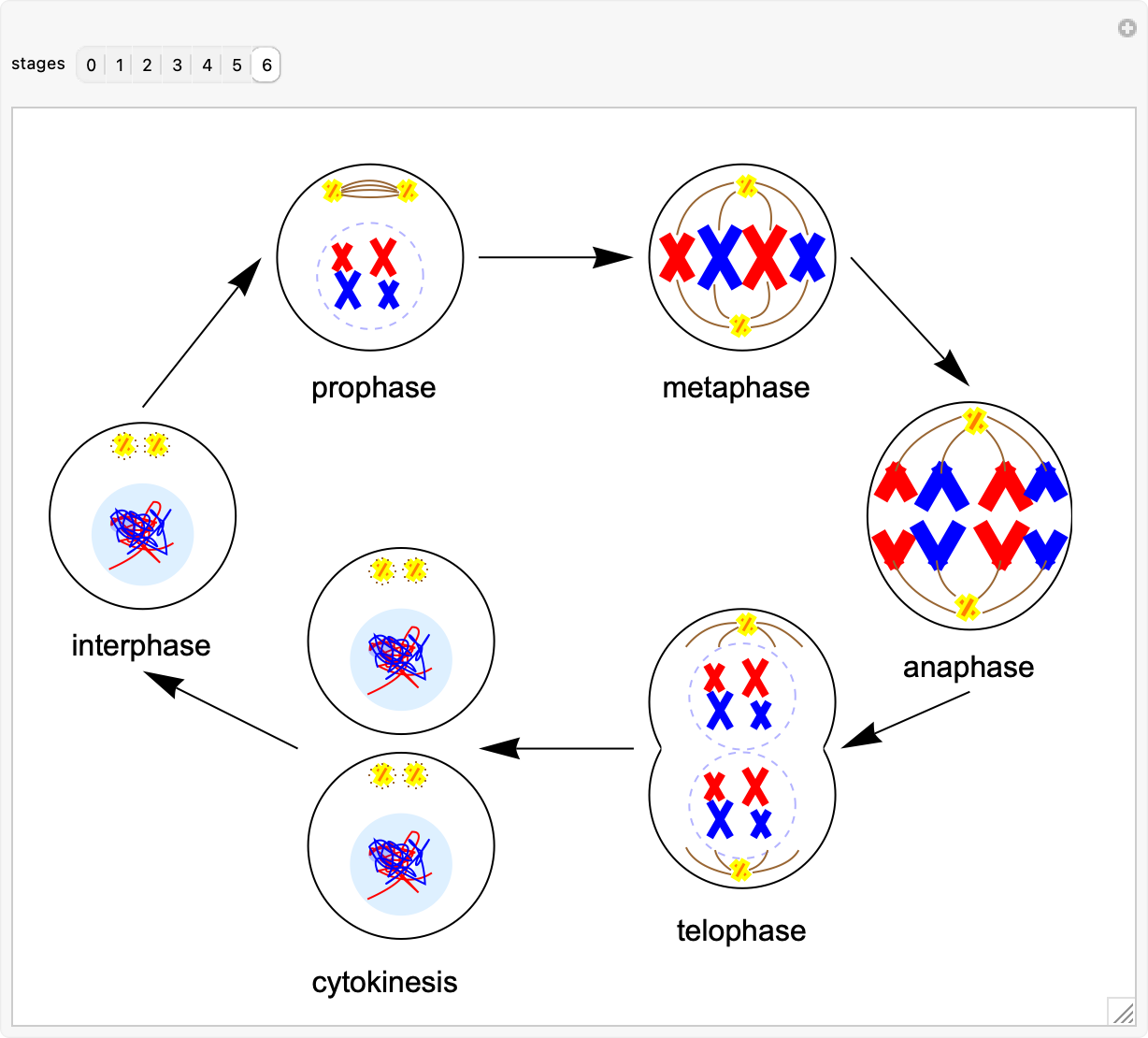
**The Cell Cycle** By: Rachel Lian and Stacy Hu
This Demonstration shows a visual model of the phases of mitosis.
**DNA Replication** By: Priyanka Multani
Multani’s Demonstration shows how the DNA helix unwinds and uses the old DNA strand as a template to create two daughter helices.

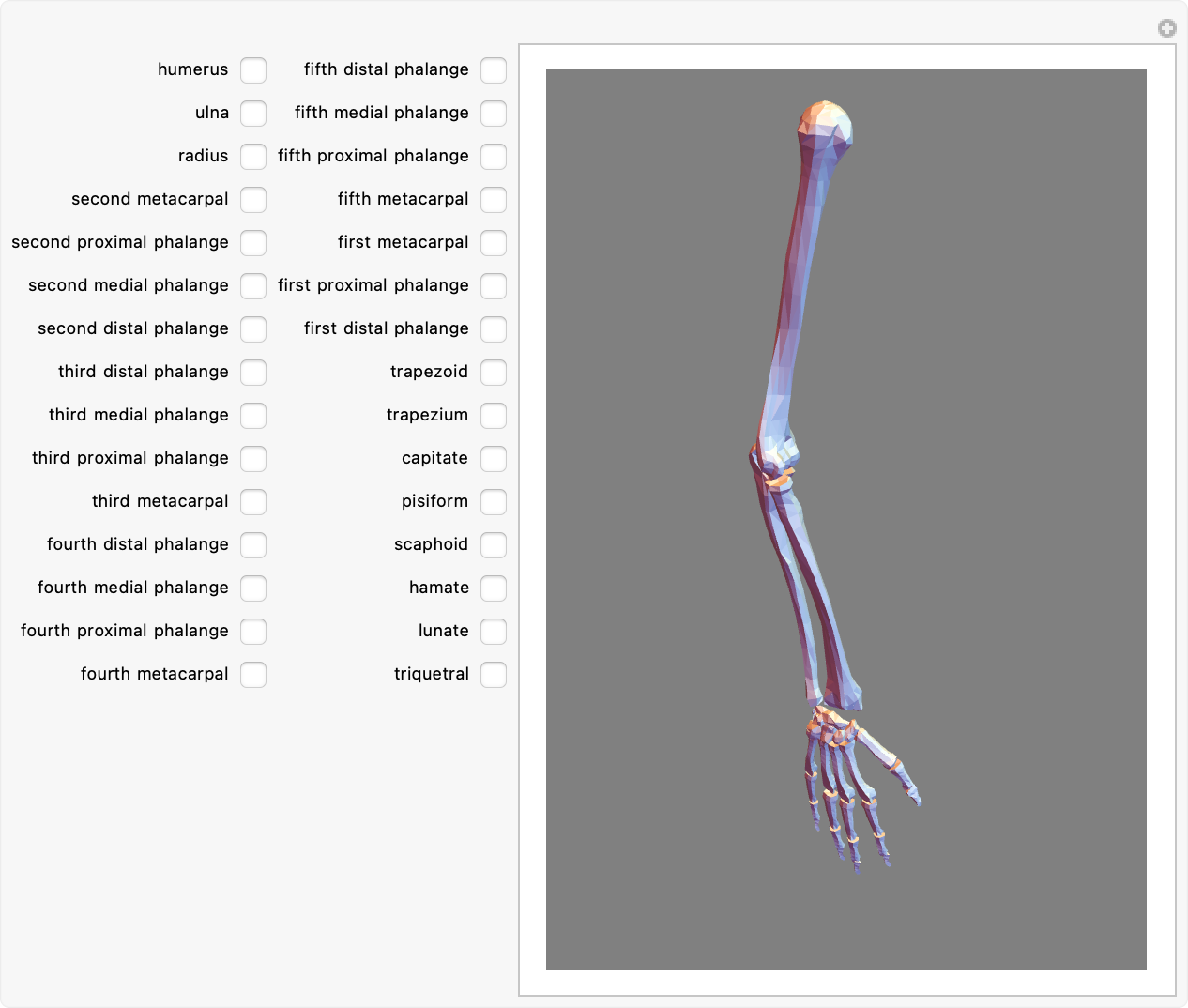
**3D Skeletal Anatomy of the Arm** By: Stewart Dickson
Dickson’s Demonstration offers an interactive skeletal model of the human arm — complete with rotating views and highlighting of different bones for easy identification.
**Predator-Prey Dynamics with Type-Two Functional Response** By: Wilfried Gabriel
Gabriel’s Demonstration uses simplified Lotka–Volterra equations to demonstrate simple predator-prey cycles. You can adjust the model by altering each part of the equation, from predator competition to prey death rates.

Latest Features in Wolfram Language
When you’re ready to start creating your own computational life science experiments, Wolfram Language’s biology functions give you the power to build an interactive stage for exploration and experimentation. The most recent published entities include:
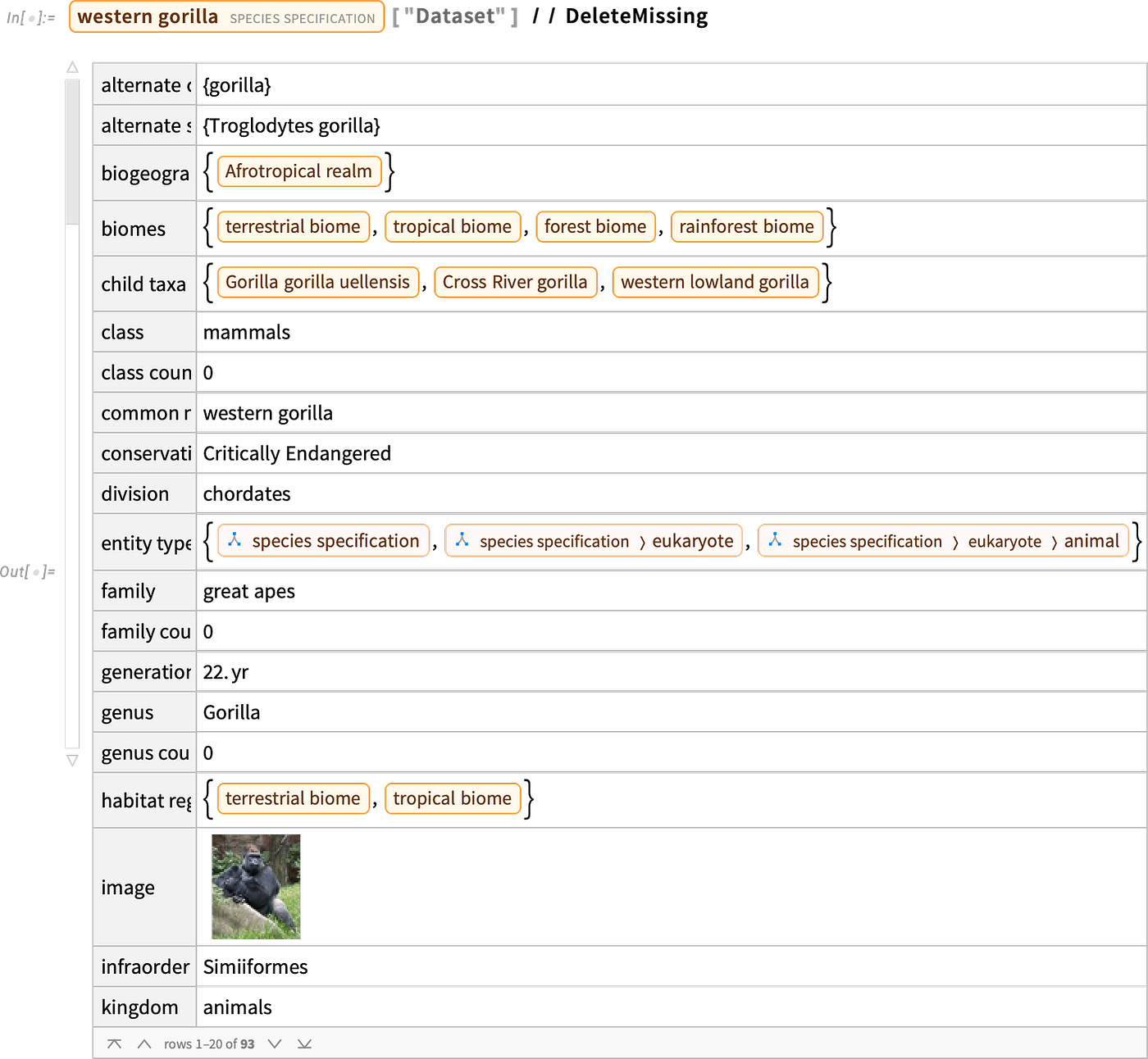
- “TaxonomicSpecies” — This feature offers detailed information for the taxa of plants, animals, microbes and more. You can also check out Keiko Hirayama’s talk, “Exploring Species in Wolfram Language,” to see this function in action:
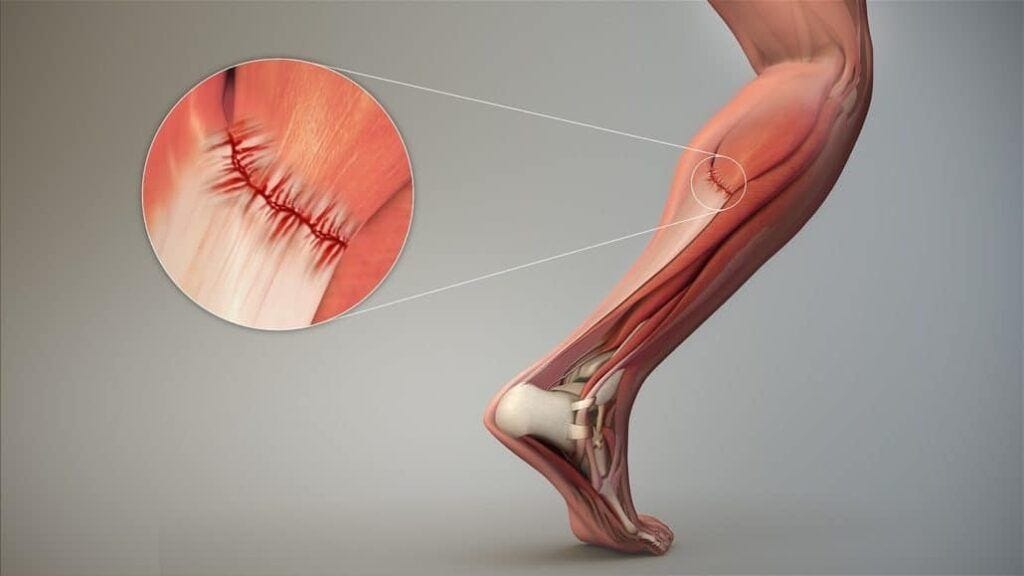
- “**AnatomicalStructure**” — This feature offers detailed information for more than 90 thousand human anatomical parts:

Wolfram Function Repository
The Wolfram Function Repository offers an ever-expanding collection of Wolfram Language functions developed by both Wolfram teams and users. With over 2,500 functions available, there are plenty of biology tools to go around for the computational biologist:
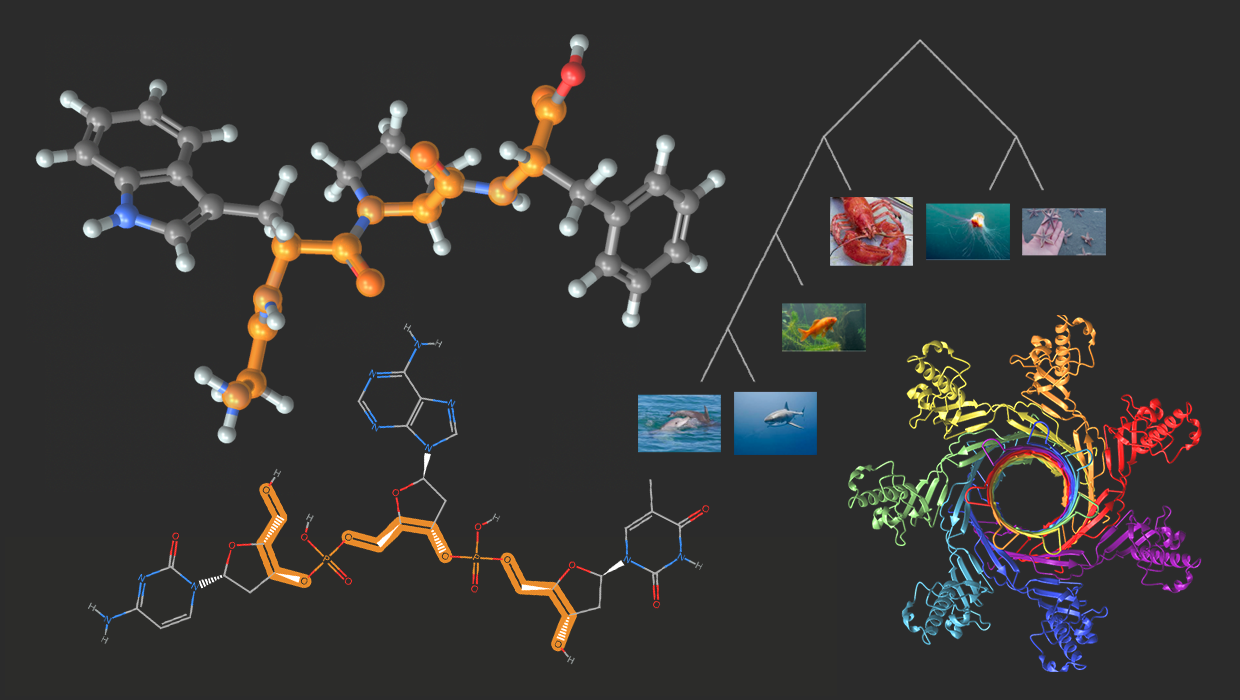
- **BioSequenceMoleculePlot **models structural diagrams of biomolecular sequences.
- **DNAAlignmentPlot** creates a colorful visual for DNA sequence alignment.
- **TaxonomicNearest *generates taxa *to the nearest taxon.
- **FoodWeb **generates graphs displaying predator-prey relationships for a given animal.
- **TaxonomyGraph **displays a taxonomy graph for a given species.
Featured Community Posts
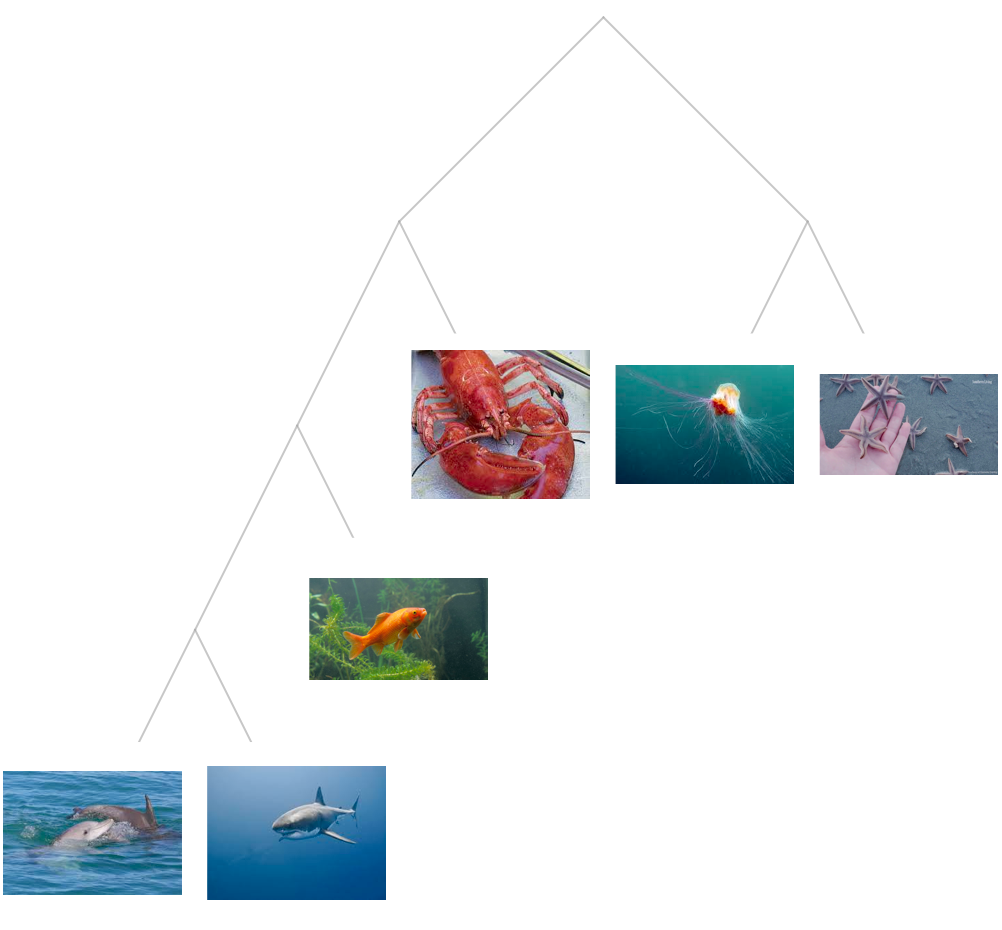
**From Pictures of Animals, Try to Reconstruct the Tree of Life** (Wolfram High School Summer Research Program 2022) By: Maya Viswanathan
The Wolfram High School Summer Research Program is an opportunity for high-school students to participate in their own research projects with mentors from the Wolfram team and Stephen Wolfram.
Viswanathan’s research project used Wolfram Language’s image-processing capabilities to make a taxonomical tree of life. The diagrams are used to organize different organisms into different classifications, including taxonomy and evolution. Viswanathan’s diagrams build trees solely off of how Wolfram Language interprets images of different organisms, resulting in an impressive and colorful display.
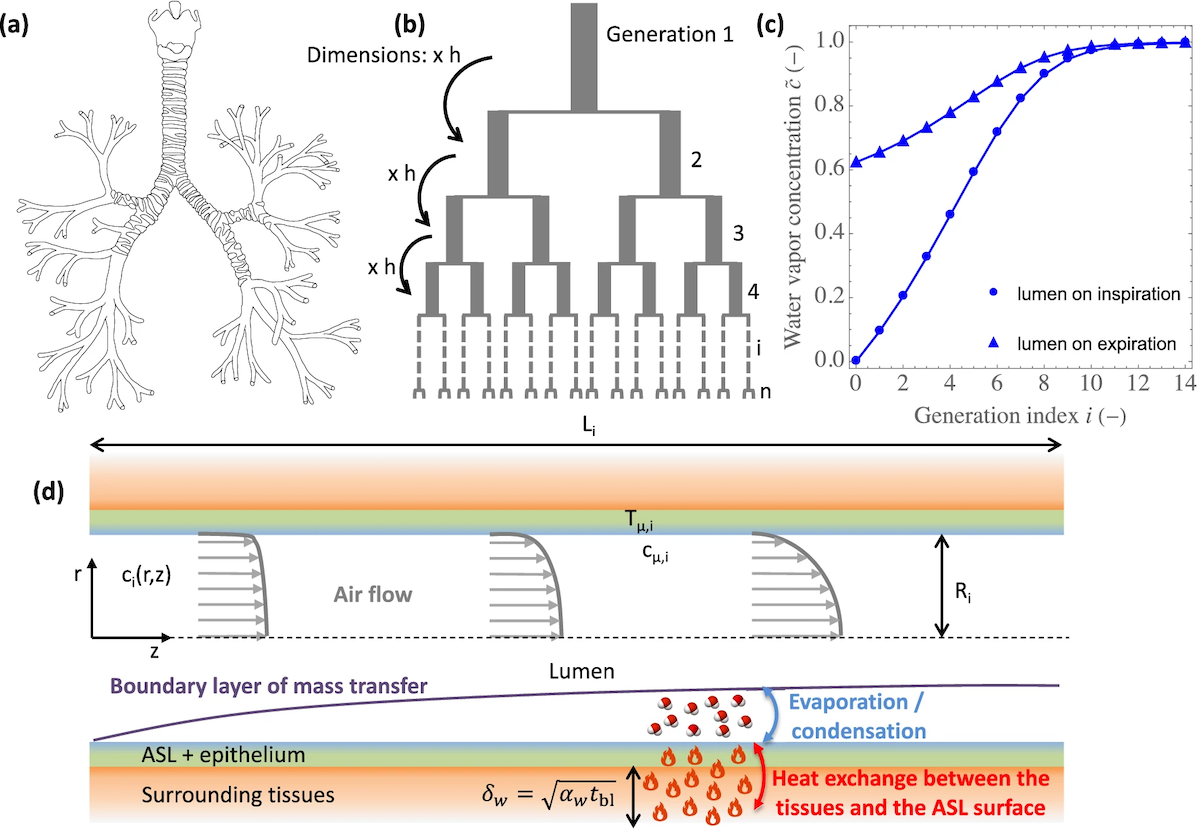
**Water and Heat Exchanges in Mammalian Lungs** By: Benoit Haut
Haut’s project uses a mathematical model that evaluates how varying mammalian lungs use water and heat to self-regulate temperature. Haut spares no effort in creating visually stunning models for easy reading.
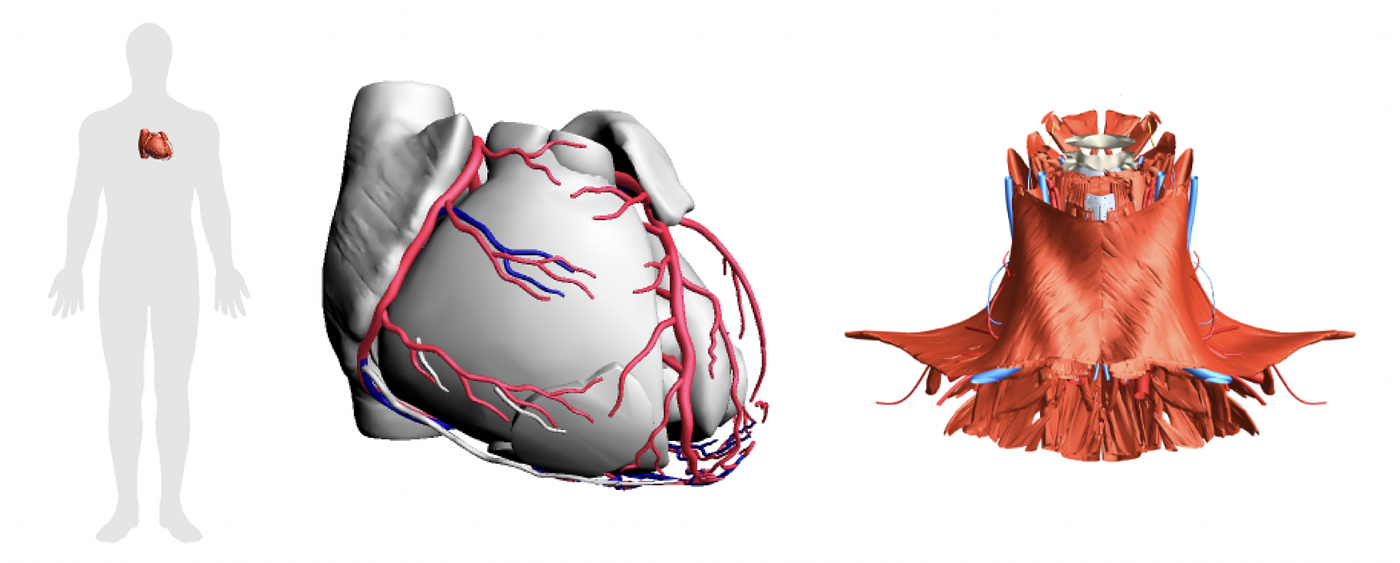
**Anatomy Data for Visual Representation: Teaching and Research** By: Alessandro Mastrofini
Mastrofini’s project creates 3D models fit for the teaching and research of body parts, including organs, arteries, muscle tissue and more. His models are presented in different stages to highlight different elements, such as full-body placements, 3D rotating models with regional highlights and full-color models.
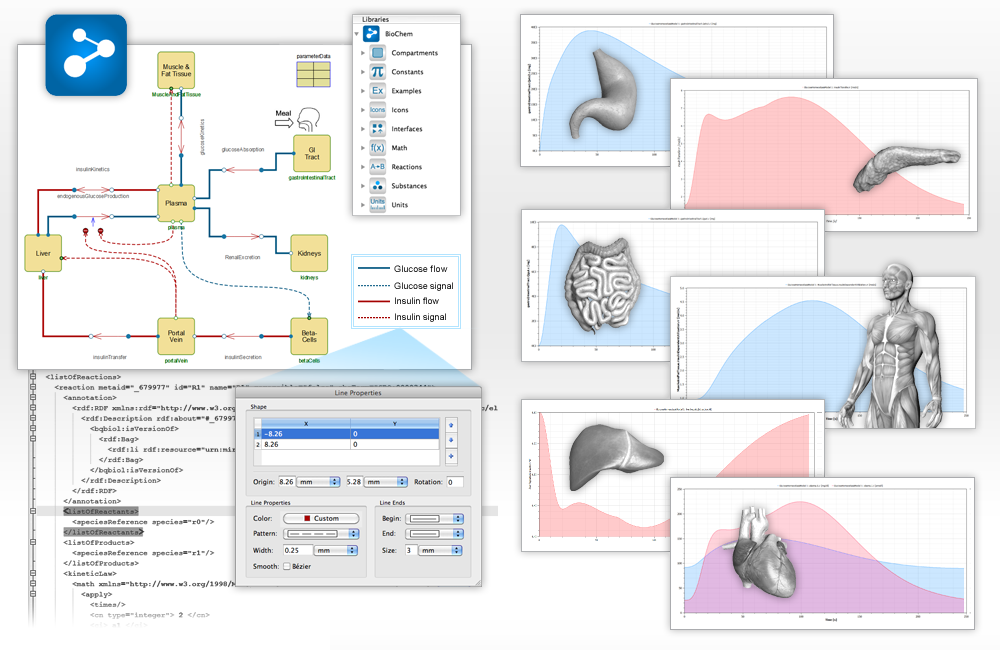
Wolfram System Modeler — Bio Chem Library
Wolfram System Modeler is an interactive modeling lab that gives you the chance to run dynamic simulations for varying environments. The Bio Chem library offers modeling, simulation and visualization of biological and biochemical systems. You can learn about how the Bio Chem library is used for safe drug research and development with FDA-approved models.
Want to dive deeper into computational biology?
Check out the original post to go into Level 2, where you can find further resources and examples.
메타데이터
- post_id
- 646ad458ba34
- slug
- from-data-to-discovery-studying-computational-biology-with-wolfram-646ad458ba34
- url
- https://medium.com/tech-based-teaching/from-data-to-discovery-studying-computational-biology-with-wolfram-646ad458ba34
- canonical_url
- https://medium.com/tech-based-teaching/from-data-to-discovery-studying-computational-biology-with-wolfram-646ad458ba34
- author_url
- https://medium.com/@edutecheditor
- status
- ok
- fetched_at
- 2026-08-03 13:09:54