10 Must-Know Business Questions — Answered Step-by-Step
Blog 1: How Do I Start a Business?
10 Must-Know Business Questions — Answered Step-by-Step
Blog 1: How Do I Start a Business?
Introduction
Every successful entrepreneur starts with questions — not answers. How do I start? How do I fund it? How do I grow? These questions shape the foundation, direction, and destiny of every business. Yet, too often, new founders dive into execution without clarity.
This 10-part blog series, “10 Must-Know Business Questions — Answered Step-by-Step,” is your complete roadmap from idea to impact. Each post breaks down one essential business question — from choosing your structure and building a team to pricing, scaling, and staying motivated — into clear, actionable steps.
Whether you’re launching your first startup, refining your small business, or looking to expand sustainably, this series will guide you through the core decisions that define lasting success.
💬 Because building a business isn’t about having all the answers — it’s about asking the right questions, one step at a time.
How Do I Start a Business?
From Idea to Launch — Your Entrepreneurial First Steps
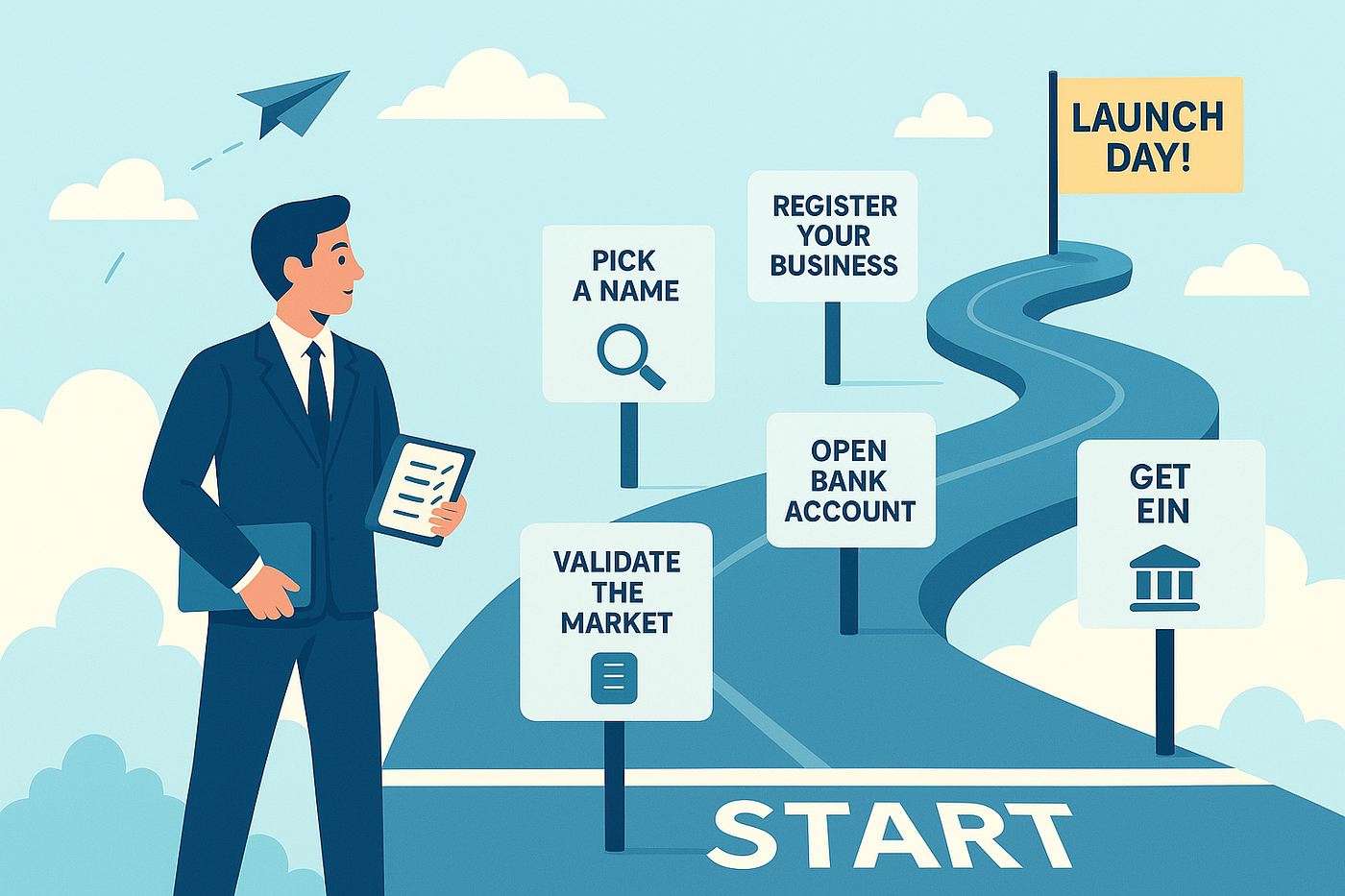
Starting a business is one of the most exciting — and intimidating — journeys you can take. It’s not just about having a great idea; it’s about shaping that idea into a structured, profitable, and sustainable venture. Many aspiring entrepreneurs get stuck in the “dreaming” stage, overwhelmed by where to begin. This guide walks you step-by-step through the process of turning your business vision into a concrete reality.
1. Choose Your Business Idea
Start with a problem, not just a passion.
Every successful business begins by solving a real problem. Passion fuels perseverance, but purpose fuels profit. Ask yourself:
- What pain point do I want to address?
- Who experiences this problem the most?
- Can I create a solution that people will pay for?
For example, instead of saying, “I love baking, so I’ll open a bakery,” think deeper: “People in my city lack access to affordable, gluten-free desserts — can I fill that gap?” That small shift in thinking transforms a hobby into a market opportunity.
💡 Tip: Use tools like Google Trends or customer surveys to test demand early.
2. Validate the Market
Don’t assume — confirm.
Before investing time and money, validate that there’s a real demand for what you’re offering. Market validation prevents you from building a business based on assumptions.
Ways to validate:
- Research competitors — who already serves this need?
- Conduct informal interviews or online polls with potential customers.
- Launch a small pilot version (a minimum viable product) and gather feedback.
When you see consistent enthusiasm and willingness to pay, you know your idea has traction.
💬 Remember: Validation isn’t about proving you’re right; it’s about discovering what’s right.
3. Pick a Name
Your brand begins with a name.
Your business name is more than a label — it’s your first impression. Choose something memorable, easy to spell, and relevant to your purpose.
Checklist for a strong business name:
- It should reflect your offering or values.
- Check for domain availability (.com, if possible).
- Verify that it’s not trademarked
- Test it with a few people — does it sound trustworthy and clear?
A strong name builds brand recognition from day one.
💡 Example: “Dropbox” clearly conveys its function — a place to “drop” and “store” files online.
4. Register Your Business
Make it official.
Once you’ve validated your idea and chosen a name, it’s time to make it legal. Registration gives your business credibility and protection.
Your options include:
- Sole Proprietorship: Simplest, but offers no liability protection.
- Limited Liability Company (LLC): Great balance of protection and flexibility
- Corporation (S-Corp or C-Corp): Ideal for larger businesses or those seeking investors.
File your formation documents with your state government, and keep a copy of your registration certificate. This step also allows you to open bank accounts, apply for funding, and sign contracts under your business name.
💬 Pro Tip: Many new entrepreneurs choose an LLC to combine simplicity with legal protection.
5. Get an EIN (Employer Identification Number)
Your business’s financial identity.
An EIN is like a Social Security number for your business. It’s required for paying taxes, hiring employees, and opening a business bank account. You can apply for one directly on the IRS website — it’s free and takes just a few minutes.
Even if you’re a one-person operation today, getting an EIN prepares you for growth tomorrow.
💡 Tip: Never use your personal SSN for business transactions — it blurs legal boundaries.
6. Open a Business Bank Account
Keep business and personal finances separate.
One of the first signs of professionalism is separating your business money from personal funds. It simplifies bookkeeping, protects your personal assets, and makes tax time far less stressful.
Here’s what you’ll need:
- Your business registration documents
- Your EIN
- Proof of address and identification
Look for banks that offer small business perks such as free checking, credit-building cards, or digital expense tracking tools.
💬 Pro Tip: Consider digital-first banks designed for entrepreneurs — they often have lower fees and better integrations.
7. Lay the Foundation for Growth
Think long-term from day one.
Once your business is officially registered and financially structured, start thinking about your next steps — branding, marketing, and setting measurable goals. Every small action now sets the tone for how your business will grow.
- Create a simple business plan outlining your first-year goals.
- Define your value proposition — why will customers choose you?
- Establish an online presence (even a basic website and social media page).
A business isn’t built overnight, but each intentional step adds strength to your foundation.
The First Step Matters Most
Starting a business isn’t about perfection — it’s about progress. The journey may feel overwhelming at first, but when you take it step-by-step, it becomes achievable, even exciting. Your idea deserves structure, your effort deserves direction, and your vision deserves execution.
*💬* “A business begins not with money, but with momentum.”
메타데이터
- post_id
- 64831fdeeb87
- slug
- 10-must-know-business-questions-answered-step-by-step-64831fdeeb87
- url
- https://medium.com/@startupaspire/10-must-know-business-questions-answered-step-by-step-64831fdeeb87
- canonical_url
- https://medium.com/@startupaspire/10-must-know-business-questions-answered-step-by-step-64831fdeeb87
- author_url
- https://medium.com/@startupaspire
- status
- ok
- fetched_at
- 2026-06-09 15:37:30