Imagining a Slower, More Hands-On America
Picture a small town where technology hasn’t barreled ahead since the 1950s — where people earn a living by working directly with their…
Imagining a Slower, More Hands-On America
Picture a small town where technology hasn’t barreled ahead since the 1950s — where people earn a living by working directly with their hands, chatting face-to-face at the local diner, and maintaining a strong bond with the natural world around them. That might sound like a trip back in time, but it could also be a promising choice for Americans who find our restless, digitized economy lacking in human warmth and tangible accomplishments.
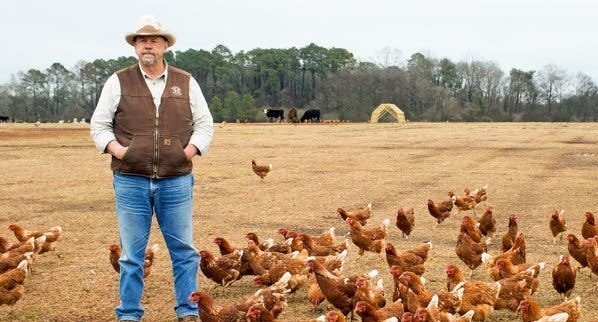
In Bluffton, Georgia, a farm called **White Oak Pastures** raises animals on open pastures and relies on farmers who maintain a direct, physical connection with the land. There is no “factory farming” in sight. Instead, people become part of the fields and flocks they care for, guided by hands-on methods emphasizing close observation of animals and their environment. White Oak Pastures meets modern health requirements and sells its products far and wide, yet day-to-day life feels remarkably different from an assembly-line approach. For those who enjoy physical engagement with their surroundings, it offers a place to truly be valued, be useful, and stay authentically connected to nature.
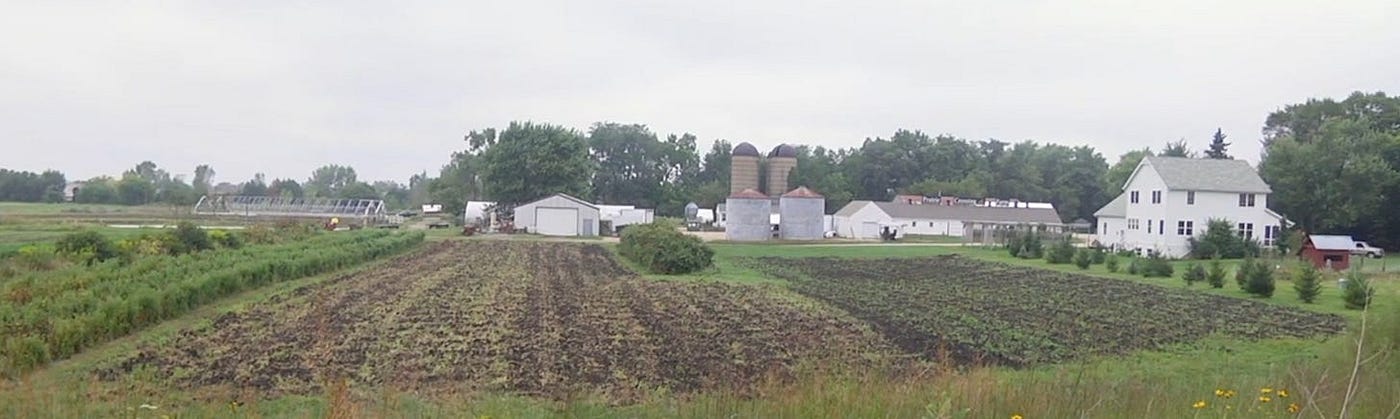
In Grayslake, Illinois, you’ll find **Prairie Crossing**, a master-planned community built around farmland and open space. Residents choose it for local produce, nature trails, and stronger neighborhood bonds than many modern suburbs can provide. Prairie Crossing might not operate with a strict technology limit, but it shows that people from all walks of life appreciate communities that preserve time-tested elements of rural living — such as real working farmland and a more personal sense of place. It’s a clear example of how Americans can seek a human-scale lifestyle without discarding every modern convenience.
The decline of smaller manufacturers throughout the country also underscores why a hands-on approach still matters. In North Carolina, countless local furniture makers once thrived by combining artistry and craft to produce sturdy, beautiful pieces sold across America. Many of those shops have vanished, replaced by automated factories or cheap imports. The same story played out in the Rust Belt, where large swaths of the auto industry moved toward high-tech automation and offshoring, leaving behind vacant buildings and displaced workers. For people who lack advanced degrees in engineering or programming — yet once made a living through straightforward, tangible work — watching these jobs disappear can feel like losing a place in the only economy they’ve ever known.
That painful shift prompts a question:
What if entire towns or regions decided to recreate and preserve previous versions of America?
Instead of replacing people with robots, what if manufacturing lines required real human involvement, combining modest machinery with skill, craft, and know-how? Fields wouldn’t rumble with gigantic automated harvesters, and furniture plants might look more like the old North Carolina workshops than today’s sprawling, mechanized facilities. By insisting on direct human effort, we might see jobs return that don’t demand coding, advanced technical degrees, or hyper-specialization.
Naturally, restricting technology to a certain era raises questions about modern building codes, advanced medical needs, and those who still want smartphones and streaming services. Yet any such community would be voluntary — people could decide whether or not to live there. Neighbors might embrace certain trade-offs in exchange for a warmer sense of community and the satisfaction of sharing physical tasks.
This doesn’t mean throwing away all the social progress we’ve made since the 1950s. It’s about bringing back the kind of hands-on economy in which everyday people can build products or grow food for their neighbors — and see real worth in what they do. White Oak Pastures shows that a close relationship with the land can flourish in today’s marketplace, while Prairie Crossing proves that a more direct, less automated existence appeals to many who simply want greater connection. And the vanished furniture shops of North Carolina, along with the shuttered auto plants of the Rust Belt, remind us that there used to be a wealth of opportunities for honest work that computers didn’t replace.
Critics might say this can’t scale in a society fixated on convenience apps and global supply chains. But these examples show that when a community values real human effort, it gains a sense of identity and purpose that machines can’t duplicate. People who find the digital economy unsatisfying might welcome a place that prizes lasting craft, local commerce, and farmland maintained by people rather than robots.
As automation marches on, the desire for a more grounded way of life may only grow. Whether you’re a retiree longing for a hometown that reflects the best of your parents’ era or a working-age adult wanting a chance to make something real and necessary, capping technology at an earlier level can be a refreshing alternative. If approached carefully — making sure advanced healthcare remains available off-site, for example — it might become a haven for those who feel shortchanged by the relentless pace of modern tech.
In the end, this isn’t about rejecting progress; it’s about offering choice. Most Americans will stick with their modern conveniences, but some would happily trade constant connectivity for the enduring rewards of physical labor, close relationships, and time-tested skills. Establishing a few towns or regions that run on these principles wouldn’t limit anyone else. Instead, it broadens the range of possibilities in our country, proving that technology can press forward without pushing genuine human craftsmanship aside.
메타데이터
- post_id
- 64bbe5ba4064
- slug
- imagining-a-slower-more-hands-on-america-64bbe5ba4064
- url
- https://medium.com/@rocketforge/imagining-a-slower-more-hands-on-america-64bbe5ba4064
- canonical_url
- https://medium.com/@rocketforge/imagining-a-slower-more-hands-on-america-64bbe5ba4064
- author_url
- https://medium.com/@rocketforge
- status
- ok
- fetched_at
- 2026-06-09 15:37:30





