What Are the Best Storage Tips for Mini Fridges? Here’s How to Make Every Inch Count
Discover the best storage tips for mini fridges, including organization hacks, food safety tips, and space-saving ideas for dorms, offices…
What Are the Best Storage Tips for Mini Fridges? Here’s How to Make Every Inch Count
Discover the best storage tips for mini fridges, including organization hacks, food safety tips, and space-saving ideas for dorms, offices, and apartments.

Most people buy a mini fridge thinking it’ll make life easier.
Then reality hits.
Drinks fall over every time you open the door. Leftovers disappear behind yogurt cups. Vegetables freeze in one corner while milk turns warm in another. And somehow, despite being “small,” the fridge still feels impossible to organize.
If that sounds familiar, you’re not the problem. Mini fridges simply need a different storage strategy than full-size refrigerators.
The good news? A few smart adjustments can completely change how your mini fridge works. Once you understand airflow, temperature zones, and space management, even a tiny dorm fridge can feel surprisingly functional.
If you want a deeper breakdown of mini fridge organization methods, this guide on best storage tips for mini fridges covers additional real-world setup ideas for small spaces.
Why Mini Fridges Become Messy So Fast
Mini fridges fail for one simple reason: limited airflow.
Unlike full-size refrigerators, most compact models cool unevenly. The back wall and lower shelves are usually much colder, while the door shelves stay warmer because they’re exposed every time you open the fridge.
That means random storage leads to:
- Spoiled food
- Frozen produce
- Bad odors
- Wasted space
- Higher energy use
The fix is learning how to work with the fridge instead of against it.
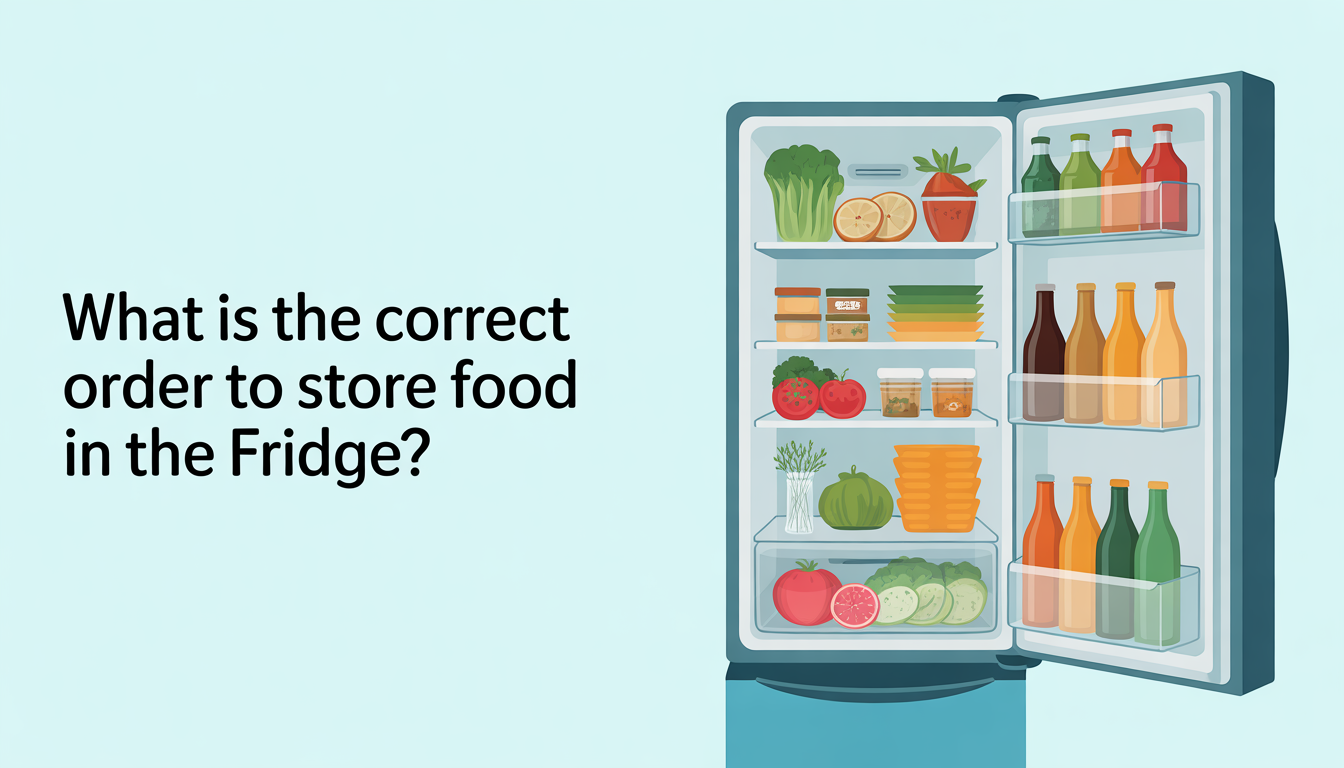
Use Temperature Zones the Smart Way
One of the biggest mini fridge mistakes is storing everything wherever it fits.
In reality, every shelf has a purpose.
Bottom Shelf = Coldest Area
Store:
- Dairy products
- Yogurt
- Eggs
- Leftovers
- Sealed meats
Food safety experts recommend keeping perishables in the coldest section rather than in the door.
Middle Shelves = Everyday Foods
Perfect for:
- Meal prep containers
- Sandwich ingredients
- Drinks
- Ready-to-eat snacks
Door Shelves = Least Perishable Items
Use the door for:
- Sauces
- Condiments
- Juice boxes
- Water bottles
Avoid storing milk or eggs there because the temperature fluctuates constantly.
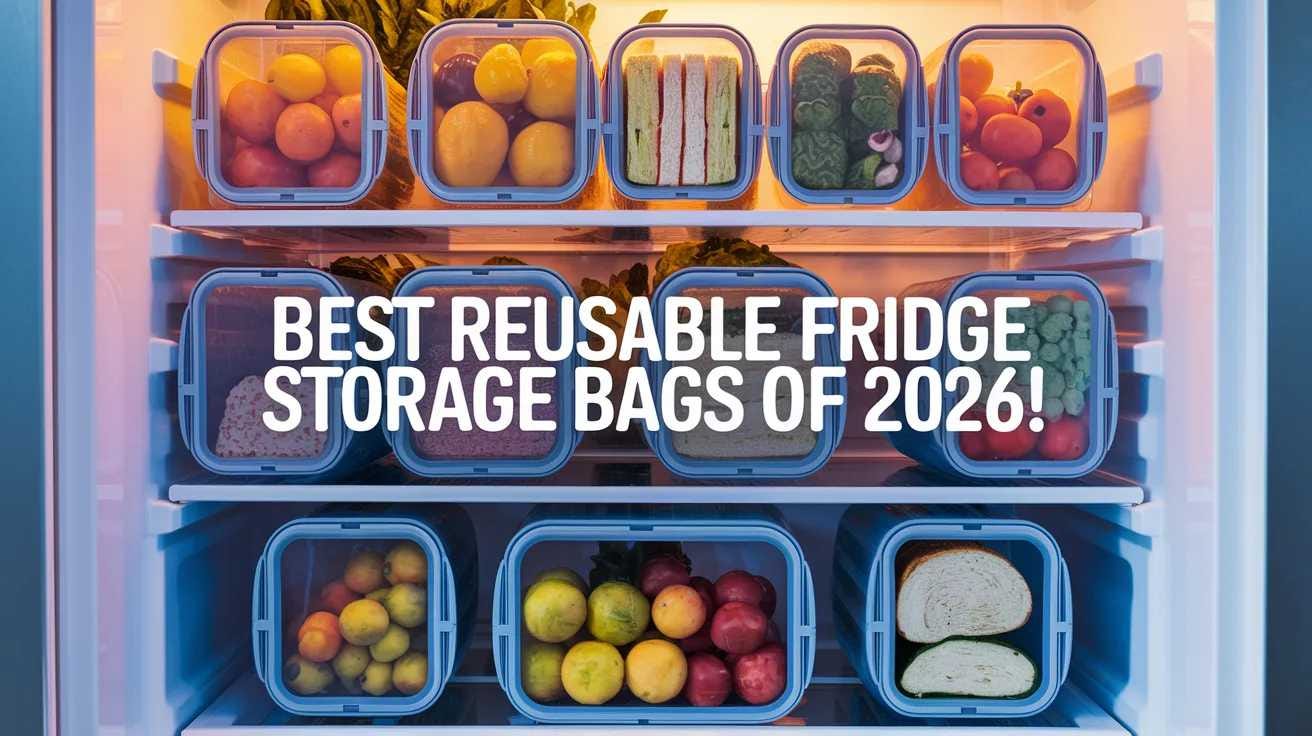
Stop Using Round Containers
This one change alone can double your usable space.
Round containers waste corners.
Square and rectangular containers stack neatly, create cleaner rows, and make food easier to find. Clear containers work best because you can instantly see what’s inside without digging through layers.
A practical setup looks like this:
- One bin for snacks
- One for dairy
- One for drinks
- One for meal prep
This creates mini “zones” inside the fridge.
If you’re organizing a dorm or office fridge, this storage approach makes a massive difference in daily convenience.
Don’t Overpack the Fridge
It sounds backward, but cramming more food inside can actually make the fridge colder in the wrong places and warmer in others.
Mini fridges need air circulation to cool properly. Overstuffing blocks airflow and creates uneven temperatures.
A better strategy:
- Leave small gaps between containers
- Avoid stacking food against the back wall
- Keep vents unobstructed
This helps maintain safe temperatures while reducing strain on the compressor.
Store Foods Vertically Whenever Possible
Professional organizers often recommend vertical storage because it improves visibility and saves space.
Instead of laying items flat:
- Stand drinks upright
- Store snack bags vertically
- Arrange frozen foods like books on a shelf
This prevents the dreaded “lost food in the back” problem.
It also makes inventory easier, which means less food waste over time.
A detailed walkthrough on how to organize a mini refrigerator efficiently explains how vertical layouts improve accessibility in tight spaces.
Clean the Fridge More Often Than You Think
Mini fridges get dirty faster because every inch is heavily used.
One spilled sauce packet can quickly create odors in such a confined space.
A simple routine works best:
- Wipe spills immediately
- Toss expired food weekly
- Deep clean monthly
According to organization experts, even 10–20 minutes of weekly maintenance keeps compact fridges manageable long term.
Baking soda also helps absorb odors naturally.
Avoid Storing These Foods in a Mini Fridge
Not everything belongs in a compact refrigerator.
Some mini fridges struggle with stable temperature control, especially cheaper dorm models.
Foods that can become problematic:
- Raw meat
- Fresh fish
- Large meal-prep batches
- Sensitive produce like bananas
If your fridge has weak cooling performance, prioritize sealed, ready-to-eat foods instead.
And if you’re using a hotel mini fridge, be careful — some are actually beverage coolers rather than true refrigerators.
Use the “First In, First Out” Rule
Restaurants use this method for a reason.
When you add new groceries:
- Move older items forward
- Place newer items in back
This prevents forgotten leftovers from turning into science experiments.
It also saves money because food actually gets eaten before expiring.
The guide at RefrigeratorSolve.com explains how this simple habit reduces waste while improving fridge organization overall.
Maximize Space Outside the Fridge Too
The smartest mini fridge setups don’t stop at the interior.
People living in dorms or small apartments often create “fridge stations” nearby for:
- Dry snacks
- Utensils
- Plates
- Coffee supplies
- Protein bars
Reddit users frequently recommend using carts, shelves, or over-fridge organizers to extend storage space in small rooms.
This reduces clutter inside the fridge itself.
Label and Group Everything
Grouping similar foods saves more time than most people realize.
Examples:
- Drinks together
- Breakfast foods together
- Grab-and-go snacks together
Some organizers even recommend labeling bins or using acrylic containers for better visibility.
The goal is simple: You should be able to find anything in under five seconds.
If you can’t, the system probably needs adjustment.
Mini Fridge Storage Is Really About Habits
Most mini fridge problems aren’t caused by lack of space.
They’re caused by lack of structure.
Once you:
- use temperature zones,
- organize vertically,
- stop overcrowding,
- clean consistently,
- and group foods intentionally,
even a tiny fridge becomes dramatically easier to manage.
And honestly, the biggest benefit isn’t just organization.
It’s reducing stress.
No more mystery smells. No more spoiled groceries. No more opening the door and hoping nothing falls out.
A little strategy turns a cramped mini fridge into something that actually works for your daily life.
메타데이터
- post_id
- 64faafbe8d7d
- slug
- what-are-the-best-storage-tips-for-mini-fridges-heres-how-to-make-every-inch-count-64faafbe8d7d
- url
- https://medium.com/@refrigeratorsolve/what-are-the-best-storage-tips-for-mini-fridges-heres-how-to-make-every-inch-count-64faafbe8d7d
- canonical_url
- https://medium.com/@refrigeratorsolve/what-are-the-best-storage-tips-for-mini-fridges-heres-how-to-make-every-inch-count-64faafbe8d7d
- author_url
- https://medium.com/@refrigeratorsolve
- status
- ok
- fetched_at
- 2026-07-14 03:22:25