Viral Eukaryogenesis Hypothesis
New to this topic? A Plain Science Companion appears at the end of this article, explaining the scientific terms and concepts in accessible…
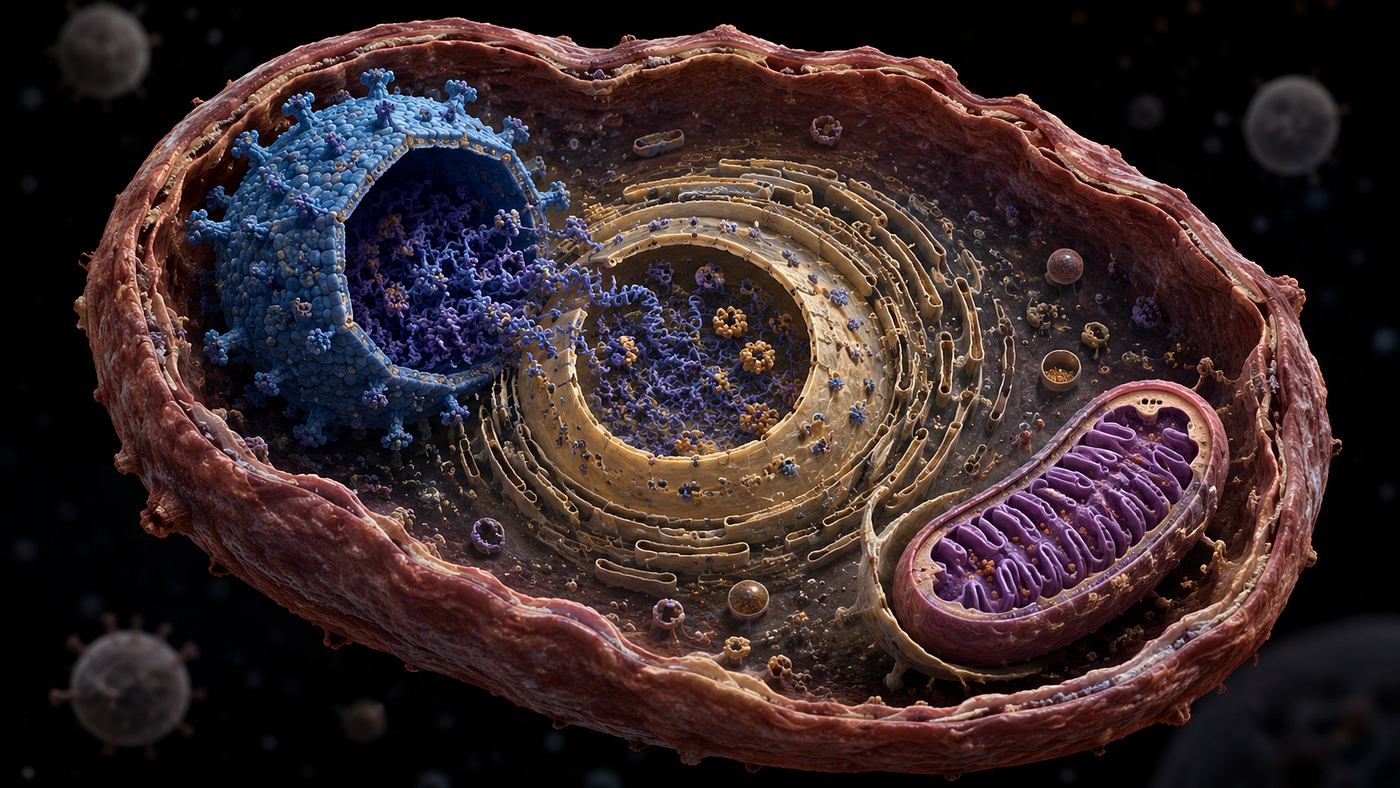
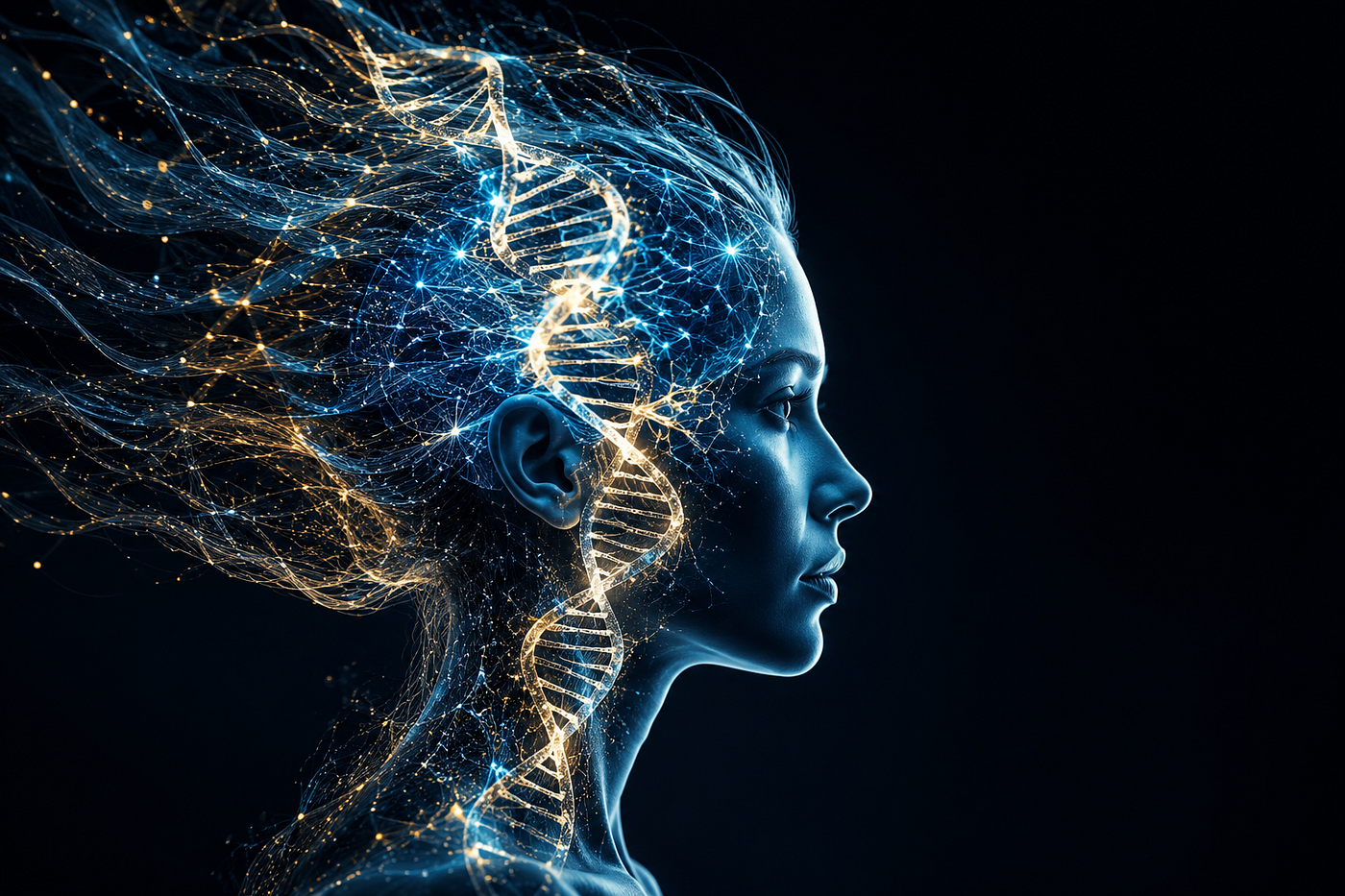
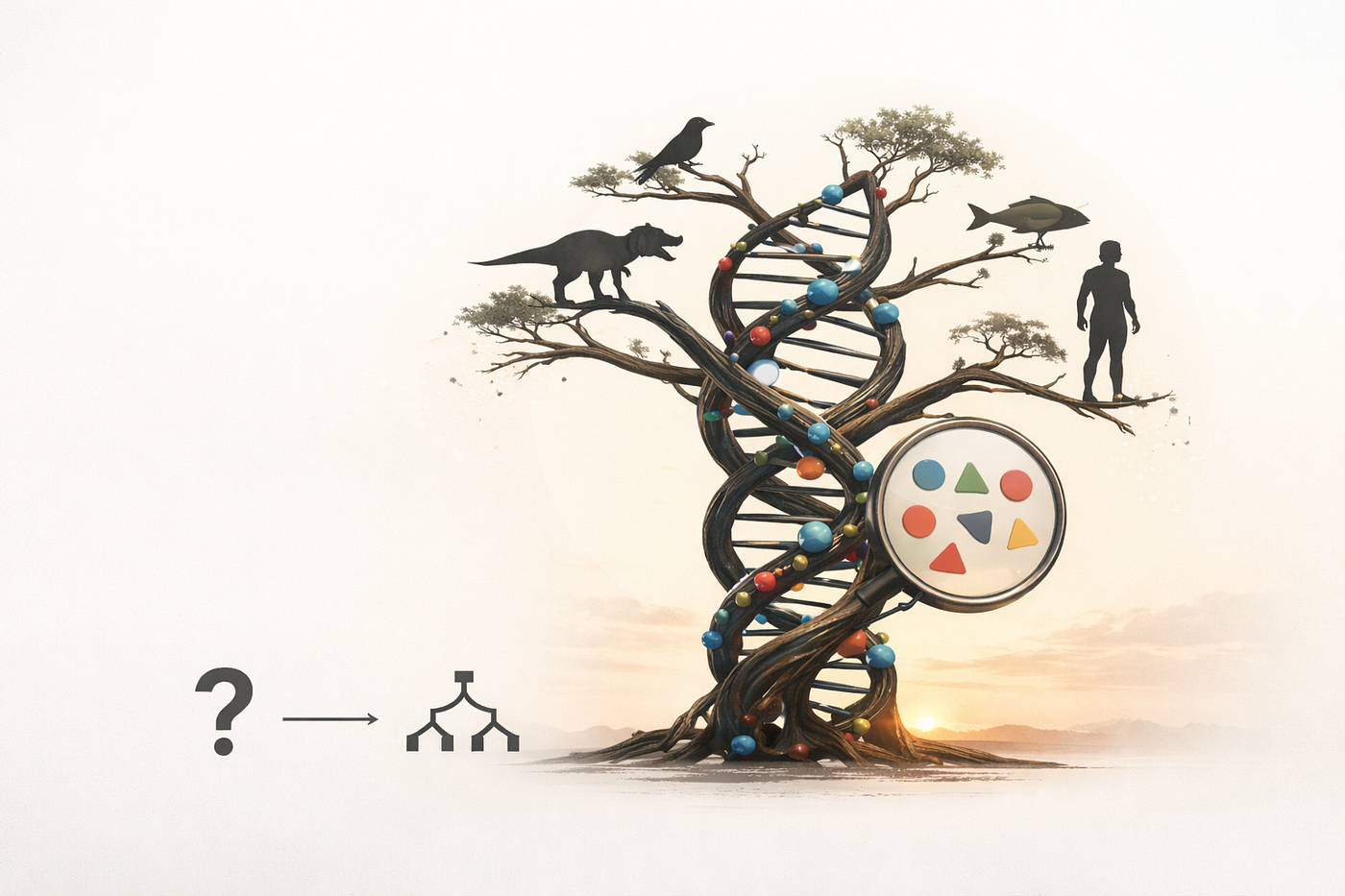
Conceptual illustration of the viral eukaryogenesis hypothesis, depicting a proposed evolutionary interaction among an archaeal host, a giant DNA virus, and an alphaproteobacterial endosymbiont leading to the emergence of the eukaryotic cell.
Viral Eukaryogenesis Hypothesis
New to this topic? A Plain Science Companion appears at the end of this article, explaining the scientific terms and concepts in accessible language for curious readers who want to explore further. All of my science articles will now include this feature.
Why do our own cells try to kill us?
I subscribe to the viral eukaryogenesis hypothesis and related theories about the role of viruses in the origin of life and cellular complexity. While not all cells were once viruses, viruses have indeed played a significant role in the evolution of life.
Current science suggests that viruses contributed to the development of complex life by transferring genes, shaping immune systems, and even playing a role in the formation of the nucleus in eukaryotic cells. The viral eukaryogenesis hypothesis proposes that an ancient large DNA virus may have contributed to the evolutionary origin of the eukaryotic nucleus. It remains a minority hypothesis and competes with several alternative models.
Endosymbiosis and Cellular Cooperation
Similar to how mitochondria and chloroplasts are thought to have originated from free-living bacteria that merged with other cells (the endosymbiotic theory), some researchers speculate that viruses may have fused with early cells, contributing essential genetic material. This process could have driven the complexity needed to evolve into multicellular organisms.
Viruses and Horizontal Gene Transfer
Viruses are known to facilitate horizontal gene transfer, meaning they can move genes between different species. This mechanism has likely accelerated evolution, helping to create the diversity of life we see today.
Life as a Continuum
The idea suggests that life is a cohabitation of once-separate entities, and that’s not far from how many biologists now view evolution. Multicellular life is essentially a complex system of once-independent cells working together. Even our own genome contains remnants of ancient viral DNA — over 8% of the human genome is made up of sequences from viruses that infected our ancestors long ago.
So, Were All Cells Once Viruses?
Not exactly, but viruses may have played a key role in shaping the cells we know today. Life’s history appears to be a story of symbiotic relationships, gene sharing, and co-evolution between different biological entities — including viruses.
If viruses helped shape the evolution of complex life, and life always continues to try to survive, are we attacked, sickened, and killed by viruses?
If viruses played such a key role in shaping life, why do they also seem to be one of its greatest threats? The answer lies in evolution, competition, and the ever-changing relationship between hosts and parasites.
1. Viruses Are Not Truly “Alive” (But They Evolve)
Viruses exist in a gray area between life and non-life. They can’t reproduce on their own, so they hijack the machinery of living cells to make copies of themselves. Since their survival depends on infecting hosts, they evolve strategies to bypass defenses and spread effectively. This evolutionary arms race between viruses and hosts is a driving force in biology.
2. The Arms Race: Evolution in Action
Both hosts and viruses are locked in a continuous battle of adaptation. While life (from bacteria to humans) has developed immune defenses, viruses evolve countermeasures to infect new cells. Some viruses, like the ones that cause common colds, have evolved to spread without killing their hosts. Others, like Ebola, can be deadly — though that’s often an accident of evolution, as a virus that kills too quickly might fail to spread efficiently.
3. Viruses and Genetic Innovation
Despite their harmful effects, viruses have also helped shape evolution by inserting their genes into host DNA. Some of these viral remnants have even been co-opted for beneficial purposes. For example:
The gene that allows placental mammals (including humans) to form a placenta comes from an ancient virus.
Some viral sequences in the human genome help regulate immune responses.
Certain viruses, like bacteriophages, help control bacterial populations, maintaining ecological balance.
4. Why Do Viruses Still Harm Us?
Even though life has evolved from viral interactions, viruses continue to attack us because:
They evolve rapidly. New viral strains, like the flu or COVID-19, emerge, outpacing our immune systems.
Not all viral infections are intentional. Some viruses “spill over” from other species (e.g., zoonotic diseases) and aren’t well-adapted to humans, causing severe illness.
Some viruses act selfishly. Evolution doesn’t “plan” for the survival of an entire species — it only selects for what helps an organism or virus reproduce in the short term.
5. Could Viruses Be Considered Part of Life?
If we view life as a cooperative and competitive web of interactions, viruses are part of that system, shaping and being shaped by it. Some scientists even propose that viruses should be considered a fundamental part of life, not just external parasites.
So, while viruses may have helped “build” us in an evolutionary sense, they continue to act according to their own evolutionary pressures, sometimes to our detriment.
📘 Plain Science Companion
Understanding the Viral Eukaryogenesis Hypothesis
Science often uses compact words that represent enormous ideas. This companion explains the key concepts behind the Viral Eukaryogenesis Hypothesis in everyday language for readers who are interested in biology but may not have a scientific background.
Why a Plain Science Companion?
Scientific articles often use terminology that assumes years of background knowledge. This companion is designed to make the ideas easier to enter without removing the complexity or wonder of the science.
The original article presents the hypothesis. This companion explains the scientific concepts surrounding it.
The Big Idea in Plain English
Every living thing on Earth has an evolutionary history stretching back billions of years.
The Viral Eukaryogenesis Hypothesis explores the possibility that ancient viruses may have played an important role in one of the biggest transitions in life’s history:
the evolution of complex cells.
Complex cells are called eukaryotic cells. They are the type of cells that make up animals, plants, fungi, and humans.
Unlike bacteria, eukaryotic cells contain a nucleus — a specialized compartment that stores DNA.
The hypothesis suggests that an ancient large DNA virus may have contributed genetic material or biological structures that helped shape the evolution of the nucleus.
This is not the mainstream explanation for how the nucleus evolved. It is a minority hypothesis among several competing scientific models.
What This Hypothesis Does and Does Not Propose
The Viral Eukaryogenesis Hypothesis does not propose that:
- all cells were once viruses,
- humans evolved from viruses,
- viruses are simply another type of cell.
Instead, it proposes something more specific:
Ancient viruses may have influenced the evolution of complex cells by contributing genetic material and interacting with early cellular organisms.
A useful analogy:
Imagine a city that developed over thousands of years. Some buildings may have been constructed using materials from older structures, and different communities may have contributed ideas and technology.
The city did not “come from” one of those earlier structures, but its final form was influenced by many contributors.
Key Concepts Explained
Eukaryotic Cells
The word eukaryotic comes from Greek:
- eu = true
- karyon = kernel or nucleus
Literal meaning:
“True nucleus.”
Scientific meaning:
A cell that stores its DNA inside a nucleus.
Examples:
- humans,
- animals,
- plants,
- fungi.
Eukaryotic cells are much more complex than bacteria and contain specialized structures called organelles.
Eukaryogenesis
This word describes the origin of eukaryotic cells.
Breaking it down:
- eu = true
- karyon = nucleus
- genesis = origin or creation
Literal meaning:
“The origin of true-nucleus cells.”
Eukaryogenesis refers to the evolutionary process through which complex cells emerged.
It represents one of the most important events in Earth’s history because all animals, plants, and fungi are descended from eukaryotic cells.
Endosymbiosis
This word comes from Greek:
- endo = inside
- sym = together
- bios = life
Literal meaning:
“Living together inside.”
Endosymbiosis describes a situation where one organism lives inside another and the relationship becomes permanent.
Scientists believe mitochondria — the energy-producing structures inside our cells — originated when an ancient bacterium entered another cell and eventually became a permanent partner.
This idea is supported by strong evidence and is a major part of modern biology.
Horizontal Gene Transfer
Normally, genes move from parents to offspring.
This is called vertical inheritance.
Horizontal gene transfer is different:
Genes move between unrelated organisms.
Viruses are very effective at moving genetic material between hosts.
This process can introduce new genetic information into populations and influence evolution.
Giant DNA Viruses
Not all viruses are tiny.
Some giant DNA viruses are surprisingly complex and contain large amounts of genetic material.
They are still viruses — they cannot reproduce independently — but they challenge older assumptions about how simple viruses must be.
Some researchers have suggested that ancient giant viruses may have influenced the evolution of complex cellular structures.
Scientific Language Guide
Symbiosis
From Greek:
- syn = together
- bios = life
Meaning:
Different organisms living together.
The relationship may be:
- beneficial to both,
- beneficial to one and neutral to the other,
- harmful to one organism.
Genome
From Greek:
- genos = origin or kind
A genome is the complete collection of genetic information in an organism.
A human genome contains all of the DNA instructions needed to build and maintain a human body.
Zoonotic Disease
From Greek:
- zoon = animal
A zoonotic disease is an infection that moves from animals into humans.
Examples include some strains of influenza and other emerging infectious diseases.
Where This Fits in Current Science
Scientists strongly agree that:
- viruses influence evolution,
- viruses transfer genes,
- ancient viral DNA exists within human genomes,
- some viruses have contributed beneficial genetic material.
Scientists also strongly support the idea that:
- mitochondria originated through endosymbiosis with bacteria.
The more debated question is:
Did viruses play a major role in the origin of the eukaryotic nucleus itself?
The Viral Eukaryogenesis Hypothesis proposes that they may have.
However, this remains a minority hypothesis and competes with other explanations for the origin of eukaryotic complexity.
The value of scientific hypotheses is that they generate questions and predictions that can be tested.
The Big Picture: Five Things to Remember
- Viruses are not simply harmful agents; they have also influenced the evolution of life.
- Complex cells contain a history of ancient biological partnerships and genetic exchanges.
- Viruses can move genes between organisms, helping drive evolutionary change.
- The origin of the eukaryotic cell remains one of biology’s great questions.
- Evolution is not only competition — it is also cooperation, exchange, and long-term interaction among different forms of life.
Science Connections
The Viral Eukaryogenesis Hypothesis connects to:
Evolutionary biology How new forms of life emerge over time.
Cell biology How complex cells developed internal structures.
Genetics How genes move and change across populations.
Virology How viruses interact with living systems.
Astrobiology How scientists think about the possible origins and evolution of life beyond Earth.
End of Plain Science Companion
메타데이터
- post_id
- 6502a10fb27a
- slug
- viral-eukaryogenesis-hypothesis-6502a10fb27a
- url
- https://medium.com/health-science/viral-eukaryogenesis-hypothesis-6502a10fb27a
- canonical_url
- https://medium.com/health-science/viral-eukaryogenesis-hypothesis-6502a10fb27a
- author_url
- https://medium.com/@marvin.vonrenchler
- status
- ok
- fetched_at
- 2026-07-18 12:05:23