Reno-Protective Effect of Asparagus racemosus Root Extract
Acute kidney injury (AKI) is a major global public health concern, affecting over 13 million individuals annually and contributing to…
Reno-Protective Effect of Asparagus racemosus Root Extract
Acute kidney injury (AKI) is a major global public health concern, affecting over 13 million individuals annually and contributing to approximately 1.7 million deaths worldwide. Its rising incidence — particularly in low- and middle-income countries — reflects the growing burden of aging populations, chronic diseases, and limited access to renal care. AKI not only increases short-term mortality and healthcare costs but also accelerates progression to chronic kidney disease (CKD), end-stage renal disease, and cardiovascular complications. CKD is a growing worldwide health concern, impacting about 800 million people roughly 9–13% of the world’s population with a disproportionately high prevalence in Asia and among susceptible groups such as the elderly and those with diabetes or hypertension. CKD is now the 12th biggest cause of death worldwide, accounting for 1.2 million fatalities in 2017 alone, with a 41.5% increase in mortality since 1990. Aside from its direct impact, CKD accounts for 35.8 million disability-adjusted life years (DALYs), significantly reducing quality of life and increasing susceptibility to cardiovascular events, infections, and early death. The link between cardiovascular disease and renal dysfunction is well documented, with myocardial infarction (MI) frequently causing acute or chronic renal injury via pathways involving oxidative stress, systemic inflammation, and hemodynamic instability. Isoproterenol-induced MI in animal models mirrors these pathophysiological alterations, providing a reliable platform for testing prospective renoprotective drugs.

Asparagus racemosus Root
Systemic inflammation and oxidative stress are central to the pathogenesis of both acute and chronic kidney disease, with excessive reactive oxygen species (ROS) production and compromised antioxidant defenses driving renal injury. This bidirectional interplay amplifies tissue damage, promotes fibrosis, and contributes to complications such as cardiovascular disease and anemia. Isoproterenol (ISO), a synthetic β-adrenergic receptor agonist, is widely used to induce myocardial infarction in Long Evans rat models, reliably replicating oxidative stress, inflammation, and fibrotic changes in cardiac and renal tissues. High doses of ISO exacerbate oxidative damage, reduce antioxidant enzyme activity, and increase lipid peroxidation, leading to infarcts and progressive organ dysfunction. Antioxidant therapy has shown promise in mitigating these effects, with prior studies demonstrating its ability to restore enzymatic balance and reduce oxidative injury in ISO-administered rats — underscoring the model’s relevance for evaluating reno- and cardioprotective interventions. Despite improvements in nephrology, current treatment techniques mostly aim to halt CKD progression rather than reverse kidney damage. Furthermore, access to advanced treatments is still limited in low-resource settings, emphasizing the critical need for safe, inexpensive, and effective alternatives. In this context, natural medicines have received increased interest for their antioxidant, anti-inflammatory, and antifibrotic qualities.
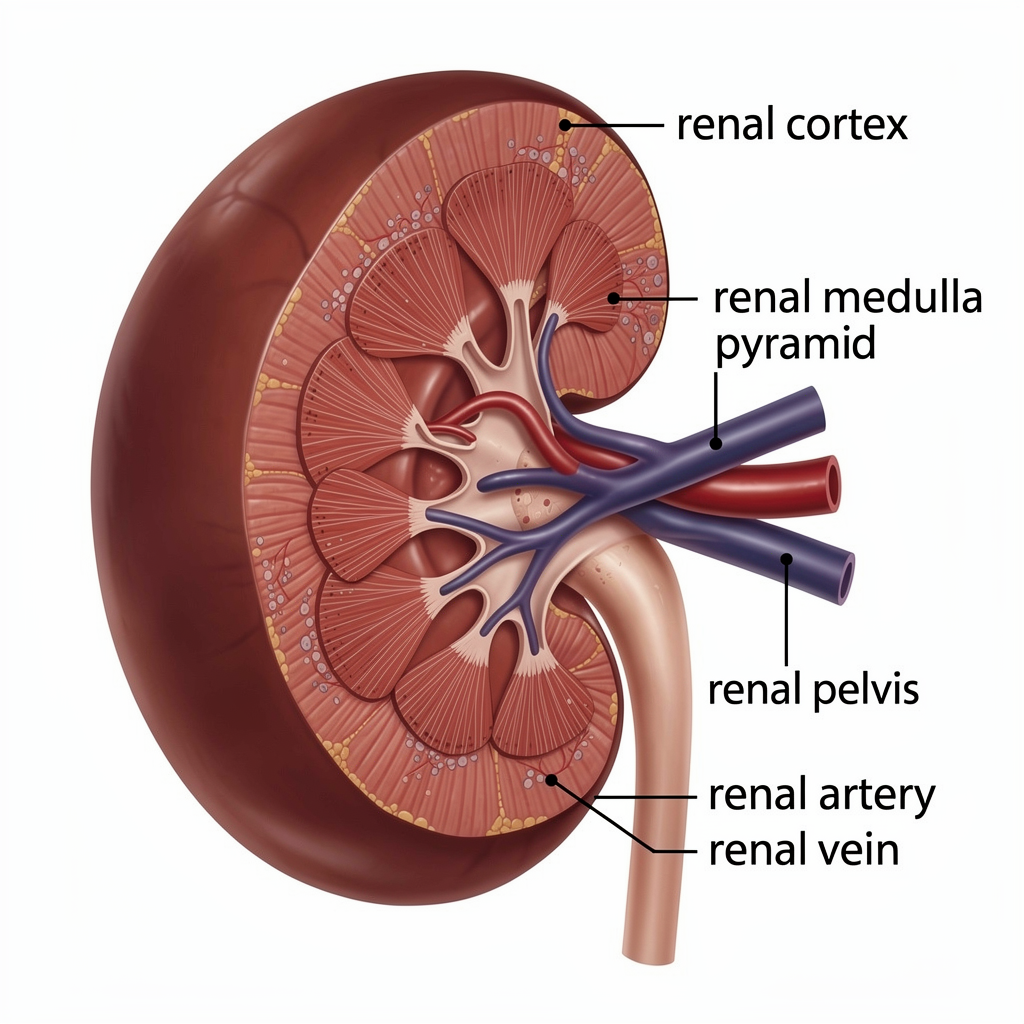
Renal View
Asparagus racemosus, often known as Shatamuli, is a well-studied medicinal plant in Ayurvedic and ethnobotanical literature. It is high in saponins, flavonoids, and polyphenolic chemicals and has a powerful antioxidant, anti-inflammatory, neuroprotective, adaptogenic, reproductive, hepatoprotective, antimicrobial, antiulcer, anticancer and immunomodulatory properties. Previous research has shown that it can reduce oxidative stress and tissue injury in a variety of organ systems, implying that it may be useful as a renoprotective drug in cardiovascular-compromised mice.

Rat
The purpose of this work is to evaluate the renoprotective effects of Asparagus racemosus root extract in an isoproterenol-induced myocardial infarction rat model, specifically its capacity to reduce renal dysfunction and histopathological damage. By combining traditional phytotherapy and current experimental pharmacology, this study aims to add to the expanding body of evidence supporting plant-based therapies for CKD management.
메타데이터
- post_id
- 651e215c70fa
- slug
- reno-protective-effect-of-asparagus-racemosus-root-extract-651e215c70fa
- url
- https://medium.com/@imsajjadhossain589/reno-protective-effect-of-asparagus-racemosus-root-extract-651e215c70fa
- canonical_url
- https://medium.com/@imsajjadhossain589/reno-protective-effect-of-asparagus-racemosus-root-extract-651e215c70fa
- author_url
- https://medium.com/@imsajjadhossain589
- status
- ok
- fetched_at
- 2026-07-10 20:52:23