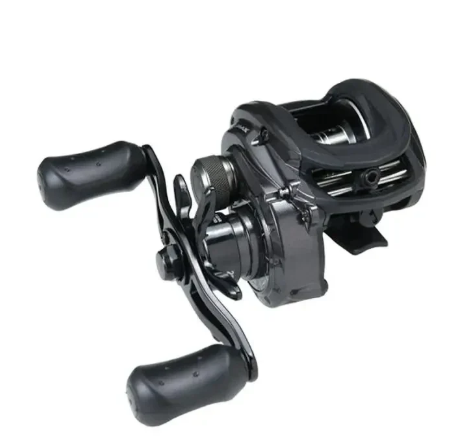
Why Fishing Reel Spool Size Matters: Things to Check in Baitcast Fishing Reels
Learn why fishing reel spool size matters and discover the key things to check in baitcast fishing reels for better casting
How Fishing Reel Spool Size Influences Casting Distance: What to Know Before Choosing Baitcast Fishing Reels
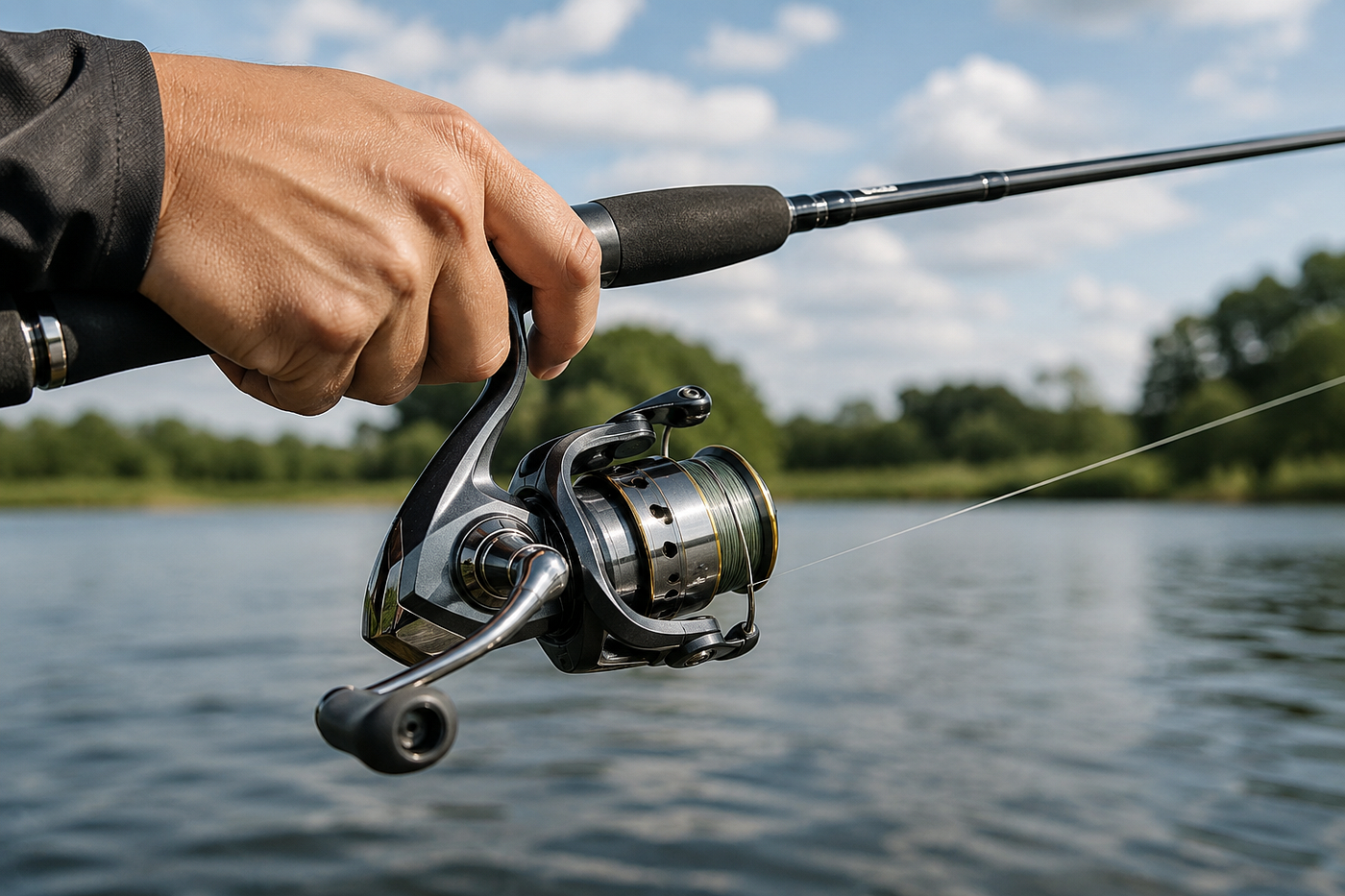
Every successful cast begins long before your lure touches the water — it starts with understanding the equipment in your hands. A fishing reel may seem simple at first glance, but one feature that quietly shapes your casting performance is the spool size. Whether you’re aiming for a bass hiding near submerged timber or a snakehead waiting along thick vegetation, the right spool can make every cast feel smoother, more controlled, and more efficient.
Many anglers compare gear ratios, braking systems, and bearings when shopping for baitcast fishing reels, but spool size is often overlooked. In reality, it plays a significant role in casting distance, line management, lure performance, and overall fishing comfort. Understanding how spool size works can help you choose a reel that matches your fishing style instead of relying on guesswork.
What Is Spool Size in a Fishing Reel?
The spool is the rotating part of a fishing reel that stores and releases the fishing line. Spool size refers to its diameter, width, and line-holding capacity. Together, these characteristics determine how the reel performs during casting and retrieval.
Manufacturers may describe spool size by its diameter in millimetres or by listing the reel’s line capacity. Although these specifications seem technical, they provide valuable insight into how the reel will behave on the water.
A spool that suits one angler’s technique may not be the best option for another. Choosing the right size depends on factors such as lure weight, target species, casting distance, and the type of fishing line you prefer.
Why Spool Size Matters for Casting Distance
Casting distance depends on much more than the force of your cast. The spool directly affects how easily the fishing line leaves the reel.
When the spool rotates during a cast, it must overcome its own weight and inertia. A spool that spins smoothly while releasing line with minimal resistance allows your lure to travel farther. However, this balance changes depending on the lure weight and fishing conditions.
Simply choosing the largest spool does not automatically mean longer casts. The best casting performance comes from matching the spool size to your fishing setup.
How Smaller Spools Perform
Smaller spools are commonly found on finesse-oriented baitcast fishing reels designed for lighter presentations.
Because they have less rotating mass, smaller spools start spinning with less effort. This makes them well suited for casting lightweight lures that may struggle to load a heavier spool.
Advantages of smaller spools include:
- Better performance with light lures.
- Faster spool startup.
- Improved casting control.
- Reduced overall reel weight.
- Better balance with lightweight rods.
These qualities make smaller spools popular for finesse fishing, small hard baits, soft plastics, and compact jigs where accuracy matters more than maximum casting distance.
How Larger Spools Affect Performance
Larger spools offer greater line capacity and are often chosen for techniques that require heavier fishing line or larger lures.
With more line available, anglers can make repeated long casts without worrying about running low on line. Larger spools also retrieve more lines with each revolution because the effective spool diameter remains greater during the retrieve.
Benefits of larger spools include:
- Increased line capacity.
- Better performance with heavier lures.
- Improved casting consistency during long casts.
- Faster line pickup.
- Greater versatility for larger fish and demanding conditions.
For anglers targeting powerful freshwater or inshore species, these advantages often outweigh the additional spool weight.
Understanding Spool Inertia
One of the most important concepts behind spool size is inertia.
In simple terms, inertia is the resistance of the spool to start rotating. A heavier spool requires more energy before it begins spinning.
This is why a lightweight lure may struggle when paired with a heavy spool. Instead of transferring enough energy to start the spool smoothly, the lure slows down quickly, reducing casting distance.
Modern baitcast fishing reels often feature lightweight aluminium or specially machined spools that reduce inertia without sacrificing strength. This allows anglers to enjoy better casting performance across a wider range of lure weights.
Line Capacity and Its Impact
Spool size also determines how much fishing line your fishing reel can hold.
A deeper spool stores more line, making it suitable for situations where fish make long runs or where repeated long casts are common.
However, using a large spool when long casts are unnecessary can add extra weight without offering much practical benefit. Carrying excess line that is rarely used offers little advantage and can slightly affect spool responsiveness.
Choosing the appropriate line capacity helps maintain a balanced setup that performs efficiently for your preferred style of fishing.
Matching Spool Size to Lure Weight
One of the easiest ways to select a spool size is by considering the lures you use most often.
Light lures
Small spools perform better with lightweight crankbaits, finesse worms, small topwater lures, and compact jigs because they require less force to begin rotating.
Medium-weight lures
A medium spool provides excellent versatility for anglers who regularly switch between different lure styles without changing reels.
Heavy lures
Larger spools excel when casting oversized swimbaits, large spinnerbaits, heavy jigs, or deep-diving crankbaits that generate enough momentum to keep the spool spinning smoothly.
Matching lure weight to spool size creates a more efficient casting system while reducing unnecessary effort.
How Fishing Line Influences Spool Performance
Spool size should also be considered alongside your choice of fishing line.
Braided lines are thinner than monofilament or fluorocarbon of similar breaking strength, allowing more lines to fit on the spool. This often enables anglers to use a slightly shallower spool without sacrificing capacity.
Thicker monofilament or fluorocarbon lines occupy more space, making spool depth more important if additional line capacity is required.
Finding the right balance between spool size and fishing line helps maintain smooth casting while avoiding excessive bulk.
Does a Bigger Spool Always Cast Farther?
This is one of the most common misconceptions among anglers.
A larger spool can reduce friction because the line leaves the reel in wider coils, but that benefit only becomes noticeable when the spool is properly matched with the lure, braking system, rod, and fishing line.
Using an oversized spool for lightweight lures may actually reduce casting performance.
Likewise, using a very small spool with heavy lures can limit line capacity and overall versatility.
Instead of focusing only on spool size, think about how every part of your setup works together.
Choosing the Right Baitcast Fishing Reels
When comparing baitcast fishing reels, spool size should be evaluated alongside several other important features.
Consider:
- The lure weights you cast most frequently.
- The species you target.
- The fishing line you normally use.
- Your preferred casting distance.
- Whether you value accuracy or maximum range.
- The overall balance between your rod and reel.
A reel that complements your fishing habits will almost always perform better than one chosen solely because it has the largest spool or highest specifications.
Common Mistakes Anglers Make
Many anglers unknowingly reduce casting performance by making simple equipment choices.
Some of the most common mistakes include:
- Choosing spool size based only on line capacity.
- Ignoring the relationship between lure weight and spool inertia.
- Overfilling the spool with a fishing line.
- Selecting a heavy spool for finesse fishing.
- Assuming larger always means better.
Understanding these factors helps you avoid frustration while improving casting efficiency on every trip.
Frequently asked questions by anglers
1. What is spool size in a fishing reel?
Spool size in a fishing reel refers to the dimensions and line capacity of the spool that holds the fishing line. It affects casting distance, line management, retrieve speed, and the types of lures and fishing techniques the reel is best suited for.
2. Does spool size affect casting distance?
Yes. Spool size can influence casting distance by affecting how smoothly the fishing line leaves the reel. A spool that matches your lure weight and fishing line helps improve casting efficiency and overall performance.
3. Are larger spools always better in baitcast fishing reels?
No. Larger spools provide greater line capacity and are well suited for heavier lures and larger fish, but they are not always the best choice. Many baitcast fishing reels with smaller or medium-sized spools perform better when casting lightweight lures or fishing with finesse techniques.
4. How do I choose the right spool size for a fishing reel?
Choose a fishing reel spool size based on the lure weights you use, your target species, the type of fishing line, and your preferred fishing technique. A well-matched spool provides better casting control and a more balanced fishing setup.
5. Does spool size affect line capacity?
Yes. Larger and deeper spools hold more fishing line, while smaller or shallower spools hold less. The required line capacity depends on the fishing environment and the species you plan to target.
6. What is the best spool size for baitcast fishing reels?
There is no single best spool size for all anglers. The ideal spool size in baitcast fishing reels depends on your fishing style. Smaller spools are suitable for lighter lures, while larger spools are better for heavier lures, longer casts, and stronger fish.
7. Can spool size help reduce backlash in baitcast fishing reels?
Spool size alone does not prevent backlash, but it can influence spool startup and control. Modern baitcast fishing reels with lightweight spools and properly adjusted braking systems can make casting smoother and help reduce the chances of backlash.
8. Does the type of fishing line affect spool performance?
Yes. Braided, monofilament, and fluorocarbon lines have different diameters, which affect how much line fits on the spool. Matching the right fishing line with your fishing reel spool size helps improve casting performance and line management.
Final Thoughts
Casting distance is influenced by many factors, but spool size remains one of the most important features of any fishing reel. From spool inertia and line capacity to lure compatibility and retrieve performance, selecting the appropriate spool can noticeably improve both accuracy and distance.
The best baitcast fishing reels are not simply the ones with the biggest spools or the highest specifications. They are the reels whose spool size matches your fishing style, target species, and preferred lure weights. By understanding how spool size affects performance, you can make more informed decisions, enjoy smoother casts, and spend more time focusing on what matters most — presenting your lure effectively and landing more fish.
메타데이터
- post_id
- 6523a383d5dd
- slug
- why-fishing-reel-spool-size-matters-things-to-check-in-baitcast-fishing-reels-6523a383d5dd
- url
- https://medium.com/@ishaanzahir479/why-fishing-reel-spool-size-matters-things-to-check-in-baitcast-fishing-reels-6523a383d5dd
- canonical_url
- https://medium.com/@ishaanzahir479/why-fishing-reel-spool-size-matters-things-to-check-in-baitcast-fishing-reels-6523a383d5dd
- author_url
- https://medium.com/@ishaanzahir479
- status
- ok
- fetched_at
- 2026-08-05 11:06:33