Why Some People Are Lactose Intolerant: The Biochemistry Behind It
Understanding how a single enzyme affects the way our body digests milk.
Why Some People Are Lactose Intolerant: The Biochemistry Behind It
Understanding how a single enzyme affects the way our body digests milk.
Introduction
For many, a tall glass of milk or a scoop of ice cream is a simple pleasure. For others, it’s a biological gamble that ends in digestive rebellion. This isn’t just a "sensitive stomach"- it is a specific biochemical interaction (or lack thereof) between a complex sugar and the enzymes in our small intestine.
Quick Fact: Around 65% of the global population has some degree of lactose intolerance, making it one of the most common digestive conditions worldwide.
What is Lactose Intolerance?
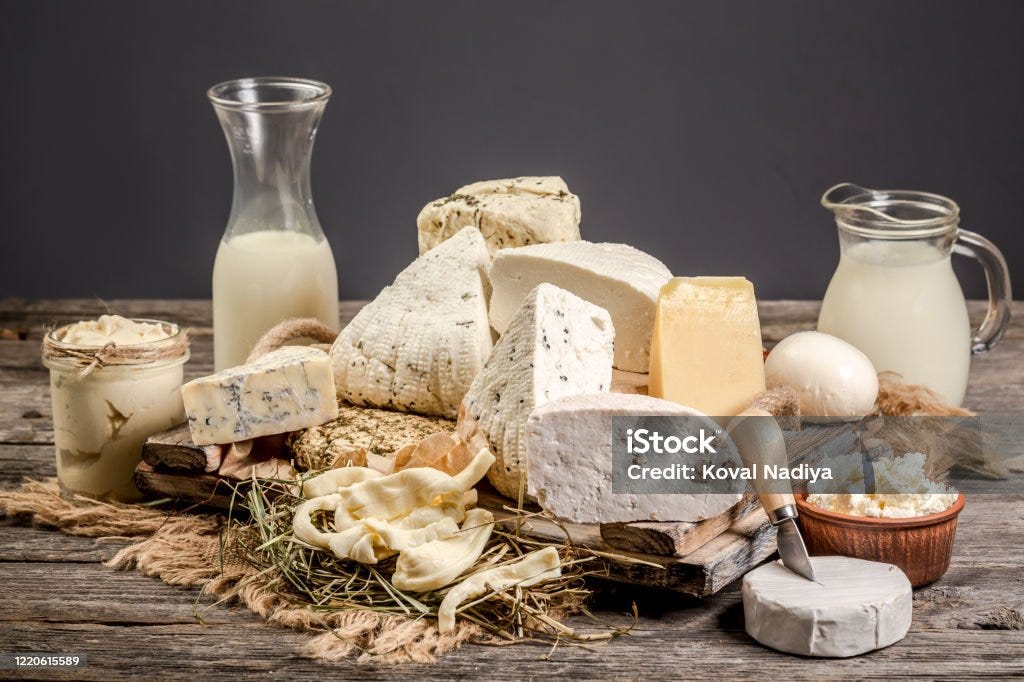
Lactose intolerance is the body’s inability to fully digest lactose, the primary carbohydrate found in dairy products. It is important to distinguish this from a milk allergy; while an allergy is an immune system overreaction to milk proteins, intolerance is a purely metabolic issue rooted in the digestive system’s chemistry.
What is Lactose?
Biochemically, lactose is a disaccharide. This means it consists of two simple sugar molecules bonded together: glucose and galactose. Because the lactose molecule is relatively large, it cannot pass through the intestinal wall and into the bloodstream directly. It must first be "unlocked" and split into its two smaller components.
The Role of the Lactase Enzyme
To break that chemical bond, the body produces a specialized protein called lactase. This enzyme is located in the "brush border" (the microscopic, finger-like projections) of the small intestine.
When you consume dairy, lactase acts as a pair of biochemical scissors. It catalyzes a hydrolysis reaction that breaks the bond between glucose and galactose. Once separated, these simple sugars are easily absorbed into the bloodstream to be used for energy.
What Happens When Lactase Is Missing
In individuals with lactose intolerance, the body produces little to no lactase. When milk enters the system, the lactose molecule remains intact and travels entirely undigested through the small intestine and into the colon (large intestine).

Digestion in a lactose-intolerant person
This is where the biochemistry gets messy. The colon is home to billions of bacteria that normally assist with digestion. These bacteria see the undigested lactose as a massive energy source and begin to ferment it. This fermentation process releases hydrogen, carbon dioxide, and methane gases, while also creating osmotic pressure that draws water into the intestines.
Symptoms of Lactose Intolerance
The byproduct of that bacterial fermentation leads directly to the classic symptoms: Bloating and Gas: The result of rapid gas production by gut bacteria. Diarrhea: Excess water drawn into the colon (osmotic effect) leads to liquid stools. Abdominal Cramping: Caused by the distention of the intestines from gas and fluid.
Why Some Populations Have Lactose Intolerance
Interestingly, "lactose intolerance" is actually the biological default for most mammals. Typically, lactase production drops off after weaning. However, some human populations—specifically those with ancestral roots in Northern Europe, West Africa, and parts of the Middle East—developed a genetic mutation known as lactase persistence. Through thousands of years of dairy farming, it became an evolutionary advantage to be able to digest milk into adulthood. In regions where dairy farming was not historically common, such as East Asia or South America, the majority of the population remains "lactase non-persistent" (lactose intolerant) because there was no evolutionary pressure to maintain the enzyme.
Conclusion
Lactose intolerance is a fascinating example of how our genetics dictate our daily comfort. It is a simple matter of enzyme availability: without lactase, the gut bacteria take over the job, leading to distress. Fortunately, managing it is easier than ever. Between lactase supplements (which provide the missing enzyme in pill form) and the wide array of plant-based milks, the biochemical "lock" of lactose no longer has to keep anyone from a balanced diet.
Sources: Information referenced from NIH articles and peer-reviewed studies indexed in PubMed.
메타데이터
- post_id
- 65ebfee2557a
- slug
- why-some-people-are-lactose-intolerant-the-biochemistry-behind-it-65ebfee2557a
- url
- https://medium.com/@kirtig0081/why-some-people-are-lactose-intolerant-the-biochemistry-behind-it-65ebfee2557a
- canonical_url
- https://medium.com/@kirtig0081/why-some-people-are-lactose-intolerant-the-biochemistry-behind-it-65ebfee2557a
- author_url
- https://medium.com/@kirtig0081
- status
- ok
- fetched_at
- 2026-07-14 17:21:48