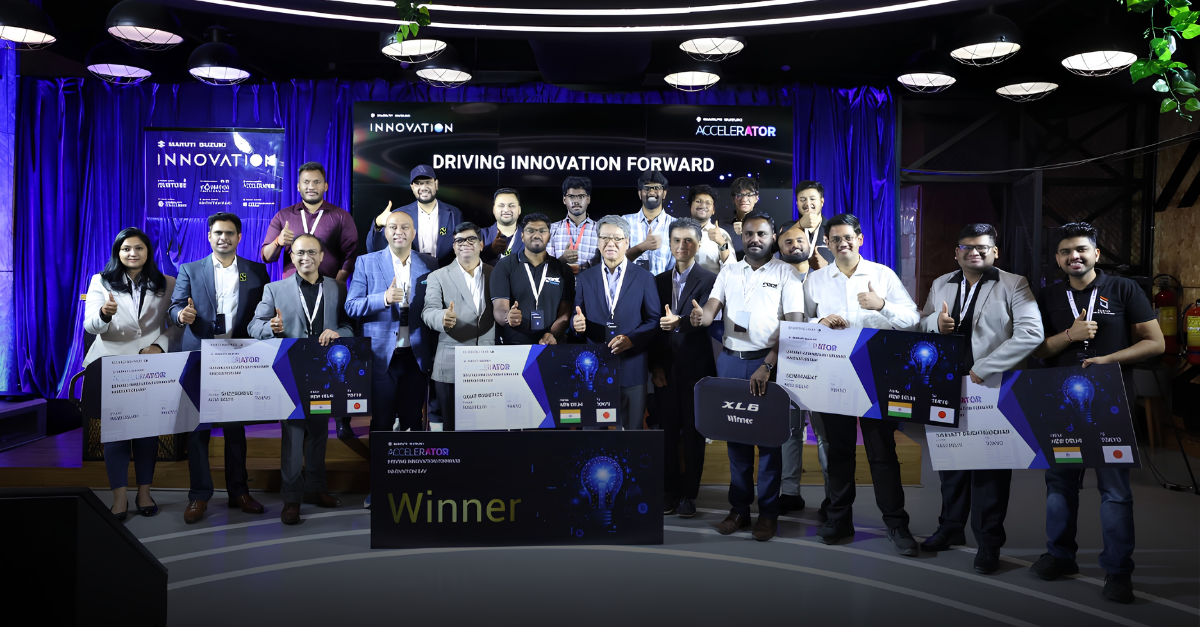
From Idea To Impact: How Goat Robotics Won 1st Place At The Maruti Suzuki Accelerator Program —…
At first glance, the process appeared relatively simple. However, when analyzed at industrial scale, the workflow revealed multiple…
From Idea To Impact: How Goat Robotics Won 1st Place At The Maruti Suzuki Accelerator Program — Cohort 10 — Goat Robotics Private Limited
At first glance, the process appeared relatively simple. However, when analyzed at industrial scale, the workflow revealed multiple operational inefficiencies that directly impacted productivity and process continuity.
The system relied heavily on manual movement across production zones, creating increased dependency on operators for repetitive, non-value-added activities. Delays in trolley availability disrupted workflow synchronization, while movement bottlenecks affected line productivity and manpower utilization. Over time, repetitive physical transportation also introduced operator fatigue and reduced operational scalability during peak production periods.
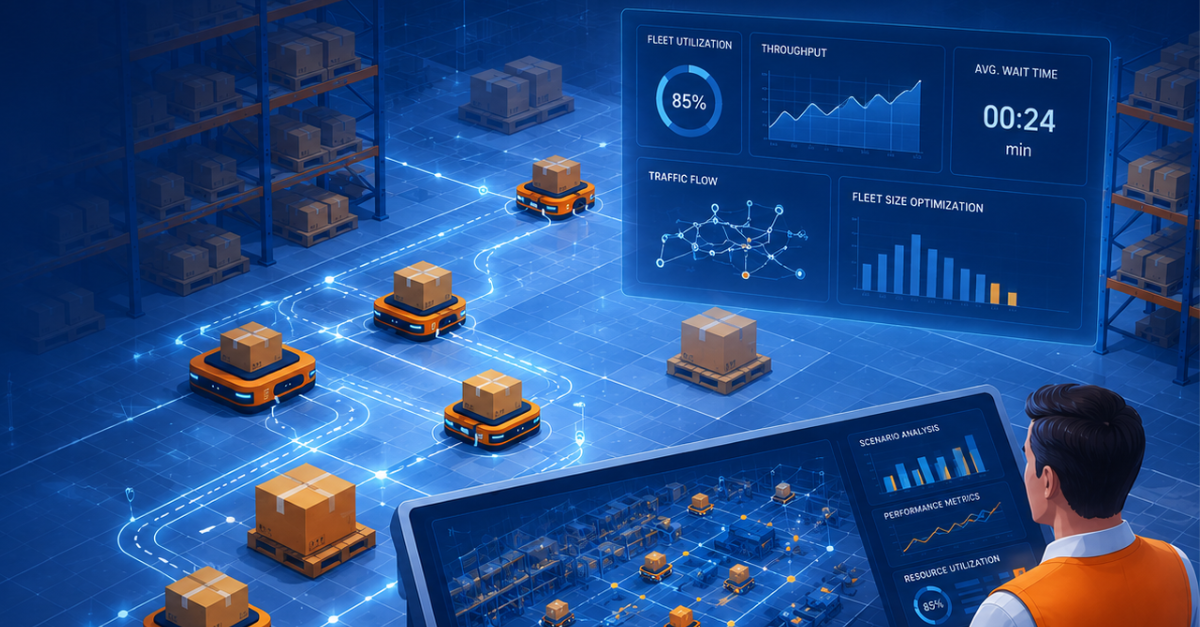
More importantly, the process lacked real-time visibility and intelligent coordination. In high-throughput manufacturing environments, even small inefficiencies in internal material movement can compound into larger operational losses, impacting productivity, process synchronization, and overall manufacturing efficiency.
This challenge became the foundation for our engineering approach toward building an intelligent autonomous material handling solution capable of reducing manual dependency while improving operational flow across the facility.
Engineering the Right AMR Solution
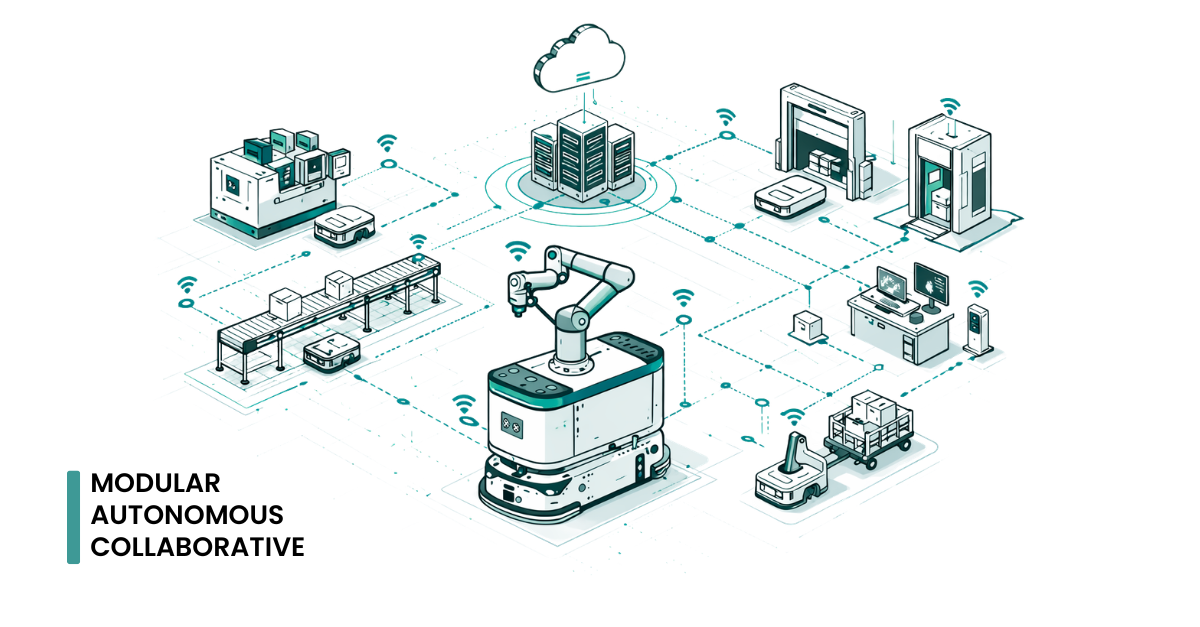
Once the operational problem was clearly understood, the next challenge was selecting the right autonomous mobile robot architecture for the application. The objective was not simply to automate trolley transportation, but to develop a solution that aligned with the facility’s spatial constraints, workflow behavior, and long-term scalability requirements.
At Goat Robotics, we already had multiple AMR platforms designed for different industrial material handling applications, ranging from compact towing systems to high-capacity transport solutions. During the initial stages of evaluation, our engineering approach focused on the GTX Series AMRs, which offered a strong balance between payload capacity, navigation precision, and maneuverability. Early workflow analysis and simulation studies indicated that the GTX platform could effectively automate the trolley transportation process while significantly reducing manual intervention.
However, deeper evaluation within the actual operational environment revealed additional constraints that significantly influenced the final solution design. The workflow involved compact movement spaces and specific trolley height configurations that required a more application-specific robotic architecture. While the GTX Series performed effectively during the initial stages, the dimensional limitations of the environment required a system capable of operating more efficiently within constrained spaces without compromising safety or movement stability.
This evaluation eventually led us toward the GT-XP Series solution.
Originally published at https://goat-robotics.com on May 19, 2026.
메타데이터
- post_id
- 66f38f93ea03
- slug
- from-idea-to-impact-how-goat-robotics-won-1st-place-at-the-maruti-suzuki-accelerator-program-66f38f93ea03
- url
- https://medium.com/@goatrobotics/from-idea-to-impact-how-goat-robotics-won-1st-place-at-the-maruti-suzuki-accelerator-program-66f38f93ea03
- canonical_url
- https://medium.com/@goatrobotics/from-idea-to-impact-how-goat-robotics-won-1st-place-at-the-maruti-suzuki-accelerator-program-66f38f93ea03
- author_url
- https://medium.com/@goatrobotics
- status
- ok
- fetched_at
- 2026-06-09 15:37:30