Tissue Engineering: Building the Future of Health through Tissue Engineering
In recent decades, the world of medicine has witnessed rapid developments in tissue engineering. One branch of science that dominates…
Tissue Engineering: Building the Future of Health through Tissue Engineering
In recent decades, the world of medicine has witnessed rapid developments in **tissue engineering**. One branch of science that dominates attention is tissue engineering or tissue engineering. Tissue engineering is a multidisciplinary approach that combines principles of biology, engineering, and materials science to develop artificial tissues that can be used in regenerative medicine. This concept has great potential to change the paradigm of traditional medicine and provide hope for millions of people with severe illness and injury.
Tissue engineering aims to build functional networks in the laboratory by combining three main components: cells, scaffolds or circuits, and biological signals. First, specific cells are selected and cultured under optimal conditions to ensure proper growth and differentiation. Furthermore, the scaffold acts as a framework or structure that provides physical and mechanical support and guidance for cell growth. Scaffolds can be made of various materials, such as polymers, ceramics, or a combination. Finally, biological signals, such as growth factors or chemical signals, are given to direct cells to form the desired tissue.
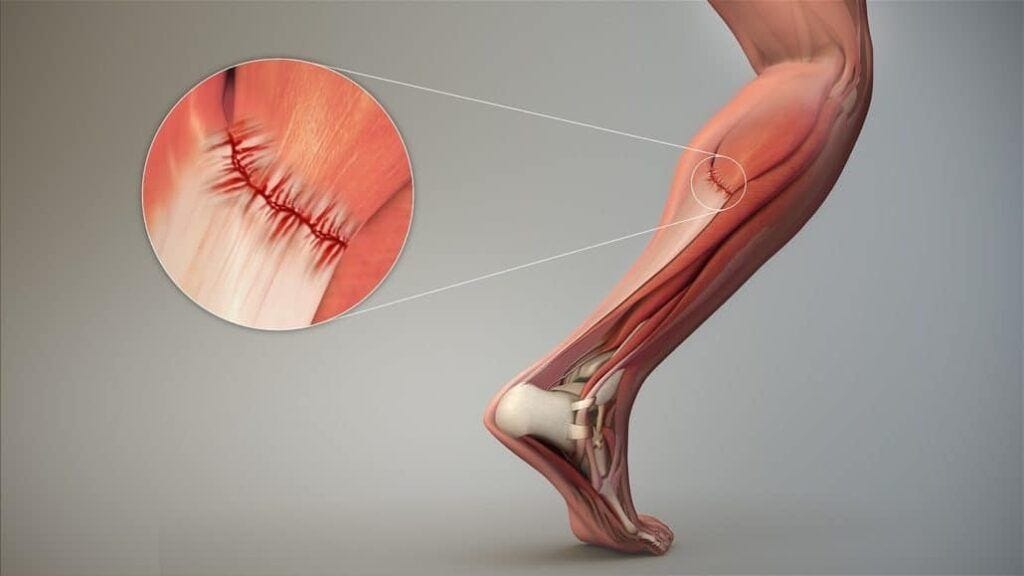
One of the main applications of tissue engineering is tissue regeneration. For example, if a person has damaged muscle or bone tissue, tissue engineering can be used to produce fully functional replacement tissue. In addition, tissue engineering can also be used to build artificial organs. Artificial organs can solve the shortage of organ donors and reduce the risk of rejection by the patient’s body.
Although tissue engineering holds great potential, some challenges still need to be overcome. One of the biggest challenges is creating the right environment for the growth and differentiation of cells. In addition, problems in establishing blood flow and providing adequate nutrition into the artificial tissue are also obstacles. The limitations of current technology in the production of large, complex networks also need to be overcome.
However, despite the challenges, developments in the field of tissue engineering continue. Research is ongoing to further understand the basic principles and apply more sophisticated technologies. Several clinical trials have also been conducted to test the effectiveness of artificial tissue in humans.
if you want to understand more about this concept, check out **engineeringcsp.com**
메타데이터
- post_id
- 673c5a7bdcda
- slug
- tissue-engineering-building-the-future-of-health-through-tissue-engineering-673c5a7bdcda
- url
- https://medium.com/@acyaasd106/tissue-engineering-building-the-future-of-health-through-tissue-engineering-673c5a7bdcda
- canonical_url
- https://medium.com/@acyaasd106/tissue-engineering-building-the-future-of-health-through-tissue-engineering-673c5a7bdcda
- author_url
- https://medium.com/@acyaasd106
- status
- ok
- fetched_at
- 2026-07-26 04:29:58