Demystifying Tokenization: Understanding ERC-3643 and Its Impact on Real World Assets
Introduction
Demystifying Tokenization: Understanding ERC-3643 and Its Impact on Real World Assets
Introduction
The convergence of blockchain technology and traditional finance has ushered in a new era of asset management and investment opportunities. At the forefront of this revolution is the tokenization of real-world assets (RWA) a process that transforms tangible and intangible assets into digital tokens on a blockchain. This innovative approach is reshaping how we perceive, trade, and interact with everything from real estate and precious metals to intellectual property and financial instruments. By bridging the gap between physical assets and the digital realm, RWA tokenization promises to enhance liquidity, increase accessibility, and streamline processes across various industries. As we delve into the diverse applications and implications of this transformative technology, it becomes clear that RWA tokenization is not just a fleeting trend, but a fundamental shift in how we approach asset ownership and management in the 21st century.
Tokenization
Tokenization is revolutionizing the way we represent and transfer ownership of real-world assets on blockchain networks. At its core, tokenization is the process of converting rights to an asset into a digital token on a distributed ledger or blockchain. This digital representation allows for more efficient management, transfer, and trading of assets that were previously illiquid or difficult to subdivide. The concept of tokenization opens up new possibilities for fractional ownership, increased liquidity, and broader access to investment opportunities. By leveraging blockchain technology, tokenized assets can benefit from:
- Increased transparency and auditability of ownership records
- Reduced administrative costs and faster settlement times
- Programmable compliance and automated dividend distributions
- Global accessibility and 24/7 markets
Tokenization has the potential to transform traditional financial markets as well as enable new models of ownership for physical assets like real estate, art, and commodities. As the technology matures, we’re seeing increased interest from both the crypto sector and traditional financial institutions in exploring tokenized real world assets. However, the tokenization of regulated securities and other assets also introduces new challenges around compliance, custody, and integrating with existing financial infrastructure. Standards like ERC-3643 aim to address these challenges by providing frameworks for compliant tokenized securities. In the following sections, we’ll explore the key benefits of tokenization, examine different types of assets being tokenized, and look at some of the technical and regulatory considerations for implementing tokenized assets.
ERC-3643 Protocol
An Overview
ERC-3643, also known as the Token for Regulated Exchanges (T-REX) protocol, is an innovative standard designed to address the challenges of tokenizing real-world assets (RWAs) on the Ethereum blockchain. This protocol provides a comprehensive framework for creating and managing compliant, permissioned tokens that represent ownership of physical assets in the digital realm.
Introduction to the ERC-3643 protocol
ERC-3643 was developed to overcome the limitations of existing token standards like ERC-20 and ERC-721 when it comes to representing regulated assets. It introduces a suite of smart contracts that enable the issuance, management, and transfer of permissioned tokens on public blockchain networks while ensuring regulatory compliance. The protocol achieved “Final” status as an Ethereum Improvement Proposal (EIP) in December 2023, marking it as the first standard tailored for compliant tokenization to earn approval from the Ethereum community. This milestone underscores its significance and broad support within the blockchain ecosystem.
Key features and benefits of ERC-3643
- Compliance Integration: ERC-3643 embeds regulatory compliance directly into the token’s smart contract architecture. This ensures that all transactions and transfers adhere to predefined rules and regulations.
- Identity Verification: The protocol incorporates a decentralized identity management system called ONCHAINID, which links wallet addresses to verified identities. This feature is crucial for meeting KYC/AML requirements.
- Modular Compliance: ERC-3643 allows for flexible and customizable compliance rules that can be updated as regulatory requirements change.
- Interoperability: The standard maintains compatibility with ERC-20, enabling seamless integration with existing Ethereum infrastructure and DeFi protocols.
- Enhanced Security: By leveraging blockchain technology, ERC-3643 provides a transparent and immutable record of ownership and transactions.
- Fractional Ownership: The protocol facilitates the division of high value assets into smaller, more accessible units, democratizing investment opportunities.
- Lifecycle Management: ERC-3643 supports advanced token lifecycle management features, including pausing, freezing, and forced transfers when necessary.
By combining these features, ERC-3643 creates a robust framework for tokenizing real-world assets that addresses the complex requirements of regulated markets while harnessing the benefits of blockchain technology. This standard is poised to play a crucial role in bridging the gap between traditional finance and the emerging world of decentralized asset management.
How ERC-3643 Works
ERC-3643 operates through a comprehensive system of smart contracts and interfaces that work together to ensure compliant tokenization of real-world assets. Here’s a breakdown of its key components:
Explanation of the T-REX protocol and its components
The T-REX (Token for Regulated Exchanges) protocol is the first implementation of the ERC-3643 standard. It consists of several interconnected smart contracts:
- Token Contract: Represents the tokenized asset and manages token transfers.
- Identity Registry: Stores and manages verified investor identities.
- Compliance Contract: Enforces rules and restrictions for token transfers.
- Trusted Issuers Registry: Maintains a list of authorized claim issuers.
- Claim Topics Registry: Defines the types of claims required for token ownership.
Role of ONCHAINID in ensuring compliance and security
ONCHAINID is a crucial component of the ERC-3643 ecosystem, providing a decentralized identity management system.
Purpose:
- Links wallet addresses to verified identities
- Stores and manages claims about token holders
- Enables compliance checks during token transfers
- Ensures privacy by keeping sensitive data off-chain while allowing on-chain verification
The ONCHAINID system allows for granular control over investor eligibility and helps maintain regulatory compliance throughout the token’s lifecycle.
Applications of ERC-3643
ERC-3643 has a wide range of potential applications across various industries:
Use cases in various industries such as real estate, commodities, and securities
- Real Estate: Tokenizing property ownership, enabling fractional investment and increased liquidity in the real estate market.
- Commodities: Representing ownership of physical commodities like gold, oil, or agricultural products, allowing for easier trading and management.
- Securities: Issuing and managing tokenized stocks, bonds, and other financial instruments with built-in compliance features.
- Art and Collectibles: Fractionalizing ownership of high value assets, increasing accessibility to a broader range of investors.
- Intellectual Property: Tokenizing patents, copyrights, and royalties to create new investment opportunities and streamline rights management.
Examples of successful implementations and their impact
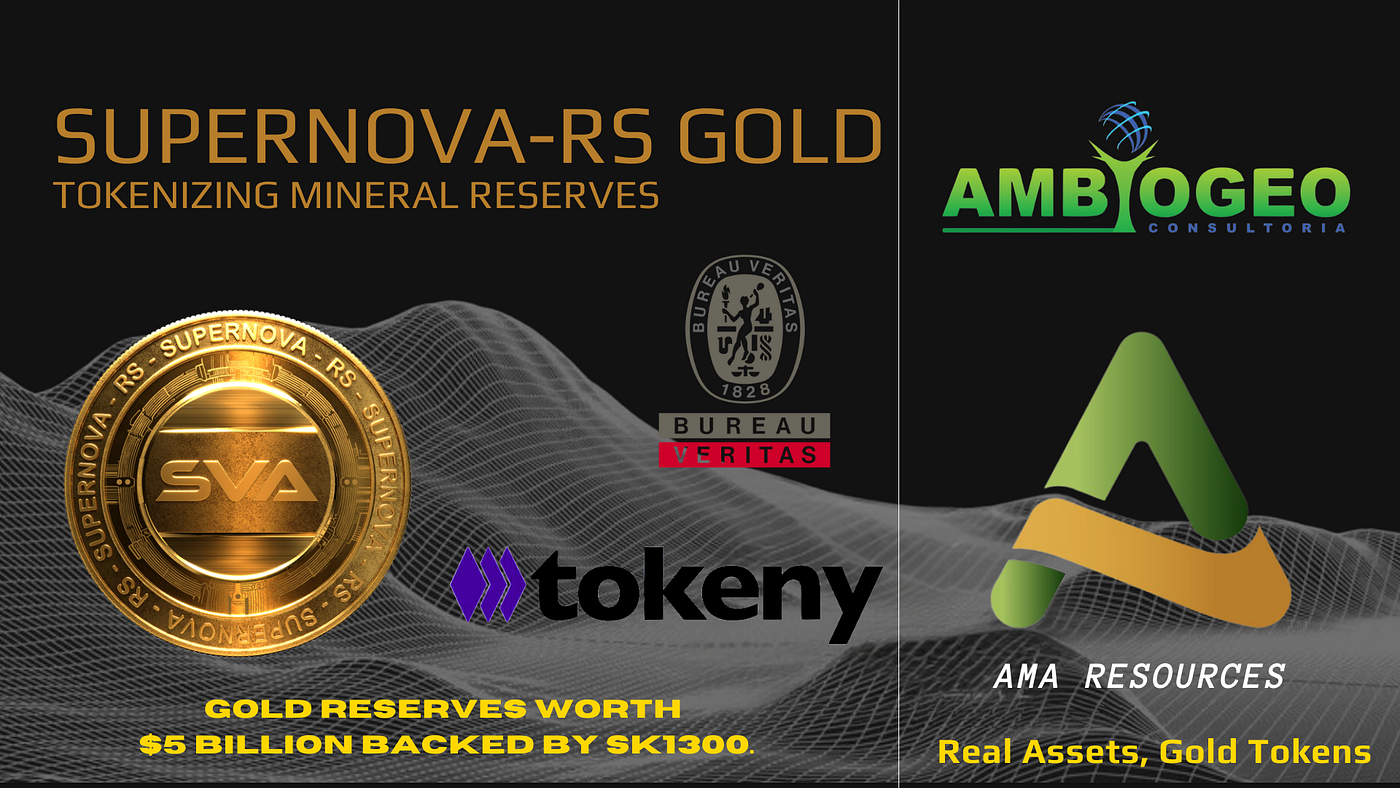
- AMA Resources: Pioneered the tokenization of a $5 billion gold reserve using ERC-3643, setting a new standard for largest scale mineral asset tokenization in the mining industry.
- ABN AMRO Green Bond: The Dutch bank successfully tokenized a green bond on the Polygon blockchain using ERC-3643, securing €5 million in funding for sustainable projects.
- Diamond Standard Fund: Implemented ERC-3643 for tokenizing shares of their diamond-backed fund, enhancing liquidity and accessibility for investors.
- BlocHome: A Luxembourg based real estate tokenization platform using ERC-3643 to fractionate property ownership, reducing compliance costs by 90% and enabling investments from as low as €100.
These implementations demonstrate how ERC-3643 can enhance asset management, increase liquidity, and improve regulatory compliance across various sectors.
References:
https://supernovagoldtoken.com
https://www.linkedin.com/company/ama-resources-inc.
https://supernovagoldtoken.com
https://www.stobox.io/natural-resources
https://www.minespider.com/blog/tokenizing-the-mineral-supply-chain
https://qualitax.gitbook.io/interop/industry-initiatives/erc-3643-permissioned-tokens
https://dockets.justia.com/docket/new-york/nysdce/1:2023cv10640/611568
https://www.qualitax.io/erc3643
Originally published at https://www.linkedin.com.
메타데이터
- post_id
- 673ef7bace6e
- slug
- demystifying-tokenization-understanding-erc-3643-and-its-impact-on-real-world-assets-673ef7bace6e
- url
- https://medium.com/@theamaresources/demystifying-tokenization-understanding-erc-3643-and-its-impact-on-real-world-assets-673ef7bace6e
- canonical_url
- https://medium.com/@theamaresources/demystifying-tokenization-understanding-erc-3643-and-its-impact-on-real-world-assets-673ef7bace6e
- author_url
- https://medium.com/@theamaresources
- status
- ok
- fetched_at
- 2026-07-23 01:32:44