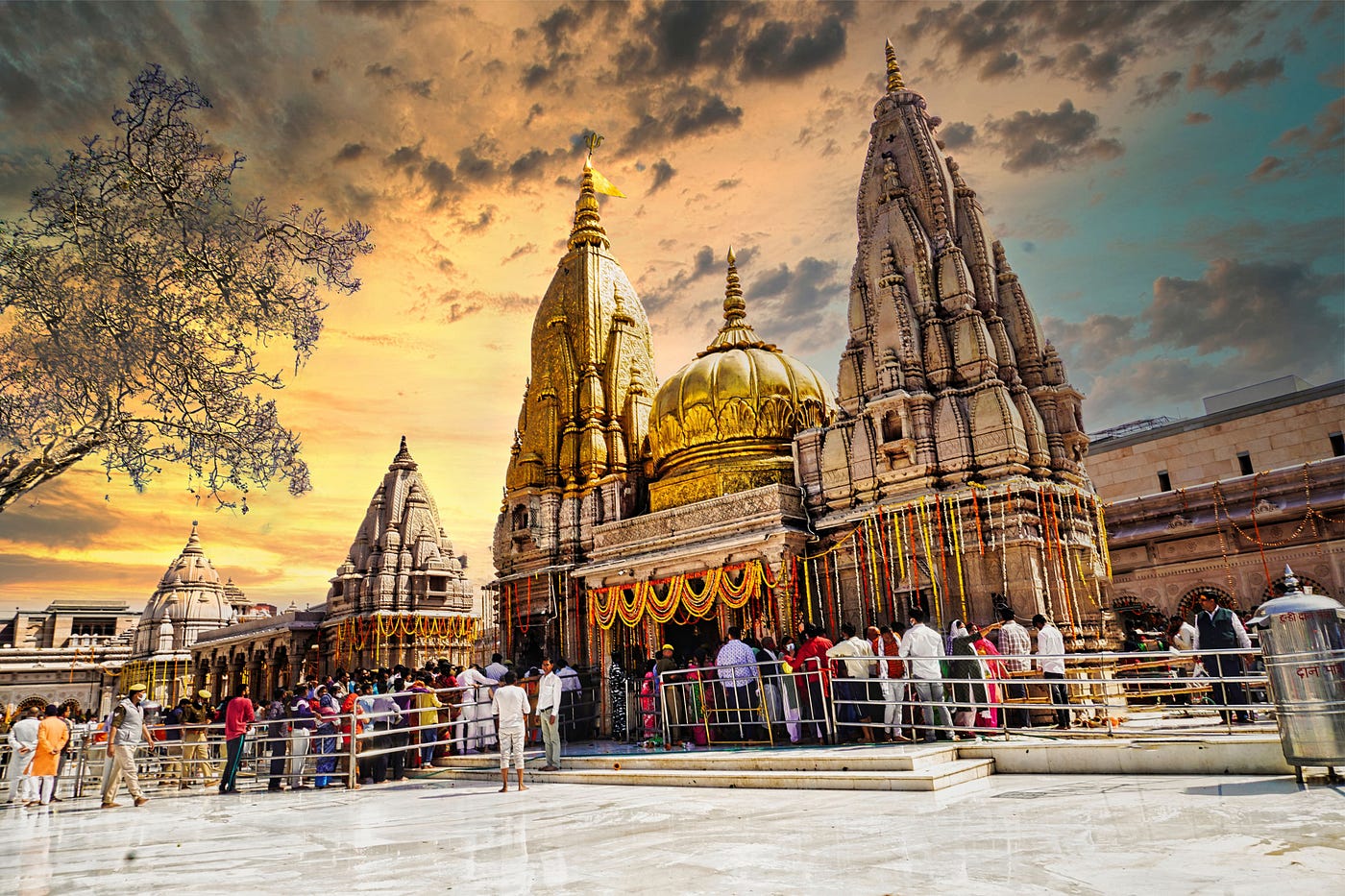
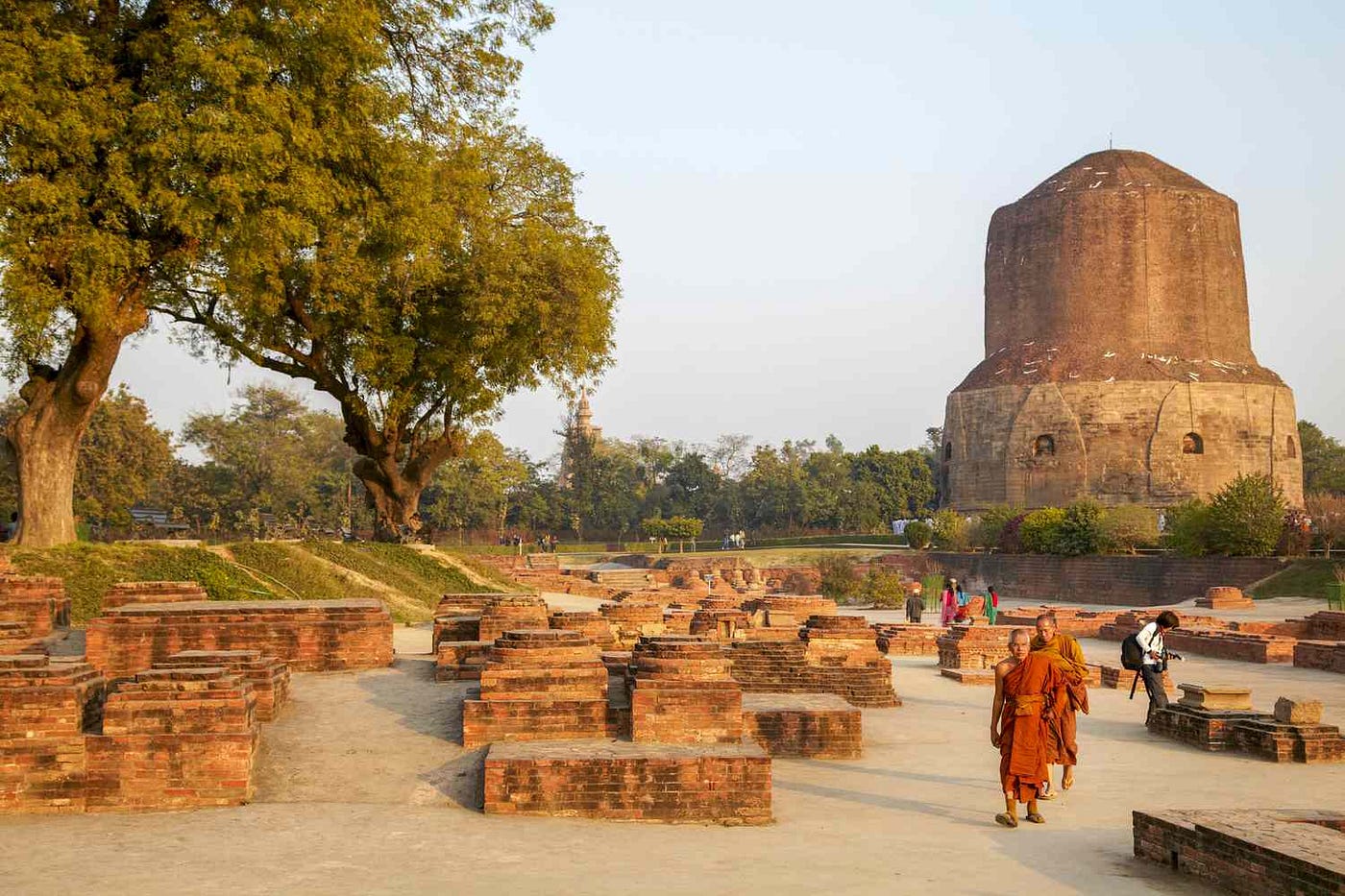
Panch Kedar Pilgrimage Route 2026: Complete Yatra Guide, Trek Routes, Distance & Travel Tips
The Panch Kedar Pilgrimage Route is one of the most sacred and challenging Shiva pilgrimages in the Indian Himalayas. Unlike a typical…
Panch Kedar Pilgrimage Route 2026: Complete Yatra Guide, Trek Routes, Distance & Travel Tips
The Panch Kedar Pilgrimage Route is one of the most sacred and challenging Shiva pilgrimages in the Indian Himalayas. Unlike a typical temple visit, this journey takes devotees through remote valleys, alpine meadows, dense forests, and high-altitude mountain trails across Uttarakhand.
The pilgrimage covers five ancient temples dedicated to Lord Shiva — Kedarnath, Madhyamaheshwar, Tungnath, Rudranath, and Kalpeshwar. Together, these shrines form the Panch Kedar circuit, a journey that combines devotion, adventure, and Himalayan spirituality.
If you are planning the Panch Kedar Yatra in 2026, understanding the route, trekking distances, travel duration, accommodation options, weather conditions, and registration requirements is essential. Many pilgrims complete only Kedarnath, but those who undertake all five temples often describe it as one of the most rewarding spiritual experiences in Uttarakhand.

Quick Answer
The traditional Panch Kedar Pilgrimage Route follows this order:
- Kedarnath
- Madhyamaheshwar
- Tungnath
- Rudranath
- Kalpeshwar
Most pilgrims require 10 to 14 days to complete the entire circuit. Depending on the route chosen, the total trekking distance generally ranges between 75 km and 110 km. The best time to undertake the pilgrimage is from May to June and September to October when weather conditions are most favorable.
What is Panch Kedar?
Panch Kedar refers to five sacred temples of Lord Shiva located in the Garhwal Himalayas of Uttarakhand. According to Hindu tradition, after the Mahabharata war, the Pandavas sought Lord Shiva’s blessings to atone for their sins. Shiva avoided them and took the form of a bull.
When Bhima recognized him, Shiva disappeared into the earth. Different parts of his divine form emerged at five locations across the Himalayas. These places later became the Panch Kedar temples.
Each temple is associated with a specific manifestation of Lord Shiva.
At Kedarnath, the hump is worshipped.
At Madhyamaheshwar, devotees worship the navel and stomach region.
At Tungnath, the arms are worshipped.
At Rudranath, the face is worshipped.
At Kalpeshwar, the matted hair or jata is worshipped.
This unique mythology makes the Panch Kedar circuit one of the most important Shiva pilgrimages in India.
Why is the Panch Kedar Yatra So Special?
What most people don’t realize is that Panch Kedar is not a single destination. It is a complete spiritual circuit spread across multiple valleys of Uttarakhand.
Unlike Char Dham, where most temples are connected by roads, Panch Kedar requires significant trekking. The journey takes pilgrims through traditional Garhwali villages, bugyals (high-altitude meadows), glaciers, rivers, and remote Himalayan landscapes.
From practical experience, pilgrims often say that the physical effort involved in reaching these temples creates a deeper spiritual connection than a standard pilgrimage.
The journey is not only about reaching a temple. It is about experiencing the mountains, local culture, and centuries-old traditions that still survive in these remote regions.
Traditional Panch Kedar Pilgrimage Route
The Panch Kedar route follows a specific sequence that has been observed for generations.
Kedarnath — First Temple of Panch Kedar
Kedarnath is the most famous temple in the Panch Kedar circuit and one of the twelve Jyotirlingas of Lord Shiva.
The temple is located at an altitude of approximately 3,583 meters above sea level.
Pilgrims travel by road to Gaurikund and then undertake a trek of approximately 16 kilometers to reach the shrine.
Most Panch Kedar journeys begin here.
During peak season, helicopter services are also available from locations such as Phata, Guptkashi, and Sersi for pilgrims who are unable to trek.
Madhyamaheshwar — Second Temple of Panch Kedar
After Kedarnath, pilgrims proceed towards Ukhimath and Ransi village.
The trek from Ransi to Madhyamaheshwar is approximately 16 to 18 kilometers.
Located at an altitude of around 3,497 meters, the temple sits amidst lush green meadows and snow-capped Himalayan peaks.
Many pilgrims consider this section of the Panch Kedar Yatra to be one of the most peaceful because it receives fewer visitors than Kedarnath.
Tungnath — Third Temple of Panch Kedar
Tungnath is famous for being the highest Shiva temple in the world.
Situated at approximately 3,680 meters above sea level, the temple can be reached through a relatively short trek from Chopta.
The trek distance is around 3.5 to 4 kilometers.
Because of its accessibility and stunning mountain views, Tungnath attracts both pilgrims and trekkers.
The route also offers an optional trek to Chandrashila Summit, one of the most popular viewpoints in Uttarakhand.
Rudranath — Fourth Temple of Panch Kedar
Rudranath is often considered the most challenging temple in the Panch Kedar circuit.
The temple is situated at an altitude of approximately 3,600 meters.
Pilgrims usually begin the trek from Sagar Village near Gopeshwar.
The trekking distance varies depending on the route but is generally around 18 to 20 kilometers one way.
On the ground, many experienced trekkers describe Rudranath as the most beautiful temple of the Panch Kedar Yatra because of its vast alpine meadows, forests, and remote Himalayan setting.
Kalpeshwar — Fifth Temple of Panch Kedar
Kalpeshwar is the final temple in the Panch Kedar sequence.
Located in the beautiful Urgam Valley at approximately 2,200 meters altitude, it is also the easiest temple to reach.
Pilgrims travel to Helang on the Badrinath Highway and then proceed towards Urgam Valley.
A short walk leads to the temple.
Unlike the other four temples, Kalpeshwar remains open throughout the year, making it unique within the Panch Kedar circuit.
Panch Kedar Route Overview from Haridwar
Most pilgrims begin the journey from Haridwar or Rishikesh.
The usual route is:
Haridwar → Rishikesh → Devprayag → Srinagar → Rudraprayag → Guptkashi → Gaurikund → Kedarnath
After Kedarnath, the route continues through Ukhimath and Ransi for Madhyamaheshwar.
Pilgrims then travel to Chopta for Tungnath.
The journey proceeds towards Gopeshwar and Sagar Village for Rudranath.
Finally, travelers reach Helang and Urgam Valley for Kalpeshwar before returning via Joshimath and Rishikesh.
Best Time to Visit Panch Kedar in 2026
The best time for Panch Kedar Yatra is from May to June and from September to October.
During May and June, temperatures are pleasant and trekking conditions remain favorable.
July and August bring heavy monsoon rainfall to Uttarakhand. Landslides, road blockages, and slippery trails are common during this period.
September and October are considered excellent months because skies remain clear and mountain views are often at their best.
Winter brings heavy snowfall, and most Panch Kedar temples close for seasonal migration of the deities.
How Many Days Are Required for Panch Kedar Yatra?
A comfortable Panch Kedar pilgrimage usually requires between 10 and 14 days.
Pilgrims attempting the circuit at a relaxed pace often spend additional time at Kedarnath, Chopta, or Urgam Valley.
Those combining Panch Kedar with Char Dham Yatra may require a longer travel schedule.
Keeping one or two buffer days for weather-related delays is always recommended.
Physical Fitness Requirements
One mistake many people make is assuming that Panch Kedar is similar to visiting a regular temple.
The pilgrimage involves multiple treks at high altitude.
Pilgrims should ideally be able to walk 8 to 12 kilometers comfortably before beginning the journey.
Cardio exercises, walking, stair climbing, and light trekking practice can significantly improve the experience.
Senior citizens can complete parts of the pilgrimage successfully, but they should consult their doctor before traveling.
Accommodation During Panch Kedar Yatra
Accommodation options vary significantly across the route.
At major towns such as Guptkashi, Ukhimath, Chopta, Gopeshwar, and Joshimath, travelers can find hotels, guest houses, and GMVN properties.
Near trekking routes, basic lodges, village homestays, and seasonal camps are commonly available.
During peak season, accommodation near Kedarnath and Chopta fills quickly.
Booking in advance is strongly recommended for May and June.
Estimated Budget for Panch Kedar Yatra
The total cost depends on travel style.
Budget travelers generally spend between ₹20,000 and ₹30,000 per person.
Mid-range travelers usually spend between ₹35,000 and ₹55,000.
Those choosing premium accommodations, private vehicles, and helicopter services for Kedarnath can spend considerably more.
Transportation, accommodation, meals, porter services, and emergency expenses should all be considered while planning the budget.
Essential Packing List
Carry lightweight and practical gear.
Important items include:
- Warm jackets
- Thermal wear
- Waterproof clothing
- Trekking shoes
- Walking stick
- Torch
- Power bank
- Basic medicines
- Water bottle
- Identity proof
- Rain cover
- Personal snacks
Weather conditions in the Himalayas can change rapidly even during summer.
Common Mistakes to Avoid
Starting the pilgrimage without fitness preparation.
Ignoring weather forecasts.
Booking accommodation at the last minute.
Carrying unnecessary luggage.
Not keeping a buffer day for delays.
Beginning treks late in the afternoon.
Depending entirely on mobile network connectivity in remote areas.
These mistakes can make the journey significantly more difficult.
Pro Tips for Panch Kedar Yatra
Start trekking early in the morning.
Stay hydrated throughout the journey.
Keep some cash because digital payments may not work everywhere.
Choose layered clothing instead of heavy jackets.
Respect local customs and temple traditions.
Avoid rushing through the pilgrimage.
Many experienced travelers believe that spending an extra day in locations such as Chopta or Madhyamaheshwar enhances the overall experience.
Latest Travel Updates for 2026
Pilgrims planning the Panch Kedar Yatra in 2026 should verify registration requirements, road conditions, weather alerts, and temple opening schedules through official Uttarakhand Government and tourism portals before departure.
Road improvement projects continue across several pilgrimage routes in Uttarakhand, but mountain travel remains weather dependent.
Advance planning remains the safest approach.
Why Choose a Guided Panch Kedar Tour?
Families, senior citizens, and first-time Himalayan travelers often benefit from guided tours.
A professional tour operator can assist with:
Transport arrangements.
Hotel bookings.
Route planning.
Local support.
Emergency assistance.
Permits and registrations where applicable.
This reduces logistical challenges and allows pilgrims to focus on the spiritual aspect of the journey.
Frequently Asked Questions
Is Panch Kedar different from Char Dham?
Yes. Panch Kedar consists of five Shiva temples, while Char Dham includes Yamunotri, Gangotri, Kedarnath, and Badrinath.
Which Panch Kedar temple is the hardest to reach?
Rudranath is generally considered the most difficult due to its long and demanding trek.
Can beginners complete Panch Kedar Yatra?
Yes. With reasonable fitness and proper planning, beginners can complete the pilgrimage successfully.
Is registration required for Panch Kedar Yatra?
Registration requirements can change. Pilgrims should check official Uttarakhand Government portals before traveling.
Which Panch Kedar temple remains open all year?
Kalpeshwar remains accessible throughout the year.
What is the best month for Panch Kedar?
May, June, September, and October are generally considered the best months.
Can senior citizens undertake Panch Kedar Yatra?
Yes, but medical fitness and proper planning are essential.
Are ATMs available on the route?
ATMs are available in larger towns, but cash should be carried for remote locations.
Is mobile network available?
Networks work in towns but may be unreliable on trekking routes.
How difficult is Panch Kedar compared to Kedarnath?
Panch Kedar is significantly more demanding because it includes multiple high-altitude treks rather than a single temple visit.
Conclusion
The Panch Kedar Pilgrimage Route is far more than a temple circuit. It is a journey through the spiritual heart of the Garhwal Himalayas, connecting five sacred manifestations of Lord Shiva across some of Uttarakhand’s most breathtaking landscapes.
For pilgrims seeking a deeper Himalayan pilgrimage beyond Kedarnath alone, Panch Kedar offers an unforgettable blend of devotion, trekking, culture, and natural beauty. Proper preparation, physical fitness, advance bookings, and choosing the right season can transform this challenging journey into one of the most rewarding spiritual experiences of a lifetime.
메타데이터
- post_id
- 67d6798251e9
- slug
- panch-kedar-pilgrimage-route-2026-complete-yatra-guide-trek-routes-distance-travel-tips-67d6798251e9
- url
- https://medium.com/@pilgrimagetour.in/panch-kedar-pilgrimage-route-2026-complete-yatra-guide-trek-routes-distance-travel-tips-67d6798251e9
- canonical_url
- https://medium.com/@pilgrimagetour.in/panch-kedar-pilgrimage-route-2026-complete-yatra-guide-trek-routes-distance-travel-tips-67d6798251e9
- author_url
- https://medium.com/@pilgrimagetour.in
- status
- ok
- fetched_at
- 2026-08-25 20:31:57