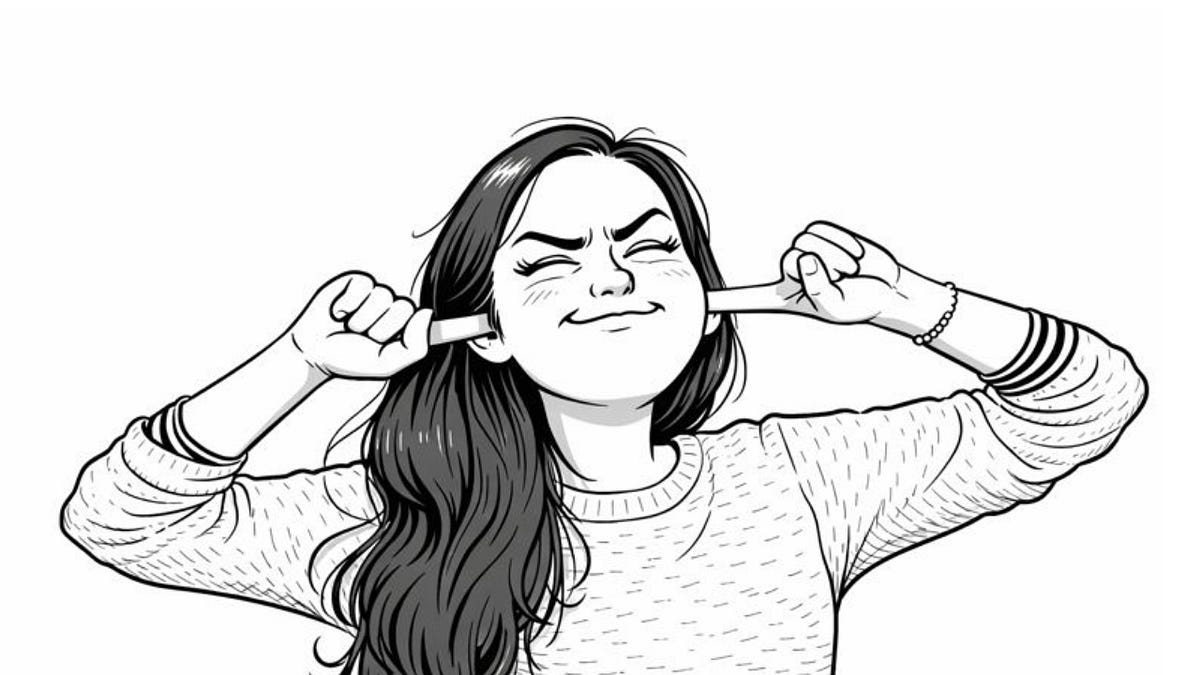
Addressing Unwanted Physical Advances During First Kisses in Public Settings
Addressing Unwanted Physical Advances During First Kisses in Public Settings
Analytical Examination of Unwanted Physical Advances During First Kisses in Public Settings
Mechanisms Driving Non-Consensual Behavior
The normalization of unwanted physical advances, such as breast-grabbing during a first kiss, is rooted in a complex interplay of societal, psychological, and cultural factors. Below, we dissect the mechanisms that perpetuate this behavior, highlighting their causal relationships and broader implications.
- Social and Cultural Norms Influencing Behavior
- Impact: Societal expectations normalize certain physical behaviors during intimate moments, often framing them as acceptable or expected.
- Internal Process: Individuals internalize cultural norms, often subconsciously, which guide their actions in public settings. This internalization is reinforced by peer behavior, media, and historical precedents.
- Observable Effect: Men may perceive breast-grabbing as a socially sanctioned action during a first kiss, disregarding the need for explicit consent. This perception is a direct consequence of normalized cultural narratives.
- Analytical Insight: The internalization of such norms creates a disconnect between societal expectations and individual boundaries, fostering an environment where violations are tacitly permitted.
- Individual Interpretation of Consent and Boundaries
- Impact: Misinterpretation of non-verbal cues or the absence of explicit communication leads to boundary violations, as partners operate under differing assumptions.
- Internal Process: Partners’ thresholds for comfort and consent are shaped by personal experiences, cultural background, and individual beliefs. These thresholds are often unspoken, leading to misalignment.
- Observable Effect: Women may experience discomfort or violation, while men may genuinely believe their actions are consensual due to misinterpreted signals or assumed norms.
- Analytical Insight: The lack of a universal framework for consent exacerbates this misalignment, making boundary violations more likely in ambiguous settings like public spaces.
- Media Portrayal of Romantic Behavior
- Impact: Media representations shape expectations and normalize specific physical interactions, often oversimplifying the complexities of consent.
- Internal Process: Viewers internalize media depictions, which influence their perceptions of appropriate behavior. This internalization is particularly potent in the absence of counter-narratives.
- Observable Effect: A 28-year-old woman’s experience highlights the discrepancy between media portrayals and real-life dynamics, where consent is often nuanced and context-dependent.
- Analytical Insight: Media’s role in shaping norms cannot be overstated; its failure to accurately represent consent contributes to systemic misunderstandings in intimate interactions.
- Physiological Responses to Attraction
- Impact: Physical attraction triggers impulsive behaviors, often bypassing rational judgment and empathy.
- Internal Process: Neurochemical responses to attraction, such as the release of dopamine, lead to heightened arousal and reduced inhibition. This physiological state prioritizes immediate gratification over consideration of boundaries.
- Observable Effect: Men may act on impulse, grabbing breasts without assessing the woman’s comfort or seeking explicit consent.
- Analytical Insight: While physiological responses are natural, their unchecked expression in social contexts underscores the need for better education on impulse control and consent.
- Communication Dynamics Between Partners
- Impact: The absence of clear communication about boundaries fosters misunderstandings, as partners rely on assumed norms rather than explicit agreements.
- Internal Process: Individuals may project their own comfort levels onto their partners, assuming consent based on contextual cues such as body language or prior interactions.
- Observable Effect: Women may feel their boundaries are ignored, while men may remain unaware of the discomfort they cause, perpetuating a cycle of miscommunication.
- Analytical Insight: The reliance on assumed consent is a critical failure point in intimate interactions, highlighting the necessity of explicit communication to prevent boundary violations.
Constraints Amplifying System Instability
Several constraints exacerbate the instability of this system, creating an environment where non-consensual behavior thrives. These constraints interact to reinforce problematic norms and behaviors.
- Legal and Ethical Boundaries of Consent
- Constraint: Consent must be explicit and ongoing, regardless of setting. However, public spaces often lack clear frameworks for enforcing these standards.
- Instability: The ambiguity of public settings allows violations to occur without immediate consequences, undermining legal and ethical norms.
- Analytical Insight: The gap between legal standards and real-world enforcement creates a permissive environment for boundary violations, necessitating systemic interventions.
- Cultural Expectations in Early Relationships
- Constraint: Societal norms dictate appropriate physical contact during initial interactions, but these norms vary widely across cultures and individuals.
- Instability: The misalignment between partners’ expectations leads to misunderstandings, as one party’s norm may be another’s violation.
- Analytical Insight: The lack of a shared cultural framework for early relationship interactions perpetuates confusion and increases the likelihood of non-consensual behavior.
- Individual Comfort Levels and Personal Space
- Constraint: Personal boundaries differ significantly among individuals, yet there is often a lack of awareness or respect for these differences.
- Instability: This disregard for individual boundaries results in frequent violations, as partners fail to adjust their behavior to accommodate each other’s comfort levels.
- Analytical Insight: The normalization of boundary violations reflects a broader societal failure to prioritize empathy and respect in intimate interactions.
- Media Influence on Societal Norms
- Constraint: Media portrayals often oversimplify or misrepresent consent and boundaries, failing to reflect the complexity of real-life interactions.
- Instability: This misrepresentation leads to confusion and inappropriate behavior, as individuals attempt to emulate media narratives in their personal lives.
- Analytical Insight: Media’s role in shaping societal norms demands greater accountability in accurately depicting consent and boundaries.
- Gender Dynamics and Power Imbalances
- Constraint: Heterosexual interactions are often influenced by power dynamics, where men may exert dominance and women may feel powerless to object.
- Instability: These imbalances lead to boundary violations, as men disregard women’s boundaries and women feel unable to assert their discomfort.
- Analytical Insight: Addressing power imbalances is critical to dismantling the systemic issues that enable non-consensual behavior in dating culture.
Typical Failures and Their Mechanisms
The persistence of unwanted physical advances is marked by recurring failures, each rooted in specific mechanisms that perpetuate problematic behavior.
- Misalignment of Expectations and Boundaries
- Failure: Partners have differing understandings of appropriate behavior, leading to boundary violations.
- Mechanism: The lack of communication and reliance on assumed norms create a mismatch between expectations and actions.
- Analytical Insight: This failure underscores the need for explicit conversations about boundaries, particularly in the early stages of relationships.
- Normalization of Inappropriate Behavior
- Failure: Aggressive or objectifying actions are perceived as normal, reinforcing a culture of disregard for consent.
- Mechanism: Societal and media influences normalize these behaviors, framing them as acceptable or even expected.
- Analytical Insight: The normalization of inappropriate behavior is a systemic issue that requires cultural shifts and educational interventions.
- Objectification Based on Physical Attributes
- Failure: Women with certain physical features are disproportionately targeted for boundary violations.
- Mechanism: Objectifying attitudes and impulsive behaviors driven by physical attraction prioritize desire over consent.
- Analytical Insight: Objectification dehumanizes individuals, creating an environment where boundaries are systematically ignored.
- Impulsive Actions Without Consideration
- Failure: Men act on physical impulses without assessing the woman’s comfort, leading to boundary violations.
- Mechanism: Physiological responses override rational judgment and empathy, prioritizing immediate gratification.
- Analytical Insight: The failure to control impulses highlights the need for education on emotional intelligence and consent.
System Instability and Its Consequences
The system’s instability is driven by multiple factors, each contributing to an environment where non-consensual behavior is normalized. If left unaddressed, these factors will perpetuate a culture of boundary violations, with significant consequences for individuals and society.
- Ambiguity in public settings regarding acceptable physical contact creates opportunities for violations without accountability.
- Discrepancy between media portrayals and real-life consent dynamics fosters confusion and inappropriate behavior.
- Lack of clear communication and mutual respect in intimate interactions leads to recurring misunderstandings and violations.
- Objectifying attitudes and impulsive behaviors driven by physical attraction prioritize desire over consent, dehumanizing individuals.
- Power imbalances in heterosexual interactions enable boundary violations, perpetuating a cycle of dominance and disempowerment.
Intermediate Conclusion: The normalization of unwanted physical advances during first kisses is a symptom of broader systemic issues in dating culture. These issues are rooted in societal norms, media influences, physiological responses, and power dynamics, all of which interact to create an environment where boundaries are routinely disregarded.
Final Analytical Insight: Addressing this issue requires a multifaceted approach, including cultural shifts, media accountability, education on consent, and interventions to address power imbalances. Failure to act will perpetuate a culture where women’s boundaries are systematically ignored, leading to increased discomfort, potential trauma, and a breakdown of trust in dating interactions. The stakes are high, and the need for change is urgent.
Technical Reconstruction of Mechanisms Driving Unwanted Physical Advances During First Kisses in Public Settings
The normalization of non-consensual physical advances, particularly during intimate moments like a first kiss, reflects a systemic failure in dating culture. Through the lens of a 28-year-old woman’s experiences, this analysis dissects the mechanisms, constraints, and instability points that perpetuate boundary violations. If unaddressed, these dynamics foster a culture where women’s discomfort is dismissed, potentially leading to trauma and eroded trust in interpersonal interactions.
Mechanisms
- Social and Cultural Norms:
- Impact: Societal expectations normalize aggressive physical behaviors during intimate moments, framing them as acceptable.
- Internal Process: Individuals subconsciously internalize these norms, reinforced by peer behavior, media, and historical precedents.
- Observable Effect: Men perceive actions like breast-grabbing as socially sanctioned, often disregarding the need for explicit consent. This disconnect stems from a culture that prioritizes male entitlement over female autonomy.
- Individual Interpretation of Consent:
- Impact: Differing thresholds for comfort and consent create misalignment between partners, leading to unintended violations.
- Internal Process: Partners rely on unspoken assumptions and misinterpret non-verbal cues, often projecting their own comfort levels onto others.
- Observable Effect: Women experience discomfort, while men mistakenly believe their actions are consensual. This mismatch highlights the absence of clear communication frameworks.
- Media Portrayal of Behavior:
- Impact: Media oversimplifies consent, shaping expectations and normalizing specific physical interactions without addressing real-life complexities.
- Internal Process: Viewers internalize these depictions, lacking counter-narratives that challenge harmful stereotypes.
- Observable Effect: Real-life consent dynamics are misunderstood, leading to inappropriate behavior. Media’s role in perpetuating these norms cannot be overstated.
- Physiological Responses:
- Impact: Physical attraction triggers neurochemical responses (e.g., dopamine release), reducing inhibition and impairing judgment.
- Internal Process: Heightened arousal bypasses rational thought and empathy, prioritizing immediate desire over ethical considerations.
- Observable Effect: Men act impulsively without assessing consent, further entrenching patterns of boundary violations.
- Communication Dynamics:
- Impact: The absence of clear communication about boundaries fosters misunderstandings and unmet expectations.
- Internal Process: Partners project their own comfort levels onto others, relying on assumed norms rather than explicit dialogue.
- Observable Effect: Women feel their boundaries are ignored, while men remain unaware of the discomfort they cause. This breakdown in communication perpetuates systemic issues.
Constraints Amplifying System Instability
- Legal and Ethical Ambiguity:
- Constraint: Public spaces lack clear frameworks for enforcing explicit, ongoing consent, creating a vacuum of accountability.
- Effect: Violations occur without consequences, undermining norms and emboldening inappropriate behavior.
- Cultural Misalignment:
- Constraint: Varying norms across cultures and individuals lead to mismatched expectations, exacerbating misunderstandings.
- Effect: One party’s perceived norm becomes another’s violation, highlighting the need for cross-cultural dialogue.
- Disregard for Personal Boundaries:
- Constraint: Lack of awareness or respect for individual comfort levels perpetuates a culture of entitlement.
- Effect: Frequent violations occur due to unadjusted behavior, normalizing disrespect in dating interactions.
- Media Misrepresentation:
- Constraint: Media oversimplifies consent, failing to reflect its real-life complexity and nuances.
- Effect: Confusion and inappropriate behavior arise from emulating media narratives, reinforcing harmful patterns.
- Gender Power Imbalances:
- Constraint: Heterosexual interactions often involve dominance by men and disempowerment of women, skewing power dynamics.
- Effect: Boundary violations persist as women’s discomfort is disregarded, perpetuating systemic inequality.
System Instability Points
- Ambiguity in Public Settings: The lack of clear consent frameworks in public spaces enables unaccountable violations, fostering an environment of impunity.
- Media-Reality Discrepancy: Media portrayals fail to reflect the real-life complexities of consent, leading to misguided expectations and behaviors.
- Communication Failures: Reliance on assumed norms rather than explicit dialogue results in recurring misunderstandings and boundary violations.
- Objectification and Impulsivity: Physical attraction and objectifying attitudes prioritize desire over consent, undermining ethical interactions.
- Power Imbalances: Dominance and disempowerment perpetuate boundary violations, reinforcing gender inequality in dating culture.
Physics/Mechanics of Processes
The system operates through a feedback loop where social norms and media influences shape individual expectations, which interact with physiological responses and communication failures to produce observable behaviors. Instability arises when constraints — such as legal ambiguity, cultural misalignment, and power imbalances — prevent the system from self-correcting. This leads to repeated boundary violations, normalizing disrespect and perpetuating harm. Addressing these mechanisms and constraints is critical to dismantling the culture of non-consensual behavior and fostering healthier interpersonal dynamics.
Mechanisms Driving Unwanted Physical Advances: A Deep Dive into Boundary Violations
The normalization of non-consensual physical advances, particularly in public settings, is a pervasive issue rooted in interconnected mechanisms that shape behavior and expectations. For a 28-year-old woman navigating dating culture, experiences like having her breasts grabbed during a first kiss without consent are not isolated incidents but symptoms of a broader systemic problem. Below, we dissect the mechanisms driving these behaviors, their instability points, and the consequences of leaving them unaddressed.
Interconnected Mechanisms Fueling Boundary Violations
The system operates through a network of mechanisms, each contributing to observable behaviors. These mechanisms are not siloed but interact dynamically, creating a culture where boundary violations are normalized.
- Social and Cultural Norms:
- Impact: Societal expectations normalize aggressive physical behaviors during intimate moments, framing them as acceptable or even expected.
- Internal Process: Individuals internalize these norms through peer behavior, media representations, and historical precedents, often without critical examination.
- Observable Effect: Men may perceive actions like breast-grabbing as socially sanctioned, disregarding the necessity of explicit consent. This disconnect perpetuates a cycle where women’s discomfort is minimized or ignored.
- Intermediate Conclusion: Social and cultural norms act as a foundation for misaligned expectations, creating an environment where boundary violations are tacitly endorsed.
- Individual Interpretation of Consent:
- Impact: Differing comfort thresholds between partners create a misalignment in understanding what constitutes consensual behavior.
- Internal Process: Partners often rely on unspoken assumptions and misinterpret non-verbal cues, leading to unintended violations.
- Observable Effect: Women experience discomfort or distress, while men may mistakenly believe their actions are welcomed or consensual.
- Intermediate Conclusion: The absence of clear communication and shared understanding of consent exacerbates misunderstandings, leaving women’s boundaries vulnerable.
- Media Portrayal of Behavior:
- Impact: Media oversimplifies consent dynamics, often portraying intimate interactions in ways that normalize specific behaviors without addressing complexities.
- Internal Process: Viewers internalize these depictions, which frequently lack counter-narratives or nuanced discussions about consent.
- Observable Effect: Real-life consent dynamics are misunderstood, leading to inappropriate behavior that mimics media narratives.
- Intermediate Conclusion: Media misrepresentation shapes expectations and reinforces harmful patterns, contributing to a culture of boundary violations.
- Physiological Responses:
- Impact: Physical attraction triggers neurochemical responses (e.g., dopamine release), which can reduce inhibition and impair judgment.
- Internal Process: Heightened arousal bypasses rational decision-making and empathy, prioritizing immediate gratification over consent considerations.
- Observable Effect: Men may act impulsively, disregarding the need to assess or obtain consent, leading to boundary violations.
- Intermediate Conclusion: Physiological responses, when unchecked, amplify the likelihood of non-consensual behavior, further entrenching harmful patterns.
- Communication Dynamics:
- Impact: The absence of clear boundary communication fosters misunderstandings and assumptions about comfort levels.
- Internal Process: Partners project their own comfort levels onto others, relying on assumed norms rather than explicit dialogue.
- Observable Effect: Women feel their boundaries are ignored, while men remain unaware of the discomfort they cause.
- Intermediate Conclusion: Communication failures create a fertile ground for boundary violations, perpetuating a cycle of disrespect and mistrust.
System Instability Points: Constraints Preventing Self-Correction
The system’s inability to self-correct stems from constraints that normalize disrespect and perpetuate harm. These instability points reinforce the mechanisms driving boundary violations, creating a self-sustaining cycle.
- Legal and Ethical Ambiguity:
- Constraint: Public spaces often lack clear consent frameworks, leaving violations unaddressed or undefined.
- Effect: Non-consensual behaviors occur without consequences, normalizing disrespect and disempowering victims.
- Causal Link: Ambiguity in legal and ethical standards enables the perpetuation of boundary violations, as there is no systemic accountability.
- Cultural Misalignment:
- Constraint: Varying cultural norms lead to mismatched expectations about acceptable behavior.
- Effect: One party’s norm becomes another’s violation, creating friction and misunderstanding.
- Causal Link: Cultural misalignment exacerbates communication gaps, making it harder to establish mutual respect for boundaries.
- Disregard for Personal Boundaries:
- Constraint: Lack of awareness or respect for individual comfort levels persists in social interactions.
- Effect: Frequent violations occur due to unadjusted behavior, normalizing disrespect.
- Causal Link: Disregard for boundaries reinforces a culture where women’s autonomy is secondary to men’s impulses.
- Media Misrepresentation:
- Constraint: Oversimplified consent portrayals in media confuse audiences and reinforce harmful patterns.
- Effect: Inappropriate behavior is emulated from media narratives, perpetuating boundary violations.
- Causal Link: Media misrepresentation shapes societal norms, making it harder to challenge or change harmful behaviors.
- Gender Power Imbalances:
- Constraint: Male dominance and female disempowerment skew interpersonal dynamics, particularly in dating contexts.
- Effect: Boundary violations persist as women’s discomfort is disregarded or dismissed.
- Causal Link: Power imbalances create an environment where men feel entitled to act without consequence, while women feel powerless to assert their boundaries.
The Physics/Mechanics of the System: Feedback Loops and Consequences
The system operates through a feedback loop where social norms, media portrayals, physiological responses, and communication failures interact to produce behaviors. Instability arises when constraints prevent self-correction, normalizing disrespect and perpetuating harm.
- Feedback Loop:
- Social norms and media shape individual expectations, which interact with physiological responses and communication failures to produce non-consensual behaviors. These behaviors, in turn, reinforce the norms and expectations, creating a self-perpetuating cycle.
- Instability:
- Constraints such as legal ambiguity, cultural misalignment, and power imbalances prevent the system from self-correcting. Unchecked physiological responses and communication failures amplify instability, leading to recurring boundary violations.
Final Analytical Pressure: If this behavior remains unaddressed, it perpetuates a culture where women’s boundaries are systematically disregarded. The consequences are profound: increased discomfort, potential trauma, and a pervasive lack of trust in dating interactions. Addressing these mechanisms and instability points is not just a matter of individual responsibility but a societal imperative to foster respect, consent, and equality.
메타데이터
- post_id
- 67ef73bf62b0
- slug
- addressing-unwanted-physical-advances-during-first-kisses-in-public-settings-67ef73bf62b0
- url
- https://medium.com/@techabvcom/addressing-unwanted-physical-advances-during-first-kisses-in-public-settings-67ef73bf62b0
- canonical_url
- https://medium.com/@techabvcom/addressing-unwanted-physical-advances-during-first-kisses-in-public-settings-67ef73bf62b0
- author_url
- https://medium.com/@techabvcom
- status
- ok
- fetched_at
- 2026-06-29 02:33:43