Eating Disorders in Male Athletes: Risk Factors, Mental Health, and Prevention
Eating disorders (EDs) are among the most common mental health conditions affecting elite athletes, yet they often go undiagnosed in men…
Eating Disorders in Male Athletes: Risk Factors, Mental Health, and Prevention
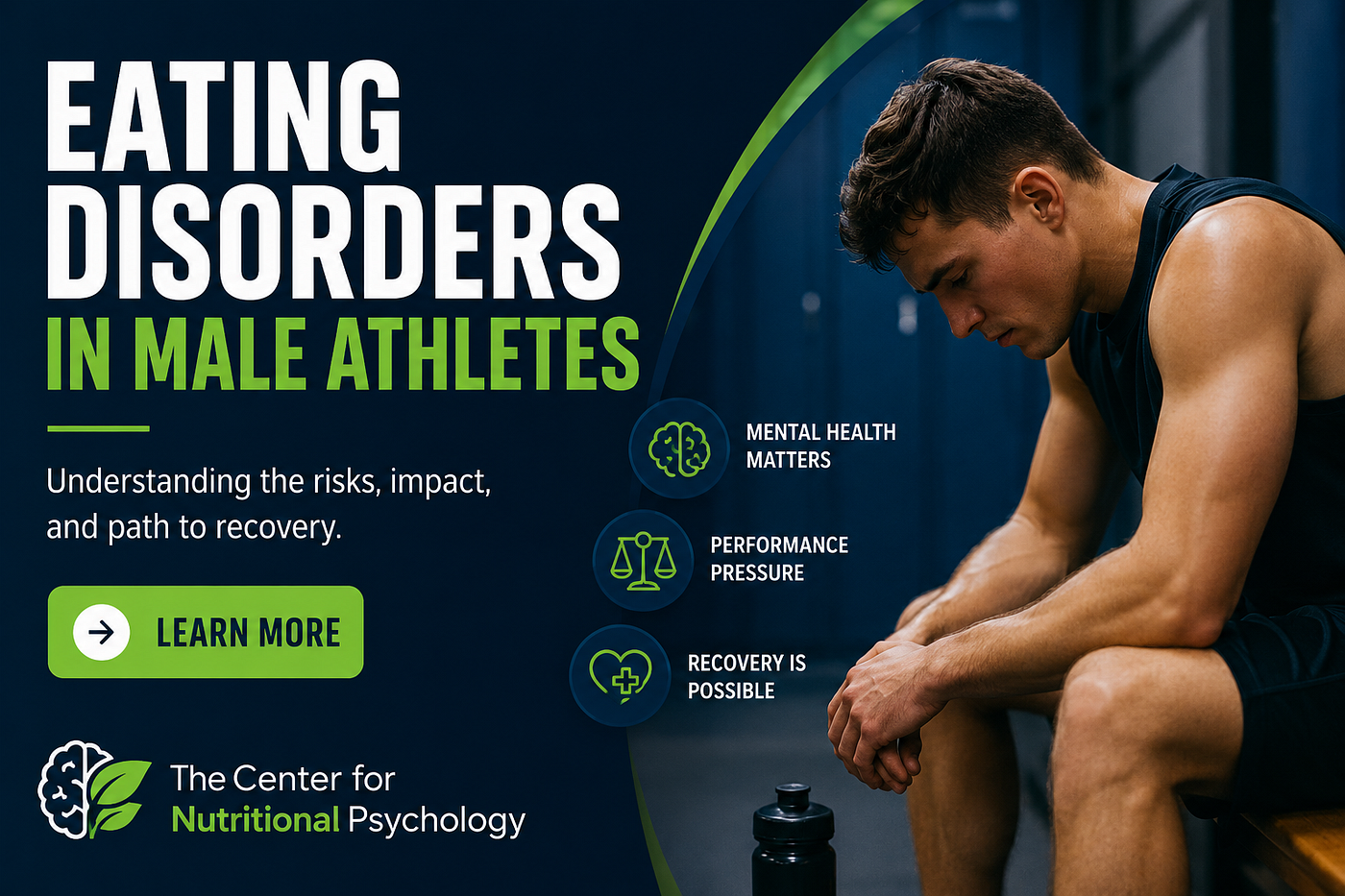
Eating Disorders in Male Athletes
Eating disorders (EDs) are among the most common mental health conditions affecting elite athletes, yet they often go undiagnosed in men. Because eating disorders are frequently viewed as a “female issue,” many male athletes delay seeking help, increasing the risk of serious physical and psychological complications.
Why Male Athletes Are at Risk
Research shows that about 20% of male athletes engage in risk behaviors for eating disorders (RBED) to improve their body composition and athletic performance. These behaviors include prolonged fasting, self-induced vomiting, using appetite suppressants or diuretics, and intentionally dehydrating before competitions.
Studies also report that 84% to 91% of elite male athletes believe losing weight can improve sports performance, making restrictive eating practices more common in competitive environments.
Weight-Sensitive Sports Increase the Risk
Athletes competing in weight-sensitive sports, such as wrestling, boxing, rowing, and martial arts, face a much higher risk of developing eating disorders and disordered eating behaviors. The pressure to stay within a specific weight class often encourages unhealthy dieting habits.
One study found that up to 50% of male athletes in weight-sensitive sports experience disordered eating behaviors. Because these practices are often accepted as part of the sport, warning signs may go unnoticed by coaches, teammates, and healthcare professionals.
Psychological Factors Behind Eating Disorders
Mental health plays a significant role in the development of eating disorders among male athletes. Research has identified several important psychological risk factors, including:
- Competitive anxiety
- Low self-esteem
- Depression
- Fear of negative evaluation
Athletes experiencing high levels of stress before or during competitions are more likely to engage in unhealthy eating behaviors as a way to cope with performance pressure.
Health Consequences of Eating Disorders
Eating disorders affect far more than athletic performance. Male athletes with eating disorders may experience:
- Reduced testosterone levels
- Lower bone mineral density
- Increased stress and depression
- Poor recovery and reduced performance
Eating disorders also have the highest mortality rate of any mental health disorder, with men facing an even higher fatality rate than women. Research further shows that one in five individuals with anorexia nervosa dies by suicide, highlighting the importance of early intervention.
Why Eating Disorders Are Difficult to Detect
Diagnosing eating disorders in athletes can be challenging because many traditional screening tools are not designed for athletic populations.
For example:
- Strict dieting may be viewed as normal within competitive sports.
- Body Mass Index (BMI) may not accurately reflect health because athletes typically have higher muscle mass.
- Many male athletes underreport symptoms due to stigma and cultural expectations about masculinity.
These factors make early diagnosis more difficult and increase the need for athlete-specific screening methods.
Prevention and Treatment Strategies
Researchers suggest that developing healthy coping skills can reduce the relationship between competitive anxiety and disordered eating behaviors. Sport psychology techniques that teach emotional regulation and stress management may help athletes respond more effectively to competitive pressure while improving both performance and mental well-being.
However, coping strategies alone are not enough. Early recognition, professional treatment, and athlete-specific assessment tools remain essential for preventing long-term health consequences.
Key Takeaway
Eating disorders in male athletes are more common than many people realize, particularly in weight-sensitive sports. Performance pressure, competitive anxiety, and social stigma all contribute to the problem, while current screening methods often fail to identify those at risk. Increasing awareness among coaches, parents, trainers, and healthcare professionals can help ensure that male athletes receive timely support, protecting both their mental health and athletic careers.
Read full research article here : https://www.nutritional-psychology.org/eating-disorders-in-athletes/.
메타데이터
- post_id
- 682f97f714d9
- slug
- eating-disorders-in-male-athletes-risk-factors-mental-health-and-prevention-682f97f714d9
- url
- https://medium.com/@aasmakausar786/eating-disorders-in-male-athletes-risk-factors-mental-health-and-prevention-682f97f714d9
- canonical_url
- https://medium.com/@aasmakausar786/eating-disorders-in-male-athletes-risk-factors-mental-health-and-prevention-682f97f714d9
- author_url
- https://medium.com/@aasmakausar786
- status
- ok
- fetched_at
- 2026-07-08 01:19:27