Kindergarten Digital Game Based Learning
Incorporating digital games into daily classroom activities has the potential to engage students while providing independent practice. It…
Kindergarten Digital Game Based Learning
Incorporating digital games into daily classroom activities has the potential to engage students while providing independent practice. It is an opportunity to cultivate problem solving skills, class culture, and generate interest from reluctant learners. However, not all games are created equally. In today’s post, I will review two platforms I have used in my virtual kindergarten classroom. Each application will be ranked based on student participation, ease of teacher facilitation, and limitations.
One of my students’ favorite systems that is regularly requested during online sessions is Blooket!
[embed]
Students use a link and individual class code to join. Once logged in, learners are transported to a virtual world from a cafe or racetrack to the ocean, each providing tasks for students to complete to earn rewards! Having a variety of settings and prizes optimizes learner participation and breaks up dull class discussions. Teachers can easily incorporate Blooket as an exit ticket through a few simple clicks. Depending on membership level, educators can select from previously created question sets or generate a bank specific to their students’ learning goals. This customization feature is a huge asset to facilitators in ensuring students are safe online and provide tasks that are developmentally appropriate. Limitations of Blooket include question variety. Only the specific questions in the set are presented, forcing players to often repeat the same task.
Another virtual site to engage students is 99math.
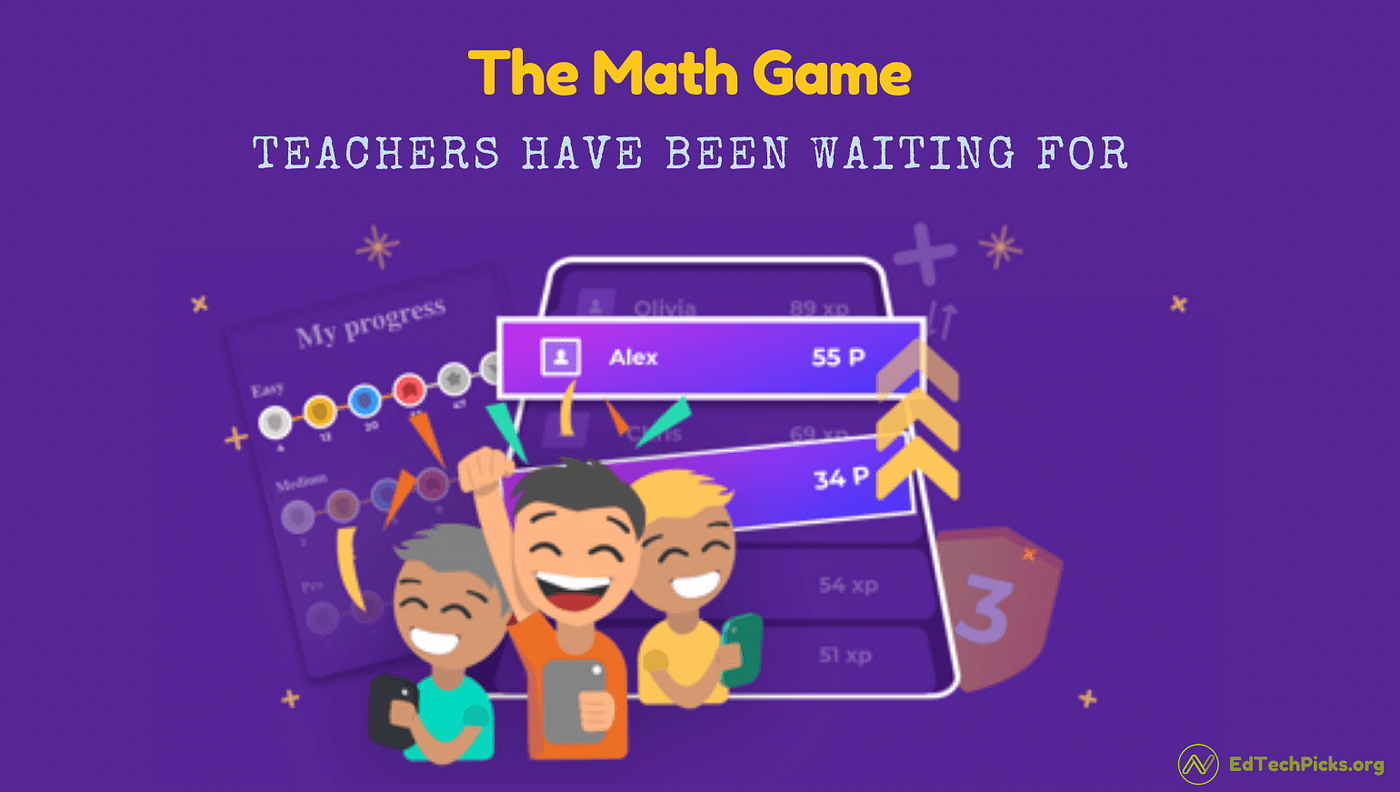
Participants compete against a class timer to solve equations in three rounds. Each round learners are presented with a leaderboard, overall number of problems solved collaboratively, and a percentage of concept mastery. Students are highly motivated by these updates to race against their peers to move up the leaderboard as well as accomplish overall class goals of answering a given number of problems during the allotted time. Teachers present participants with a link and class code to join after pre-selecting a topic for review. Topics are organized by grade level and academic standards, making this task efficient and effective in supporting instruction. During play facilitators have the option to display real time mistakes of learners. A great opportunity to reflect on student performance and correct any misconceptions they may have in real time. While 99math is a wonderful resource for memorization of math facts, it is limited in fostering higher order thinking and repetitive by nature. This can result in students disengaging with the program often skewing class accuracy reports.
메타데이터
- post_id
- 687656125b95
- slug
- kindergarten-digital-game-based-learning-687656125b95
- url
- https://medium.com/@e_h234/kindergarten-digital-game-based-learning-687656125b95
- canonical_url
- https://medium.com/@e_h234/kindergarten-digital-game-based-learning-687656125b95
- author_url
- https://medium.com/@e_h234
- status
- ok
- fetched_at
- 2026-07-24 08:52:30




