Why Most Fashion Brands Lose Sales Before a Customer Even Clicks “Add to Cart”
Online, customers don’t evaluate products the way they do in a store. They don’t touch materials, inspect construction, or see items from…
Why Most Fashion Brands Lose Sales Before a Customer Even Clicks “Add to Cart”
Online, customers don’t evaluate products the way they do in a store. They don’t touch materials, inspect construction, or see items from every angle in real life. What they base their decision on instead is a visual stand-in — the product image.

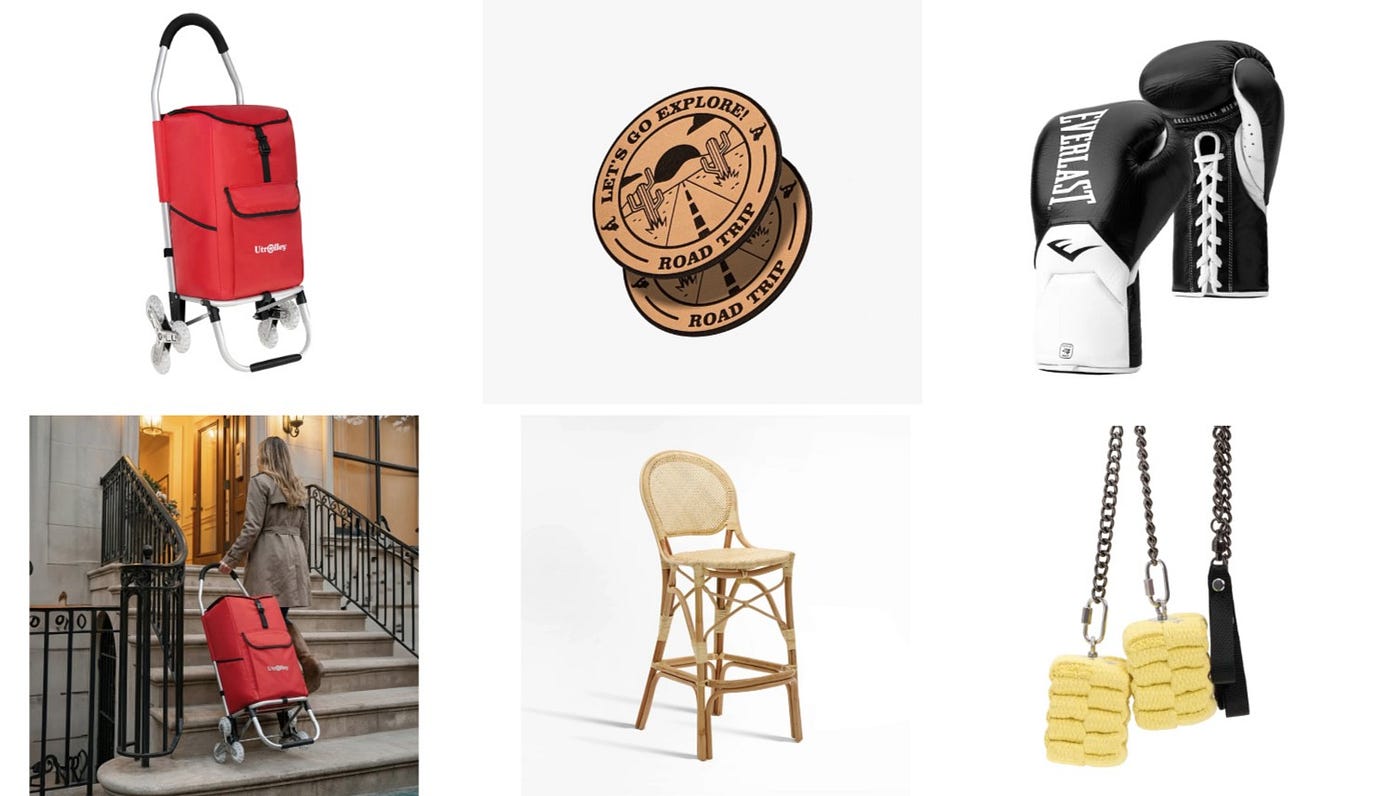
prodcut photography USA
That image carries enormous weight. It shapes expectations, influences trust, and often determines whether a shopper continues or leaves. The same product can generate very different results depending on how clearly and consistently it’s shown. In many cases, low performance has less to do with the product itself and more to do with how it’s visually communicated.
This disconnect between product quality and visual presentation is one of the most persistent challenges in e-commerce.
Visual Information Comes First
Before shoppers consider price, read descriptions, or check reviews, their brain reacts to what it sees. Within seconds, they form an opinion about whether the product feels understandable and credible.
If images feel confusing, inconsistent, or slightly off, shoppers rarely pause to diagnose the problem. They simply hesitate, scroll past, or exit. Visual uncertainty introduces friction — and friction interrupts buying momentum.
This is why identical products can perform very differently online. Demand doesn’t always change; presentation does.
Clear Images Lower Perceived Risk
Strong product photography isn’t about exaggeration or styling tricks. It’s about clarity.
When images accurately show color, material, proportions, and key details, customers feel oriented. They know what they’re buying before checkout, which lowers hesitation and increases confidence.
When images fail to do this — when colors are inaccurate, details are hidden, or styling misrepresents the product — expectations shift. Returns increase not because the product is flawed, but because the visual set the wrong expectation.
Consistency Signals Reliability
A single compelling image can capture attention, but consistency across a full catalog is what builds trust.
When lighting, framing, and visual standards vary from product to product, the brand can feel unstructured. When visuals follow a consistent system, the brand feels reliable — even if shoppers can’t consciously articulate why.
For this reason, experienced e-commerce brands stop treating photography as isolated shoots and begin treating it as part of their conversion infrastructure.
Turning Product Photography Into a System
As catalogs grow, many brands discover that maintaining image quality, consistency, and speed becomes increasingly difficult. Managing dozens or hundreds of products requires more than good visuals — it requires a repeatable process.
This is where Shootify, a **professional product photography studio**, fits naturally into the workflow. Built specifically for e-commerce brands and online sellers, Shootify supports a more structured and modern approach to producing high-quality product imagery without the friction that often appears at scale.
What distinguishes this model is the all-in-one structure. By combining photography expertise, modern studio techniques, advanced production technology, and AI-supported workflows, visual standards can be maintained across entire catalogs. Quality is no longer recreated from scratch with each shoot — it’s preserved through repeatable systems.
Designed around e-commerce needs, the process is intentionally streamlined. Flat lay photography, ghost mannequin, and on-model photography are handled within a single production environment, using standardized methods that reduce back-and-forth and simplify quality control as collections expand.
For brands managing ongoing image production, this approach turns product photography into a scalable, dependable process, rather than a fragmented task spread across multiple vendors.
Final Thought
In e-commerce, customers don’t buy what they can’t clearly understand — and understanding begins with the image.
When product photography is accurate, consistent, and systemized, it does more than look good. It supports better decisions, fewer returns, and smoother growth long before anyone clicks “Add to Cart.”
메타데이터
- post_id
- 688bb0c15a0d
- slug
- why-most-fashion-brands-lose-sales-before-a-customer-even-clicks-add-to-cart-688bb0c15a0d
- url
- https://medium.com/@anna.g_49613/why-most-fashion-brands-lose-sales-before-a-customer-even-clicks-add-to-cart-688bb0c15a0d
- canonical_url
- https://medium.com/@anna.g_49613/why-most-fashion-brands-lose-sales-before-a-customer-even-clicks-add-to-cart-688bb0c15a0d
- author_url
- https://medium.com/@anna.g_49613
- status
- ok
- fetched_at
- 2026-06-28 04:42:08