Inside ADVIDS’s ComfyUI architecture: how we chain AI models together to produce a single, seamless…
If you’ve ever wondered what happens between the moment ADVIDS receives a client brief and the moment a finished video lands in their…

Inside ADVIDS’s ComfyUI architecture
Inside ADVIDS’s ComfyUI architecture: how we chain AI models together to produce a single, seamless client deliverable
If you’ve ever wondered what happens between the moment ADVIDS receives a client brief and the moment a finished video lands in their inbox, the honest answer is: quite a lot, involving quite a few different AI models, and a workflow that ties all of them together in a way that would look like a moderately complicated circuit diagram to the uninitiated. Welcome to the ADVIDS ComfyUI architecture, a behind-the-scenes look at how we chain AI models together to produce integrated, coherent client deliverables.
The need for workflow architecture in AI-assisted production comes from a basic problem: the AI models that are best at different things are not the same models. The model that produces the best image generation is not the same model that produces the best upscaling. The model that excels at style transfer is different from the model that excels at consistency enforcement. The model that generates the best concept sketches is different from the model that produces the best final renders. If you want to use the best tools for each step, you need a way to connect them that maintains quality and consistency across the handoffs.
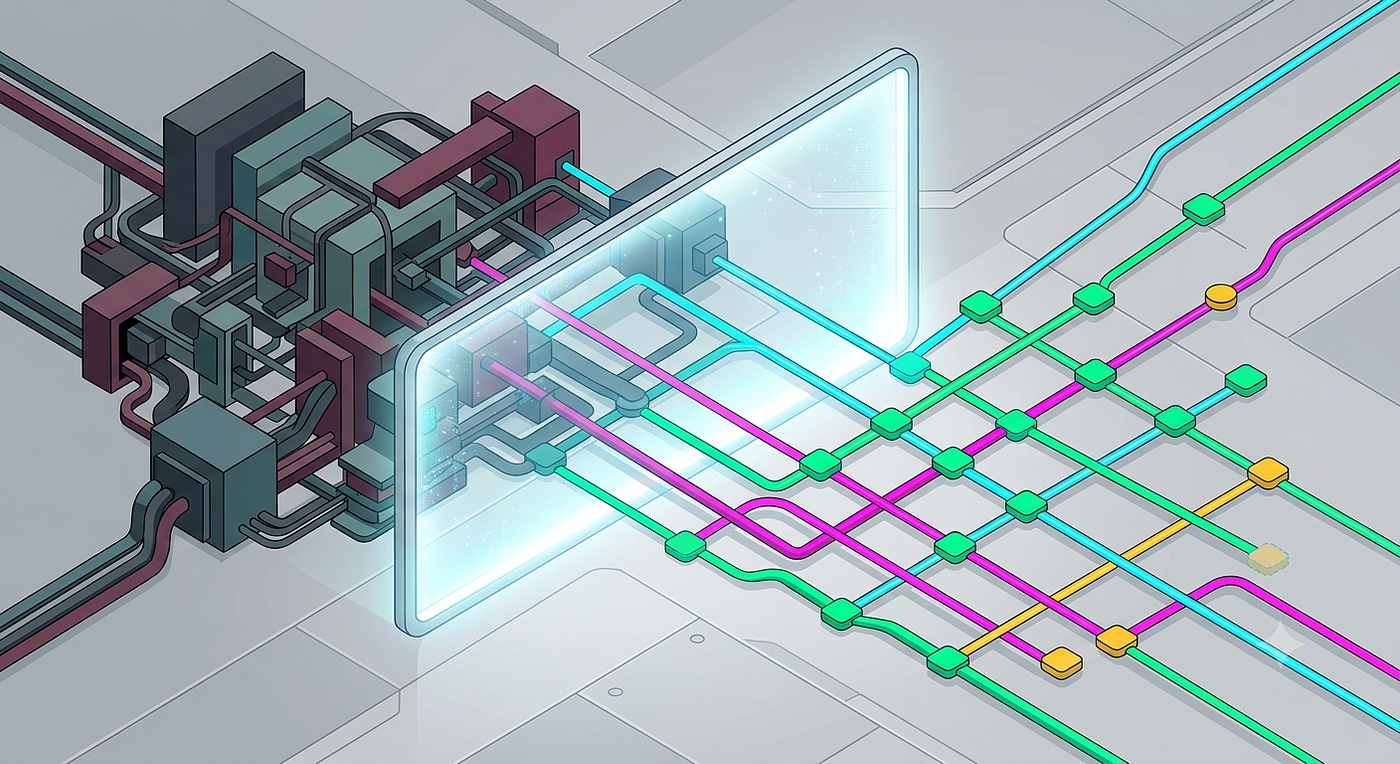
ComfyUI’s node-based architecture is specifically designed for this. Each model or processing step is a node. The connections between nodes define how data flows through the system. Building a multi-model pipeline in ComfyUI is like designing a production line where you can see every station, define every operation at each station, and control exactly what passes from one station to the next.
At ADVIDS, our standard content production pipeline typically involves five to eight distinct steps, depending on the project type. Let me walk through a representative architecture for a product visual production workflow, which is one of our most common use cases.
The pipeline begins with concept generation. This node uses a text-to-image model with parameters tuned for conceptual output rather than final quality, producing multiple candidate compositions quickly. These candidates are evaluated not by the model but by our creative directors, who select the compositional direction that best serves the brief. This human review checkpoint is part of the architecture, not outside of it.
The selected concept moves to a refinement node that applies style controls, bringing the raw concept output into alignment with the client’s brand aesthetic. This node uses a fine-tuned model that has been trained on the client’s existing visual materials. The output is a draft image that has the right composition and the right stylistic register.
From there, the draft moves to an upscaling and enhancement node. The output from the refinement step is good enough for evaluation but not for final delivery. The upscaling node processes the draft through a high-quality upscaler that increases resolution while adding the fine-grained detail that the concept and refinement steps don’t produce at their native resolution. The output from this node is, in most cases, close to delivery quality.
For product images, a quality verification step follows where specific regions of the image , product labels, brand colors, text elements, interaction details , are evaluated against the client’s brand specification document. This verification is automated for measurable properties like color values and resolution, and manual for qualitative assessments like composition and emotional register.
The final nodes handle output formatting, producing the deliverable in all required formats and at all required specifications from the single verified master output. This step, which would otherwise require separate manual export operations, is fully automated.
The entire pipeline runs as a single workflow in ComfyUI, with the human review checkpoints defined as pause points where the system waits for creative direction before proceeding. The result is a production process that is simultaneously highly automated and genuinely supervised, not automated-and-ignored but automated-and-controlled.
There are several things this architecture does that informal workflows cannot. It maintains a complete record of every processing step applied to every piece of content, including the parameters used at each step. This record is the production audit trail that enterprise clients sometimes require and that also serves us well when we need to understand why a particular output looks the way it does. It also ensures that all content produced under the workflow has gone through the same quality steps, regardless of which team member is running the production on any given day. The workflow is the process, not the person.
Building this kind of architecture takes real investment. The initial development of a client-specific workflow requires technical expertise in ComfyUI, understanding of the models being integrated, and careful testing to ensure that each step produces output that serves the next step well. Custom nodes may need to be developed for specific requirements not covered by the existing library.
But the return on that investment comes in the form of production consistency, client confidence, and the ability to scale efficiently. Once a workflow architecture is built and validated for a client, producing content within that architecture is significantly faster than starting from scratch for each project. The infrastructure pays for itself, and then some. That’s what a real pipeline does.`
메타데이터
- post_id
- 688f2d6d81b0
- slug
- inside-advidss-comfyui-architecture-how-we-chain-ai-models-together-to-produce-a-single-seamless-688f2d6d81b0
- url
- https://medium.com/@advidsai/inside-advidss-comfyui-architecture-how-we-chain-ai-models-together-to-produce-a-single-seamless-688f2d6d81b0
- canonical_url
- https://medium.com/@advidsai/inside-advidss-comfyui-architecture-how-we-chain-ai-models-together-to-produce-a-single-seamless-688f2d6d81b0
- author_url
- https://medium.com/@advidsai
- status
- ok
- fetched_at
- 2026-06-09 15:37:30