Do India’s Runway Shows All Look Alike? Unpacking the Presentation Formula
By: Ria J. Chauhan
Do India’s Runway Shows All Look Alike? Unpacking the Presentation Formula
By: Ria J. Chauhan
23/05/2026
Executive Summary: Critics and insiders alike have noted that, despite big budgets and elaborate productions, many Indian runway shows feel predictable or even “homogenous.” For example, an Outlook India review of Lakmé/FDCI Mumbai fashion week called the venues “absolutely bleak” and said “everything…speaks of homogeneity”. We explore why this might be: common factors include centralized venues with shared sets, sponsor-driven requirements, and cultural expectations. Indian shows often layer similar elements — standard catwalks, Bollywood-style music and performances, star show-stoppers — that can start to blend together. By contrast, global shows often rotate venues and creative teams. Through recent Indian show examples (last 5 years) and expert commentary, we analyze aspects like set design, lighting, choreography, music, model casting, pacing, and venue logistics. We compare with international practices and offer suggestions for injecting more variety. Our discussion notes typical budgets and urban (Mumbai/Delhi) contexts; smaller or regional shows may face different constraints.
Shared Infrastructure and Production Constraints
- Single-venue model: Indian fashion weeks are usually held in large expo halls (e.g. Mumbai’s BKC, Delhi’s Pragati Maidan halls. FDCI chairman Sunil Sethi notes Pragati Maidan “large halls that gave us enough space for two main show areas”. Using the same halls and runways for multiple designers means the basic stage layout — long central catwalk, fixed overhead rigging, seating on both sides — stays the same. (One industry columnist points out that Mumbai’s BKC site and its glass-walled buildings gave a “bleak…homogeneity” to the week. Because most shows share this infrastructure, they often use the same lighting trusses, backdrop spaces and AV systems. This standardized setup saves cost and time but limits creative staging: for example, if every show plugs into the same rigged lights and sound system, the visual style tends to converge.
- Vendor and sponsor pressures: Organizers and sponsors often dictate certain formats. Fashion weeks have anchor sponsors (e.g. autos, consumer brands) whose branding must feature prominently. Unlike Paris or Milan where logos are confined to sponsor boards, Indian shows frequently plaster logos on sets or garments, constraining designers’ staging choices. The Harpers Bazaar India analysis warns that “over-commercialization” lets sponsor branding “dominate the runway” and dilute the experience. In practice, a designer may need to incorporate a sponsor’s theme or product, or agree to a certain type of “grand entry” (e.g. an elephant or car on stage) already approved by the event. This corporate angle makes many presentations feel formulaic. Budget constraints also play a role: outside top-tier names (who can tour Paris/Milan), mid-level designers may lack resources to build elaborate one-off sets, so they often stick to tried‑and‑tested layouts.
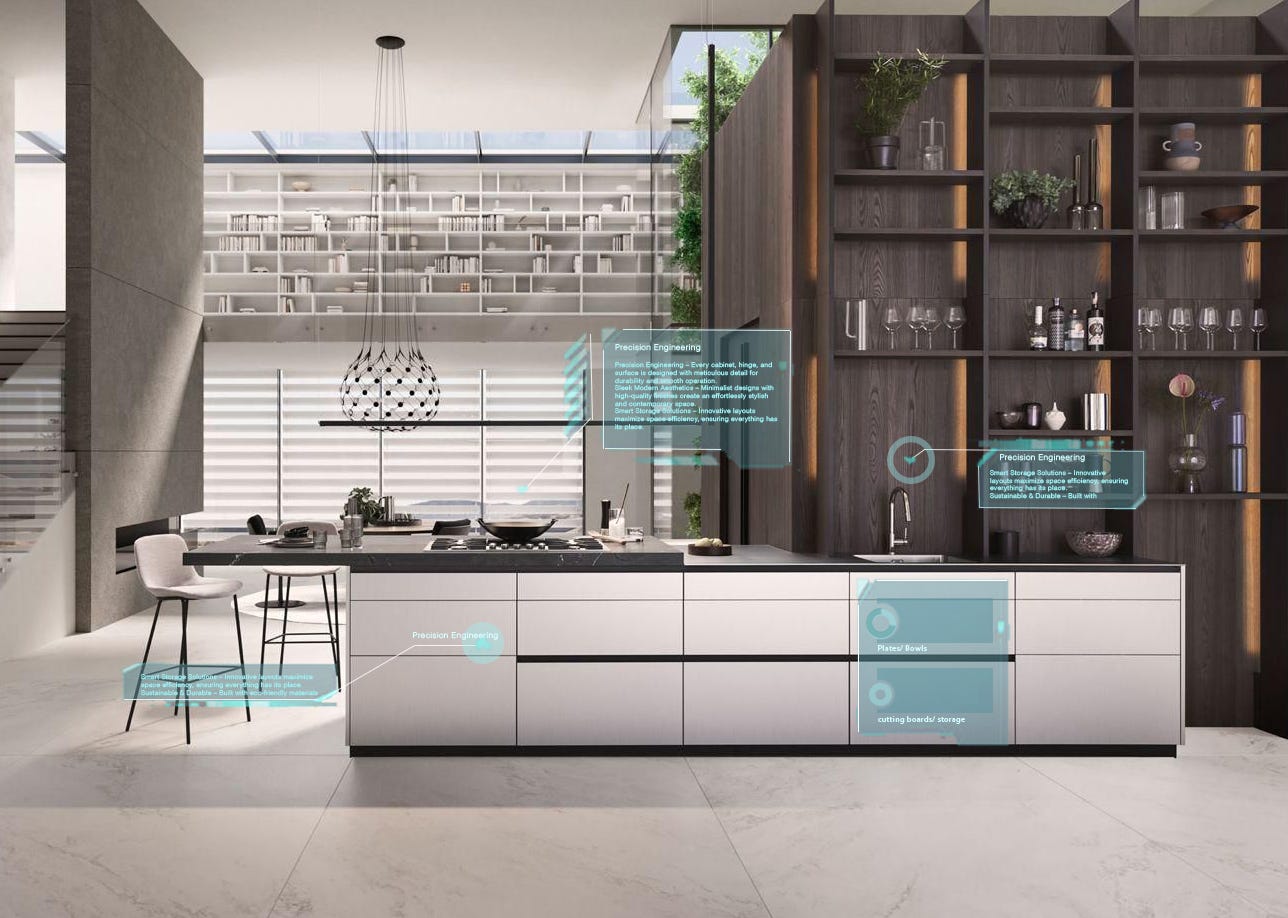
For example, many Indian runway shows use virtually the same layout: a straight catwalk through the center of a large hall, with front/back spotlights and audience on each side. (Outlook India complains that such venues felt “absolutely bleak” and uniform.
Risk aversion and format templates: Indian designers have historically leaned on conventions that audiences expect. Runway choreographer Anjali Raut notes that many shows still start with a celebrity or dance number because it “adds oomph” and draws crowds. Neeta Lulla recalls that grand shows in the past combined fashion with music/dance simply because pure runway (“models strutting up and down”) didn’t excite audiences. Today many designers follow this template: open with an act, parade models, then a showstopper walk. Changing this narrative loop is seen as risky. Abhimanyu Desai (Lotus Brands) cautions that “many collections end up looking repetitive” because designers stick to an established formula. The result is that even with different clothes, the pacing and dramatic beats feel the same from show to show. In short, industry insiders note that Indian fashion events prioritize spectacle but often play it safe in format — “individuality and character” can be missing.
Common Runway Elements (Sets, Lighting, Choreography, Music)
- Sets and staging: Most Indian runways have sparse, functional sets. Many shows simply use the default hall backdrop or a simple branded screen. Elaborate custom sets are rare (though they happen, and then are remarked on). For instance, veteran scenographer Sumant Jayakrishnan recalls creating an extraordinary double-storey “Egyptian tomb” set for a Rohit Bal finale in 2012. But such grand designs are exceptional. More often, the stage is just painted or curtained, with maybe props like swings or arches. This parallels the Outlook critique: designers “wasted the opportunity” by not leveraging even a themed backdrop, resulting in shows with “neither the craft nor the narrative”. In comparison, global houses (Chanel, Dior, etc.) routinely commission theme-driven sets (supermarket aisles, gardens, space stations) that transform venues. The lack of such distinct staging in India contributes to a sense of sameness.
- Lighting: Lighting tends to be straightforward and similar across shows. Organizers typically supply a fixed rig: banks of white follow-spots down the runway and color washes on the stage. This creates even illumination for photography, as lighting guides note is critical. Most Indian shows rely on bright front light so garments are clearly seen (and pictures turn out), with occasional color accents. Few shows experiment with dynamic light changes or dramatic shadows. (By contrast, couture shows often use mood lighting that shifts the scene.) As one planner puts it, lighting “is a powerful mood-setter” — but Indian runways usually use it conservatively. When every collection is lit similarly, the mood often feels uniform.
- Choreography and pacing: Walk counts and movement are very uniform. Designers typically hire known choreographers (many are ex-models or Bollywood choreographers) who stage the sequence in a standard way: models walk one by one, pause at end, turn, walk back. Occasional pattern — eg. two models on opposite ends — are repeated. Turn-taking and showstopper routines are script-like. As one article notes, incorporating performances is meant to “enrich the sensory experience”, and Bollywood-style group numbers are common (so that “gimmicks add oomph”). Singer Raghav Sachar observes that adding music/dance “breaks the monotony” of watch-models-walk. But ironically, because all shows now add similar dance/drama, it can itself become a cliché.
- Music and sound: Most shows use pre-recorded Bollywood or pop tracks (current hits or classic Indian tunes). Some include live vocals or drumming (Shruti Mudgal or drum ensembles). But the vibe is usually upbeat or thematic to match the clothes. Themes (rock, folk, electronic) are repeated season-to-season. Use of the original score is rare. Because Bollywood film music is familiar to the audience, this makes shows feel formulaic.
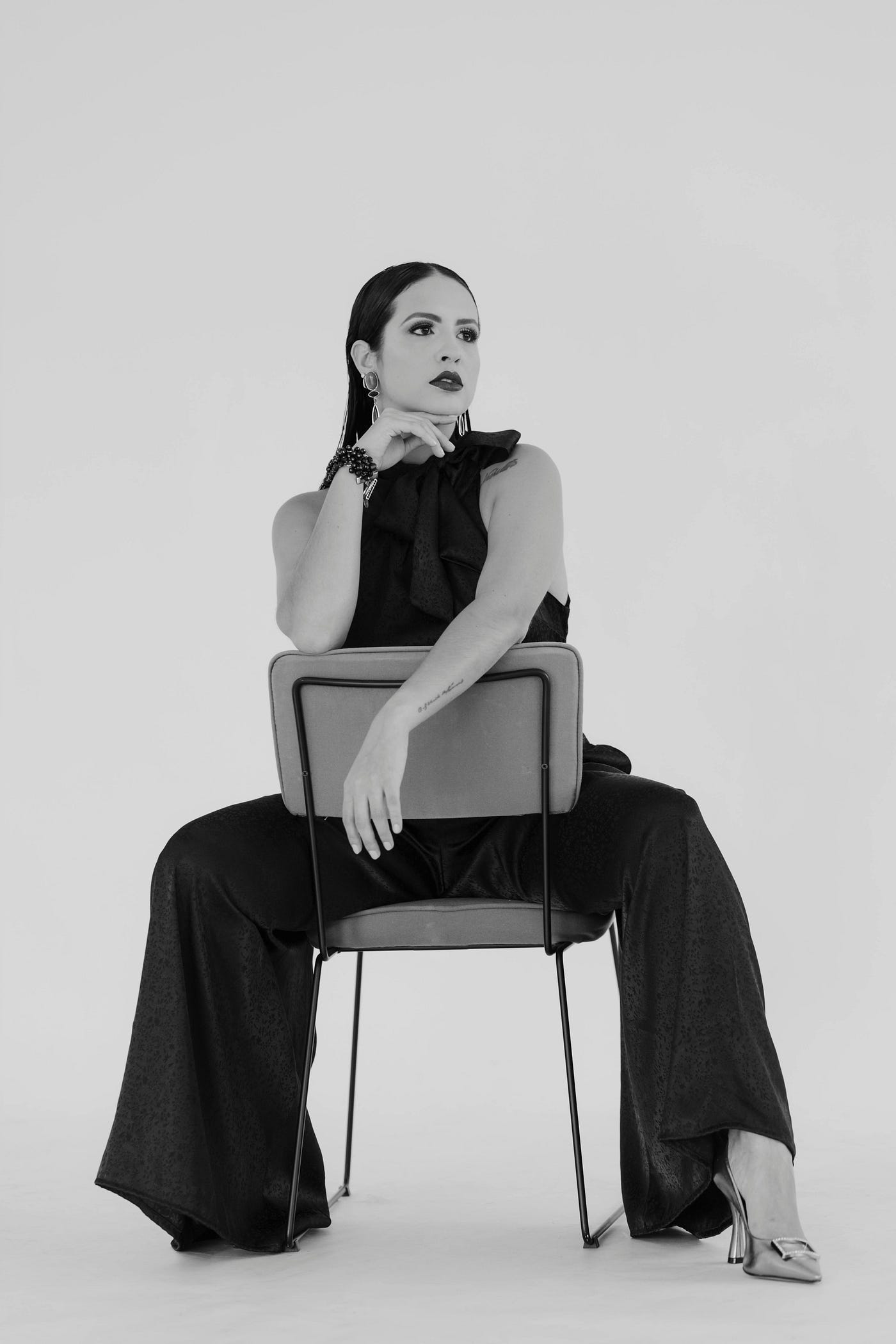
- Models and styling: Casting is weighted toward Indian models, often interspersed with celebrity “showstoppers.” Many shows end with a Bollywood star closing the collection, which has become expected. Styling (hair/makeup) also follows broad trends (e.g. bold lips, minimalist hair), so unless a designer shoots for novelty, models look similar from one show to the next. In short, when the same faces and styling formulas cycle through multiple runways, the visual effect is even more uniform.
For example, many shows feature a long black runway with strong downlighting, as illustrated above. Models walk one after another under spotlights — a pattern observers say “breaks the monotony”, yet repeated so often it can feel repetitive.
- Audience layout: Seating in Indian shows is usually two-sided or U-shaped. While some international shows (e.g. Dior, Louis Vuitton) use circular or multi-directional catwalks, Indian events almost always have a single linear runway. This means the audience perspective doesn’t change show to show: attendees see a similar stage composition each time.
- Production direction: There is usually a designated show director who manages timing, music cues, lighting changes, etc. Often the same small pool of directors or choreographers (sometimes tied to sponsors) run many shows. This can lead to a recognizable “signature” style — for example, certain camera-friendly pauses or syncopated model walks — which further blurs differences between designers’ events.
International vs. Indian Runway Practices
- Varied venues: Unlike India, major fashion weeks (Paris, Milan, New York, London) rotate through distinct locations. Shows may be held in theaters, museums, historic buildings or pop-up tents. Each venue dictates a new set of creative possibilities. India’s reliance on convention centers or hotels limits this variation. (As one insider notes, in the West it’s common to have performers and venues change with each show.)
- Global Audience vs. Local Market: International shows target global buyers and press, so they experiment to stand out. By contrast, Indian weeks cater largely to local media and affluent domestic buyers. Harper’s Bazaar India observes: “Indian fashion weeks predominantly cater to a local demographic,” unlike Western weeks aiming for a global audience.The result: Indian shows often stick to home-market tastes (Bollywood glitz, traditional motifs) rather than avant-garde concepts that might appeal globally.
- Sponsorship and advertising: European fashion weeks are heavily sponsored too, but often sponsors take a backseat in the actual show design. For instance, sponsorship logos at Paris couture shows are confined to front-row banners. In India, however, runway backdrops or even garments can bear sponsor imagery, as one critique points out. Dhruv Kapoor suggests India could learn from Milan/Paris, where “sponsors are acknowledged in designated areas rather than dominating the main show space”. By contrast, Indian production often integrates sponsors into set props or lighting displays, which standardizes the look (many shows end up looking like corporate events).
- Creative benchmarks: Top global brands invest enormous sums in totally unique productions (think Chanel’s supermarket set, or Prada’s seismic sound stage). Such one-off spectacles raise audience expectations internationally. In India, even big-name designers rarely budget that scale solely for the set; instead they allocate more to clothes and showbilling (Bollywood models, etc.). This economic reality means Indian runways stay relatively conservative.
Why the Uniformity? Industry Voices and Critiques
As seen, many elements are repeated because of practical choices and market conventions. The Indian press and experts have called attention to this:
- “Safe, predictable” vs “formula”: Industry observers lament that Indian shows stick to the “same established formula”. Lotus CEO Abhimanyu Desai says “what’s missing is individuality and character” — too many collections end up “looking repetitive”.
- Lack of space for risk: With everyone using the same runways, the only way to stand out is controversial or gimmicky ideas. But doing something radically different can be a gamble. As a result, designers often add minor variations (new lighting color, an extra dancer) rather than overhaul the show plan.
- Sponsorship-driven content: Designers feel compelled to cater to sponsors. For example, Dhruv Kapoor suggests that Indian weeks over-focus on sponsor visibility, which can crowd out creative scope. If a car company is a partner, shows may feel forced to feature car imagery or align to its brand, making several shows appear alike.
- Audience expectations: Indian showgoers (media, buyers, celebrities) often expect energetic Indian music, dance, and multi-episode engagement. Designers aim to meet these expectations, resulting in similar soundtracks and performance styles. Over time, what is meant to “add flavour” becomes the standard menu.
- Media and social media: Reviews and social coverage often focus on celebrities and clothes, not on how each show’s production differed. Runway critics usually mention the outfits and stars; subtle set differences get little attention, so designers get little incentive to innovate.
Actionable Recommendations
To break the cycle of sameness, industry experts suggest several steps:
- Develop a unique identity. Designers should hone a signature show style. As Desai advises, moving away from the “established formula” will help audiences remember them. For example, one could introduce a novel element (e.g. a narrative video intro, unusual walk choreography, or an immersive set) and build a brand around it.
- Rotate venues and formats. Organizers could encourage off-site or themed shows to diversify the experience (e.g. an outdoor heritage venue or a concept space). Even moving from one hall to another within a venue or switching a runway shape (U-shaped catwalk, rather than straight) can help. Notably, Pragati Maidan offers “two main show areas” — using these differently could create variety.
- Restrict visible branding. Sponsors could be featured in peripheral spaces (banners, catalogs) rather than as part of the stage set, following global practice. This frees designers to use the set purely for creative storytelling.
- Invest in creative direction. Hiring fresh show directors, scenographers or lighting designers (perhaps internationally renowned) could bring new ideas. For instance, fashion weeks might hold a design contest for unique set concepts each season.
- Leverage digital media. As Harper’s notes, Indian designers should complement runway looks with year-round storytelling on social media.This would relieve some pressure to amaze only on the catwalk and could foster more experimental off-runway content.
- Collaborations and mentorship. Pairing young designers with global stylists or artists (as recommended by Aaarti Vijay Gupta) may introduce fresh production techniques or narrative concepts.
Conclusion
In summary, many Indian runway shows end up looking alike because they share the same infrastructure and follow similar playbooks. Large halls with fixed catwalks and recurring sponsor requirements lead to repeated use of lighting rigs, set styles and format beats. As Vogue India notes, professional runways are a collaborative craft: “Music, lighting and the set design are the products of many minds to create an experience.” Indian designers embrace this, but when those “many minds” over-rely on familiar solutions, the output can feel uniform. To change this, stakeholders — designers, producers and sponsors — may need to ask new questions: How can we vary the venue or set? What fresh narrative can we tell? Are we letting sponsor demands override creativity? If each show strives for a distinct identity rather than a proven formula, the catwalks of Mumbai, Delhi and beyond could become as dynamic as the collections they present.
Bibliography
- https://www.outlookindia.com/art-entertainment/fdci-x-lakm%C3%A9-fashion-week-show-had-little-substance-magazine-231493#:~:text=like%20a%20landscape%20out%20of,Everything%20speaks%20of%20homogeneity
- https://timesofindia.indiatimes.com/city/delhi/fashion-week-returns-to-pragati-maidan-after-almost-eight-years/articleshow/104087993.cms#:~:text=years%20we%20organised%20it%20there,large%20space%2C%E2%80%9D%20says%20Sunil%20Sethi
- https://www.harpersbazaar.in/fashion/story/what-lessons-can-indian-fashion-weeks-learn-from-international-experts-weigh-in-1171488-2025-03-07
- https://thenodmag.com/content/lakme-fashion-week-25-years-highlights
- https://en.lightsky.com.cn/blog/fashion-show-lighting-design/#:~:text=Proper%20illumination%20ensures%20that%20every,appear%20distorted%20or%20washed%20out
- https://www.vogue.in/content/at-khadi-indias-lakme-fashion-week-show-i-let-go-of-my-grief#:~:text=Despite%20all%20my%20know,Mudgal%20sang%20her%20renditions%20of
메타데이터
- post_id
- 6894fec8fb5d
- slug
- do-indias-runway-shows-all-look-alike-unpacking-the-presentation-formula-6894fec8fb5d
- url
- https://medium.com/@riajchauhan/do-indias-runway-shows-all-look-alike-unpacking-the-presentation-formula-6894fec8fb5d
- canonical_url
- https://medium.com/@riajchauhan/do-indias-runway-shows-all-look-alike-unpacking-the-presentation-formula-6894fec8fb5d
- author_url
- https://medium.com/@riajchauhan
- status
- ok
- fetched_at
- 2026-06-13 09:11:36