Can Buddha’s Dhamma Liberate Politics from Immorality?
Buddha’s Dhamma embodies principles like righteousness, non-violence, ethics, and morality. It acts as a compass that liberates political…
Can Buddha’s Dhamma Liberate Politics from Immorality?
Photo by Trung Nhan Tran on Unsplash
Buddha’s Dhamma embodies principles like righteousness, non-violence, ethics, and morality. It acts as a compass that liberates political action from immorality and power-driven motives, guiding rulers to govern the state without coercive force and to promote the welfare of the people. It shifts focus away from territorial expansion and wealth accumulation to ensure the welfare of all beings, including animals. Through Dhamma, rulers are expected to govern ethically, embracing selflessness and humility.
Buddhist texts like the Jataka tales framed kingship as a moral duty. Rulers were chosen for their ethical qualities and served as protectors of the people. In ancient India, Ashoka’s transformation after the Kalinga war is a landmark example. Ashoka’s rock edicts promoted justice, equality, religious tolerance, and welfare programs, setting a model for rulers to prioritize peace over conquest. His vision echoed in leaders like Nelson Mandela, who, after years of struggle, emphasized reconciliation and nation-building over violence and revenge.
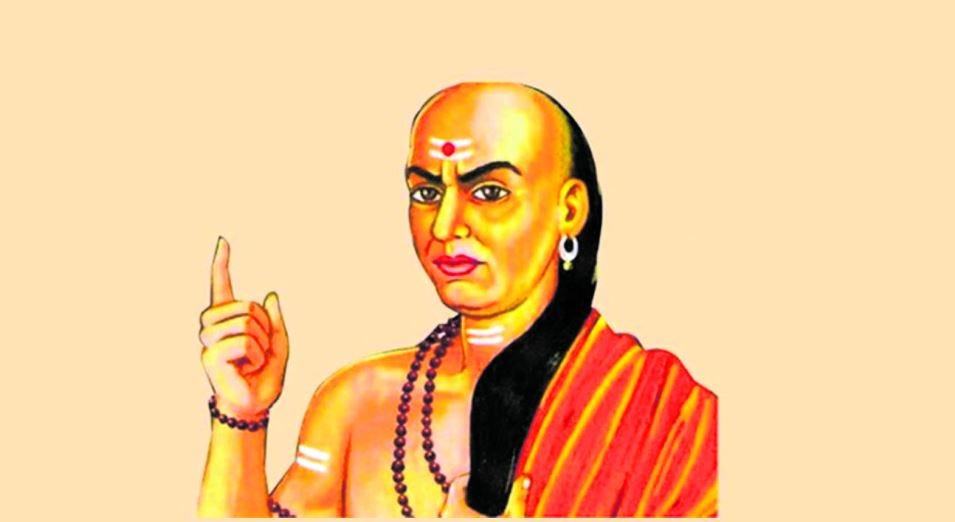
However, critics argue that Dhamma’s principles are too idealistic and often impractical in the real world. They point to Chanakya’s Arthashastra, which emphasizes realpolitik and a pragmatic approach that is more suitable in today’s hostile environment.
Despite these criticisms, Buddha’s Dhamma has contributed significantly to political governance and continues to shape countries such as India. Its essence is reflected in the Indian Constitution, which emphasizes justice, liberty, and equality. While it may not be practical to apply Dhamma fully in today’s competitive world, its ethical vision remains vital as a moral compass that can guide politics away from immorality and towards the welfare of all.
메타데이터
- post_id
- 68a474b714fc
- slug
- can-buddhas-dhamma-liberate-politics-from-immorality-68a474b714fc
- url
- https://medium.com/@ishandevenda1/can-buddhas-dhamma-liberate-politics-from-immorality-68a474b714fc
- canonical_url
- https://medium.com/@ishandevenda1/can-buddhas-dhamma-liberate-politics-from-immorality-68a474b714fc
- author_url
- https://medium.com/@ishandevenda1
- status
- ok
- fetched_at
- 2026-07-12 00:02:18