Integration with Renewable Energy Sources Supporting Power Electronics Market Expansion
The Power Electronics Market is experiencing substantial growth as the integration of renewable energy sources becomes a central focus of…
Integration with Renewable Energy Sources Supporting Power Electronics Market Expansion
The **Power Electronics Market** is experiencing substantial growth as the integration of renewable energy sources becomes a central focus of global energy transition strategies. Governments, utilities, industries, and commercial organizations are increasingly investing in renewable energy technologies such as solar power, wind energy, hydropower, and energy storage systems to reduce carbon emissions and improve energy sustainability. Power electronics serve as the critical enabling technology that allows renewable energy systems to generate, convert, control, and distribute electricity efficiently. As renewable energy deployment continues to accelerate worldwide, the demand for advanced power electronics solutions is expanding rapidly, creating significant growth opportunities across multiple industries and applications.
One of the primary drivers supporting market expansion is the growing adoption of solar photovoltaic systems. Solar panels generate direct current electricity that must be converted into alternating current before it can be used by homes, businesses, and industrial facilities. Power electronic devices such as inverters perform this essential conversion process while ensuring optimal energy efficiency and grid compatibility. As solar installations continue to increase across residential, commercial, and utility-scale sectors, the demand for advanced inverter technologies and associated power electronics components is growing significantly.
Wind energy development is also contributing strongly to market growth. Modern wind turbines rely heavily on sophisticated power electronics systems to regulate power generation and ensure stable electricity output. Wind speeds naturally fluctuate, creating variations in power production that must be carefully managed. Power converters and control systems enable efficient integration of wind-generated electricity into power grids while maintaining reliability and power quality. As countries continue expanding offshore and onshore wind energy projects, power electronics manufacturers are benefiting from increasing investment in renewable infrastructure.
Download PDF Brochure @ https://www.marketsandmarkets.com/pdfdownloadNew.asp?id=204729766
Energy storage systems are becoming increasingly important within renewable energy ecosystems. Since renewable generation can vary based on weather conditions and environmental factors, battery energy storage solutions help balance supply and demand by storing excess electricity and releasing it when needed. Power electronics enable efficient energy transfer between batteries, renewable generation sources, and electrical grids. These systems optimize charging and discharging operations while ensuring stable performance. The rapid growth of battery storage deployments is creating additional opportunities for power electronics providers.
Grid modernization initiatives are accelerating the adoption of renewable energy-compatible power electronics technologies. Traditional power grids were originally designed to support centralized electricity generation, whereas renewable energy systems often involve distributed generation assets. Advanced power electronics facilitate the integration of distributed energy resources into modern smart grids by managing voltage levels, frequency stability, and power flow. These capabilities help utilities maintain reliable operations while accommodating growing amounts of renewable energy capacity.
The rise of smart grids is further strengthening market demand. Smart grid infrastructure relies on intelligent communication networks, automation technologies, and advanced energy management systems to improve electricity distribution efficiency. Power electronics play a vital role in enabling bidirectional energy flows and supporting real-time control of distributed energy assets. Their ability to enhance grid flexibility and reliability makes them essential components of next-generation energy networks.
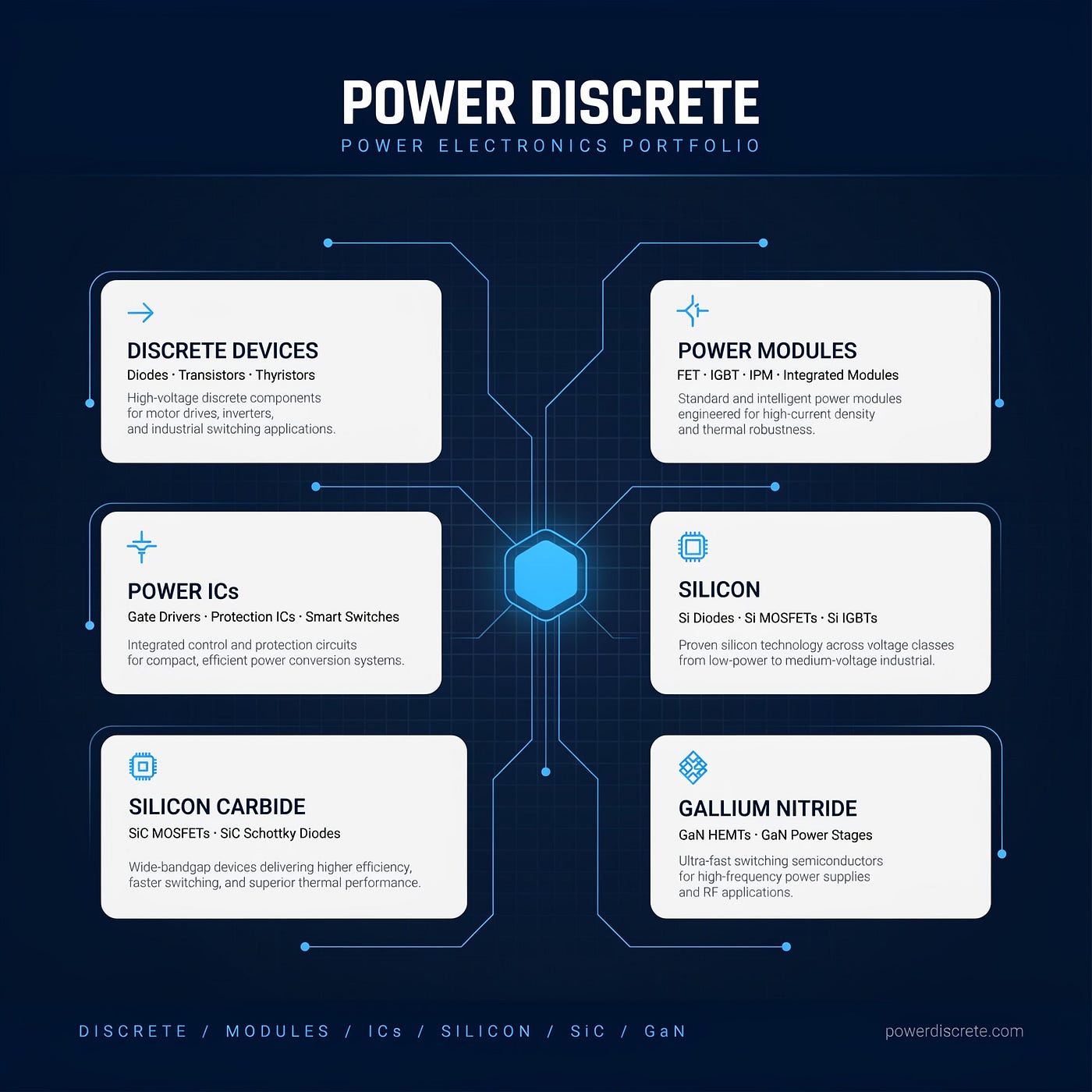
Wide-bandgap semiconductor technologies are driving significant innovation within the power electronics industry. Materials such as silicon carbide and gallium nitride offer superior performance compared to traditional silicon-based devices. These advanced semiconductors enable higher switching frequencies, reduced energy losses, improved thermal performance, and more compact system designs. As renewable energy systems continue to scale, manufacturers are increasingly adopting wide-bandgap technologies to improve efficiency and overall system performance.
Inquiry Before Buying @ https://www.marketsandmarkets.com/Enquiry_Before_BuyingNew.asp?id=204729766

Electric vehicle charging infrastructure is emerging as another important application area connected to renewable energy integration. Many EV charging stations are being paired with solar power systems and battery storage installations to support sustainable transportation initiatives. Power electronics facilitate energy conversion, power regulation, and charging control within these integrated systems. The continued growth of electric mobility is expected to generate additional demand for advanced power management technologies.
Industrial facilities are increasingly investing in renewable energy systems to reduce operational costs and achieve sustainability targets. Manufacturing plants, logistics centers, and commercial facilities are deploying on-site solar installations and battery storage systems to improve energy independence. Power electronics solutions help optimize energy consumption, manage distributed generation assets, and ensure reliable power supply. These capabilities are becoming increasingly valuable as organizations pursue long-term energy efficiency goals.
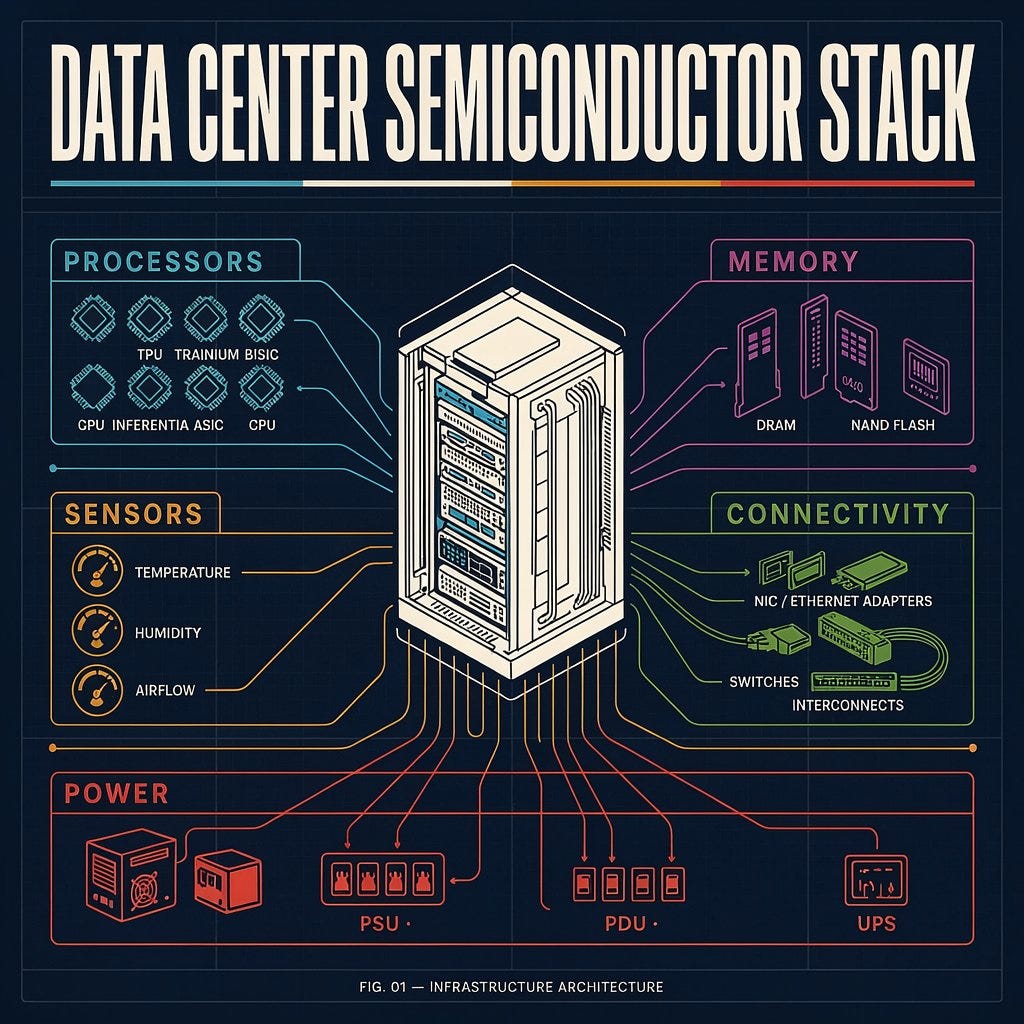
Data centers are also contributing to market expansion through renewable energy adoption. Large-scale data centers consume significant amounts of electricity and are increasingly investing in renewable energy projects to support environmental objectives. Power electronics enable seamless integration of solar, wind, and battery storage systems into data center power architectures. Their ability to maintain power quality and reliability is particularly important in these mission-critical environments.
Microgrid development represents another major trend supporting market growth. Microgrids combine renewable energy generation, battery storage, and intelligent control systems to create localized energy networks. Power electronics serve as the core technology that coordinates energy flows within these systems and enables interaction with larger utility grids. As demand for energy resilience and decentralized power generation increases, microgrid adoption is expected to drive further demand for advanced power electronics.
View detailed Table of Content here — **https://www.marketsandmarkets.com/Market-Reports/power-electronics-market-204729766.html**

Artificial intelligence and digital energy management platforms are enhancing the effectiveness of renewable energy systems. AI-powered software can analyze operational data, forecast energy production, and optimize power conversion processes. Power electronics integrated with intelligent control systems help maximize renewable energy utilization while minimizing energy losses. This combination of digital intelligence and advanced hardware is becoming a key factor in modern energy infrastructure development.
Government policies and regulatory frameworks are playing a significant role in encouraging renewable energy adoption. Incentive programs, carbon reduction targets, and clean energy mandates are accelerating investment in renewable power generation and associated technologies. These initiatives create favorable market conditions for power electronics manufacturers by driving demand for efficient energy conversion and management solutions.
The increasing focus on sustainability is influencing purchasing decisions across multiple industries. Organizations are seeking technologies that help reduce environmental impact while improving operational efficiency. Power electronics support these objectives by enabling greater use of renewable energy and enhancing overall energy system performance. Their role in supporting sustainable energy infrastructure is becoming increasingly important as global climate goals continue to shape investment priorities.
Looking ahead, the integration of renewable energy sources will remain one of the most powerful drivers of growth within the Power Electronics Market. Continued expansion of solar power, wind energy, battery storage, electric vehicle infrastructure, smart grids, and microgrids will create sustained demand for innovative power conversion and control technologies. As the global energy landscape evolves toward cleaner and more decentralized systems, power electronics will continue serving as the technological foundation that enables efficient, reliable, and sustainable energy transformation.
메타데이터
- post_id
- 68befa773471
- slug
- integration-with-renewable-energy-sources-supporting-power-electronics-market-expansion-68befa773471
- url
- https://medium.com/@avinashgogawale14/integration-with-renewable-energy-sources-supporting-power-electronics-market-expansion-68befa773471
- canonical_url
- https://medium.com/@avinashgogawale14/integration-with-renewable-energy-sources-supporting-power-electronics-market-expansion-68befa773471
- author_url
- https://medium.com/@avinashgogawale14
- status
- ok
- fetched_at
- 2026-06-22 17:31:34