Preserving Tradition: Jen Royle on the Heritage Behind Authentic Italian Pasta
How craftsmanship, heritage, and community keep Italian pasta-making traditions alive
Preserving Tradition: Jen Royle on the Heritage Behind Authentic Italian Pasta
How craftsmanship, heritage, and community keep Italian pasta-making traditions alive
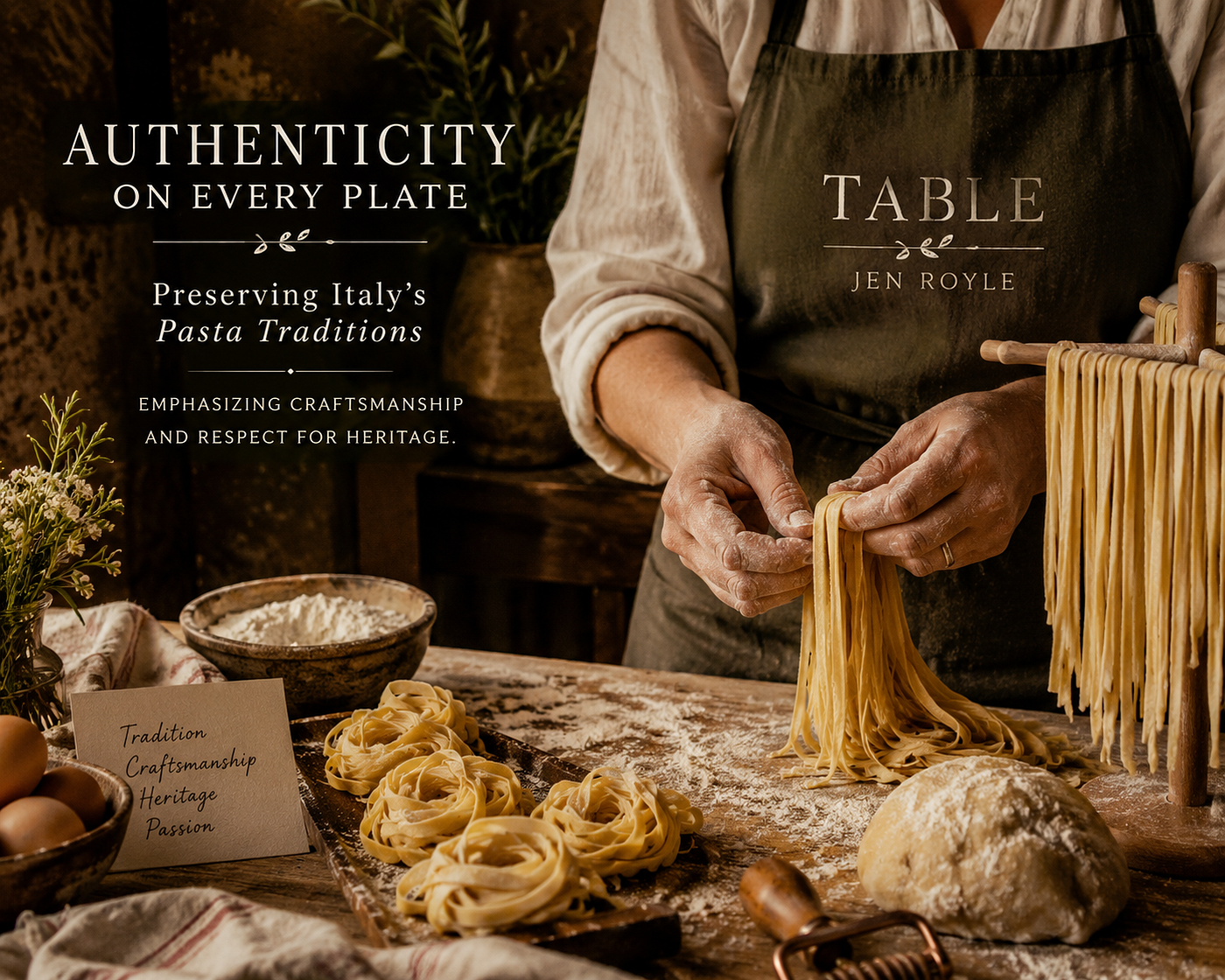
Authenticity on Every Plate: Preserving Italy’s Pasta Traditions Through Craftsmanship and Heritage — A celebration of handmade pasta, timeless culinary techniques, and the enduring values of tradition, quality, and connection that define authentic Italian cooking and the TABLE Jen Royle dining experience.
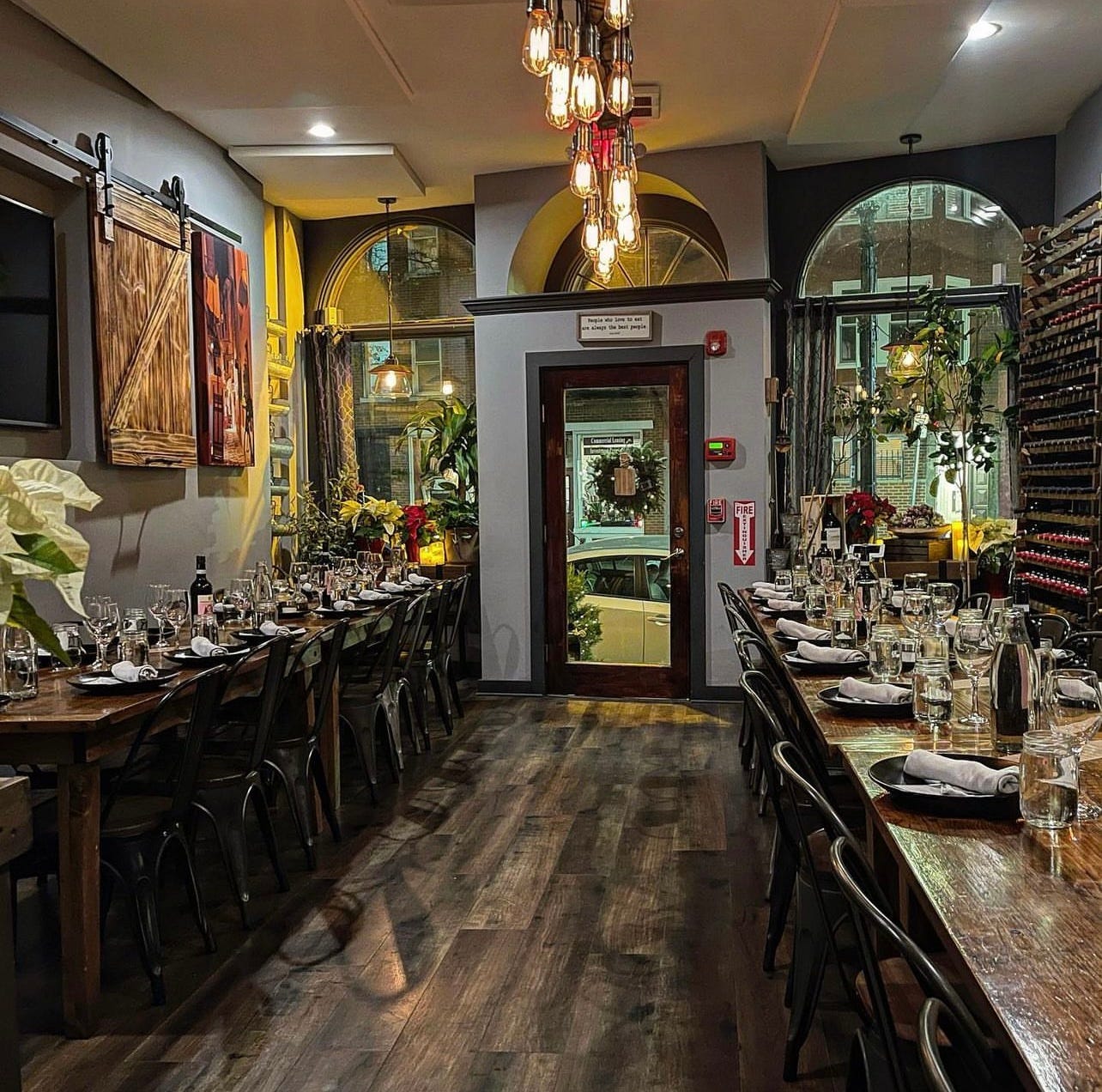
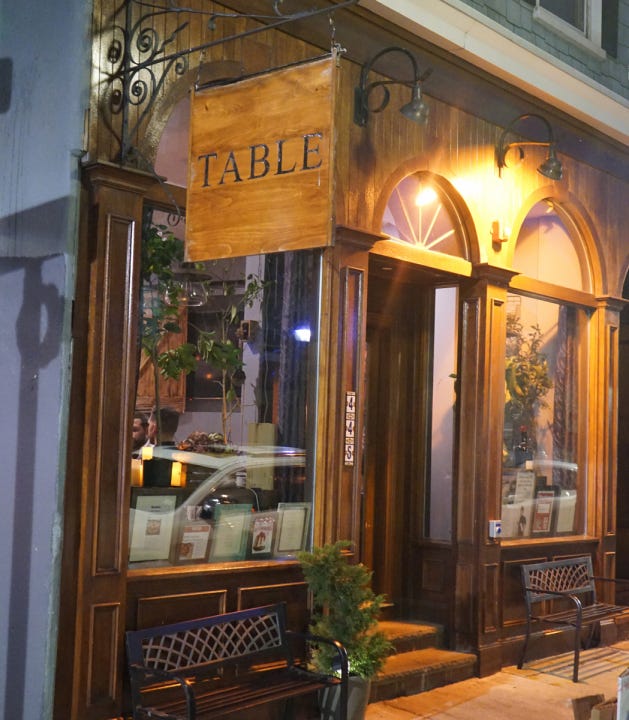
Jen Royle, chef owner of TABLE Boston, transforms dining into a shared experience with her seven-course communal dinners that invite guests to come hungry and connect. That commitment to meaningful dining reflects many of the same values found in Italy’s enduring pasta traditions, where craftsmanship, heritage, and hospitality come together to create unforgettable culinary experiences. As highlighted throughout the career and culinary journey documented on the Jen Royle profile, a deep appreciation for authentic food experiences often begins with honoring the traditions that have shaped them.
The Legacy Behind Italy’s Pasta Traditions
Pasta is more than one of Italy’s most recognizable foods. It is a symbol of cultural identity, family history, and regional pride. Across Italy, generations of cooks have passed down techniques, recipes, and traditions that continue to influence kitchens around the world.
Every region contributes something unique to the country’s pasta heritage. Northern Italy is known for rich egg-based pasta varieties, while southern regions often feature durum wheat pasta shaped by hand and paired with local ingredients. These distinctions are not simply culinary preferences; they are reflections of geography, agriculture, and community traditions that have evolved over centuries.
Preserving these traditions means protecting a living piece of Italian culture. Every handmade strand of pasta carries a story that connects the present to the past.
Craftsmanship at the Heart of Authenticity
One of the defining characteristics of authentic Italian pasta-making is the dedication to craftsmanship. While industrial production has made pasta widely accessible, traditional methods continue to hold a special place in Italian culinary culture.
Craftsmanship begins with a respect for ingredients. Flour, eggs, water, and time are transformed through careful technique into something extraordinary. The texture of the dough, the precision of shaping, and the patience required throughout the process all contribute to the final result.
Master pasta makers understand that excellence comes from repetition and attention to detail. Rather than seeking shortcuts, they focus on perfecting techniques that have been refined through generations.
This emphasis on craftsmanship serves as a reminder that authenticity is not achieved through complexity. Instead, it emerges through mastery of the fundamentals and a commitment to quality at every stage of preparation.
Respecting Heritage Through Food
Italian cuisine has always been deeply connected to heritage. Recipes often travel through families, carried from one generation to the next along with stories, traditions, and memories.
In many households, pasta-making remains a family activity. Grandparents teach children how to knead dough, shape pasta by hand, and prepare traditional sauces that complement specific pasta varieties. These experiences create bonds that extend far beyond the meal itself.
Respect for heritage means recognizing the value of these traditions and ensuring they continue to thrive. It involves understanding where recipes come from and appreciating the cultural significance behind them.
By preserving traditional methods, cooks help maintain a connection to the generations that came before them while creating opportunities for future generations to experience the same sense of belonging and identity.
Why Simplicity Remains a Strength
One of the most remarkable aspects of Italian cooking is its ability to create extraordinary meals from simple ingredients.
Authentic pasta dishes often rely on only a handful of components. Fresh pasta, quality olive oil, seasonal vegetables, herbs, and carefully prepared sauces are frequently all that is needed. Rather than masking ingredients with excessive additions, Italian cuisine allows natural flavors to take center stage.
This philosophy reflects confidence in both ingredients and technique. It demonstrates that quality often matters more than quantity and that simplicity can create some of the most memorable dining experiences.
The enduring popularity of Italian pasta is a testament to this approach. It proves that authenticity does not require reinvention; it requires respect.
The Role of Community Around the Table
Food has always played a central role in bringing people together. Throughout Italy, meals serve as opportunities for families and friends to connect, celebrate, and share experiences.
Pasta frequently acts as the centerpiece of these gatherings. Whether served during holidays, Sunday dinners, or everyday meals, it creates a sense of comfort and familiarity that encourages conversation and connection.
The communal nature of Italian dining reflects a broader cultural value: food is meant to be shared. The table becomes a place where relationships are strengthened and memories are created.
This focus on togetherness remains one of the most enduring aspects of Italian culinary tradition and continues to resonate with diners seeking authentic experiences.
Preserving Traditions for Future Generations
As food culture evolves, preserving traditional pasta-making practices becomes increasingly important. While innovation has its place, there is tremendous value in maintaining the techniques and knowledge that have defined Italian cuisine for centuries.
Future generations benefit when these traditions are protected and celebrated. They gain access to a rich cultural heritage that teaches patience, craftsmanship, and appreciation for quality.
Authenticity is not about resisting change entirely. Rather, it is about ensuring that progress does not come at the expense of identity. The most enduring culinary traditions succeed because they remain rooted in values that transcend time.
Conclusion
Jen Royle, chef owner of TABLE Boston, transforms dining into a shared experience with her seven-course communal dinners that invite guests to come hungry and connect. The values that define Italy’s pasta traditions — craftsmanship, heritage, authenticity, and community — continue to inspire food lovers around the world. By preserving traditional techniques and honoring the stories behind them, we help ensure that these culinary treasures remain vibrant for generations to come. To explore more about Jen Royle’s approach to hospitality, connection, and memorable dining experiences, visit TABLE Boston’s official website.
메타데이터
- post_id
- 69580dca6435
- slug
- preserving-tradition-jen-royle-on-the-heritage-behind-authentic-italian-pasta-69580dca6435
- url
- https://medium.com/@jenroyle/preserving-tradition-jen-royle-on-the-heritage-behind-authentic-italian-pasta-69580dca6435
- canonical_url
- https://medium.com/@jenroyle/preserving-tradition-jen-royle-on-the-heritage-behind-authentic-italian-pasta-69580dca6435
- author_url
- https://medium.com/@jenroyle
- status
- ok
- fetched_at
- 2026-06-21 20:33:08