A More Balanced Approach to AFib: Exploring Holistic Care and Natural Support Options
Atrial fibrillation — often shortened to AFib — has a way of showing up quietly and then completely changing how you think about your…
A More Balanced Approach to AFib: Exploring Holistic Care and Natural Support Options
Atrial fibrillation — often shortened to AFib — has a way of showing up quietly and then completely changing how you think about your health. For some, it starts as occasional heart palpitations. For others, it’s fatigue, shortness of breath, or a general sense that something isn’t quite right. Either way, once you have a diagnosis, the conversation usually turns quickly toward medications, procedures, and long-term management.

And while conventional treatment absolutely has its place, more patients are starting to ask a different question: What else can I do to support my heart?
That’s where a more holistic approach comes in — not as a replacement for medical care, but as a way to work alongside it.
Understanding AFib Beyond the Diagnosis
AFib isn’t just a rhythm issue. It’s often connected to a broader picture that includes inflammation, stress, metabolic health, and even nervous system balance. Treating the condition effectively means looking at these underlying factors, not just the symptoms on the surface.
This is one of the reasons why interest in **natural remedies for AFib** has grown steadily over the years. People aren’t necessarily looking to avoid medical treatment — they’re looking to complement it in a way that feels sustainable and proactive.
The Role of Lifestyle in Heart Rhythm Health
If there’s one area where holistic care really makes an impact, it’s lifestyle. And yes, that word gets thrown around a lot — but in the context of AFib, it’s not vague advice. It’s specific, measurable, and often highly effective.
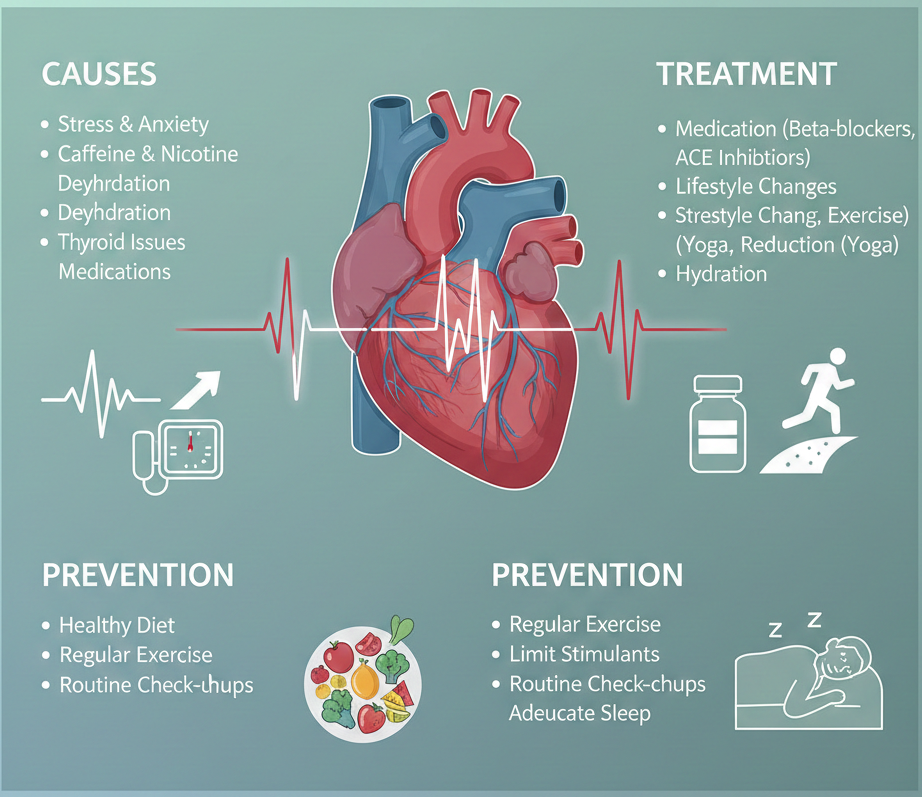
Nutrition is a big starting point. Diets rich in whole foods — vegetables, healthy fats, lean proteins — tend to support better cardiovascular health overall. Reducing processed foods, excess sugar, and inflammatory ingredients can also help stabilize the body’s internal environment.
Electrolyte balance is another piece that doesn’t always get enough attention. Magnesium and potassium, in particular, play a role in maintaining normal heart rhythm. Low levels can sometimes contribute to irregularities, which is why they’re often discussed in conversations around natural remedies for AFib.
Sleep matters more than most people think. Poor sleep — or conditions like sleep apnea — can increase the frequency of AFib episodes. Addressing sleep quality isn’t just about feeling rested; it’s directly tied to heart health.
And then there’s stress, which is often underestimated. Chronic stress affects the nervous system, hormone levels, and inflammation — all of which can influence heart rhythm.
Where Natural Remedies Fit In
Let’s be clear: “natural” doesn’t automatically mean “safe” or “effective.” But when approached thoughtfully and under professional guidance, certain natural strategies can support overall heart function.
Herbal supplements, for example, are sometimes used to promote circulation or reduce inflammation. Omega-3 fatty acids have been studied for their role in cardiovascular health. Mind-body practices like yoga and meditation can help regulate the nervous system, which in turn may reduce the frequency of AFib episodes.
The key is integration — not substitution. Patients who benefit most from natural remedies for AFib are usually those who combine them with proper medical oversight, regular monitoring, and a clear understanding of their condition.
The Overlap with POTS and Autonomic Health
Here’s where things get a bit more complex — and more interesting.
Some patients dealing with AFib symptoms also experience issues related to the autonomic nervous system. This is where **pots syndrome** (Postural Orthostatic Tachycardia Syndrome) sometimes enters the conversation.
While AFib and pots syndrome are distinct conditions, they can share overlapping symptoms like rapid heart rate, dizziness, and fatigue. In some cases, what appears to be one condition may actually involve elements of the other.
This overlap highlights the importance of a comprehensive evaluation. Treating symptoms in isolation can miss the bigger picture, especially when the nervous system plays a role in how the heart behaves.
Holistic care tends to take this into account. Instead of focusing solely on the heart, it looks at how different systems interact — cardiovascular, neurological, hormonal — and how they can be supported together.
Working with a Practitioner Who Sees the Full Picture
One of the biggest challenges patients face isn’t a lack of information — it’s knowing what to do with it.
There’s no shortage of advice online about natural remedies for AFib, but not all of it is relevant, and some of it can be misleading. That’s why working with a practitioner who understands both conventional and holistic approaches is so valuable.
A good provider won’t dismiss natural strategies, but they also won’t rely on them blindly. They’ll look at your medical history, current symptoms, lab results, and lifestyle factors to create a plan that makes sense for you.
This kind of personalized care is especially important if there’s a possibility of overlapping conditions like pots syndrome, where symptoms can be complex and sometimes misunderstood.
Small Changes, Real Impact
One thing I’ve noticed over the years is that people often expect big, dramatic interventions to create meaningful change. But with conditions like AFib, it’s often the smaller, consistent adjustments that make the biggest difference.
Improving hydration. Adjusting diet. Managing stress more effectively. Prioritizing sleep. These aren’t flashy solutions, but they’re foundational — and they work.
When combined with appropriate medical care, these changes can reduce symptom frequency, improve overall well-being, and give patients a greater sense of control over their health.
A Word on Expectations
Holistic care isn’t a quick fix. It’s a process. And like any process, it requires patience, consistency, and a willingness to adjust along the way.
Some people notice improvements relatively quickly. For others, it takes time to see meaningful changes. The important thing is to approach it with realistic expectations and a clear plan.
Read Our Latest Blog:- https://drcynthia.com/blog/lifestyle-triggers-that-worsen-pots-symptoms-and-how-to-avoid-them/
Final Thoughts
Atrial fibrillation is a complex condition, and managing it effectively often requires more than a single approach. While medical treatment remains essential, there’s growing recognition that lifestyle and supportive strategies play a significant role as well.
Exploring natural remedies for AFib — when done thoughtfully and under guidance — can be a valuable part of that process. And for those dealing with overlapping symptoms related to pots syndrome, a more comprehensive, whole-body approach becomes even more important.
At the end of the day, it’s not about choosing between conventional and holistic care. It’s about combining the best of both in a way that supports long-term health, stability, and quality of life.
Because when it comes to your heart, a balanced approach isn’t just helpful — it’s necessary.
메타데이터
- post_id
- 699849ceab63
- slug
- a-more-balanced-approach-to-afib-exploring-holistic-care-and-natural-support-options-699849ceab63
- url
- https://medium.com/@drcynthiathaikmd/a-more-balanced-approach-to-afib-exploring-holistic-care-and-natural-support-options-699849ceab63
- canonical_url
- https://medium.com/@drcynthiathaikmd/a-more-balanced-approach-to-afib-exploring-holistic-care-and-natural-support-options-699849ceab63
- author_url
- https://medium.com/@drcynthiathaikmd
- status
- ok
- fetched_at
- 2026-06-20 20:29:01