How Weather Affects Different Frizzy Hair Types and Ways to Protect Your Hair?
Whether your hair is straight, wavy, curly, or coily, changing weather conditions can significantly affect how it looks and feels. One day…
How Weather Affects Different Frizzy Hair Types and Ways to Protect Your Hair?
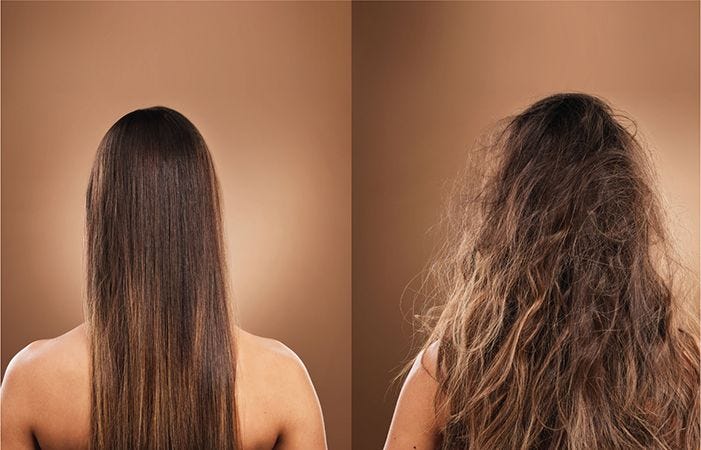
Whether your hair is straight, wavy, curly, or coily, changing weather conditions can significantly affect how it looks and feels. One day your hair may be smooth and manageable, while the next it becomes dry, puffy, or difficult to style. Understanding how different weather conditions influence frizzy hair is the first step toward creating a routine that keeps your hair healthy all year round.
Instead of relying on temporary fixes, a consistent hair care routine built around hydration, gentle cleansing, and protection can help reduce frizz naturally. Choosing a quality **frizz control shampoo **and nourishing products suited to your hair type can also make a noticeable difference.
Why Does Weather Affect Frizzy Hair?
Hair is naturally porous, meaning it absorbs and loses moisture depending on the surrounding environment. When the hair cuticle becomes raised, moisture enters the hair shaft, causing strands to swell. This leads to the rough texture and flyaways commonly associated with frizzy hair.
Weather-related factors that contribute to frizz include:
- High humidity
- Dry winter air
- Strong sunlight
- Wind exposure
- Rain and excess moisture
- Sudden temperature changes
Each weather condition affects hair differently, which is why your routine may need seasonal adjustments.
Humid Weather: The Biggest Trigger for Frizz
Humidity is one of the most common reasons hair becomes frizzy. When the air contains excess moisture, dry hair absorbs water from the atmosphere. This causes the cuticle to lift, making hair appear puffier and less defined.
People with curly and wavy hair often notice more frizz during humid months because textured hair naturally has a more open cuticle structure.
How to Protect Hair During Humidity
- Use a moisturizing frizz control shampoo that cleanses gently without stripping natural oils.
- Follow every wash with a nourishing conditioner.
- Apply a lightweight leave-in conditioner to help seal moisture into the hair.
- Avoid touching your hair frequently throughout the day.
- Choose hairstyles that reduce friction and movement.
Hydrated hair is less likely to absorb excess moisture from humid air.
Dry Winter Air Can Be Just as Damaging
Cold weather often brings lower humidity levels, causing moisture to leave the hair instead of entering it. This leaves hair feeling dry, brittle, and more prone to static electricity.
Without enough moisture, frizzy hair becomes difficult to manage and may develop split ends more quickly.
Winter Hair Care Tips
- Reduce washing frequency to preserve natural oils.
- Deep condition your hair weekly.
- Avoid very hot showers, which can increase dryness.
- Use natural oils to help lock in moisture.
- Wear hats lined with satin or silk whenever possible.
Keeping hair hydrated is the best defense against winter frizz.
Sun Exposure and UV Damage
Many people protect their skin from the sun but forget that hair is also vulnerable to UV damage.
Prolonged sun exposure can:
- Dry out the hair shaft
- Fade natural or colored hair
- Increase roughness
- Weaken the hair cuticle
- Make hair more prone to frizz
If you spend a lot of time outdoors, protect your hair by wearing a hat or using products designed to shield against UV exposure.
Wind Can Increase Hair Damage
Wind constantly rubs hair strands together, creating friction that lifts the cuticle and leads to tangles.
Long hair and curly hair are especially vulnerable because knots can develop quickly.
Protecting Hair on Windy Days
Simple changes can help reduce damage:
- Tie long hair into a loose braid or bun.
- Avoid brushing dry hair outdoors.
- Apply a small amount of lightweight hair oil to reduce friction.
- Detangle gently once you’re indoors.
Rain Doesn’t Hydrate Hair
Many people assume rainwater moisturizes hair, but rain often increases frizz instead.
Rainwater, combined with humidity, causes hair to swell unevenly. If pollutants are present in the air, they may also settle on the hair shaft.
After getting caught in the rain:
- Gently dry your hair with a microfiber towel.
- Avoid aggressive rubbing.
- Allow hair to air dry naturally whenever possible.
Different Hair Types React Differently
Not everyone experiences weather-related frizz in the same way.
Straight Hair
Straight hair often develops flyaways and static during dry weather but may become flat in humid conditions.
Wavy Hair
Wavy hair frequently loses definition when humidity causes strands to expand unevenly.
Curly Hair
Curly hair naturally requires more moisture because scalp oils travel more slowly along curved strands. Humidity can increase volume while reducing curl definition.If you have curls, you may also enjoy reading: **How to Remove Frizz from Curly Hair.**
Coily Hair
Coily hair is often the driest hair type because its tight curl pattern makes it difficult for natural oils to reach the ends. Regular hydration is essential throughout every season.
Choosing the Right Frizz Control Shampoo
One of the most important parts of a weather-proof hair routine is selecting the right frizz control shampoo.
Look for products that:
- Cleanse gently
- Support moisture retention
- Avoid harsh sulfates
- Include nourishing botanical ingredients
- Maintain the scalp’s natural balance
Many people are also switching to a **shampoo bar** because it offers gentle cleansing while reducing plastic packaging. A well-formulated shampoo bar containing naturally derived ingredients can help remove buildup without leaving hair feeling dry.
To learn how to **choose the best product for your hair type**.
Build a Weather-Proof Hair Care Routine
A consistent routine is far more effective than reacting to frizz after it appears.
A simple daily routine includes:
Morning
- Gently detangle your hair.
- Apply a lightweight moisturizing product if needed.
- Protect hair before going outdoors.
- Avoid excessive brushing.
Wash Days
- Cleanse with a moisturizing frizz control shampoo.
- Follow with a hydrating conditioner.
- Use cool water for the final rinse to help smooth the cuticle.
Weekly
- Deep condition once each week.
- Trim split ends regularly.
- Limit heat styling whenever possible.
Small, consistent habits often produce better long-term results than constantly changing products.
Common Mistakes That Make Frizzy Hair Worse
Even with quality products, certain habits can increase frizz.
Avoid these common mistakes:
- Washing hair too frequently
- Using very hot water
- Skipping conditioner
- Excessive heat styling
- Rough towel drying
- Brushing curly hair while dry
- Using products with harsh detergents
- Ignoring seasonal changes
For more practical advice, read:
**How to Avoid Frizzy Hair: Common Mistakes and Easy Solutions**
You can also explore:
**How to Eliminate Frizzy Hair and Improve Hair Health**
Lifestyle Habits That Support Healthy Hair
Healthy hair begins from within. Alongside your external routine, maintaining a healthy lifestyle supports stronger, more resilient strands.
Focus on:
- Drinking enough water each day
- Eating protein-rich foods
- Including healthy fats such as omega-3s
- Consuming foods rich in iron, zinc, and vitamins
- Managing stress levels
- Getting enough sleep
These habits help improve overall hair health and make it easier to manage frizzy hair in changing weather.
Final Thoughts
Weather is something you can’t control, but how you care for your hair makes a significant difference. Whether you’re dealing with humid summers, dry winters, strong winds, or intense sunshine, understanding how each season affects frizzy hair allows you to adapt your routine and protect your strands.
Using a nourishing frizz control shampoo, incorporating a gentle shampoo bar into your routine, conditioning regularly, and keeping hair hydrated can help minimize frizz while improving softness and shine. Combined with smart daily habits and seasonal adjustments, these simple steps create a routine that keeps your hair healthier, smoother, and easier to manage throughout the year.
메타데이터
- post_id
- 699896a3907f
- slug
- how-weather-affects-different-frizzy-hair-types-and-ways-to-protect-your-hair-699896a3907f
- url
- https://medium.com/@westcoastshampoobars/how-weather-affects-different-frizzy-hair-types-and-ways-to-protect-your-hair-699896a3907f
- canonical_url
- https://medium.com/@westcoastshampoobars/how-weather-affects-different-frizzy-hair-types-and-ways-to-protect-your-hair-699896a3907f
- author_url
- https://medium.com/@westcoastshampoobars
- status
- ok
- fetched_at
- 2026-07-11 01:26:35