Can a Leach Field Be Restored? What Homeowners Should Know Before Replacing Their Septic System
When septic system problems begin to appear, many homeowners immediately worry about expensive repairs or complete system replacement. One…
Can a Leach Field Be Restored? What Homeowners Should Know Before Replacing Their Septic System
When septic system problems begin to appear, many homeowners immediately worry about expensive repairs or complete system replacement. One of the most common questions septic professionals hear is: **Can a leach field be restored?**
The answer is often yes — depending on the cause and severity of the problem. In many situations, a failing leach field can be restored, helping homeowners avoid the significant expense of installing a new drainfield. The key is identifying the issue early and taking the appropriate corrective action.
Understanding the Role of a Leach Field
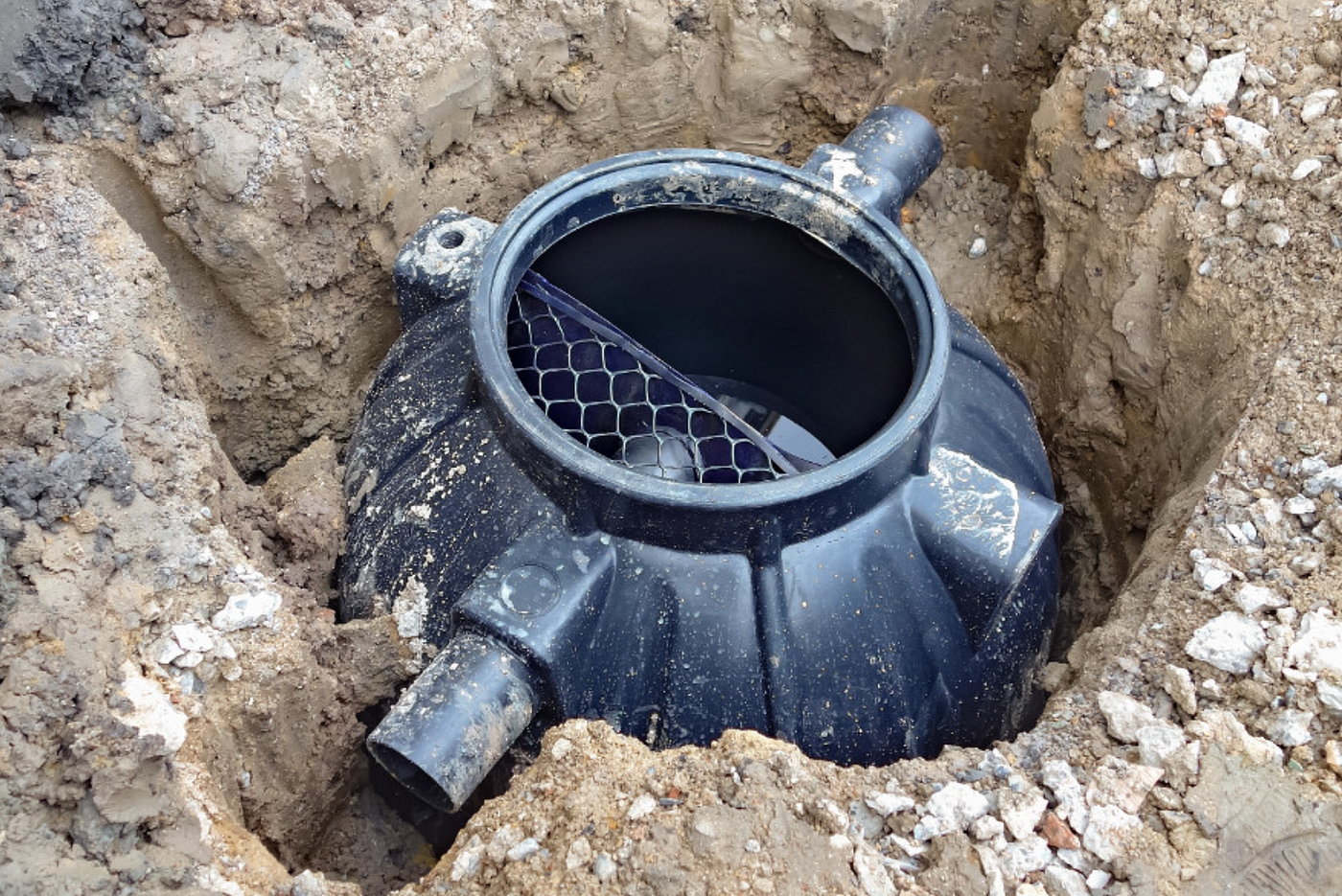
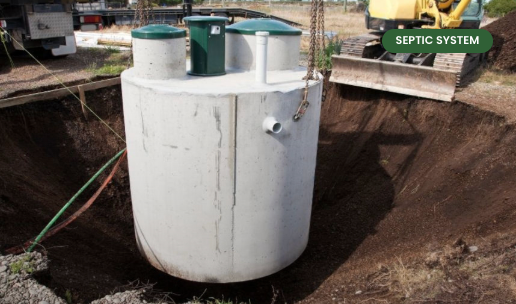
A leach field, also known as a drainfield, is a critical part of any septic system. After wastewater leaves the septic tank, it flows into the leach field where it is distributed into the surrounding soil. Natural biological processes within the soil then filter and treat the wastewater before it returns to the environment.
When the leach field becomes clogged, saturated, or damaged, wastewater can no longer drain properly, causing problems throughout the entire septic system.
Warning Signs of a Failing Leach Field
Leach field issues often develop gradually. Common signs include:
- Slow-draining sinks, showers, and bathtubs
- Toilets that flush poorly
- Gurgling sounds in plumbing fixtures
- Sewage odors around the yard
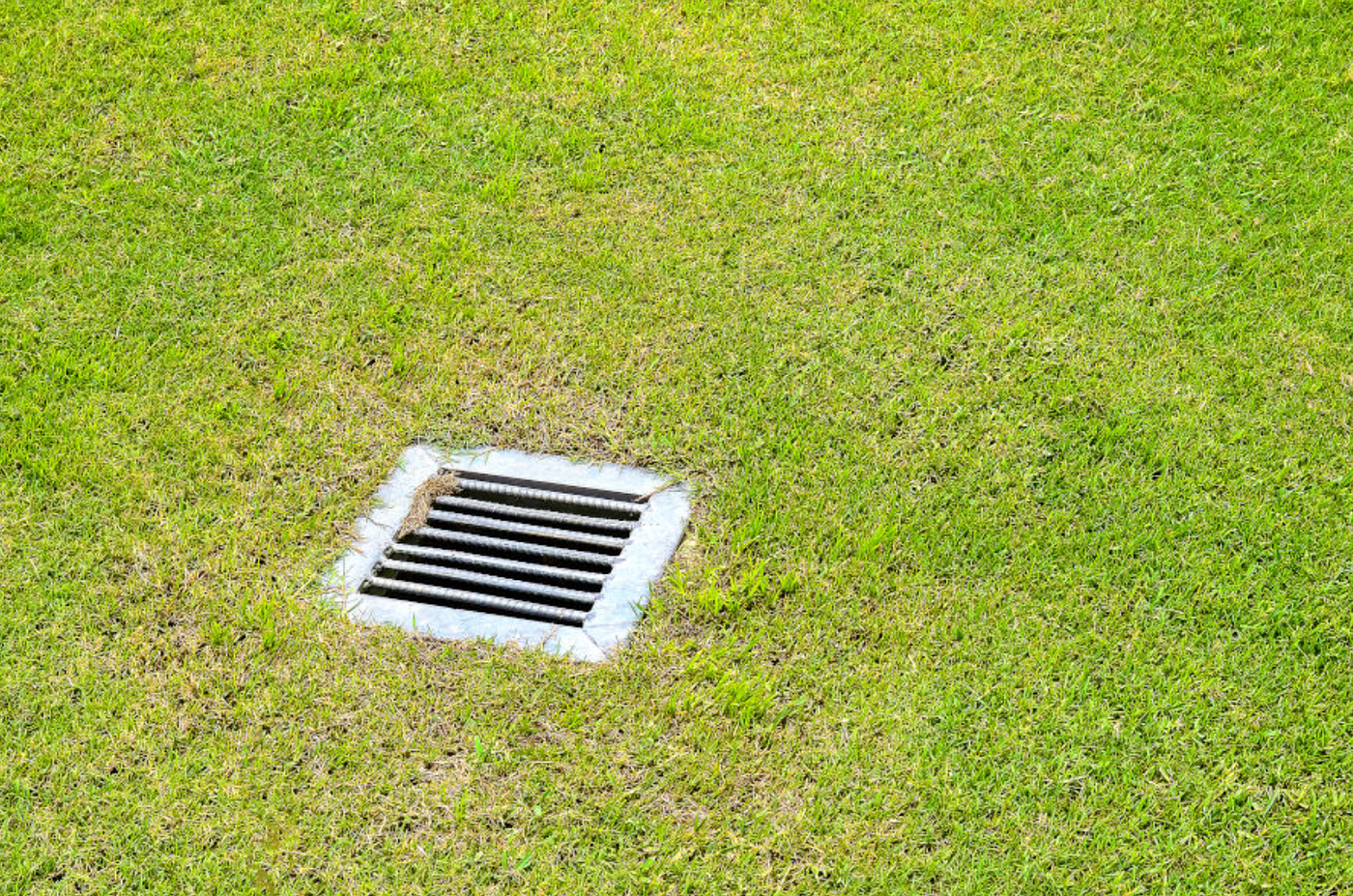
- Wet or soggy areas above the drainfield
- Standing water near the septic system
- Sewage backups inside the home
- Unusually green or fast-growing grass over the field
If you notice any of these symptoms, scheduling an inspection as soon as possible can improve the chances of successful restoration.
Why Leach Fields Fail
Several factors can contribute to drainfield failure.
One of the most common causes is hydraulic overloading, which occurs when excessive water enters the septic system. Frequent laundry loads, plumbing leaks, or high household water usage can overwhelm the field’s ability to absorb wastewater.
Another issue is biological buildup. Over time, solids, grease, and organic material can create a thick biomat layer that restricts drainage and reduces soil absorption.
Tree root intrusion is another common problem. Roots naturally seek moisture and can invade septic lines, creating blockages and damaging components. Soil compaction from vehicles, heavy equipment, or construction activities can also reduce the soil’s ability to filter wastewater effectively.
In some cases, simple aging is the culprit. Even well-maintained septic systems eventually experience wear and reduced efficiency.
Restoration Options That May Save Your Leach Field
Fortunately, restoration is possible in many situations.
High-pressure jetting can remove buildup from septic lines and improve wastewater flow. Some systems benefit from biological treatments that introduce beneficial bacteria and enzymes to help break down accumulated organic matter.
Field rejuvenation techniques may improve soil permeability and restore proper wastewater absorption. In certain cases, soil aeration methods can reduce compaction and increase oxygen levels, helping beneficial microorganisms thrive.
Modern drainfield restoration technologies can also improve drainage and extend the life of an existing system without requiring full replacement.
When Replacement Is Necessary
While restoration can be highly effective, it is not always possible. A new leach field may be required if the existing field has suffered severe structural damage, extensive root intrusion, unsuitable soil conditions, or has simply reached the end of its useful lifespan.
A professional evaluation is the best way to determine whether restoration or replacement is the right solution.
Protecting Your Septic System for the Future
Regular maintenance remains the best defense against leach field failure. Routine septic pumping, water conservation, proper waste disposal, and periodic inspections can significantly extend the life of your septic system.
If you’re wondering whether your leach field can be restored, don’t assume replacement is your only option. An early inspection may reveal cost-effective restoration opportunities that can keep your septic system operating efficiently for years to come.
메타데이터
- post_id
- 6a2aa6b323db
- slug
- can-a-leach-field-be-restored-what-homeowners-should-know-before-replacing-their-septic-system-6a2aa6b323db
- url
- https://medium.com/@allseptic/can-a-leach-field-be-restored-what-homeowners-should-know-before-replacing-their-septic-system-6a2aa6b323db
- canonical_url
- https://medium.com/@allseptic/can-a-leach-field-be-restored-what-homeowners-should-know-before-replacing-their-septic-system-6a2aa6b323db
- author_url
- https://medium.com/@allseptic
- status
- ok
- fetched_at
- 2026-07-14 00:49:32