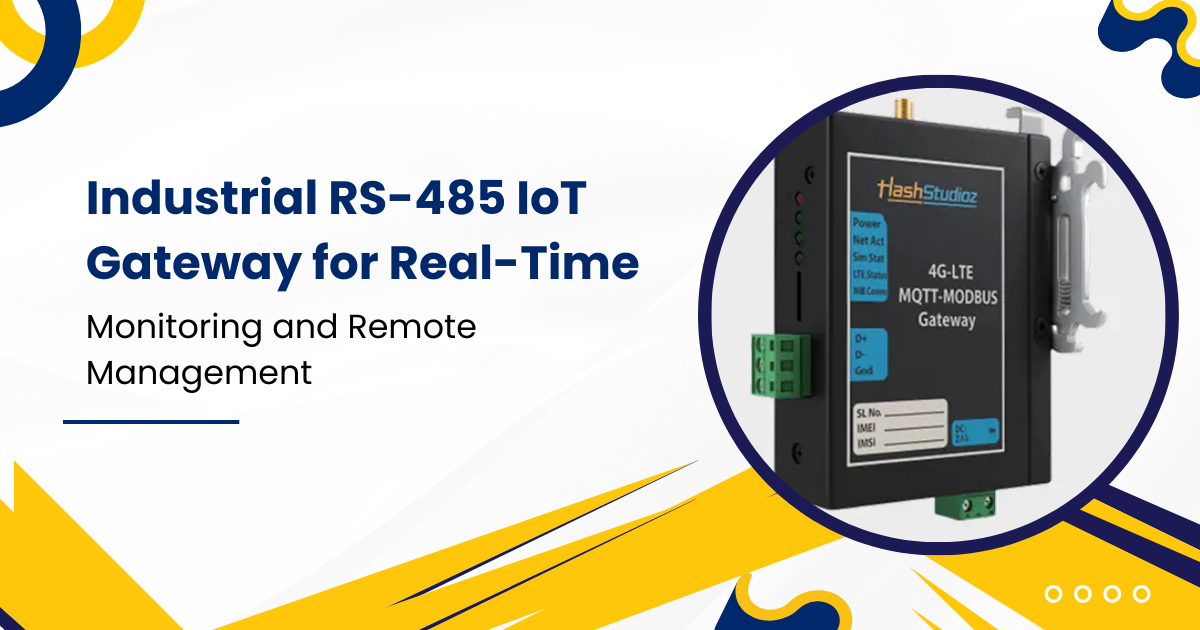
How an RS-485 IoT Gateway Improves Connectivity in Smart Factories
If you walk into any modern factory today, you’ll notice something right away: almost everything is getting connected. Machines that used…
How an RS-485 IoT Gateway Improves Connectivity in Smart Factories
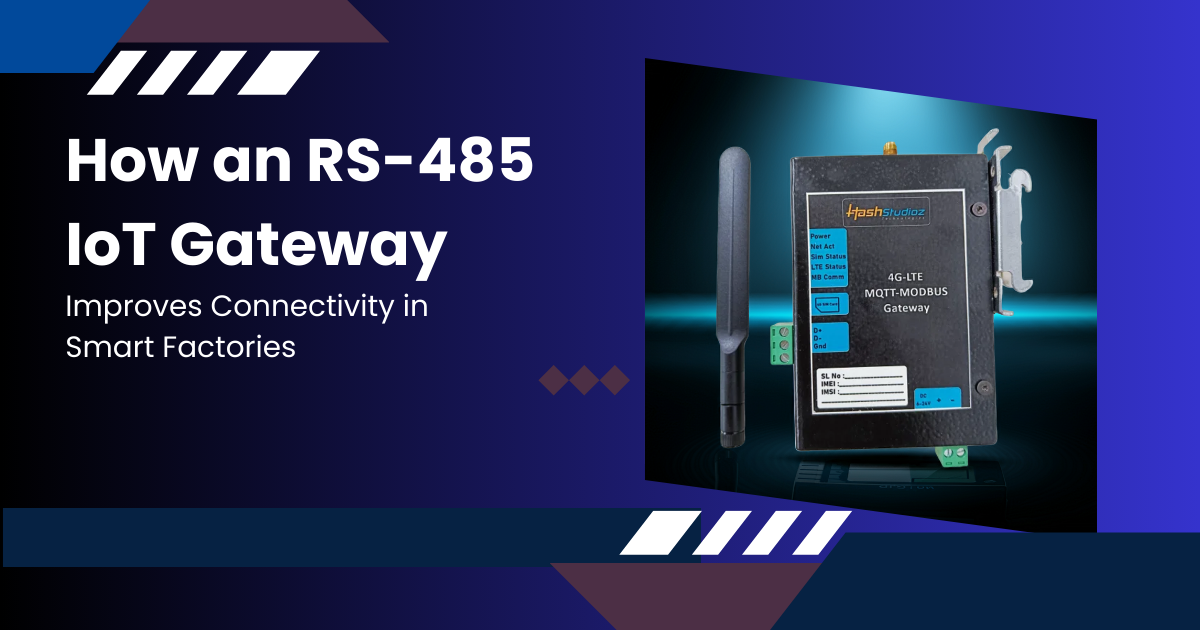
If you walk into any modern factory today, you’ll notice something right away: almost everything is getting connected. Machines that used to run on their own now feed data to dashboards, supervisors check performance from their phones, and routine checks that once took hours happen in seconds. Industry reports suggest that the industrial IoT market will reach USD 600 billion by 2030, and factory-level device connectivity is growing at more than 12% each year.
But here’s the interesting part — despite all the new technology, a huge number of machines still rely on RS-485. Some estimates say more than 70% of industrial equipment uses RS-485 for communication. These systems are old, tough, reliable, and they just keep running.
The problem is that RS-485 wasn’t made for cloud connectivity. It wasn’t made for IoT dashboards or remote monitoring. And that’s where the RS-485 IoT Gateway steps in. It gives older machines a way to “speak” to modern systems without replacing hardware that still works perfectly fine.
Why RS-485 Remains Important
RS-485 may seem outdated compared with Ethernet or wireless protocols, but factories continue to depend on it for a simple reason: it works. It handles long cables, electrical noise, and harsh environments better than most new systems.
Some reasons it still holds its ground:
- It can send data up to 1200 meters.
- It supports several devices on a single line.
- It remains stable even near noisy industrial equipment.
- It’s cost-effective for large setups.
- Many PLCs and controllers were designed around it years ago.
Replacing all those machines would cost a fortune, and most companies don’t want to fix something that isn’t broken.
What the RS-485 IoT Gateway Really Does
Think of the RS-485 IoT Gateway as a translator sitting between old devices and new systems. It takes serial data from RS-485 devices and converts it into a format that modern networks understand — Ethernet, Wi-Fi, or even 4G.
In simple terms, the gateway:
- Reads Modbus RTU or other RS-485 data.
- Sends it to networks using newer protocols like Modbus TCP or MQTT.
- Allows two-way communication when needed.
- Connects legacy machines with cloud or edge platforms.
Manufacturers don’t have to replace anything. They just add this gateway, configure it, and the machine becomes “connected.”
The Need for Better Connectivity in Smart Factories
Smart factories rely on real-time decisions. Production teams want to know what’s happening on the floor in real time. Delays hurt efficiency, response time, and product quality.
A few things become much easier when machines stay connected:
- Monitoring running equipment
- Predicting failures
- Improving throughput
- Reducing downtime
- Managing energy usage
- Automating reports
The RS-485 IoT Gateway gives older machines a reliable way to join these newer workflows.
Technical Advantages (Explained Simply)
1. Support for Modbus RTU and Modbus TCP
Most RS-485 devices use Modbus RTU. The gateway turns this into Modbus TCP, which works with modern SCADA systems and cloud platforms.
2. Connects Multiple Devices at Once
A single RS-485 line can host several devices. The gateway handles all of them and forwards that data.
3. Industrial-Grade Design
These gateways tolerate heat, vibration, and dusty environments better than consumer devices.
4. Different Network Options
Factories choose what suits them:
- Ethernet
- Wi-Fi
- 4G LTE or NB-IoT
- Edge systems
5. Built-In Security
TLS, user authentication, and secure MQTT help protect factory networks.
How It Improves Real-Time Monitoring
Before IoT upgrades, RS-485 data often sat inside controllers, only visible during inspections. With the gateway, data moves continuously to dashboards, phones, or central servers.
This brings clear benefits:
- Faster alerts
- Better handling of quality issues
- Smooth production tracking
- Less guesswork during troubleshooting
Example
A motor pump sends vibration and temperature data over RS-485. The gateway forwards that data every few seconds. If the temperature rises too fast, the system sends an alert. Teams catch the issue early instead of reacting after a breakdown.
Reduces Manual Work
Many plants still rely on clipboards and handwritten notes. Operators walk around checking readings. It’s slow and often inaccurate.
With a gateway installed:
- Data appears automatically
- Human errors drop
- Reports stay consistent
- Teams spend less time logging and more time fixing problems.
Example: Energy Meters
Dozens of energy meters can be linked on one RS-485 line. The gateway collects all readings and sends them to the energy management system.
1. Helps with Predictive Maintenance
Machines rarely break without warning. They show early signs — heat, vibration, pressure changes — which are visible through RS-485 data.
The gateway sends these readings to analytics systems. This helps the plant shift from reactive to predictive maintenance.
2. Cloud and Edge Support
Some gateways push data directly to cloud platforms like AWS or Azure. Others support edge computing, where local logic filters and analyzes data before sending it anywhere.
This helps:
- Reduce cloud traffic
- Improve response time
- Maintain operations even when the internet fails.
Industry Use Cases
1. Manufacturing
PLCs, counters, and temperature controllers use RS-485. The gateway brings them into MES or SCADA systems.
2. Building Automation
HVAC, chillers, utility meters — many run on RS-485. Gateways support centralized control dashboards.
3. Energy and Utilities
Factories track water, gas, and power usage through RS-485 meters.
4. Agriculture
Greenhouses use RS-485 sensors to monitor climate and soil.
5. Warehouses
Sorting lines, conveyors, and scanners often rely on RS-485.
A Real-World Example
A mid-sized plastic molding plant used RS-485 for machine readings. Staff recorded values manually every hour.
Before:
- Delayed visibility
- Missed warnings
- Frequent breakdowns
After installing RS-485 IoT Gateways:
- Data refreshed every few seconds.
- Predictive alerts prevented failures.
- Downtime fell noticeably
- Efficiency improved by 18%
- Maintenance costs dropped
They modernized operations without buying new machines.
Conclusion
As factories move toward Industry 4.0, consistent data flow becomes essential. Most machines still run on RS-485, and replacing them is expensive and unnecessary. A reliable **RS-485 IoT Gateway** gives these machines a practical way to connect with new systems.
It supports real-time monitoring, predictive maintenance, energy management, and better operational visibility. For many plants, it’s the simplest bridge between long-running industrial equipment and the future of connected manufacturing.
메타데이터
- post_id
- 6a2d56cac3ef
- slug
- how-an-rs-485-iot-gateway-improves-connectivity-in-smart-factories-6a2d56cac3ef
- url
- https://medium.com/@jameshuntmarketer/how-an-rs-485-iot-gateway-improves-connectivity-in-smart-factories-6a2d56cac3ef
- canonical_url
- https://medium.com/@jameshuntmarketer/how-an-rs-485-iot-gateway-improves-connectivity-in-smart-factories-6a2d56cac3ef
- author_url
- https://medium.com/@jameshuntmarketer
- status
- ok
- fetched_at
- 2026-07-14 13:39:04