Clean UX : Designing without manipulation is more efficient
Creating best practices to design without manipulation
Clean UX : Get better results by designing without manipulation
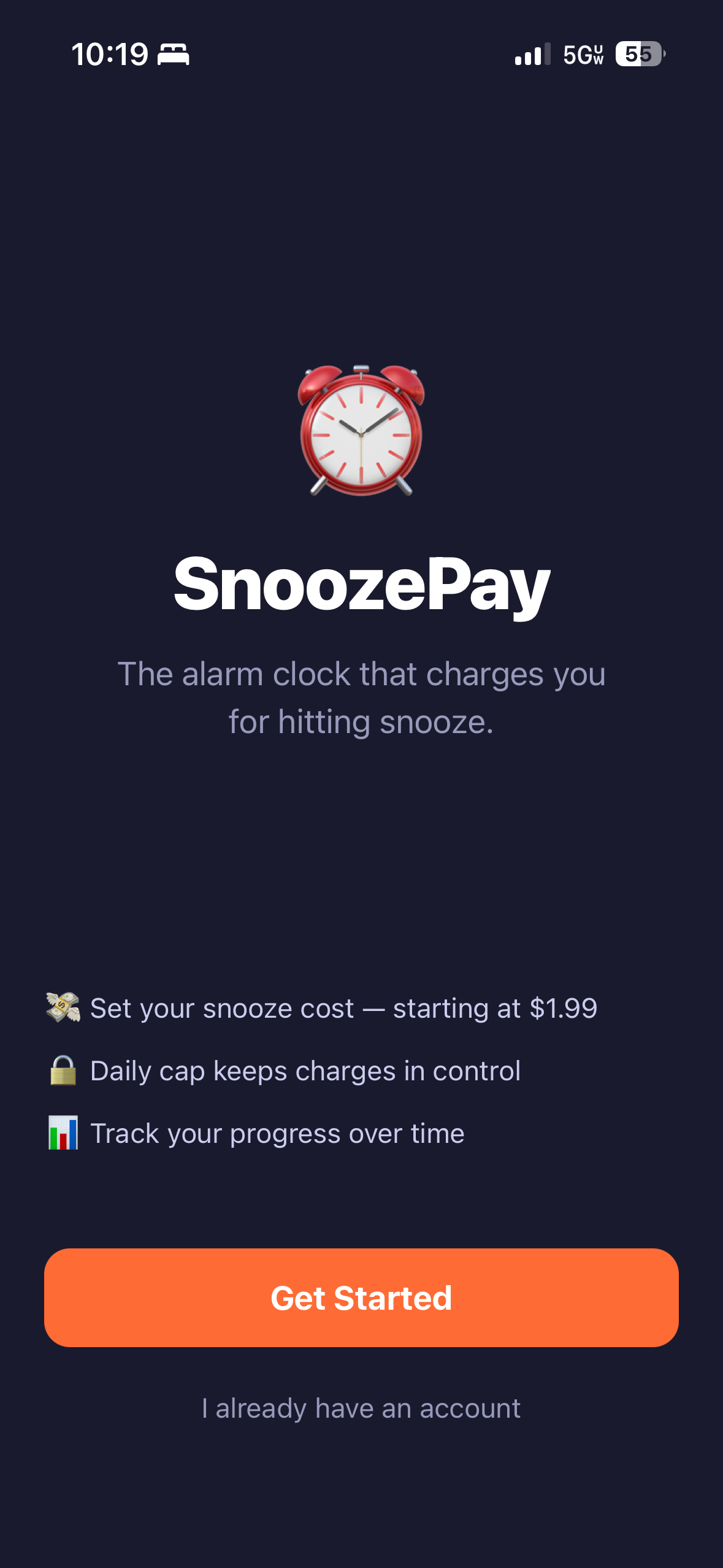
Design is the art of voluntarily shaping a product, but it comes with its set of bad practices : the dark design patterns that aim to manipulate users [1]

An imbalance of power
This issue of manipulative design patterns is a problem because there is an unfairness of balance of power: On one side you have a dummy user and on the other side you (might) have a full team of experienced designers and behavioral psychologists.
And they know exactly what are the effective patterns, and even more, they can test concretely if they succeed in pushing user’s buttons thanks to A/B testing
It’s a problem because these designs can impact millions of people at once and because computers allow more effectiveness in the manipulation
The unfair advantages of computers
Designers can create manipulative patterns but it’s even more a problem with computers because it creates new characteristics [2] :
- Computers can ask a question as much as they want until you accept, without being tired or ashamed. Hello youtube premium ?
- Computers have a (false) sense of neutrality : People trust more the answer of Google than the one from a person. Also they feel like they are anonymous using their computer so they are less self-aware
- Computers can access more (personal) data : Computers can also access a huge amount of data to be able to analyse and adapt their behavior to you
Enters a new contender: AI
Him again ! With the development of AI, the manipulation will be able to enter new kingdoms. Until then, developers had to anticipate situations beforehand in order to create manipulative patterns. But with AI, it can be done way more dynamically
- Personal AI are talking : AI such as ChatGPT are talking so they suddenly have easy access to all language patterns, and thus it could be manipulating using emotions or social pressure
- AI can be trained on you : Before AI, the solution was often a one-fit-all-solution even if it had some customization. But with AI, it will be possible to tailor the answers to specifically our behaviors. Imagine having something that knows exactly how to push YOUR buttons ? For example it was the project presented in 2016 in a video from Google X [3], where they proposed using tailored data to change people’s behavior
- AI is even more trusted : People often ask advices and opinions to AI. The current version tries to take a neutral stance but it could be way more (subtly or not) opinionated
- AI is even more an unfair battle : AI tool scale even more than traditional computers. You can have one team of 10 worldwide experts that build the best AI manipulative tool and they will be able to sell it to everybody. And suddenly, you the mere mortal, are alone against the best of the worlds
We need new standards for UX
We can’t accept all this as the mere effect of open market and competition. We need to design best practices and design patterns that are fair and clean. It’s possible to design without unfairly manipulate the users
First step is to be able to measure and label manipulative pattern (dark pattern). You can check this article to know more about it
Second step is to develop a set of design standards that are clean : Clean UX
A solution : Clean UX
Clean UX is a set of practices that focus on avoiding manipulating people
It takes some of its inspiration from Clean language (Grove, 1980 [4]), a therapeutical practice that aims to avoid influencing the patient during the sessions :
- Asking question as neutral as possible
- Avoid (the therapist) personal assumptions
- Avoid (the therapist) personal vision of the worlds and metaphor or the world
It’s important because the goal of a therapy is to help the patient explore their own solutions and build its own worldview. It’s a matter of efficiency : What better tools can there be than the ones that fit exactly the patient ?
There are also secondary benefits for the therapist or anybody striving to use clean language
- You get more aware of all your assumptions and personal limitations you have
- You get more aware of the diversity of worldviews that people can have so you can build better solutions
- And the most important : You build a way better trust with the people you talk with. Because people can feel your authenticity, the fact that you are neutrally listening and that you accept them. What’s best to create a strong relationship and to nurture the other ?
Clean UX makes our designs stronger
Something important to be noted, in my opinion, Clean UX is not mainly about inclusivity or not bothering anyone. On the opposite it’s about excellence, getting as good as possible and exploring what you can. The goal is to remove any unnecessary roadblocks in order to create more efficient tools, mindsets and patterns that fit the users. The goal is to cut the bullshit, not to add more bullshit
What we want and why it’s efficient
- Authenticity : We want tools that avoid manipulation and bullshit and talk straight and clearly, whatever it be with words or with design patterns. And this is something that people can feel and that drive engagement. Either from the internal teams that build the products or from the users that use the products
- Excellence and liberty driven : We want to create tools that are driven by the idea to help users being excellent and more free. The kind of tools that are easy to pick and hard to master. That let the user imagine new paths and usages. And that’s exactly the kind of tools that people love and that drive strong long term engagement
- Trust, credible neutrality and fairness : A tool should stay a tool and only help you do well what you want to do. It should not try to influence you and you should not wonder if the tool has modified its behavior to influence you. You should be able to use the tool with confidence and trust, building a long term relationship
Clean UX needs to be formalized
What are the concrete solutions ?
The main part is to check if you’re using dark patterns and remove them. For that we need to develop clear dark patterns library, and create alternative correct patterns and a set of good practices. That’s a work that us designer can do for the industry
One second part is about the transparency of informations
- If you adapt dynamically your tool to the user (with AI or else) : Tell the user, explain to him why you did it and what are the impacts, and allow it to revert it back
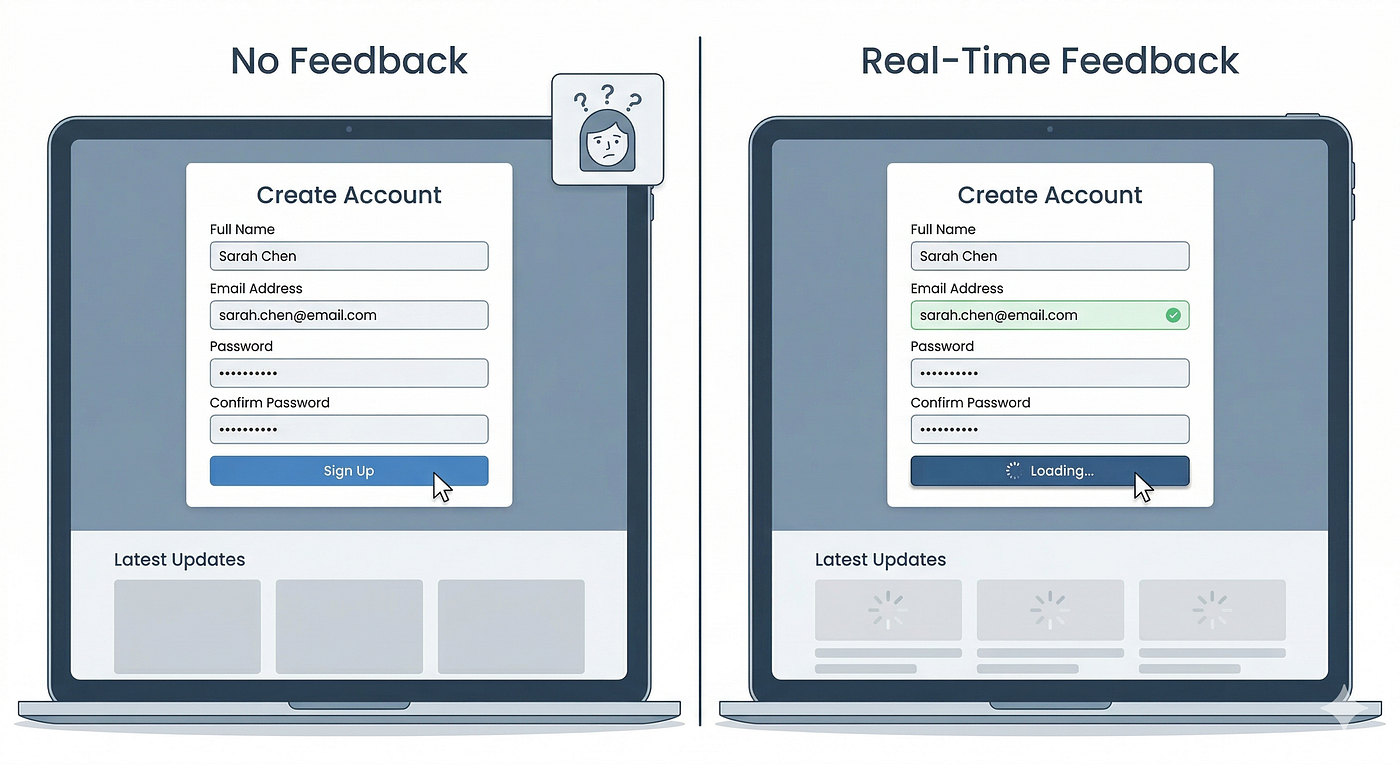
- Be very clear on the implication of things and actions: Clear feedback on what happens after its actions, clear information on how things will be used, for example its data
Last part is during the conception where we can strive to build features that empower users : Striving for simplicity, less features but more mastered. Features that are easy to pick but hard and rewarding to master. The goal is that users are less slave of our tools (required to follow them) but master of them
There are a lot of things to solve and build here, good luck to all of us !
References [1] Deceptive patterns library [2] B.J Fogg, Persuasive technology using computers to change what we think and do [3] Google X, the selfish ledger (The verge) [4] Clean language website
메타데이터
- post_id
- 6a9e6cf2df10
- slug
- clean-ux-designing-without-manipulation-is-more-efficient-6a9e6cf2df10
- url
- https://medium.com/design-bootcamp/clean-ux-designing-without-manipulation-is-more-efficient-6a9e6cf2df10
- canonical_url
- https://medium.com/design-bootcamp/clean-ux-designing-without-manipulation-is-more-efficient-6a9e6cf2df10
- author_url
- https://medium.com/@wilfriedr
- status
- ok
- fetched_at
- 2026-07-18 14:39:10