The Psychology of Panic — How Fire Fighting Design Influences Human Behaviour
Just imagine this scenario, the fire alarm goes off. There’s a loud buzz, flashing lights, maybe a recorded voice telling you to evacuate…
The Psychology of Panic — How Fire Fighting Design Influences Human Behaviour
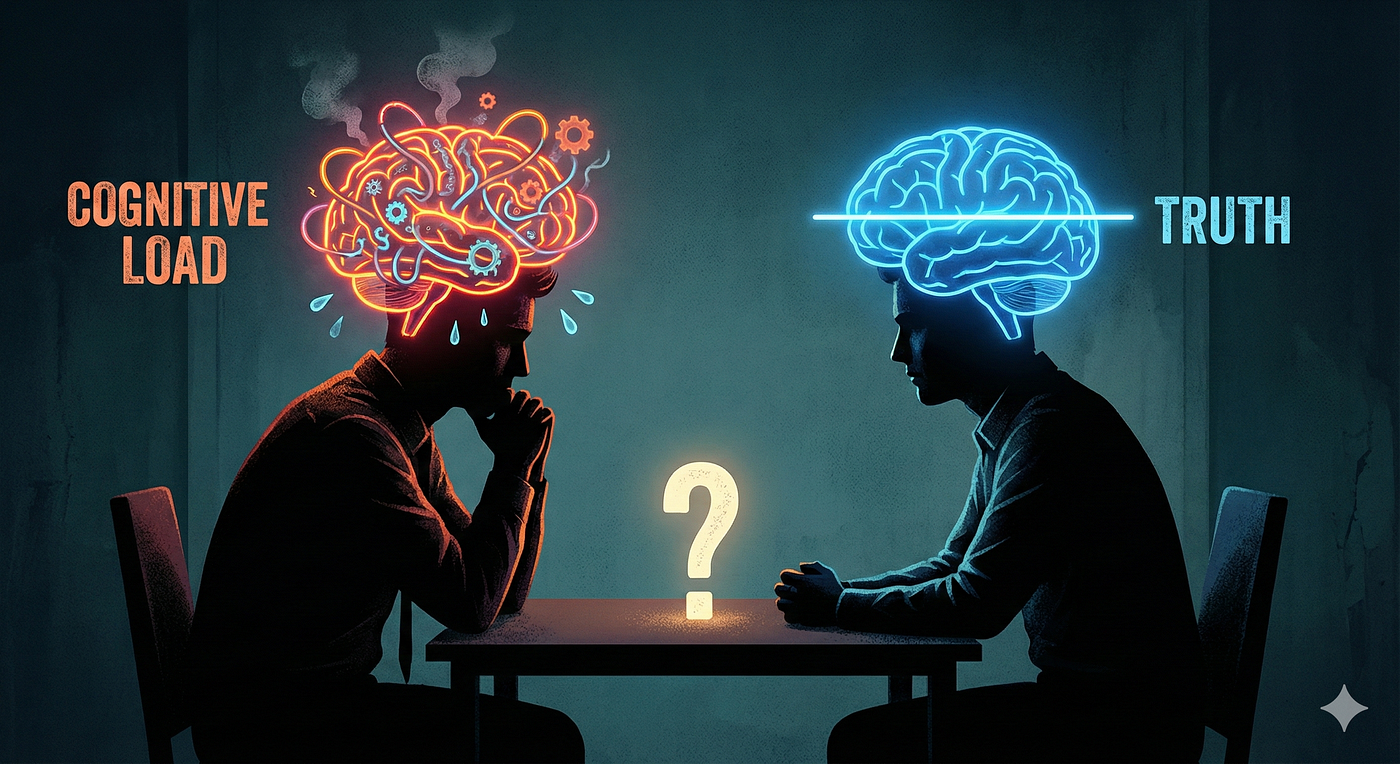
Just imagine this scenario, the fire alarm goes off. There’s a loud buzz, flashing lights, maybe a recorded voice telling you to evacuate. But instead of people calmly filing out of the building… chaos breaks out. Some people freeze. Others run in the wrong direction. Some go looking for personal belongings. Sound familiar?
That’s not a failure of the people. It’s often a failure of the fire fighting system design—and behind that, a lack of understanding of human psychology in emergencies.
Let’s break this down. Because a truly effective fire safety system isn’t just about alarms and extinguishers—it's about designing for how people actually behave, not how we expect them to.
People Don’t Panic the Way You Think They Do
The biggest myth? That people immediately panic in a fire. In reality, most delay action.
Research shows many people try to rationalise the alarm:
- “Maybe it’s a drill.”
- “Should I finish this email first?”
- “It’ll stop in a minute.”
**Fire Fighting Consultants who understand this behavioural lag can design systems that prompt quicker reactions. For example, alarms with clear voice instructions** tend to trigger faster evacuation than just a siren. Why? Because they remove doubt.
Exit Signs Alone Aren’t Enough
People don’t study escape routes in advance. In panic mode, they usually head out the way they came in—even if that route is unsafe.
Good fire fighting contractors go beyond installing signs. They plan for intuitive movement. That means:
- Wide, well-lit paths that feel like exits
- Non-slippery, obstacle-free corridors
- Doors that open easily, even under stress
In short, designing for instinct, not instruction.
Group Behaviour Can Save or Sabotage
Here’s something strange: people often look around and copy what others are doing, even during a crisis. If no one’s moving, they don’t either.
That’s why Fire Fighting Consultants sometimes recommend staggered alarm triggers. If one part of the floor hears the alarm slightly earlier, those people start moving—and influence others to follow.
Smart design can use psychology to guide, not just alert.
The Role of Colour, Sound, and Lighting
When you’re designing for emergencies, the little things matter.
- Red lighting can increase anxiety
- White flashing lights are often ignored in bright spaces
- Pulsing tones grab more attention than continuous sounds
Experienced **fire fighting contractors** work with architects and behavioural experts to get these sensory cues just right. You want urgency—but not confusion. Alertness—but not fear.
Training is Good. But Design is Better.
Yes, fire drills help. But let’s be honest—how many people really take them seriously? And what happens when they forget everything in the heat of the moment?
That’s why the best Fire Fighting Consultants focus on fail-safe design. Systems that work even when people don’t follow the plan. For example:
- Exit routes that are visible from anywhere in the room
- Doors that unlock automatically when alarms are triggered
- Fire suppression systems that activate without human intervention
Smart design compensates for human unpredictability.
Panic Is a Design Problem, Not a Human Problem
Too often, fire incidents are followed by blame: “Why didn’t people evacuate faster?” or “Why did someone go back for their phone?”
The better question is: did the fire fighting system make the right behaviour the easiest behaviour?
That’s the challenge—and responsibility—facing today’s fire fighting contractors and consultants.
Final Thought: Design with the Human in Mind
Technology is advancing. We now have heat sensors, automated suppression systems, and intelligent alarms. But all of that is wasted if it ignores the human factor.
Fire safety isn’t just about equipment. It’s about psychology, instincts, and behaviour under stress.
The best Fire Fighting Consultants don’t just install systems—they design experiences. Ones that guide people calmly and safely out of danger. Because in those first few minutes, the way people feel can be just as important as the way the system works.
Want your fire safety system to protect more than just property? Speak to **Unique Engineers, fire fighting contractors** who understand both engineering and human nature.

메타데이터
- post_id
- 6a9f26bc79ff
- slug
- the-psychology-of-panic-how-fire-fighting-design-influences-human-behaviour-6a9f26bc79ff
- url
- https://medium.com/@uniqueengineers/the-psychology-of-panic-how-fire-fighting-design-influences-human-behaviour-6a9f26bc79ff
- canonical_url
- https://medium.com/@uniqueengineers/the-psychology-of-panic-how-fire-fighting-design-influences-human-behaviour-6a9f26bc79ff
- author_url
- https://medium.com/@uniqueengineers
- status
- ok
- fetched_at
- 2026-08-28 04:55:01