Why Verified Powerlifting Competitions Matter More Than Ever
Powerlifting has always been built on a simple idea: the strongest lifter wins, provided every lift meets the same standard. That sounds…
Why Verified Powerlifting Competitions Matter More Than Ever
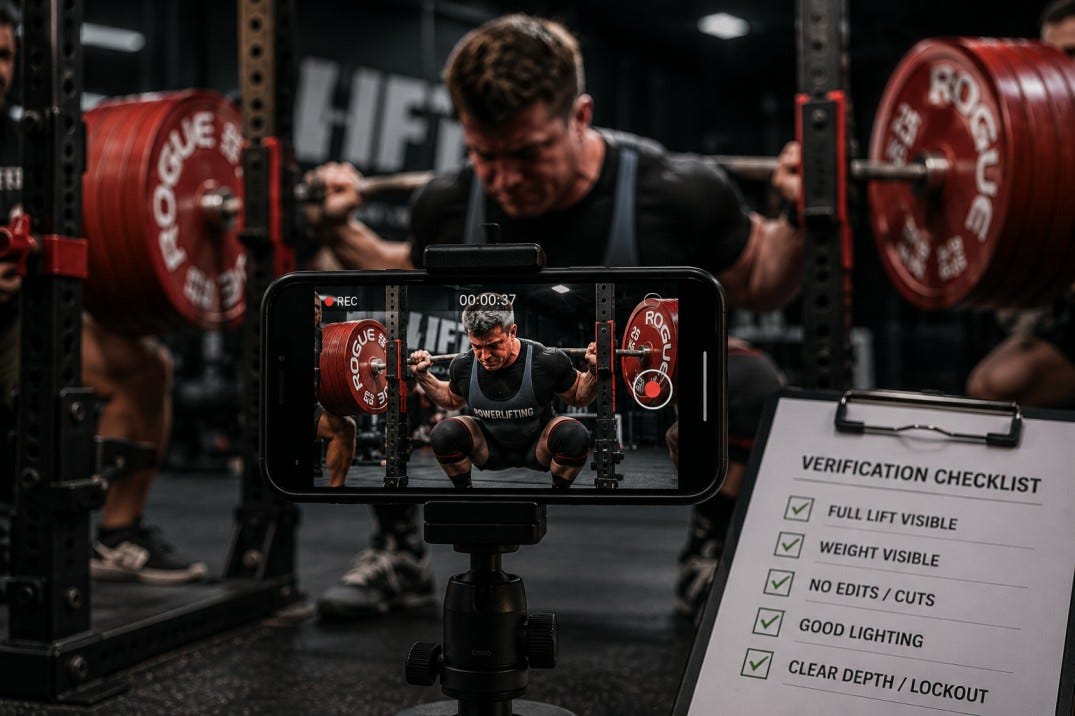
Powerlifting has always been built on a simple idea: the strongest lifter wins, provided every lift meets the same standard. That sounds straightforward until the competition moves online. Once athletes begin lifting in different gyms, different cities, or even different countries, trust becomes just as important as strength. A verified lift video bridges that gap. It gives judges a clear view of the attempt, helps athletes compete under consistent standards, and gives everyone confidence that the leaderboard reflects real performance rather than unverified claims.
This is one of the biggest reasons online powerlifting has continued to grow. Athletes no longer have to travel long distances to test themselves against others, but that convenience only works if every submitted result is held to the same level of scrutiny. A verified video isn’t there to make competition more complicated. It’s there to protect the value of every successful lift.
Online Powerlifting Only Works When Athletes Trust the Results
In a traditional meet, lifters share the same platform, the same equipment standards, and the same judging panel. Every squat, bench press, and deadlift is watched in real time by experienced referees, leaving little room for uncertainty.
Online competitions are different.
One athlete might lift in a commercial fitness center during the evening rush. Another might compete from a dedicated strength gym with calibrated plates and competition racks. Someone else may be lifting in a home garage. The equipment, surroundings, lighting, and camera quality can all vary, yet the expectation remains exactly the same: every athlete deserves to be judged fairly.
That is where verification becomes essential.
Instead of asking judges to rely on reported numbers alone, online competitions use video submissions as evidence. The recording allows officials to review each attempt carefully, apply the same technical standards to every competitor, and approve only the lifts that meet the required criteria.
Without that process, rankings would quickly lose credibility.
Imagine scrolling through an online leaderboard where athletes simply enter their best lifts without any supporting evidence. Most competitors would probably be honest, but even a handful of questionable submissions would raise doubts about the entire competition. Once confidence disappears, so does the value of the results.
Verified videos prevent that problem before it starts.
Trust Is Earned Through Evidence, Not Reputation
One of the most respected qualities in powerlifting is fairness. The sport has never rewarded popularity or reputation. A first-time competitor and a national champion both stand in front of the same barbell, and both are expected to complete the lift according to the same technical rules.
That principle shouldn’t change simply because the competition takes place online.
A verified recording allows every attempt to be judged on what actually happened during the lift instead of who performed it. Judges don’t need to guess whether a squat reached depth or whether a deadlift finished with full control. They can review the footage and make their decision using the same standards applied to every other athlete.
This creates something that every serious competitor values: confidence in the results.
Athletes spend months preparing for a competition. Training plans are adjusted around work schedules, recovery is carefully managed, and every kilogram added to the bar represents weeks of consistent effort. When those athletes submit a lift, they want to know the outcome depends on the quality of their performance, not on assumptions or incomplete evidence.
Verification provides that reassurance.
It also protects honest competitors. If two lifters both claim the same total, the one who follows the recording requirements and completes technically sound lifts deserves to have those results recognised without unnecessary debate.
What Makes a Lift Worth Verifying?

Recording a heavy lift is easy. Recording one that can be judged with confidence takes more attention.
A common misconception among new competitors is that any smartphone video is enough. In practice, judges need to see the complete attempt from start to finish. Missing details often create more questions than answers.
The camera should remain steady and capture the full movement. The athlete, the barbell, and the loaded plates all need to remain visible throughout the lift. Cutting away before the lift finishes or zooming in too closely can remove information judges rely on to make an accurate decision.
Lighting also plays a larger role than many athletes expect.
A technically perfect squat can become difficult to evaluate if the athlete is standing in heavy shadows. A deadlift filmed from directly in front of the platform may hide the lockout position. Small recording mistakes can make it impossible to judge an otherwise successful attempt.
Good verification is less about producing a polished video and more about eliminating uncertainty.
The clearer the recording, the easier it becomes for judges to focus on the lift itself rather than trying to interpret missing information.
Small Details Decide Whether a Lift Counts
Powerlifting has always been a sport of details.
A squat that stops a few centimetres above the required depth won’t receive white lights simply because the weight was impressive. The same applies to a bench press that never pauses or a deadlift finished without complete control. Technical standards exist to ensure every athlete competes under the same conditions.
Video verification gives judges the opportunity to examine those details carefully.
For a squat, officials look for clear evidence that the athlete reaches the required depth before standing back up. Camera placement plays an important role here. A poor angle can hide the hip position and make an accurate decision difficult.
Bench press attempts require visibility from the moment the bar leaves the rack until it is safely returned. Judges pay attention to bar control, the pause on the chest where required, and the completion of the lift without movement that would invalidate the attempt.
Deadlifts often appear to be the simplest movement, yet they also demand careful review. Officials need to see a complete lockout with the knees and hips fully extended before the bar is lowered. If the recording ends too early or the athlete moves out of frame, confirmation becomes much harder.
These standards are not intended to make lifting more difficult. They exist because consistency is what gives competition its meaning. A personal record only carries weight when everyone agrees it was achieved under the same rules as every other lift on the leaderboard.
Why Verified Lift Videos Create Fair Competition

Ask a group of experienced powerlifters what makes a competition enjoyable, and you’ll hear plenty of answers. Some compete for personal records. Others enjoy testing themselves against athletes they have followed for years. Many simply appreciate being part of a community that values hard work and discipline.
Almost everyone agrees on one point: the results have to be fair.
Fairness isn’t measured by who wins. It’s measured by whether every athlete is judged using the same standards. That’s much easier to achieve when every lift can be reviewed before it becomes part of the official standings.
A verified video gives judges the opportunity to make decisions based on evidence instead of memory or opinion. If an attempt is close, they can review the movement again rather than relying on a split-second impression. That extra level of confidence benefits every competitor, especially when rankings are separated by only a few kilograms.
It also reduces unnecessary disagreements.
Without video evidence, discussions often become subjective. One person believes a squat reached depth. Another is convinced it stopped high. A third remembers the lift differently altogether. These situations rarely end with everyone satisfied because there is nothing objective to review.
A verified recording changes the conversation. Instead of debating what someone thinks they saw, judges evaluate what the camera captured.
That transparency helps athletes accept decisions, even when a lift is turned down.
Fair Standards Matter More Than Perfect Conditions
Every gym is different.
Some have competition-grade power racks and calibrated plates. Others have older equipment that has been used for years. Camera quality varies, lighting changes throughout the day, and available lifting space can differ from one location to another.
Those differences are part of online competition.
The goal isn’t to make every environment identical. The goal is to make sure every athlete is judged against the same lifting standards regardless of where the attempt takes place.
Think about two lifters attempting the same weight.
One trains in a dedicated strength facility with multiple cameras available. The other trains at a commercial gym using a smartphone balanced on a bench. Their surroundings are completely different, but if both recordings clearly show the entire lift, judges can still evaluate each attempt fairly.
That is one of the biggest strengths of video verification. It creates consistency without requiring athletes to compete in identical conditions.
Instead of comparing gyms, judges compare lifts.
Credible Rankings Mean More to Every Athlete
A leaderboard only has value if competitors believe the results are legitimate.
Athletes spend months preparing for competitions because rankings represent more than numbers. They reflect discipline, consistency, and years of training. Nobody wants to wonder whether the lifter above them submitted an incomplete recording or benefited from inconsistent judging.
Verified submissions remove much of that uncertainty.
Every approved lift has passed the same review process, giving athletes confidence that rankings reflect genuine performance.
This also makes achievements more meaningful.
Setting a personal record feels rewarding on its own, but earning a verified result that stands alongside other legitimate performances carries additional value. Athletes know their lift has been examined rather than simply accepted at face value.
That credibility extends beyond the competition itself.
Coaches reviewing an athlete’s history have greater confidence in verified results. Fellow competitors are more likely to respect posted totals. Spectators following the event can enjoy the competition without constantly questioning whether every lift was legitimate.
Trust grows because the process is transparent.
Common Recording Mistakes That Can Cost a Successful Lift

Many rejected submissions have nothing to do with strength.
The athlete completes the lift successfully, but the recording doesn’t provide enough information for judges to verify it.
Most of these problems are easy to avoid with a little preparation.
One of the most common issues is poor camera placement. If the camera sits too low or too close, judges may lose sight of important body positions during the movement.
Lighting creates another frequent problem. Bright windows behind the athlete or dark training areas can hide details that officials need to evaluate.
Some recordings begin after the athlete has already unracked the weight or end before the lift is fully completed. Even if the movement appears successful, missing those moments can make verification impossible.
Editing is another mistake competitors should avoid.
Cutting together multiple clips, trimming sections of the lift, or applying visual effects may improve a video for social media, but they reduce its usefulness for competition. Judges need to see one continuous recording that shows exactly what happened from beginning to end.
Athletes also overlook the importance of making the loaded weight visible. If officials cannot clearly identify the plates or barbell setup, confirming the claimed weight becomes much more difficult.
Most of these issues have simple solutions, yet they continue to appear because competitors focus entirely on the lift and forget that the recording is part of the submission.
Verified Videos Help Athletes Improve Beyond Competition Day
A verified lift isn’t valuable only because it appears on a leaderboard.
It also becomes a useful training resource.
Many experienced lifters review competition footage after the event to study their technique under maximum effort. A squat that felt perfectly balanced may reveal a slight forward lean. A bench press might show uneven bar path during the press. A deadlift could expose small positioning errors before the bar even leaves the floor.
These observations are difficult to notice while lifting, but they become obvious when watching the recording later.
Coaches benefit as well.
Instead of relying on memory or brief notes, they can analyse the entire attempt with the athlete. Small technical adjustments identified during one competition often lead to better performances at the next.
Over time, verified videos become a record of progress.
Looking back at lifts completed a year or two earlier gives athletes more than proof of increasing strength. It shows improvements in technique, confidence, consistency, and decision-making under heavy loads.
That long-term perspective is something many competitors appreciate after years in the sport.
Record Your Lift Like It Will Be Judged
Many athletes spend weeks planning their training cycle but only a few minutes preparing to record their competition attempt. That often leads to avoidable problems.
Before stepping up to the bar, take a moment to think from the judge’s perspective. Can the entire movement be seen? Is the lighting good enough to show body position clearly? Are the plates visible? Will the recording continue until the lift is completely finished?
A simple pre-lift check can prevent a successful attempt from being rejected because of recording quality rather than lifting technique.
A few habits make a noticeable difference:
- Position the camera where the entire lift remains in frame.
- Make sure the barbell and loaded plates are clearly visible.
- Record continuously from setup to completion without edits or cuts.
- Test the lighting before attempting a heavy lift.
- Ask someone to monitor the recording if another person is available.
These steps take only a few minutes, yet they remove many of the issues judges regularly encounter during the verification process.
Verified Competition Benefits the Entire Powerlifting Community
The impact of verification extends well beyond a single competition.
Every correctly verified lift strengthens confidence in online powerlifting as a whole. Athletes know that rankings are based on performance instead of assumptions. Coaches can point to official results with confidence. Organizers spend less time resolving disputes, and spectators can follow competitions without questioning whether the leaderboard reflects what actually happened on the platform.
This also encourages better habits among competitors.
Athletes become more familiar with technical standards because they know every lift may be reviewed. They pay closer attention to squat depth, bench press control, and deadlift lockout during training instead of waiting until competition day to discover small mistakes.
That naturally raises the quality of competition over time.
Verification also creates a valuable record of performance. Unlike a written result on a spreadsheet, a verified lift becomes part of an athlete’s competitive history. Months or years later, they can revisit those attempts, compare their progress, and see how their technique has developed alongside increasing strength.
For newcomers, this transparency makes entering an online competition far less intimidating. Knowing that everyone follows the same verification process removes much of the uncertainty that first-time competitors often feel. Instead of wondering whether experienced lifters receive special treatment, they can trust that every submission is reviewed using the same criteria.
Trust Gives Every Lift More Meaning
Powerlifting has always rewarded preparation, discipline, and consistent effort. A heavy lift is impressive on its own, but it carries greater value when everyone agrees it was performed according to the same standards.
Verified lift videos help preserve that confidence. They reduce unnecessary disputes, support consistent judging, protect the credibility of rankings, and give athletes confidence that their achievements are recognised fairly. As online competitions continue to attract lifters from different gyms, cities, and countries, transparent verification remains one of the strongest ways to maintain the integrity that has always defined the sport.
Platforms built around this philosophy demonstrate that remote competition can be every bit as credible as lifting on a physical platform. **GymLeague** follows this approach by requiring athletes to submit a single, unedited lift video for review before results are accepted, allowing competitors to measure their strength in a transparent environment where every verified performance is judged by the same standard.
메타데이터
- post_id
- 6ad6fa0de3da
- slug
- why-verified-powerlifting-competitions-matter-more-than-ever-6ad6fa0de3da
- url
- https://medium.com/@gymleague/why-verified-powerlifting-competitions-matter-more-than-ever-6ad6fa0de3da
- canonical_url
- https://medium.com/@gymleague/why-verified-powerlifting-competitions-matter-more-than-ever-6ad6fa0de3da
- author_url
- https://medium.com/@gymleague
- status
- ok
- fetched_at
- 2026-07-11 20:20:18