The Iran ‘Peace Deal’ That Feels Like a US Surrender
Uncover the hidden costs and looming consequences behind Washington’s fragile agreement.
The Iran ‘Peace Deal’ That Feels Like a US Surrender
Uncover the hidden costs and looming consequences behind Washington’s fragile agreement.
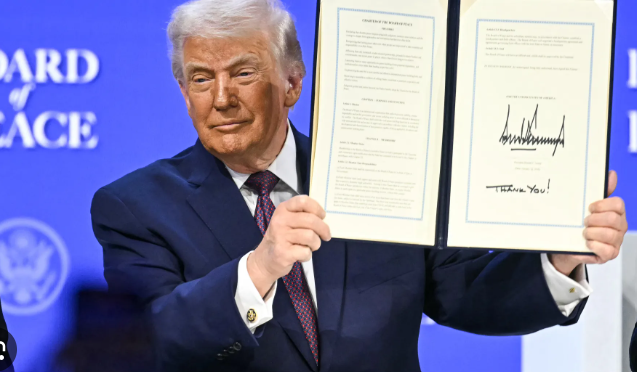
Image used from aljazeera
I’ve been watching the markets for a while now, and I have to be honest with you, what’s happening right now feels different. Not in a “this is normal volatility” way, but in a “several things are breaking at the same time” way. And when I sit down and actually connect the dots, it’s hard not to feel a little uneasy.
So let’s talk about it. Properly. No sugar-coating.
Is the War Really Ending, or Just Pausing?
So apparently, we’re just days away from a peace agreement being signed. Trump confirmed it, Pakistan confirmed it through mediation efforts that involved Qatar, and even Iran has confirmed it publicly.
On paper, that sounds like good news. But here’s where I have to push back a little. When I actually read through what’s being agreed to, this doesn’t look like a ceasefire between two equal sides. It looks like one side gave up a lot more than the other.
Call it whatever you want in the press release, but when you give up more than you get, that’s not a win. That’s a retreat dressed up nicely.
Why Iran Is Walking Away Feeling Like the Winner
Here’s the thing that really stood out to me. Iran has openly called this a victory, and honestly, when you look at the actual terms, it’s hard to argue with them. The central issue this whole war was supposed to be about was control of the Strait of Hormuz. And after everything, Iran still controls it.
The agreement says Iran will reopen the strait and restore shipping to normal levels within 30 days. In exchange, the US lifts its naval blockade and pulls troops out in that same window. But here’s the part that I think most people are going to miss: there’s no clause anywhere about who actually controls Hormuz going forward. No mention of Iranian authority being removed. No outside oversight. Which basically means Iran keeps control of one of the most important energy routes on the planet, and the US fought an entire war without changing that basic fact.
The Goalposts Keep Moving
What I find interesting is how the framing of this war keeps shifting in real time. It started off being about stopping Iran’s nuclear program. Then somewhere along the way, the conversation shifted toward regime change, since Iran’s leadership has clearly changed multiple times through this conflict. And then there was also supposed to be something about controlling oil flow.
Problem is, none of those original goals were really achieved in a way you can point to and say “mission accomplished.” So now the story has to keep adjusting because the original reasons given for the war don’t really hold up against what actually happened on the ground.
Cheaper Oil Isn’t the Same Thing as Winning
Since the deal got announced, oil prices dropped below $90 a barrel. I get why people see that and feel relieved. Cheaper oil is good for almost everyone’s wallet. But I want to be clear about something: cheaper oil here doesn’t mean anyone won.
It just means the war is winding down and normal supply is coming back online. That’s relief. That is not victory. There’s a real difference between the two, and I think a lot of headlines are going to blur that line.
Sanctions Get Lifted, and That’s a Bigger Deal Than It Sounds
This next part is where things get genuinely significant. Iran promised never to build nuclear weapons, but that was already part of the original 2015 deal, so they haven’t really given up anything new there. What they have gained, though, is enormous. All US sanctions against Iran, both direct and the ones aimed at countries trading with Iran, are getting lifted. That means Iran walks right back into the global trading system. Countries that were scared to deal with Iran because Washington might punish them can now trade freely again.
On top of that, the US is releasing $25 billion in frozen Iranian assets, with $12 billion handed over immediately just to build trust. Before this war, Hormuz was already open and Iran wasn’t getting any of that money back. So in a strange twist, Iran fought a war it didn’t start and came out the other side richer and with fewer restrictions than before. I don’t know how else to put it, that’s a pretty remarkable outcome for the side that was supposedly losing.
Why Russia Is Watching This Very Closely
Here’s a consequence I don’t think gets talked about enough. This deal basically shows the world that US sanctions have limits, and once you show that, every other country under sanctions takes notice. Russia, in particular, is going to look at this and ask why the same logic shouldn’t apply to their roughly $300 billion in frozen G7 assets. If the US can hand Iran billions to end one conflict, the argument that the same approach should work for Russia becomes a lot stronger. That weakens the entire sanctions framework the West has built up over the years, and the ripple effects from that could last a long time.
China Quietly Wins Big From the Oil Side
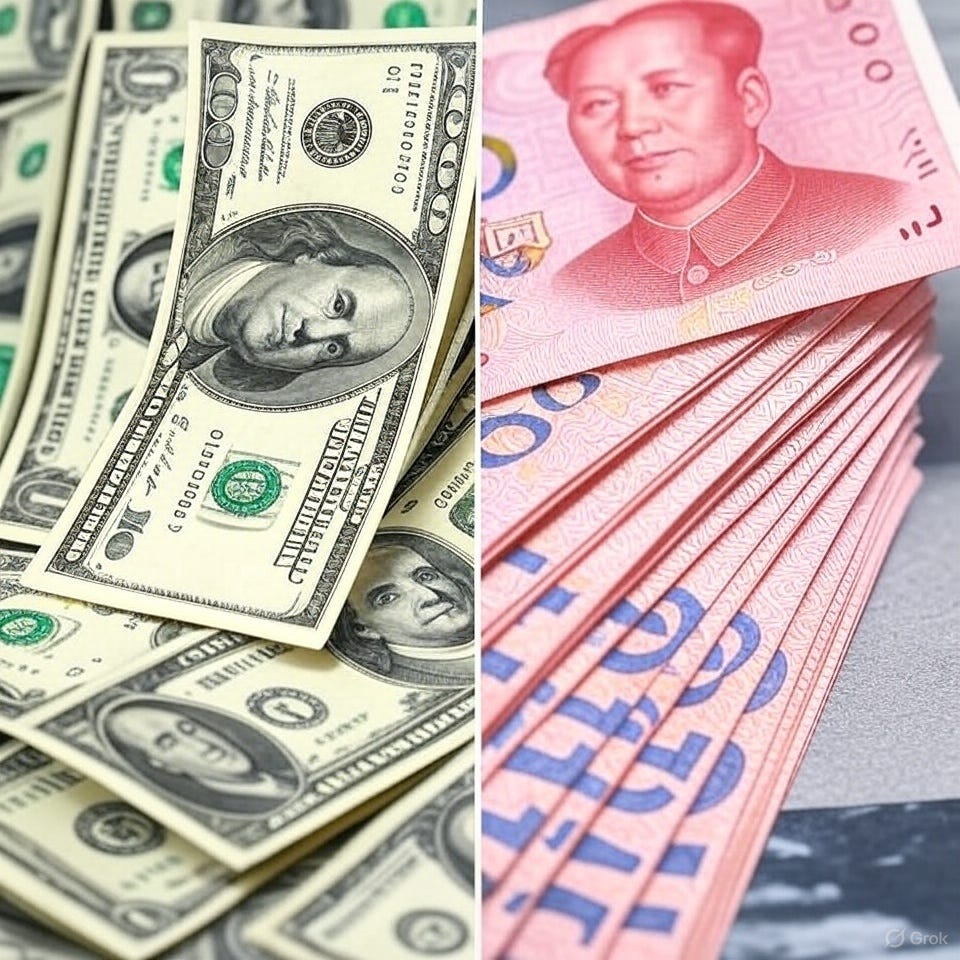
While the US carries most of the political baggage from this whole episode, China ends up benefiting nicely on the economic side. With export waivers now allowing Iranian oil to flow freely again, China can go back to stockpiling cheap Iranian crude. During the war, Chinese imports of Iranian oil had collapsed from around 1.8 million barrels a day to just 160,000. That volume is set to bounce back hard, and China will likely pay for a lot of it in yuan rather than dollars, which chips away even further at the dollar’s role in global oil trade.
As oil prices fall globally, the countries that benefit most tend to be manufacturing-heavy economies in Asia, not really the US. So I’d expect a faster recovery for Chinese, Korean, and Japanese manufacturers, while American oil producers might actually see their margins squeezed if crude drops below profitable levels for drilling.

Image used from reuters
The Real Reason the US Backed Down
Here’s my honest take on why this ended the way it did. I don’t think Iran’s military beat the US on the battlefield. I think the US economy simply couldn’t keep absorbing the cost of this war. Inflation had spiked from under 2.7% to 4.2% in just a few months, with core inflation sitting close to 3%, both well above the Fed’s target. Wholesale price increases were even scarier, with one month’s data implying annualized wholesale inflation near 14%.
On top of that, there’s the AI bubble to think about. A handful of massive tech stocks make up a huge chunk of the S&P 500, and the entire data center buildout boom depends on cheap borrowing. If the Fed had been forced into aggressive rate hikes to fight war-driven inflation, that bubble could have unwound in weeks rather than months. So in my view, this wasn’t really about diplomacy winning out. It was about protecting the stock market and the broader economy from a self-inflicted wound.
Who Pays for Rebuilding Iran?
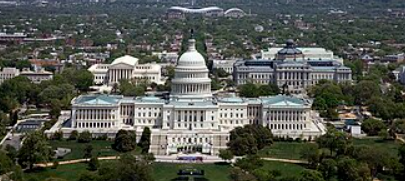
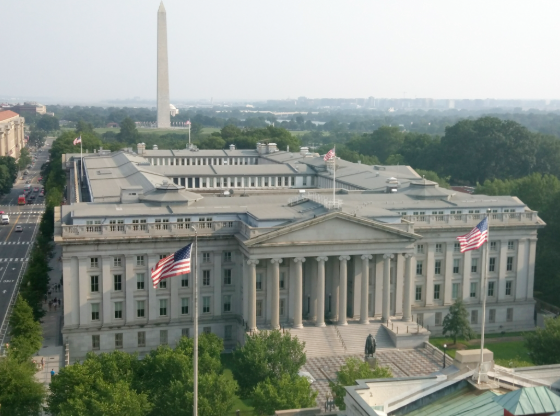
Now here’s the part that I think deserves way more attention than it’s getting. Reports suggest the US and Gulf allies could be on the hook for around $300 billion in reparations to rebuild Iran, separate from the frozen assets already being returned. That raises an obvious question: where does that money actually come from? The US Treasury already confirmed a $1.2 trillion deficit for just the first eight months of this fiscal year, with the full year deficit tracking toward $2 trillion and national debt sitting around $39 trillion and climbing daily.
Add $300 billion in reparations on top of that, plus the cost of rising bond yields compounding interest payments for years, and you start to see just how expensive this whole conflict really turns out to be for the US taxpayer long term.
Why Gold Is Reacting Differently Than Stocks
Once the peace deal was announced, stocks bounced about 1%, which makes sense given the relief over lower oil prices. But gold jumped over 2% within hours and is now sitting above $4,300 an ounce. That gap tells me something important. Stock investors are looking at cheaper oil and feeling good. Gold investors are looking at a country that burned through tens of billions in war costs, now owes hundreds of billions in reparations, has damaged its own sanctions credibility, and is heading toward a massive annual deficit. Two very different conclusions from the exact same set of facts.
What This Means Going Forward
The economic scarring from months of disrupted oil flow through Hormuz isn’t going to disappear overnight just because a deal got signed. Recovery takes time. And since the only real policy option left for the administration is more spending and more liquidity to avoid a recession, I think gold benefits even further from here. Money supply already hit a multi-decade high in growth terms recently, and that kind of expansion tends to push money away from treasuries and toward assets like gold, simply because trust in US paper keeps eroding.
Putting it all together, here’s what I see: a war that started over oil and nuclear concerns ending with the US owing Iran billions, lifting sanctions entirely, and watching gold pull ahead of treasuries as the preferred reserve asset globally. I won’t pretend I know exactly how this plays out long term. Nobody really does. But the pattern here feels less like a clean resolution and more like the cost of this war is just getting shifted onto the future.
What do you think? Does this deal actually bring lasting peace, or are we just setting up the next round of tension down the line? I’d genuinely like to hear your take, drop your thoughts in the comments and let’s talk about it.
Reference
메타데이터
- post_id
- 6ad967c395b8
- slug
- the-iran-peace-deal-that-feels-like-a-us-surrender-6ad967c395b8
- url
- https://medium.com/geopolitics-beyond/the-iran-peace-deal-that-feels-like-a-us-surrender-6ad967c395b8
- canonical_url
- https://medium.com/geopolitics-beyond/the-iran-peace-deal-that-feels-like-a-us-surrender-6ad967c395b8
- author_url
- https://medium.com/@nairsahil08
- status
- ok
- fetched_at
- 2026-06-24 04:09:36