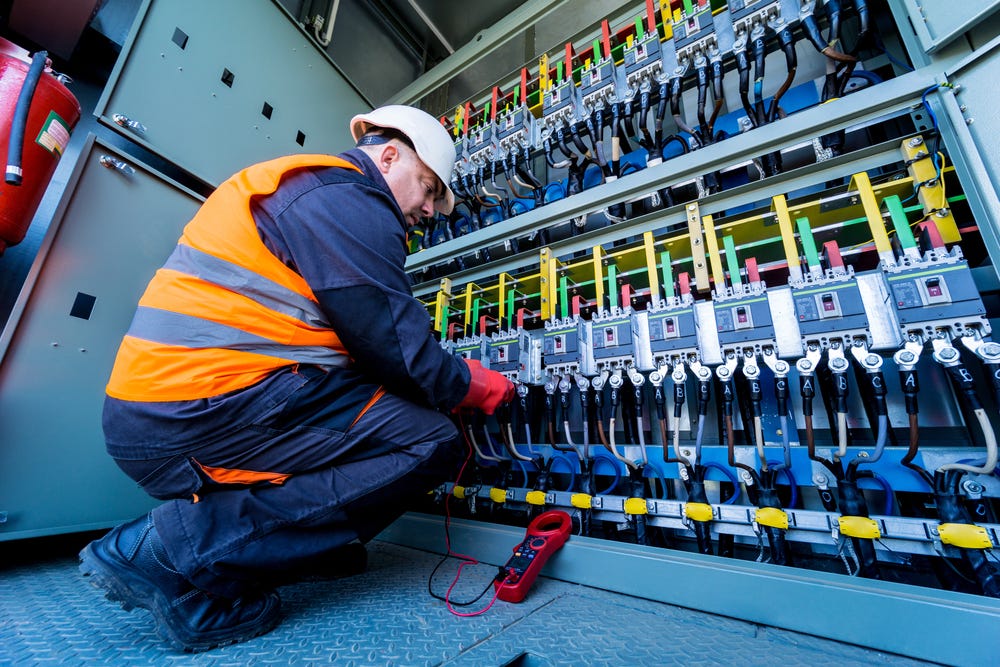
How can workers stay safe when working in Hazardous Conditions
In industries such as chemical, food processing, breweries, pharmaceutical, defense, mineral processing, grain handling, petrol pumps, and…
How can workers stay safe when working in Hazardous Conditions
In industries such as chemical, food processing, breweries, pharmaceutical, defense, mineral processing, grain handling, petrol pumps, and oil and gas facilities, flammable gases or combustible dust is likely to be released. Thus, workers face potential risks to their health and safety as these substances can cause fires, explosions, or toxic exposure.

Working in Hazardous Conditions
To ensure the well-being of workers and prevent accidents, it is crucial to implement proper safety measures and adhere to best practices when working in such environments. One such safety measure is that only competent personnel can undertake the work in the hazardous area training.
Understanding Safety Measures In Hazardous Areas
Safety measures for working in hazardous areas:
- Conducting a thorough hazard assessment is crucial before commencing work in any hazardous area. This assessment should identify the potential risks, including the presence of flammable substances, combustible dust, or toxic materials. Understanding the specific hazards enables employers and employees to implement appropriate safety measures.
- Wearing the right personal protective equipment is essential to minimise exposure to hazards. PPE may include flame-resistant clothing, safety goggles, gloves, respirators, and safety footwear. Proper training should be provided to ensure that workers understand how to use and maintain their PPE correctly.
- This type of training is vital for employees who work in or around hazardous areas. This specialised training equips individuals with the necessary knowledge and skills to identify potential risks, understand safety procedures, and respond appropriately in case of an emergency. Hazardous area training programs like the UEE42620 course provide participants with a comprehensive understanding of electrical equipment in explosive atmospheres and the relevant Australian standards.
- Implementing risk mitigation strategies is essential to minimize the potential hazards in a hazardous area. These strategies may include ventilation systems to remove flammable vapours, explosion-proof electrical equipment, regular inspections, and maintenance procedures.
- Developing and following safe work procedures is crucial to ensure consistent safety practices in hazardous areas. These procedures should cover aspects such as hot work permits, lockout/tagout procedures, and emergency response protocols. Regular training and communication of these procedures are essential to ensure that all workers are aware of and adhere to them.
Benefits of Hazardous Area Training and Certification
Hazardous area training and certification offer several benefits, including:
- Proper training equips workers with the knowledge and skills necessary to identify and mitigate risks in hazardous areas, minimising accidents and injuries.
- Thus, obtaining a hazardous area certification like Cert IV hazardous area helps organisations comply with these legal requirements.
- Holding a hazardous area certification, such as the UEE42620 qualification, can open up employability in industries that require workers with competency in hazardous areas.
- Organisations that prioritise safety and invest in their employees by training and certifying them build a reputation for being responsible and trustworthy in the market.
Obtaining hazardous area certification validates the competency of individuals and demonstrates compliance with industry standards in risky environments. By investing in training, organisations reduce the risks associated with working in hazardous areas. Institutes like PMV Perth, offer various training courses, including hazardous area courses, for individuals to get certified. We have over 20 nationally recognised training programs developed by industry experts. To get started with the course programs, **contact us here**.
— — — — — — — — — — — — — — — — — — — — — — — — — — — — —
Know More:
1. **How to Upskill with PMV to Start a Career in Instrumentation and Control?**
1. **Looking for the Top Provider of EEHA Courses in Western Australia and South Australia?**
2. **Exploring Explosion Protection (Ex) Certification for Australia? What Are the Requirements?**
3. **What Are the Latest Updates to AS/NZS Standards for Explosion Protection?**
4. **What is the Classification of Electrical Hazardous Area?**
Contact us:
§ Perth
10/22 Shields Crescent, Booragoon, WA, 6154 Contact no.: (08) 9317 2146
§ Adelaide
1042 Port Road, Albert Park, SA, 5014 Contact no.: (08) 9317 2147
§ Karratha
3/16 Hedland Place, Karratha, WA, 6714
Contact no.: (08) 9317 2147
Also, follow us:
Youtube: https://www.youtube.com/@PmvNetAu/
Facebook: https://www.facebook.com/pmvaustralia/
Instagram: https://www.instagram.com/pmv.australia/
메타데이터
- post_id
- 6b3d2b3a1398
- slug
- how-can-workers-stay-safe-when-working-in-hazardous-conditions-6b3d2b3a1398
- url
- https://medium.com/@electricalcoursesnews/how-can-workers-stay-safe-when-working-in-hazardous-conditions-6b3d2b3a1398
- canonical_url
- https://medium.com/@electricalcoursesnews/how-can-workers-stay-safe-when-working-in-hazardous-conditions-6b3d2b3a1398
- author_url
- https://medium.com/@electricalcoursesnews
- status
- ok
- fetched_at
- 2026-08-20 18:30:10