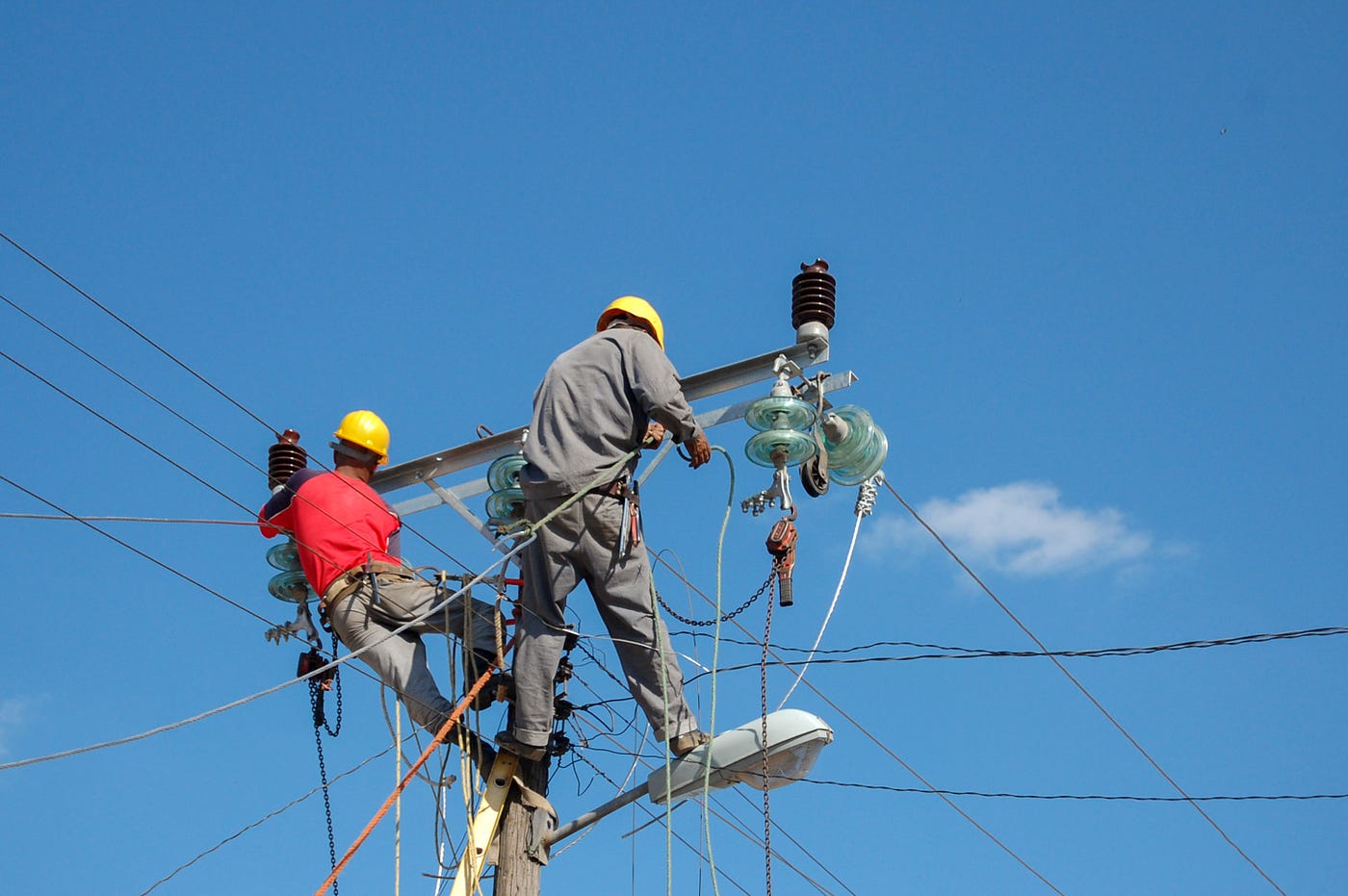
(Abridged Version) — Jamaica’s Energy Facade: License Non-Renewal as a Tool for Cronyism and…
By Investigative Correspondent Published: July 14, 2025
(Abridged Version) — Jamaica’s Energy Facade: License Non-Renewal as a Tool for Cronyism and Private Gain?

By Investigative Correspondent Published: July 14, 2025
Legal Disclaimer
This article presents documented facts, public records, and raises questions about policy decisions in Jamaica’s energy sector. Where analysis or conclusions are drawn, they represent the author’s interpretation of available evidence and public information. All individuals and organizations named have the right to respond to any characterizations made herein. This analysis serves the public interest by examining energy policy decisions and their implications for Jamaican citizens. The patterns identified warrant further investigation by appropriate authorities.
The Jamaican Government’s Crisis Decision
The Jamaican Government’s July 1, 2025, announcement to not renew the Jamaica Public Service Company’s (JPS) all-island electricity distribution license under its current terms, expiring July 8, 2027, has exposed deep-seated issues in Jamaica’s energy sector. Energy Minister Daryl Vaz cites high electricity prices — US$0.285–US$0.36 per kWh versus the Dominican Republic’s US$0.117 — blaming the “deeply flawed” 2001 People’s National Party (PNP) agreement.
Yet, the sector’s woes extend beyond pricing, marked by a troubling pattern of dysfunction spanning nearly two decades. From the 2007 Cuban light bulb scandal to current electricity theft costing US$258.9 million in 2023 (representing 18–30% of generation from 2021–2025), and JPS’s contradictory bypassing of renewable energy professional Mr. Rodger McKenzie’s LED and microgrid proposals while pushing less effective solutions.
A History of Political Opportunism
The 2007 Cuban light bulb scandal under former Energy Minister Phillip Paulwell exemplifies a pattern that would repeat itself. Cuba donated four million fluorescent bulbs for free distribution, but the J$276 million (US$3.9 million) project was riddled with allegations of fraud involving Junior Minister Kern Spencer, his assistant Coleen Wright, and businessman Rodney Chin.
They Overlooked Innovation: Mr. McKenzie’s Comprehensive Energy Solutions
Between 2015–2016, renewable energy professional Mr. Rodger McKenzie submitted innovative proposals to JPS — supplying LED bulbs to 200,000 households free of cost to cut consumption, and deploying microgrids to decentralize power and reduce theft. Despite follow-up engagements, Mr. McKenzie’s comprehensive plan was not considered.
Stage 1 — Free LED Distribution Initiative:
• Target: 200,000–250,000 households
• Current cost (2025): US$15–18 million due to LED price reductions
• Projected savings: 50–70% reduction in theft
• Impact: Address 26% of JPS’s customer base (180,000 illegal connections)
• Cost per household: US$60–72 (2025 pricing)
Stage 2 — Microgrid Deployment:
• Decentralized renewable energy systems
• Blockchain-based billing at US$18–27/month flat rate
• Target: Same 200,000 households with illegal connections
• Capacity: 2kW minimum equivalent PV solar per household
The Contradictory Response: JPS’s Double Standards
The vindication of Mr. McKenzie’s approach becomes undeniable when examining subsequent JPS statements. In a March 10, 2020, OUR consultation, JPS CFO Vernon Douglas pushed for LEDs, claiming they could save 90% of stolen electricity. Douglas stated: “You can buy one 10W LED bulb, which gives the same illumination that a 100W incandescent light bulb gives, so even if persons are stealing electricity using a LED light… we would save 90 per cent of the electricity.”
Yet JPS had overlooked Mr. McKenzie’s LED plan submitted years earlier. When presented during a meeting arranged by then-CEO Kelly Tomblin, the LED plan was rejected by a senior executive, who reportedly stated “he does not believe in rewarding those who steal, with free LEDs.”
The Gravy Train: Massive Spending, Minimal Results
At a Jamaica Chamber of Commerce event in April 2022, JPS President and CEO Michel Gantois revealed that electricity theft had reached US$200 million per year. Despite massive investments, the theft problem has worsened:
JPS’s Inefficient Spending vs. Mr. McKenzie’s Approach:
• JPS Total Investment: US$234 million over 19 years (2016–2034)
• JPS Annual Losses: US$200 million (2021) rising to US$258.9 million (2023)
• JPS Achievement: Less than 14% reduction despite massive investments
• JPS Cost per illegal connection: US$1,170 per household
Mr. McKenzie’s Superior Alternative:
• Total Cost: US$15–18 million (2025 pricing)
• Projected Results: 50–70% reduction in theft
• Cost per household: US$60–72
• Efficiency Ratio: JPS spending 13–16x more for potentially 1/5 the results
• Potential Savings Lost: US$1.2–1.6 billion over 8 years (2016–2024)
Government Complicity and Policy Contradictions
The GOJ fuels dysfunction through contradictory policies: exploring divestment of its 19.9% JPS stake (2020–2022), pushing Small Modular Reactors (SMRs) in 2023, and now threatening license non-renewal. John Mahfood’s 2022 claim that ownership ties up funds without leverage was contradicted by GOJ’s 2025 use of its stake to pressure JPS, clashing with 76% public opposition to divestment.
The Nuclear Distraction
In 2023, Energy Minister Daryl Vaz, Prime Minister Andrew Holness, and JLP supporter Michael Lee-Chin pushed SMRs, ignoring Mr. McKenzie’s warnings of 30x nuclear waste and 300% cost overruns (US$1–3 billion, potentially US$4–7 billion). Jamaica’s seismic activity makes SMRs unsuitable, yet a 2024 Canada MOU was signed without sufficient public consultation.
Systematic Idea Appropriation
Paulwell’s 2025 sectoral debate contribution, promising a 62.5% cost reduction via microgrids, solar, and LNG, mirrors Mr. McKenzie’s proposals but omits attribution. This appropriation extends beyond energy: Mr. McKenzie’s 2019 Next Generation Solar Power Plant + 15 MGD water desalination plant proposal to NWC was followed by NWC issuing a similar proposal in a 2020 Expression of Interest without credit.
However, Paulwell’s failure to include Mr. McKenzie’s crucial LED component suggests incomplete understanding, as energy conservation must precede microgrid deployment for maximum effectiveness.
Suspicious Timing: Policy Convergences That Raise Questions
The convergence of multiple GOJ policy initiatives between 2017–2025 reveals a pattern: divestment promotion (2017–2022), nuclear development (2020–2023), and license non-renewal (2025). The evidence raises questions about whether JPS share divestment was promoted with full disclosure of license renewal uncertainties and ongoing nuclear negotiations.
License Non-Renewal and Cronyism Risks
The 2025 license non-renewal risks less transparent procurement, potentially bypassing the Public Procurement Act (2015). The US$1.055 billion NFE sale to Excelerate Energy (May 14, 2025) precedes the GOJ’s license non-renewal announcement, suggesting ownership changes may have altered energy sector power dynamics.
Path Forward: Breaking the Cycle
Jamaica’s energy sector erodes trust and stifles innovation. To break this cycle:
Immediate Reform Requirements:
- Transparency and Accountability — Conduct transparent consultations on JPS’s future and publish detailed accounting of anti-theft spending
- Innovation Recognition — Investigate past idea misappropriation and implement fast-track approval for cost-effective local solutions
- Institutional Reform — Replace management culture that overlooks solutions and separate GOJ’s ownership, regulatory, and policy roles
- Immediate Implementation — Deploy Mr. McKenzie’s LED solution as a pilot program with proper attribution
Conclusion
Jamaica’s energy sector crisis reflects systemic dysfunction, where GOJ and JPS prioritize political and financial interests over public welfare. Rejecting Mr. Rodger McKenzie’s 2015–2016 LED and microgrid plan, which projected 50–70% reduction in electricity theft, while spending US$234 million with less than 14% reduction, suggests institutional capture by elites benefiting from costly failures.
This has cost Jamaica US$1.2–1.6 billion in potential savings (2016–2024), with ongoing annual losses of US$200–258.9 million. The bipartisan convergence on solutions originally proposed by Mr. McKenzie demonstrates the technical validity of his comprehensive approach, yet occurs without acknowledgment, reinforcing the systemic pattern of idea appropriation that holds Jamaica’s energy future hostage to political and elite interests.
Embracing McKenzie’s vision can secure an affordable, sustainable energy future, rejecting cronyism and costly failures.
Investment Disclaimer
This article is not intended as investment advice. The analysis of JPS divestment and share values is presented to highlight potential negative impacts on shareholders and questions about information disclosure, not as commentary on investment decisions. The examination of policy decisions and their potential market impacts is presented for public interest analysis only and should not be construed as investment advice or recommendations. Potential investors should conduct their own research and consult financial advisors.
메타데이터
- post_id
- 6b53fc3c49c7
- slug
- abridged-version-jamaicas-energy-facade-license-non-renewal-as-a-tool-for-cronyism-and-6b53fc3c49c7
- url
- https://medium.com/@kingstonchronicle/abridged-version-jamaicas-energy-facade-license-non-renewal-as-a-tool-for-cronyism-and-6b53fc3c49c7
- canonical_url
- https://medium.com/@kingstonchronicle/abridged-version-jamaicas-energy-facade-license-non-renewal-as-a-tool-for-cronyism-and-6b53fc3c49c7
- author_url
- https://medium.com/@kingstonchronicle
- status
- ok
- fetched_at
- 2026-06-11 16:11:38