On Older Mothers and the Bodies That Stayed
Mom, 67, going about her daily chores
On Older Mothers and the Bodies That Stayed
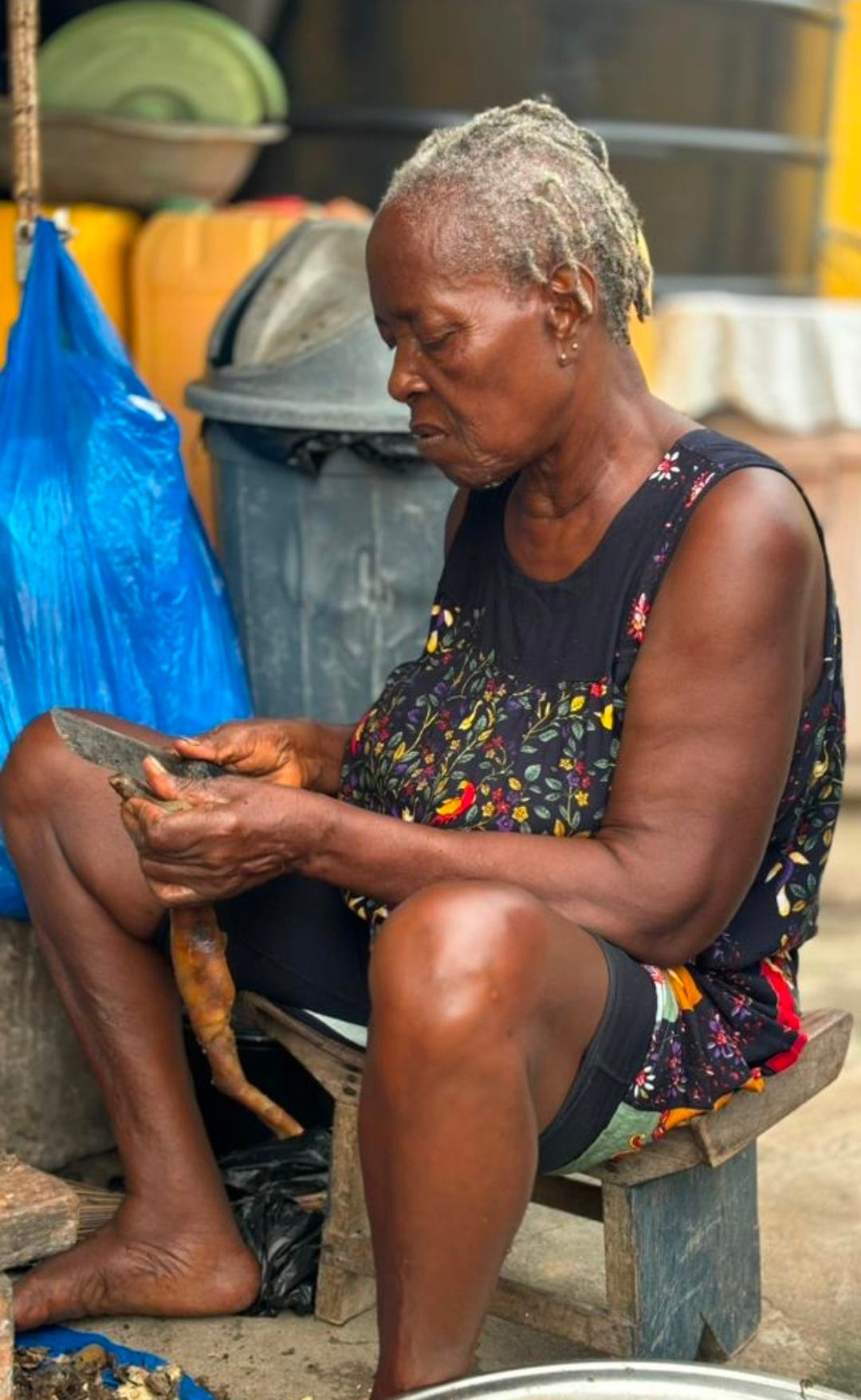
Mom, 67, going about her daily chores
There is a kind of motherhood that does not photograph well.
It exists beyond baby showers and first steps, beyond the years when sacrifice is still celebrated and visibly rewarded. It belongs to women in their late forties, fifties, and sixties. Women whose children are grown enough that gratitude is assumed, and whose labor has quietly faded into the background.
Their bodies speak first. Not through dramatic collapse, but through slow, cumulative change. Spines tilt forward almost imperceptibly, as though still orienting themselves toward others. Knees ache with a familiarity that no longer alarms. Hands harden, not from age alone, but from repetition: years of cooking, cleaning, lifting, gripping life tightly so it would not unravel.
These bodies were shaped by childbirth, yes, but more decisively by what followed it: the long aftermath of responsibility. The womb does not forget simply because it is empty. It remembers stretching. It remembers loss. It remembers fear that had nowhere to go and therefore stayed. Emotional trauma settles there quietly. Unspoken grief. Marital disappointment. Financial anxiety. The constant vigilance of holding a family together. Over time, the body absorbs what the mouth never names. Pain migrates. Hormones shift. Inflammation becomes a language of its own.
The stomach is often the most misunderstood witness. It remains rounded despite labour, despite walking, despite restraint. It is blamed on food, on laziness, on a supposed lack of discipline without recognition that rest was never part of the equation. This is not a belly that failed to flatten; it is a body that was never allowed to release. It holds decades of interrupted sleep, postponed healing, stress that never resolved because there was always something more urgent.
Posture changes, too. Not simply from age, but from years of leaning forward toward children, toward duty, toward compromise. The body learns that its natural position is readiness: to bend, to absorb impact, to cushion others.
At some point, sex stops being “intimacy” and becomes “obligation”. Not for all, but for many. Desire dulls under exhaustion. Bodies that have given relentlessly struggle to respond on demand. Yet participation continues, not always from coercion, but from an internalized sense of role. Because harmony must be maintained. Because families must remain intact. Because peace, however fragile, is prioritised over pleasure.
Little space exists to speak honestly about how often women endure sex rather than enjoy it in the later years of motherhood. How consent can coexist with absence, how a body can be present while the self quietly withdraws.
Still, these women show up. They remain socially enthusiastic. They laugh easily at gatherings. They dress neatly. They contribute food. They listen attentively. They ask after others. Their optimism is not naïveté; it is survival because cynicism is a luxury they never had time to cultivate. They believe in people not because people were kind, but because belief was necessary. Children do not thrive under bitterness. Homes fracture under resentment. So they chose hope repeatedly, even when it came at a personal cost.
Deprivation became second nature. New clothes were postponed. Medical appointments delayed. Hobbies abandoned. Desires reduced until they fit into whatever space remained after everyone else had been accommodated. Joy was measured indirectly, through their children’s opportunities, their children’s comfort, their children’s progress.
This is often praised as selflessness. It is rarely examined as a loss.
Their bodies now tired, marked, and less forgiving are judged harshly in a culture obsessed with youth and recovery narratives. They are accused of “letting themselves go,” as though they ever had the option to hold themselves. As though no one else had been leaning on them for decades.
These are not deformed bodies. They are bodies altered by function.
Not broken, overused.
Not neglected, exhausted.
And still, tenderness remains. Still generosity. Still prayers whispered for futures they may never personally inhabit. Still the phone call asking if you have eaten. Still warmth offered before it is requested.
We call them mothers… and stop there.
But they are also women whose bodies carried not only children, but entire systems: families, marriages, expectations, histories. Women whose pain was normalized. Whose endurance was mistaken for ease. Whose silence was read as consent.
To write about them is not to sentimentalize. It is to account for cost. To look at these bodies honestly is to confront how deeply society depends on unseen, unthanked labor and how quickly it forgets the bodies that made continuity possible.
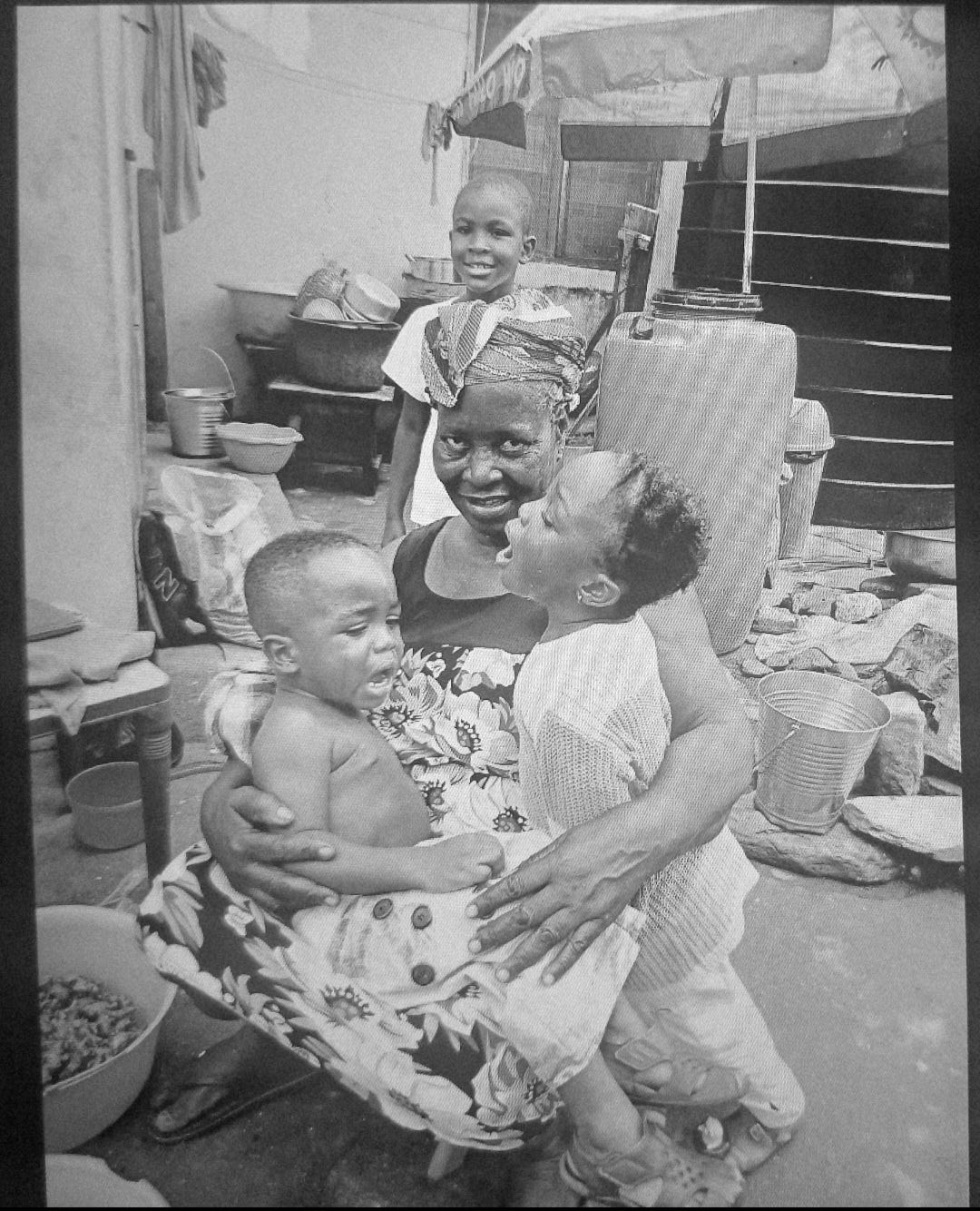
Mom, with her “trophies”.
메타데이터
- post_id
- 6b811b9e18fe
- slug
- on-older-mothers-and-the-bodies-that-stayed-6b811b9e18fe
- url
- https://medium.com/@annameann/on-older-mothers-and-the-bodies-that-stayed-6b811b9e18fe
- canonical_url
- https://medium.com/@annameann/on-older-mothers-and-the-bodies-that-stayed-6b811b9e18fe
- author_url
- https://medium.com/@annameann
- status
- ok
- fetched_at
- 2026-06-15 20:49:13