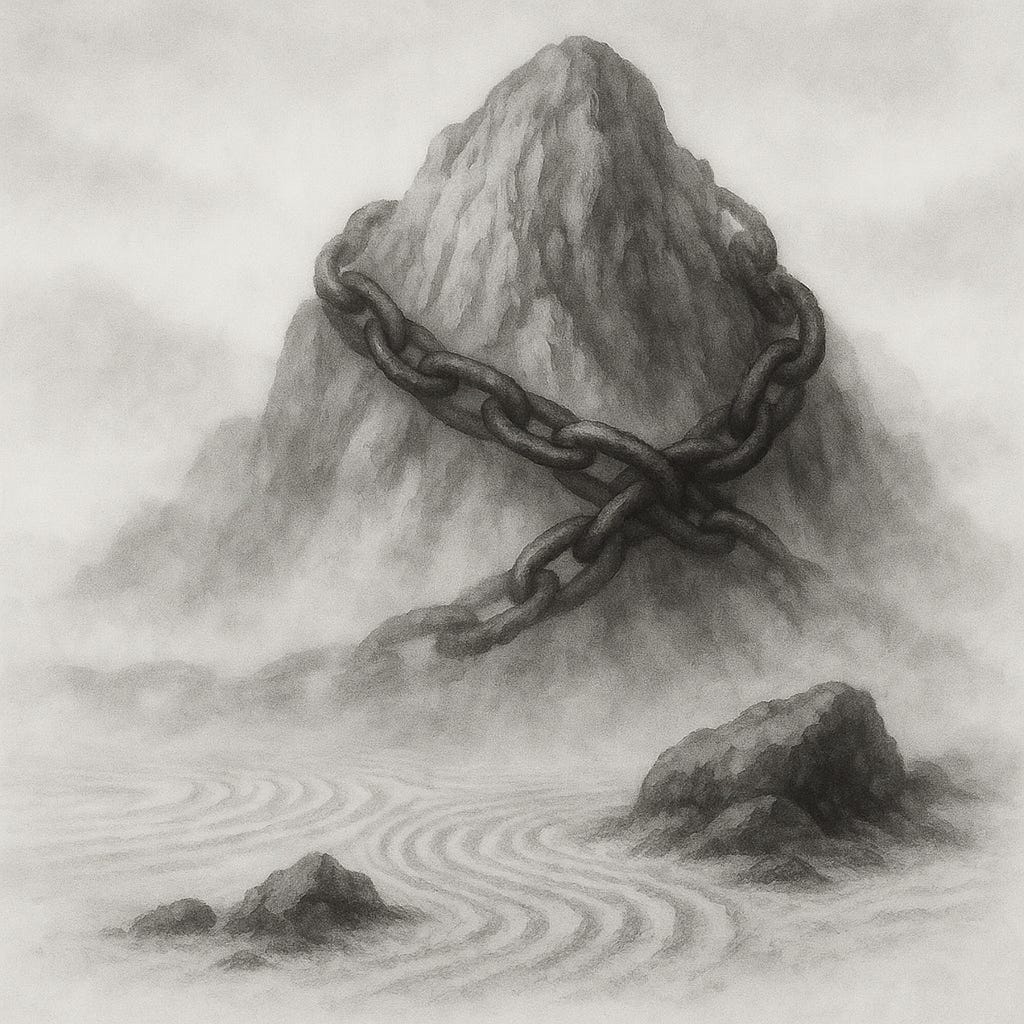
What a journey to Kashi teaches you about Time, Faith, and India
Some destinations are visited with a checklist.
What a journey to Kashi teaches you about Time, Faith, and India
Some destinations are visited with a checklist.
Others are experienced with the heart.
Kashi belongs to the second category.
Before my first visit to Varanasi, I had seen hundreds of photographs of the ghats, temples, and the River Ganga. Like many travelers, I expected to see a famous spiritual city. What I did not expect was how differently the city would make me think about time, faith, and everyday life.
Kashi is often described as one of the oldest living cities in the world. But that statement doesn’t truly prepare you for what you experience when you arrive. The city does not feel ancient in the way museums feel ancient. Instead, it feels alive. The traditions, rituals, and stories of centuries continue to exist alongside modern life.
The girst morning on the Ghats
The best way to understand Kashi is to wake up before sunrise.
As dawn begins to break over the Ganga, the city slowly comes to life. Priests prepare for rituals, pilgrims gather near the water, and boats begin moving across the river.
The atmosphere is surprisingly peaceful.
There is no rush.
People seem less concerned with the clock and more connected to the rhythm of the river.
For visitors arriving from fast-paced cities, this change in perspective is often the first lesson Kashi teaches.
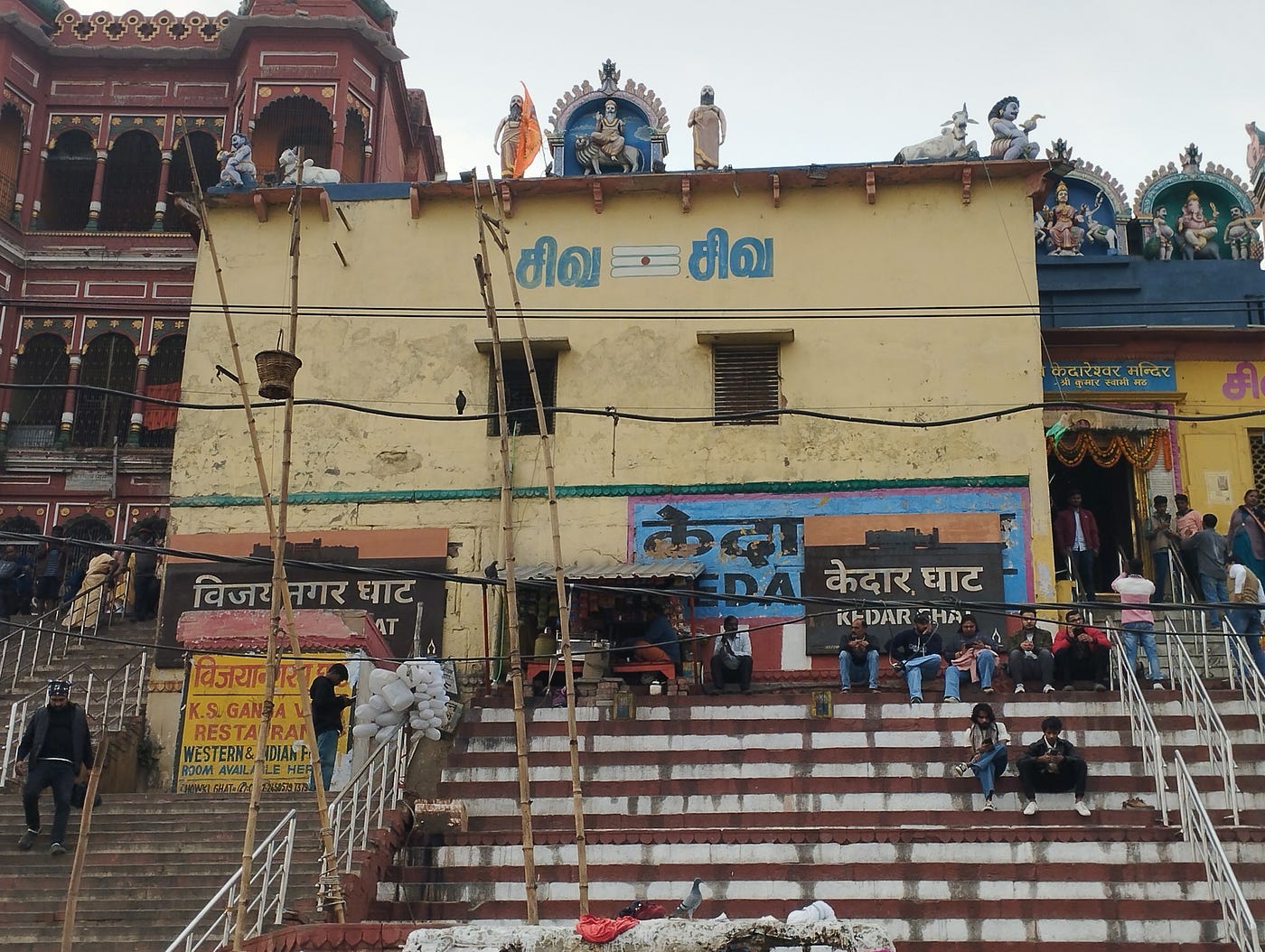
Kedar Ghat — Kashi (Varanasi)
A city that exists beyond schedules
Most modern cities are built around efficiency.
Kashi is built around continuity.
Generations of families have lived and worked in the same neighborhoods. Ancient temples stand beside busy markets. Traditional practices continue despite changing times.
Walking through the narrow lanes can be confusing at first. The streets appear chaotic, yet somehow everything functions.
The experience reminds visitors that not everything meaningful in life follows a perfectly organized schedule.
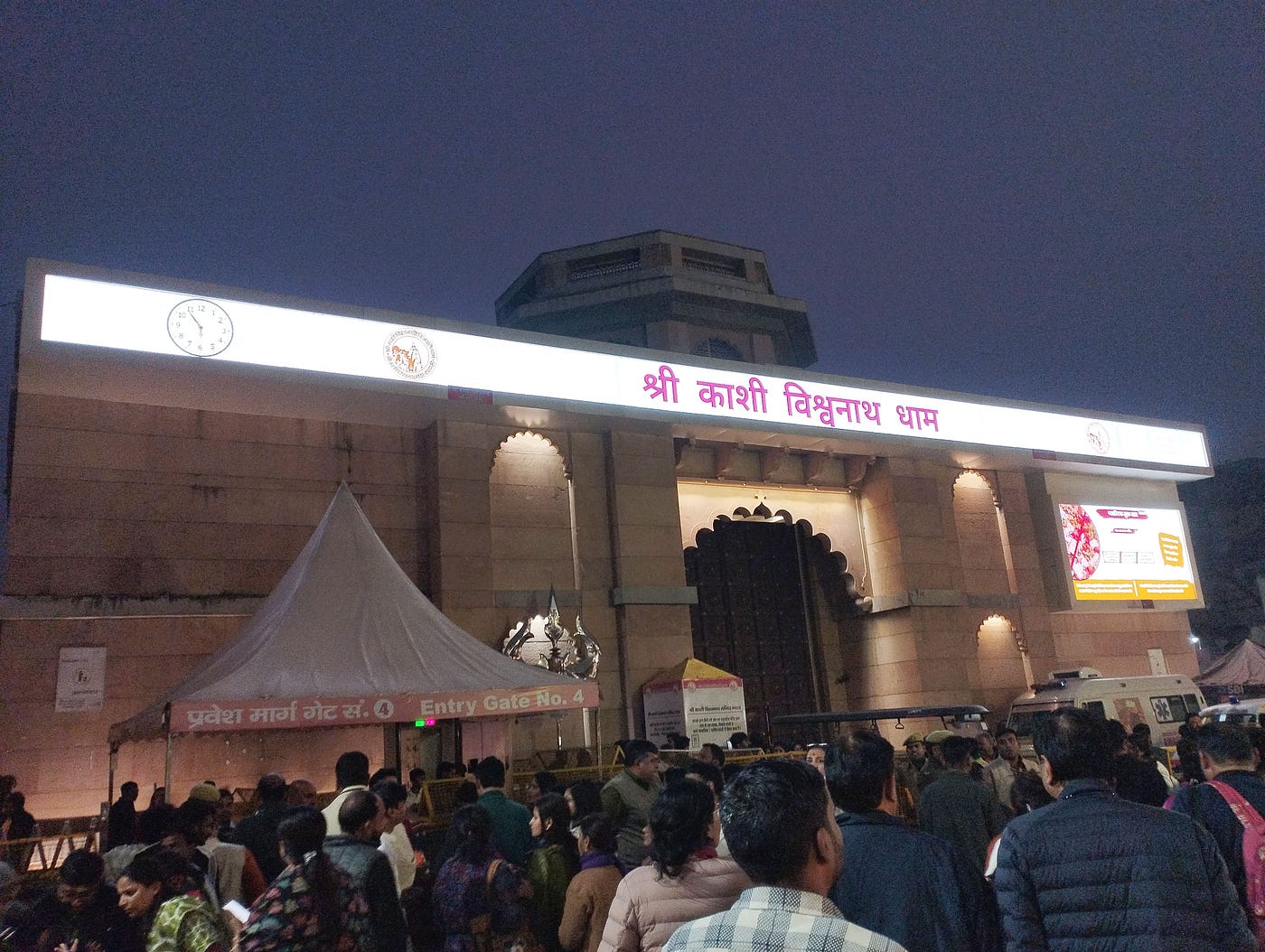
Shri Kashi Vishwanath Temple — Varanasi
The human stories behind the temples
Many travelers focus exclusively on the famous temples.
While the temples are undoubtedly important, some of the most memorable experiences come from ordinary conversations.
A tea seller sharing stories about his neighborhood.
A boatman explaining the significance of different ghats.
A silk weaver describing a craft passed down through generations.
These interactions reveal another side of Kashi, one that rarely appears in travel brochures.
The city is not only a collection of sacred places; it is also a collection of human stories.
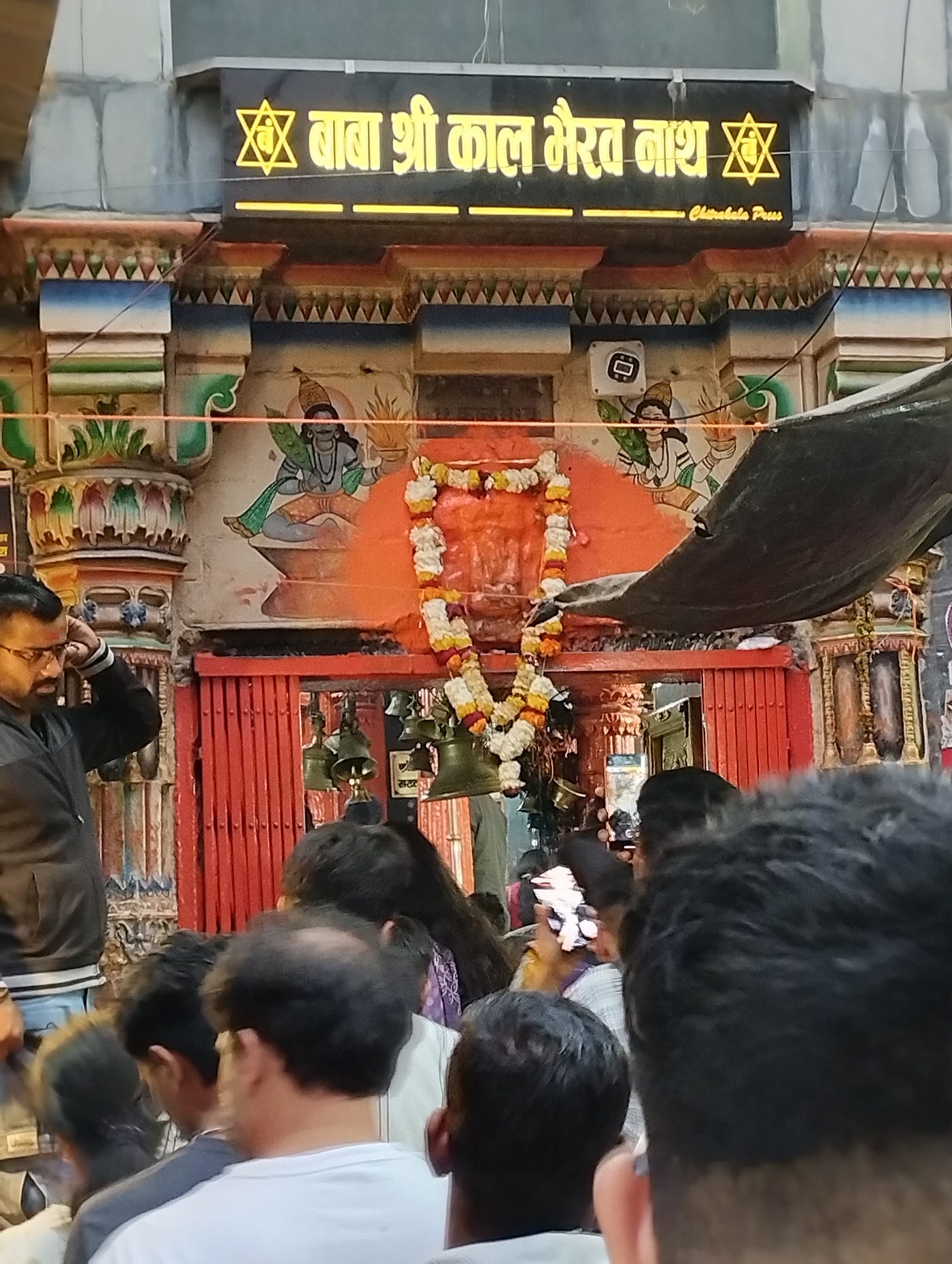
Kaal Bhairav Temple — Varanasi
Understanding why people return again and again
One question often comes to mind while observing pilgrims in Kashi:
Why do so many people return multiple times?
The answer seems different for everyone.
Some come seeking spiritual fulfillment.
Some visit to fulfill family traditions.
Others return simply because they feel a connection with the city.
Unlike many tourist destinations, Kashi does not rely on entertainment or attractions to leave an impression. The experience is personal, and each visitor discovers something different.
The role of the Ganga
It is impossible to discuss Kashi without mentioning the River Ganga.
The river is more than a geographical feature.
It influences the culture, traditions, economy, and identity of the city.
Throughout the day, people gather at the ghats for prayer, meditation, conversation, and reflection. For many visitors, simply sitting beside the river becomes one of the most meaningful parts of the journey.
In a world filled with constant notifications and distractions, the river offers something increasingly rare: stillness.

Ganga River, Harishchandra Ghat — Kashi (Varanasi)
Beyond Spirituality
Even travelers who are not particularly religious often find themselves fascinated by Kashi.
The architecture, food, music, history, and cultural traditions create a destination unlike any other in India.
The city encourages curiosity.
One moment you may be exploring a centuries-old temple. The next, you may discover a hidden street serving local specialties that have been prepared the same way for generations.
This combination of spirituality and culture is what makes Kashi appealing to such a diverse range of visitors.
Lessons that stay after the Journey
The most valuable souvenirs from Kashi are not objects.
They are perspectives.
The city teaches patience.
It teaches respect for tradition.
It teaches the importance of slowing down occasionally and appreciating moments that cannot be measured by productivity or schedules.
Many travelers arrive expecting to see an ancient city.
They leave having experienced something much deeper.
Planning a visit
A well-planned itinerary allows visitors to experience the city’s spiritual landmarks, cultural heritage, local cuisine, and famous ghats without feeling rushed.
For travelers looking to combine important destinations such as Kashi and Ayodhya into a single journey, detailed itinerary information can be found here: https://sarvyatra.com/kashi-ayodhya-tour-from-hyderabad.html
Final thoughts
Every traveler remembers certain destinations long after returning home.
For some, it is because of beautiful landscapes.
For others, it is because of remarkable architecture.
Kashi remains unforgettable for a different reason.
It changes the way people see time, tradition, and the connection between the past and the present.
And perhaps that is why millions continue to visit this extraordinary city year after year.
메타데이터
- post_id
- 6bd0689f0540
- slug
- what-a-journey-to-kashi-teaches-you-about-time-faith-and-india-6bd0689f0540
- url
- https://medium.com/@sarvyatratravel/what-a-journey-to-kashi-teaches-you-about-time-faith-and-india-6bd0689f0540
- canonical_url
- https://medium.com/@sarvyatratravel/what-a-journey-to-kashi-teaches-you-about-time-faith-and-india-6bd0689f0540
- author_url
- https://medium.com/@sarvyatratravel
- status
- ok
- fetched_at
- 2026-06-24 18:57:25