How to Choose a Stainless Steel Pizza Cutter That Lasts
Start With the Cutting Jobs Your Kitchen Handles Most
How to Choose a Stainless Steel Pizza Cutter That Lasts
Start With the Cutting Jobs Your Kitchen Handles Most
The right pizza cutter is less about choosing the most complicated design and more about matching the tool to your workflow. A home cook may prioritize comfortable handling and easy storage, while a restaurant, bakery, or catering operation needs a cutter that can move quickly through repeated service without loosening, corroding, or causing hand fatigue.
Before comparing models, consider the pizzas and other foods you prepare. Thin-crust pizzas usually require precise control, whereas thick crusts, loaded toppings, and deep-dish styles benefit from a larger wheel and sturdy construction. If your kitchen also produces flatbreads, pastry, pasta sheets, or tortillas, a versatile wheel cutter can earn its place as an everyday prep tool rather than a single-purpose accessory.
Why Stainless Steel Is a Practical Choice
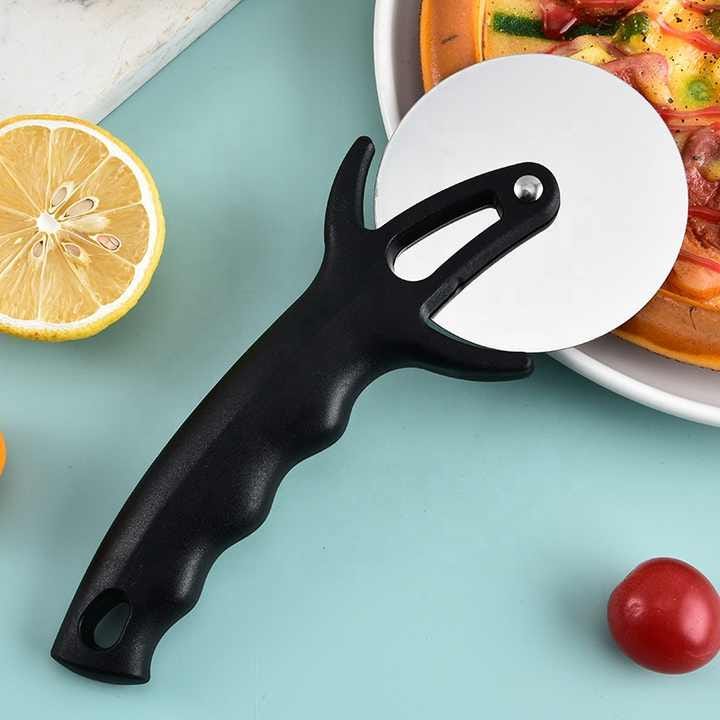
Stainless steel is widely used in professional kitchen tools because it combines strength, corrosion resistance, and straightforward maintenance. A quality stainless steel blade can withstand frequent contact with moisture, cheese, and acidic tomato sauces better than low-grade metals. It also gives the wheel the rigidity needed to roll through a crust instead of bending or dragging across the surface.
For commercial buyers, material consistency matters just as much as appearance. A dependable cutter should retain its shape through repeated use, cleaning, and handling. Food-safe construction also supports a more hygienic workflow, especially when several batches are prepared during a busy shift. When evaluating a supplier, ask about the steel grade, production standards, and finish rather than relying only on a polished appearance.
Blade Size and Wheel Design
The diameter of the wheel affects both speed and control. A larger wheel generally provides more leverage and clearance, making it suitable for thick crusts, deep-dish pizzas, and generous layers of toppings. A smaller wheel can be easier to maneuver around narrow sections and is often comfortable for lighter-duty preparation.
A single-wheel pizza knife offers a useful balance for most kitchens. Its circular blade rolls through the crust in one continuous motion, helping reduce the tearing and topping displacement that can occur with a conventional knife. The wheel should rotate smoothly, sit securely in its frame, and remain aligned with the handle during each pass. These details are especially important when portion consistency affects customer service or food-cost calculations.
Handle Comfort Is a Performance Feature
Even a sharp blade can be frustrating if the handle is uncomfortable. Look for a shape that supports a firm, natural grip without forcing the wrist into an awkward angle. A non-slip polypropylene handle can provide useful control when hands are damp or coated with oil, while a well-balanced construction helps reduce pressure on the fingers.
Ergonomics become more significant in high-volume settings. A cook who slices dozens or hundreds of pizzas in one service needs a tool that remains stable and comfortable from the first cut to the last. A secure handle can also improve safety by reducing the chance that the cutter will slip or require excessive downward force.
Maintenance, Cleaning, and Storage
Simple care extends the useful life of a pizza cutter. After use, remove cheese and sauce before they dry on the wheel or around the axle. Wash the tool according to the manufacturer’s instructions, rinse away cleaning residue, and dry it thoroughly before storage. Even corrosion-resistant steel benefits from being kept clean and dry.
Inspect the wheel, fasteners, and handle regularly. If the wheel begins to wobble, the cutting action becomes uneven, or the handle develops cracks, replace the tool rather than continuing to use it in a busy service environment. Store cutters where the blade will not contact other utensils, and consider a designated rack or container for organized access.
What Wholesale Buyers Should Compare
- Material: Confirm the stainless steel grade, food-contact suitability, and resistance to rust and staining.
- Construction: Check whether the wheel, axle, frame, and handle feel firmly joined with minimal movement.
- Ergonomics: Evaluate grip texture, balance, handle shape, and suitability for extended use.
- Dimensions: Match the wheel diameter and overall size to the crust styles and portions your operation serves.
- Cleaning requirements: Choose a design that can be cleaned efficiently between orders and shifts.
- Supply consistency: For wholesale orders, review sample quality, packaging, lead times, and the supplier’s ability to maintain specifications across batches.
Restaurants, hospitality groups, food-service distributors, and kitchenware retailers can review the stainless steel pizza cutter wholesale kitchen tool range from BBFX when comparing durable commercial preparation equipment. Ordering through a specialized B2B supplier can make it easier to coordinate quantities, packaging, and repeat replenishment.
How to Get Cleaner, Faster Slices
- Place the pizza on a stable cutting surface before applying pressure.
- Position the wheel at the edge of the crust and keep the handle aligned with the intended cut.
- Use one confident rolling motion whenever possible instead of repeatedly sawing back and forth.
- Allow the wheel to do the cutting; excessive force can compress toppings and increase hand fatigue.
- Wipe or wash the cutter between pizzas when working with different toppings or allergen-sensitive orders.
For operations equipping multiple stations, the professional stainless steel pizza cutter wholesale tool can be evaluated alongside other commercial cooking essentials to create a consistent prep setup across the team.
Make the Choice Based on Long-Term Value
The best pizza cutter is the one that combines a durable stainless steel wheel, dependable construction, a comfortable non-slip handle, and dimensions suited to your menu. Price matters, but the lowest initial cost may not represent the best value if a cutter becomes loose, difficult to clean, or uncomfortable after repeated use.
By assessing blade size, balance, grip, maintenance, and supplier reliability together, you can choose a tool that supports cleaner portions and a more efficient kitchen. Whether you are stocking a home kitchen or purchasing for a commercial food-service operation, a well-made stainless steel pizza cutter is a small investment with a noticeable effect on everyday preparation.
메타데이터
- post_id
- 6cb95df97bbf
- slug
- how-to-choose-a-stainless-steel-pizza-cutter-that-lasts-6cb95df97bbf
- url
- https://medium.com/@dada.brush2024/how-to-choose-a-stainless-steel-pizza-cutter-that-lasts-6cb95df97bbf
- canonical_url
- https://medium.com/@dada.brush2024/how-to-choose-a-stainless-steel-pizza-cutter-that-lasts-6cb95df97bbf
- author_url
- https://medium.com/@dada.brush2024
- status
- ok
- fetched_at
- 2026-08-07 19:46:35