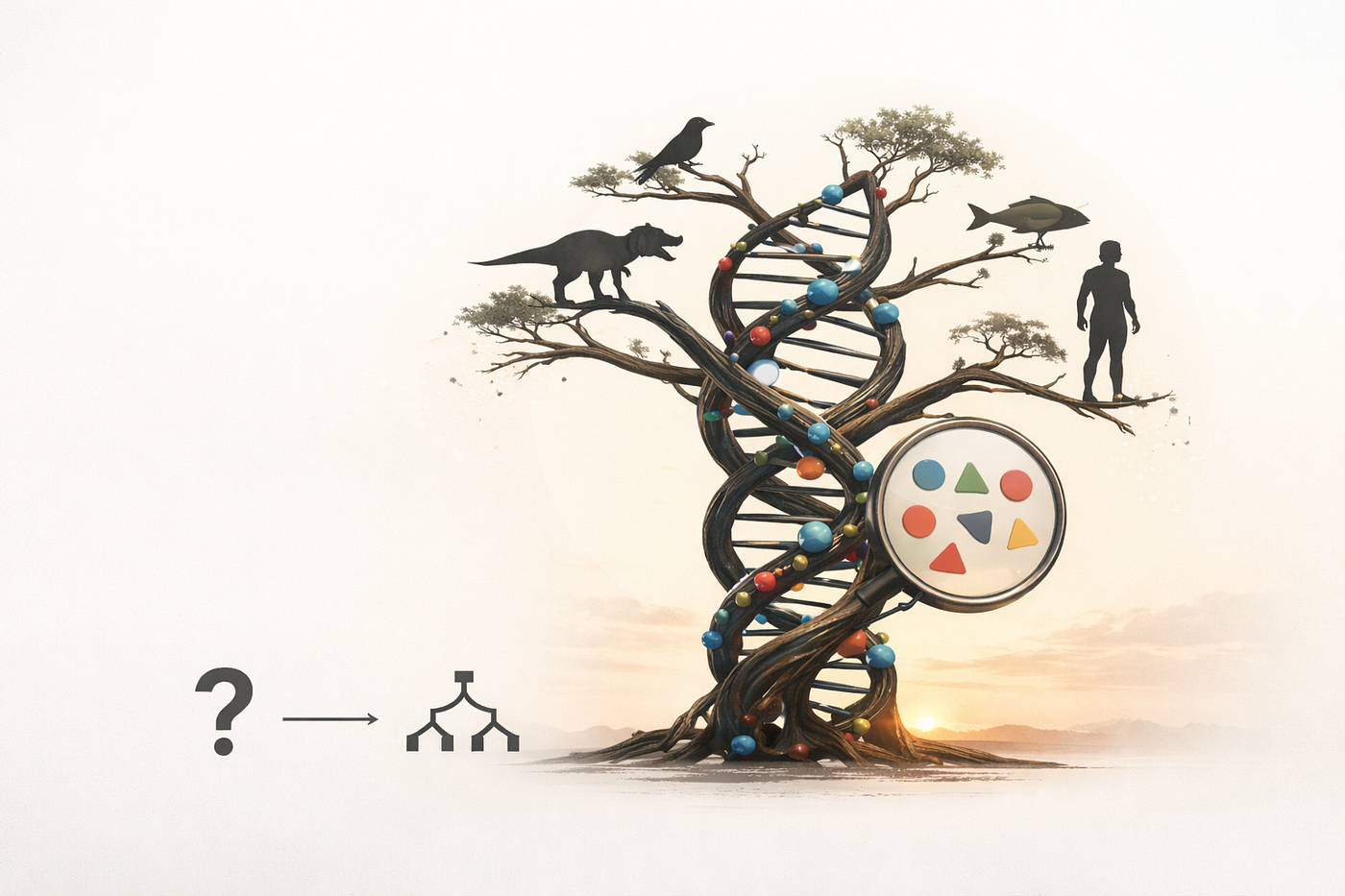
Colossal Biosciences and the Science of Genetically-Edited Proxies
The idea of bringing back extinct species is something that made the Jurassic Park and Jurassic World franchises such a hit with audiences…
Colossal Biosciences and the Science of Genetically-Edited Proxies
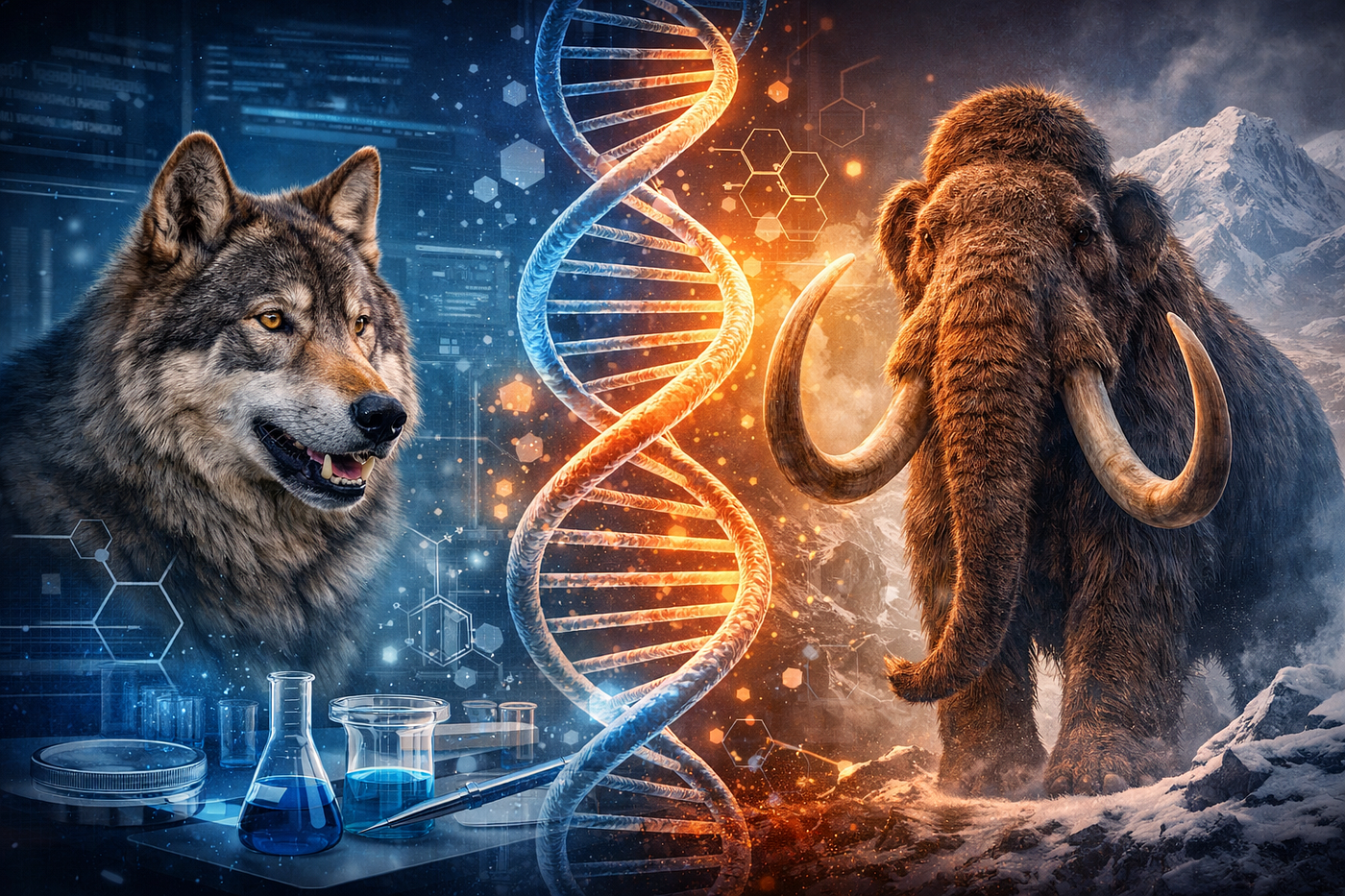
Illustration created with AI assistance to visualize Colossal Biosciences’ work on genetic proxies of extinct species.
The idea of bringing back extinct species is something that made the Jurassic Park and Jurassic World franchises such a hit with audiences. I was in awe of those films as a kid, because the idea of bringing back extinct animals was just plain cool. I was a dinosaur buff and later became fascinated with Ice Age species as I grew older.
The late Michael Crichton remains one of my favorite fictional authors, and I’ve always found unique science news and perspectives intellectually stimulating.
One company in particular has been generating buzz, turning heads, and sparking debate: Colossal Biosciences (https://colossal.com). Colossal was founded in 2021 by entrepreneur Ben Lamm and geneticist George Church, and it aims to apply cutting‑edge genetic engineering to species restoration and conservation. Colossal Biosciences
But exactly what they are doing can get a little fuzzy.
According to their website:
“As the world’s first and only de‑extinction company, Colossal is closer to restoring the past, preserving the present and safeguarding the future than anyone before… we must not only redefine de‑extinction, but establish standards for the science behind it, as well.” (https://colossal.com)
They describe their work as “functional de‑extinction,” which they define as:
“The process of generating an organism that both resembles and is genetically similar to an extinct species by resurrecting its lost lineage of core genes; engineering natural resistances; and enhancing adaptability that will allow it to thrive in today’s environment of climate change, dwindling resources, disease and human interference.” (https://colossal.com)
In other words, Colossal is creating genetically edited proxies — organisms that resemble extinct species but are engineered from close living relatives.
To achieve this, they make use of CRISPR technology and advanced genetic engineering to create genetically edited proxies of extinct species (https://colossal.com).
Last year, Colossal drew widespread attention with its work on dire wolves. The company engineered three genetically modified gray wolves — named Romulus, Remus, and Khaleesi — to express traits said to resemble the extinct Canis dirus. Colossal Biosciences: These pups, born in late 2024 and early 2025, were the first public demonstration of Colossal’s functional de‑extinction technology. Colossal Dire Wolf Project
It’s important to be precise: independent experts and even Colossal’s own chief scientist have clarified that these animals are still gray wolves with targeted gene edits designed to emulate some dire wolf characteristics, not true genetically restored dire wolves in the strict biological sense. Live Science
Colossal has also drawn attention with their “Wholly Mice” project, another demonstration of their genetic engineering capabilities. **Jerusalem Post**
I don’t criticize their work; in fact, I find it fascinating. It provides a window into the future of conservation and genetic science. I appreciate their redefinition of “de‑extinction,” though I prefer the term genetically edited proxies — after all, the animals they are engineering are not the originals. Still, I have no issue with their mission or vision.
I can see this work having real potential as we advance in protecting endangered and extinct species. Even if it’s genetic engineering, it’s worth remembering that the dinosaurs in Jurassic Park were never the originals either, as they had frog DNA — they were fiction.
One of Colossal’s main goals, according to its website, is conservation. Much of what they do is framed through the lens of saving species and safeguarding ecosystems. The Colossal Foundation focuses on conservation efforts, and the company has attracted well‑known backers and even some celebrity support. Business Wire
They are not without critics. Some question the ethics of labeling genetically modified gray wolves as dire wolves, given the biological and genetic distinctions still present. Live Science, however, at the end of the day, Colossal is shaking things up, experimenting boldly, and doing work that is worth watching closely.
Transparency note: This article is based on publicly available information from Colossal Biosciences, news coverage, and expert commentary, combined with my own perspective and research.
Don’t forget to follow me on Facebook, Instagram, X (formerly Twitter), TikTok, and Threads for all things martial arts, film, tech, and philosophy.
메타데이터
- post_id
- 6ccf50466ddc
- slug
- colossal-biosciences-and-the-science-of-genetically-edited-proxies-6ccf50466ddc
- url
- https://medium.com/@kg199045/colossal-biosciences-and-the-science-of-genetically-edited-proxies-6ccf50466ddc
- canonical_url
- https://medium.com/@kg199045/colossal-biosciences-and-the-science-of-genetically-edited-proxies-6ccf50466ddc
- author_url
- https://medium.com/@kg199045
- status
- ok
- fetched_at
- 2026-06-22 05:41:33