Polymer Testing Strategies for Reliable Tyre Certification
Tyre performance depends heavily on the quality of rubber compounds used during manufacturing. These compounds must deliver durability…
Polymer Testing Strategies for Reliable Tyre Certification
Tyre performance depends heavily on the quality of rubber compounds used during manufacturing. These compounds must deliver durability, flexibility, traction, and resistance to environmental stress. To ensure these properties meet safety standards, manufacturers rely on advanced **polymer testing** as a core validation process. Accurate testing helps identify material characteristics before tyres are released into the market.
Reliable tyre certification requires measurable proof that tyre materials and finished products meet regulatory guidelines. A professional tyre testing lab evaluates polymer compounds through standardized procedures that assess strength, elasticity, and wear resistance. By validating material performance early in the development stage, manufacturers reduce risks and ensure consistent product quality across production batches.
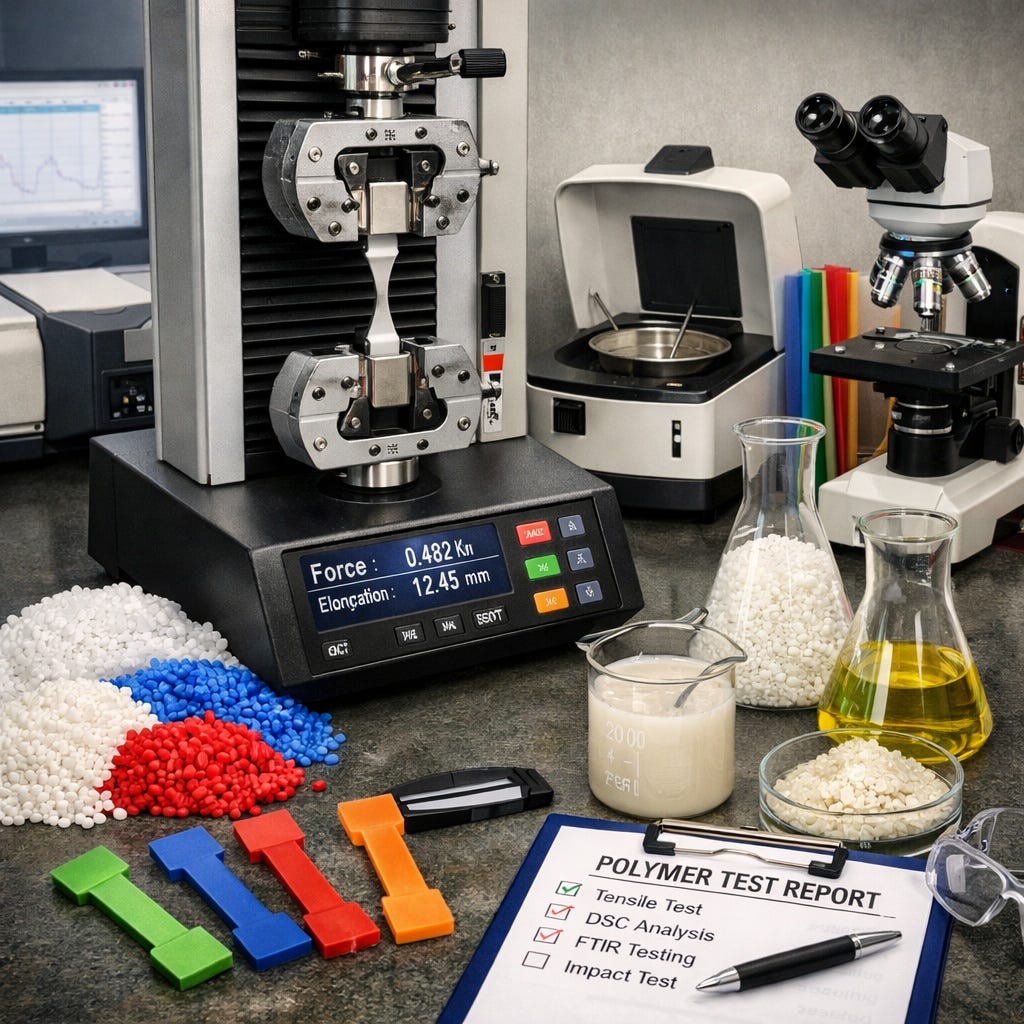
Polymer testing
Mechanical Polymer Testing for Material Strength
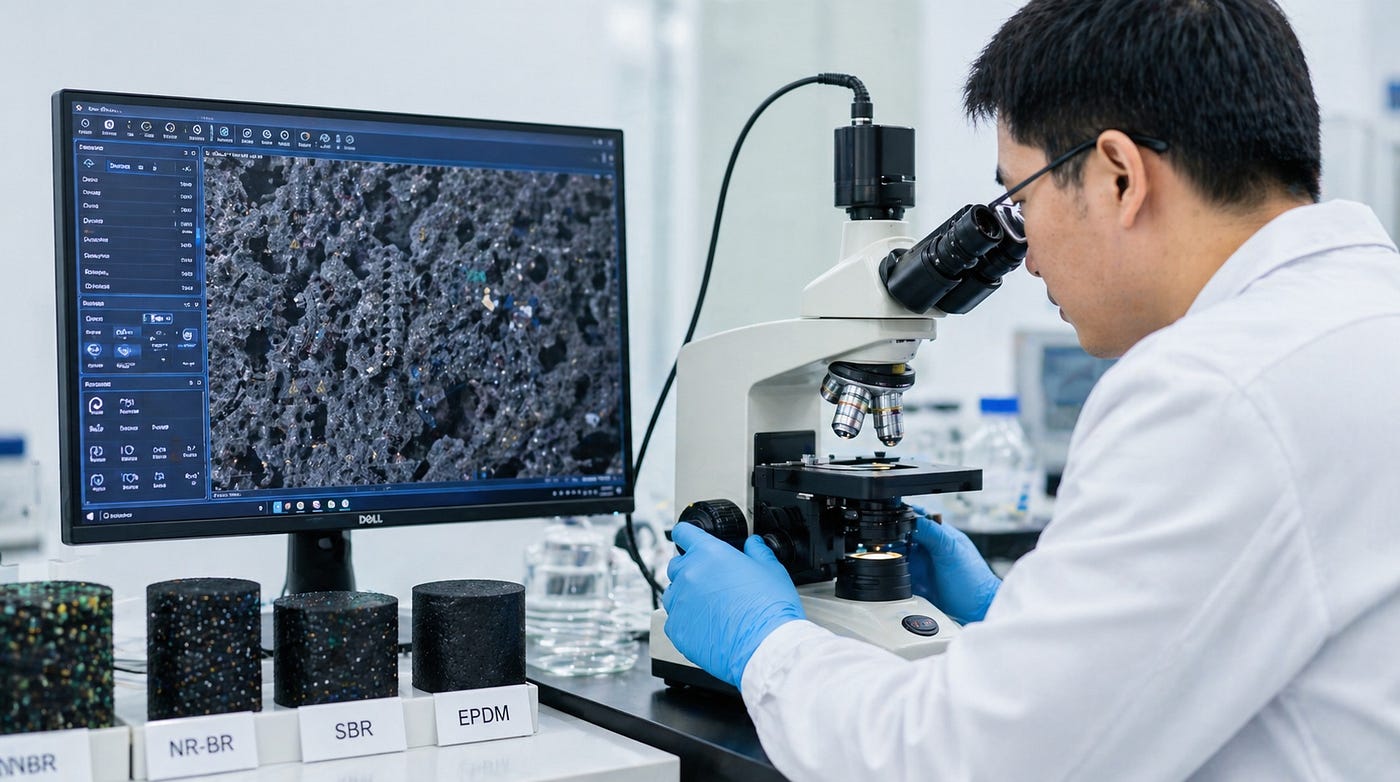
Mechanical testing is one of the most important strategies used in polymer testing. These evaluations measure how rubber compounds respond to stress, strain, and deformation. Tests such as tensile strength, elongation at break, tear resistance, and hardness provide valuable insights into the structural integrity of tyre materials.
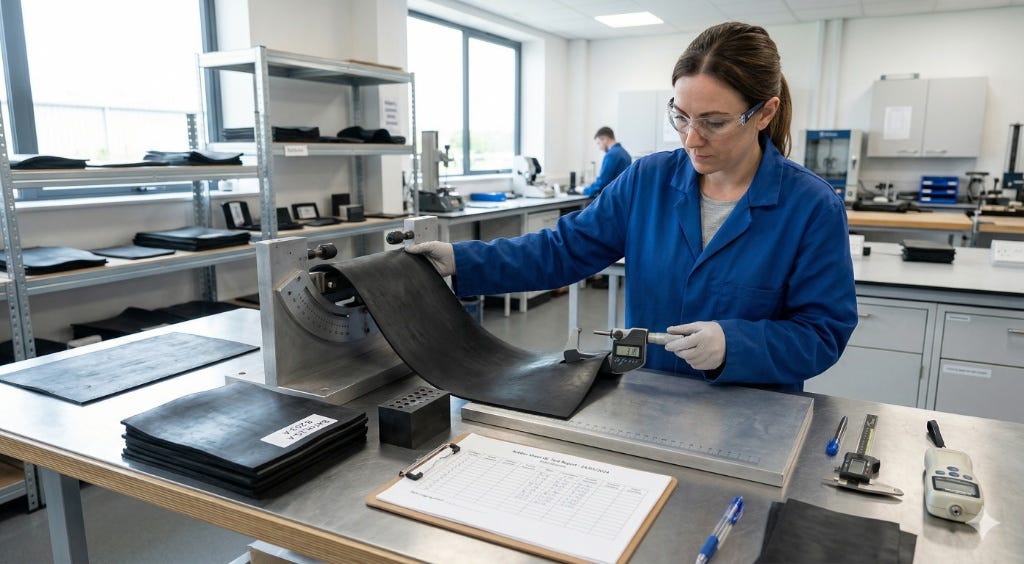
Abrasion resistance testing is particularly important because tyres constantly interact with road surfaces. This test simulates friction to predict tread wear over time. When performed in a certified tyre testing lab, these tests provide reliable data that manufacturers use to refine compound formulations and improve durability. Accurate mechanical polymer testing ensures that materials meet the requirements needed for successful tyre certification.
Thermal and Environmental Polymer Evaluation
Tyres operate under varying environmental conditions that include heat, humidity, and exposure to ozone. These factors can weaken rubber compounds if they are not properly engineered. Advanced polymer testing evaluates the thermal stability and environmental resistance of tyre materials to prevent premature degradation.
Thermal aging tests simulate prolonged exposure to high temperatures to measure material stability. Ozone resistance testing evaluates the ability of rubber compounds to resist cracking caused by environmental exposure. Dynamic Mechanical Analysis measures viscoelastic behavior across different temperatures to determine how the compound responds under real driving conditions.
All of these evaluations are performed in a specialized tyre testing lab where controlled conditions ensure accurate results. The data generated from such testing plays a critical role in obtaining reliable **tyre certification** because it demonstrates that the tyre can withstand diverse operating environments.
Performance Testing in a Tyre Testing Lab
Once polymer compounds are validated, the finished tyre must undergo complete performance evaluation. A certified **tyre testing lab** conducts a range of tests that replicate real world driving conditions. These procedures confirm that tyres perform safely under stress and maintain structural stability during operation.
Endurance testing evaluates the tyre’s ability to withstand prolonged use under continuous load. High speed testing measures stability and resistance to deformation at elevated speeds. Load capacity testing ensures that tyres can support designated vehicle weights without compromising performance.
Additional tests such as traction assessment and rolling resistance measurement evaluate braking performance and energy efficiency. When combined with earlier polymer testing, these evaluations provide a comprehensive performance profile that supports the approval process for tyre certification.

Tyre testing lab
Research Collaboration for Stronger Certification Outcomes
Continuous innovation in tyre manufacturing is supported by collaboration with a specialized rubber research lab. A rubber research lab focuses on developing advanced elastomer compounds designed to improve durability, traction, and resistance to heat buildup. These research initiatives undergo extensive polymer testing before the compounds are introduced into commercial production.
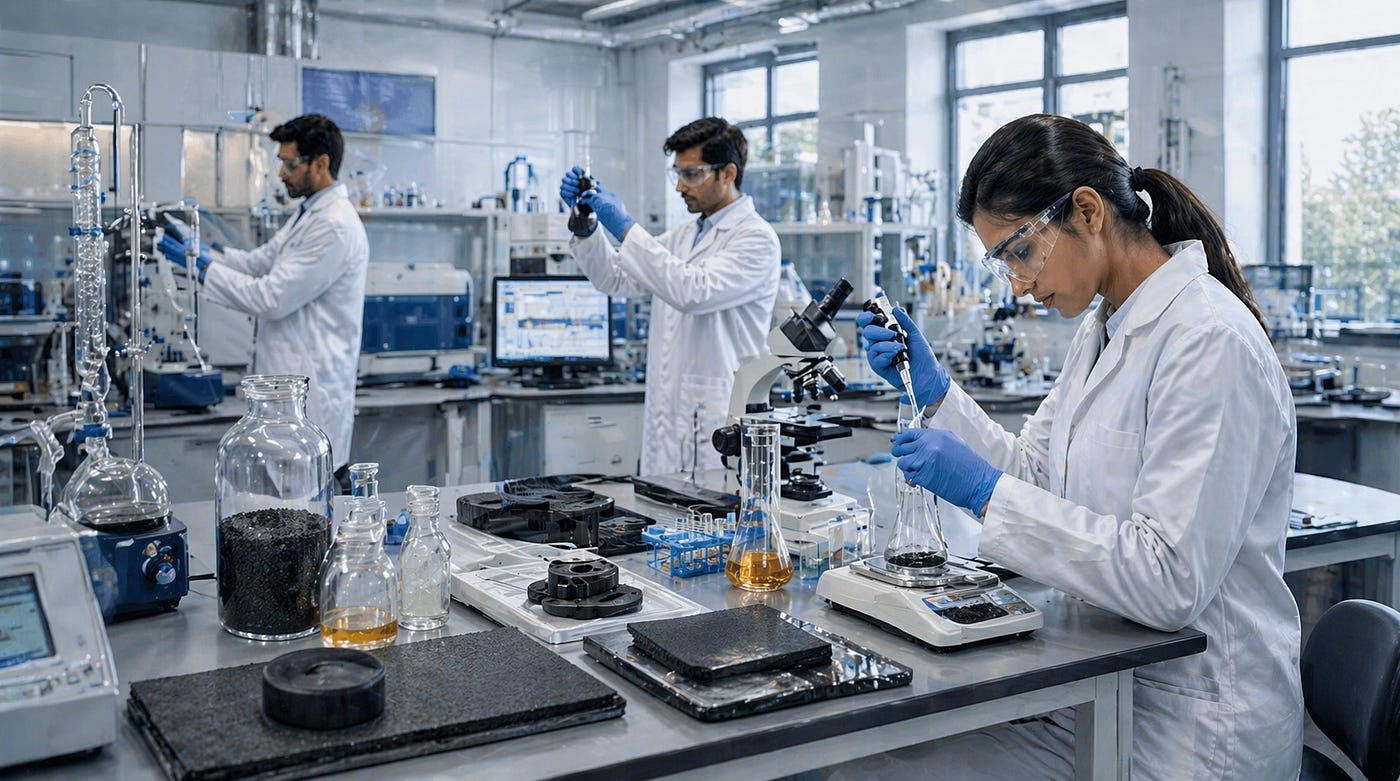
A professional **rubber testing lab** further strengthens the validation process by performing detailed compound characterization and failure analysis. The analytical capabilities within a rubber testing lab help identify weaknesses in rubber formulations and optimize manufacturing processes. Insights generated from these laboratories support accurate evaluation within a certified tyre testing lab, enabling smoother and more reliable tyre certification.
The integration of research driven innovation with advanced testing infrastructure creates a comprehensive certification framework. When a rubber research lab, a certified rubber testing lab, and a professional tyre testing lab work together, manufacturers gain confidence that their tyres meet global safety standards. Through precise polymer testing strategies and structured performance validation, companies can achieve dependable tyre certification while delivering safe and durable products to the automotive market.
Also Read :
https://nabllabforrubbertesting.blogspot.com/2026/02/polymer-testing-standards-that-support.html
메타데이터
- post_id
- 6d39ca4bbfe5
- slug
- polymer-testing-strategies-for-reliable-tyre-certification-6d39ca4bbfe5
- url
- https://medium.com/@hasetri/polymer-testing-strategies-for-reliable-tyre-certification-6d39ca4bbfe5
- canonical_url
- https://medium.com/@hasetri/polymer-testing-strategies-for-reliable-tyre-certification-6d39ca4bbfe5
- author_url
- https://medium.com/@hasetri
- status
- ok
- fetched_at
- 2026-06-14 11:28:49