How does cultural policy shape artistic creativity?
Cultural policy plays an important role in shaping artistic production and guiding what kinds of cultural expression are encouraged in…
How does cultural policy shape artistic creativity?
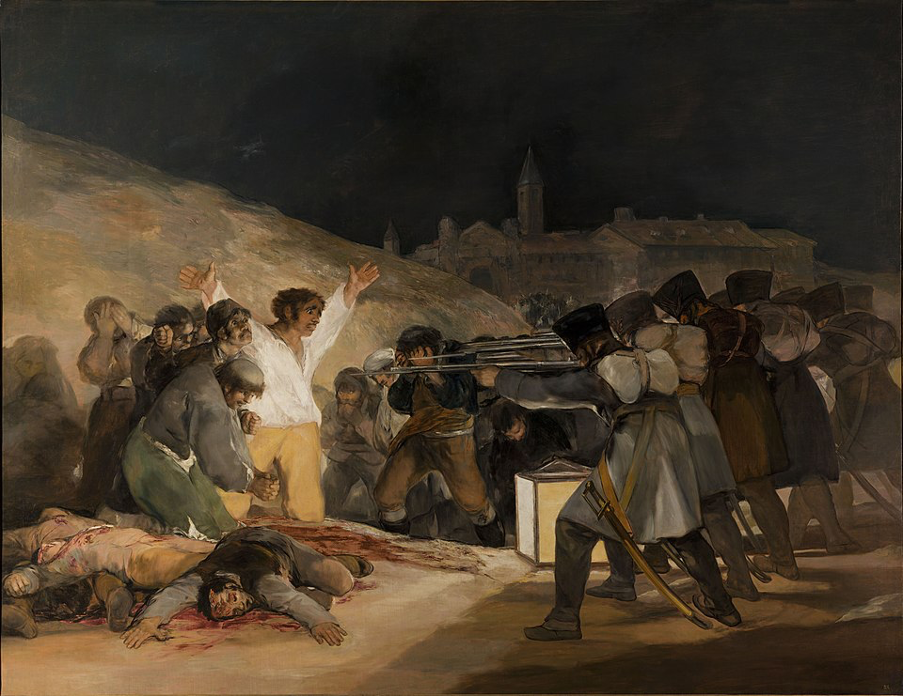
Cultural policy plays an important role in shaping artistic production and guiding what kinds of cultural expression are encouraged in society. Although art is often seen as a form of free expression, artists usually work within government, institutional, and social environments. Their work can be influenced by exhibition requirements, funding systems, and public expectations. Therefore, decisions about what kind of art is considered appropriate are not made only by artists themselves. Instead, these decisions are often shaped by cultural policy and institutional authority. This essay argues that acceptable artistic themes are influenced by policy goals and social values. Cultural policy can support artists and promote positive social messages, but it can also limit creativity by discouraging certain topics.
Public policy scholars explain that policy is about making decisions and setting priorities. According to Denniss and Maddinson (2013), public policy reflects government choices about what activities should be supported or controlled in society. These decisions are connected to public interests and social goals. In addition, Weber (2004) explains that politics is closely related to power and responsibility, because institutions have the authority to guide behaviour and maintain order. In the cultural field, this authority can be seen in policies that define cultural values and support certain types of cultural production. Bell and Oakley (2015) also argue that cultural policy is not only about helping the arts but also about managing culture and shaping its direction. In this way, cultural policy works as both support and regulation.
The influence of cultural policy can be clearly seen in art education in China. During my undergraduate studies in oil painting, student exhibitions were a significant part of academic life. It is a chance for students to show their artistic work and learning outcomes to teachers, classmates, and the public. However, exhibitions often had clear expectations about suitable themes. Students were encouraged to create artworks that showed positive social values and avoided topics that might be considered sensitive or negative. Artworks that focused on social problems, criticism of institutions, or political conflict were usually not recommended. For instance, my classmate choose a theme that drew his human body structure using Lucian Freud painting style. However, the faculty leader suggests that he change theme or add clothes for him in painting. The reason was that the artwork not easy be chosen in exhibition because the people in painting has too much skin exposed, which give a sense of being out of place and not fitting in with the formal setting, such as exhibition. Finally, my classmate said he did not want to change because he was interested in this painting style, even though his work might not be selected for the graduation exhibition. This situation made me think about how to balance artistic freedom and social values in China. It was not just a personal matter whether be selected to show in the graduating exhibition, which also related to tutors’ guide efficiency and faculty educational outcome and so on. Tutors often suggested safer subjects, such as natural scenery, family life, or themes that expressed harmony and hope.

The exhibition site of graduates’ artworks
These expectations were not always written in official documents, but they were widely understood by students and teachers as informal rules. Over time, students learned to adjust their ideas to meet these expectations, especially when preparing for exhibitions or competitions. This situation reflects a broader cultural environment in China, where art is often expected to support social stability and positive public communication. As a result, artists may limit their choices to meet institutional standards. This shows that cultural policy does not always control art directly, but it can still shape artistic behaviour through guidance and expectations.
From a policy perspective, these practices are related to the goals of cultural governance. Governments and cultural institutions often use cultural activities to promote positive values and national identity. Encouraging positive themes can strengthen community relationships, but it may also create tension between social responsibility and artistic freedom. If cultural policy focuses too much on positive messages, artists may have fewer chances to explore critical topics. To sum up, cultural policy shapes artistic creativity by guiding what artists create, not only by their personal choices.
References
Bell, D., & Oakley, K. (2015). Cultural policy. Routledge.
Denniss, R., & Maddinson, S. (2013). An introduction to Australian public policy (2nd ed.). Cambridge University Press.
Weber, M. (2004). Politics as a vocation. In D. Owen & T. B. Strong (Eds.), The vocation lectures (R. Livingstone, Trans.). Hackett Publishing Company. (Original lecture delivered 1919)
메타데이터
- post_id
- 6d3c110b7c0f
- slug
- how-does-cultural-policy-shape-artistic-creativity-6d3c110b7c0f
- url
- https://medium.com/@ytan0450/how-does-cultural-policy-shape-artistic-creativity-6d3c110b7c0f
- canonical_url
- https://medium.com/@ytan0450/how-does-cultural-policy-shape-artistic-creativity-6d3c110b7c0f
- author_url
- https://medium.com/@ytan0450
- status
- ok
- fetched_at
- 2026-07-11 17:03:31