Rebuilding Trust Brick by Brick: Automating Public Works and Procurement
Why We Must Use AI, Blockchain, and Satellites to End Contractor Corruption in the Philippines
Rebuilding Trust Brick by Brick: Automating Public Works and Procurement

Why We Must Use AI, Blockchain, and Satellites to End Contractor Corruption in the Philippines
Every Filipino has seen roads built, destroyed, rebuilt, and destroyed again — not because they were needed, but because someone needed the budget. The corruption in public works is not just a matter of “greed”; it is the direct result of a system designed without transparency. This essay argues that the only way to fix public infrastructure is to remove human discretion from its most vulnerable points and replace it with an automated, transparent, tamper-proof system powered by AI, blockchain, and satellite verification.
I’ll be honest: I don’t trust any road built here.
And I know I’m not the only one.
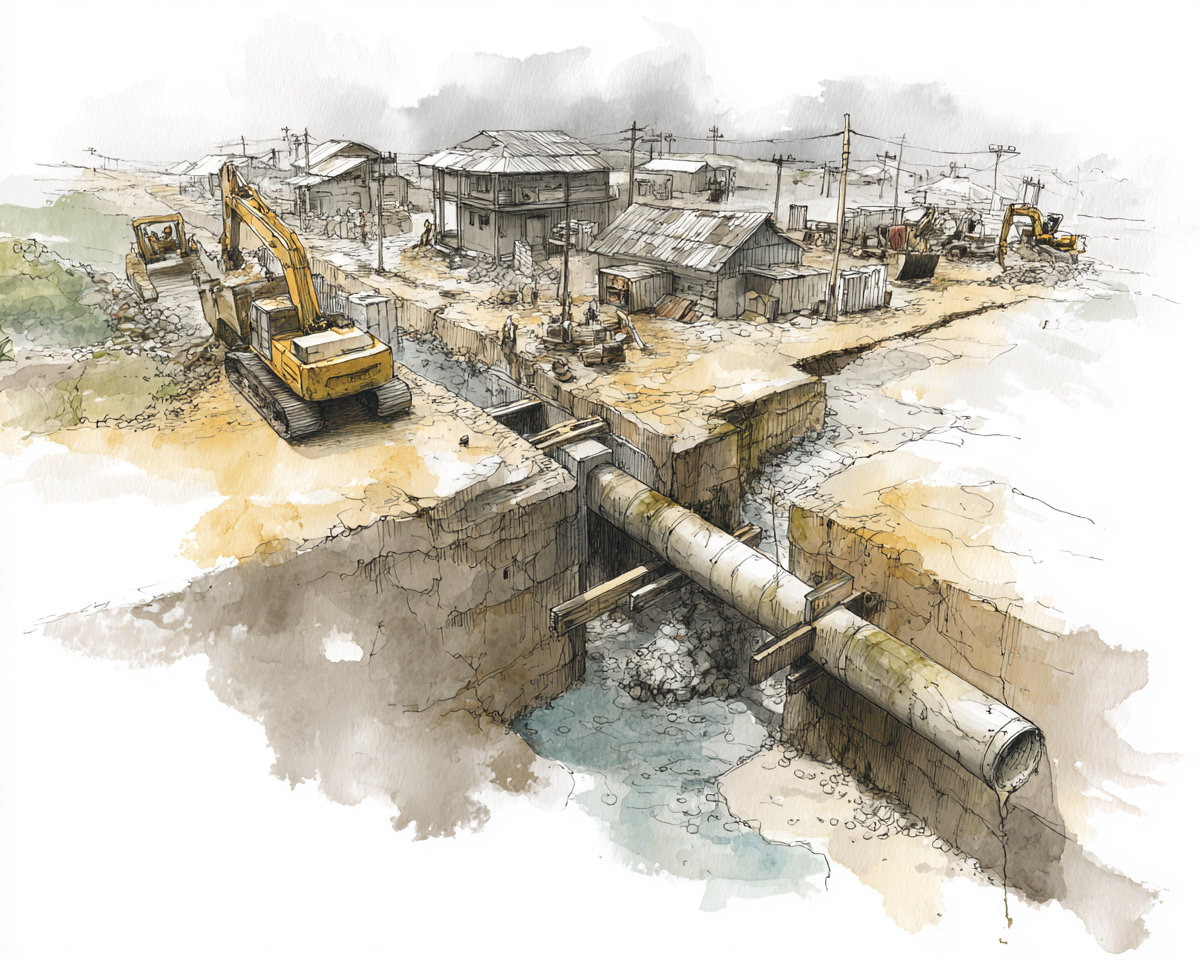
We’ve all seen it — freshly paved highways being dug up only months later. Barangay roads resurfaced three times in one year. Drainage projects that disappear when the rain comes. Bridges that cost millions but look weaker than a private contractor’s driveway.
It’s not an accident.
It’s not incompetence.
It’s the system — or more accurately, the lack of one.
Every Filipino knows that DPWH (Department of Public Works and Highways) is one of the most politicized and corruption-ridden agencies in the country. Contractors fight for projects not because they want to build, but because they want the kickbacks. Politicians don’t recommend contractors based on quality, but based on cuts.
And the truth is painful but simple:
Our infrastructure isn’t weak because we lack money. It’s weak because we lack transparency.
No amount of “hoping for honest leaders” can fix a structure that is engineered to hide wrongdoing.
So it’s time to redesign it — from the foundations to the final audit — using tools that cannot be bribed, manipulated, or politically influenced.
The Contractor Problem: A System Built for Kickbacks
Let’s stop pretending this is a secret.
The standard kickback in public works?
20% to 30%.
Sometimes more, depending on the office, the official, or the desperation of the bidder.
Here’s how it works in practice:
- A contractor “wins” a bid because of political ties.
- The winning price is inflated.
- Materials are downgraded.
- Roads are thinner than the specification.
- Drainage is incomplete.
- Inspections are faked.
- Completion reports are pre-signed.
- Funds are released.
- The road collapses in two years.
This isn’t a theory — it’s the cycle we see everywhere.
Barangay roads that melt after one rainy season.
Sidewalks paved with tiles that crack in three months.
Highways that flood despite “completed” drainage projects.
Schools that look like they were built by amateurs.
Filipinos have normalized poor quality because the system rewards it.
But the core problem isn’t even the contractors or the politicians.
It’s that there is no way for the public to see what should be visible.
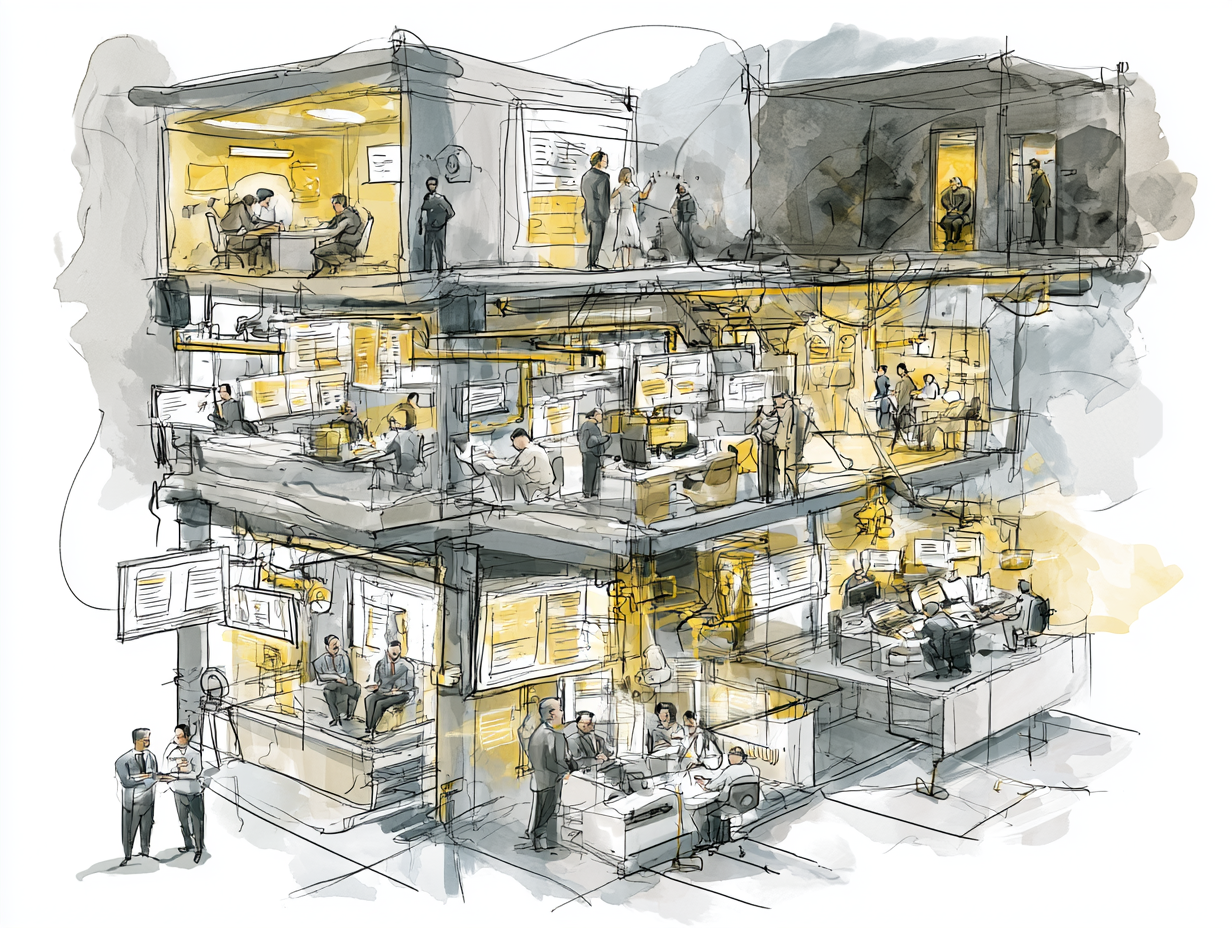
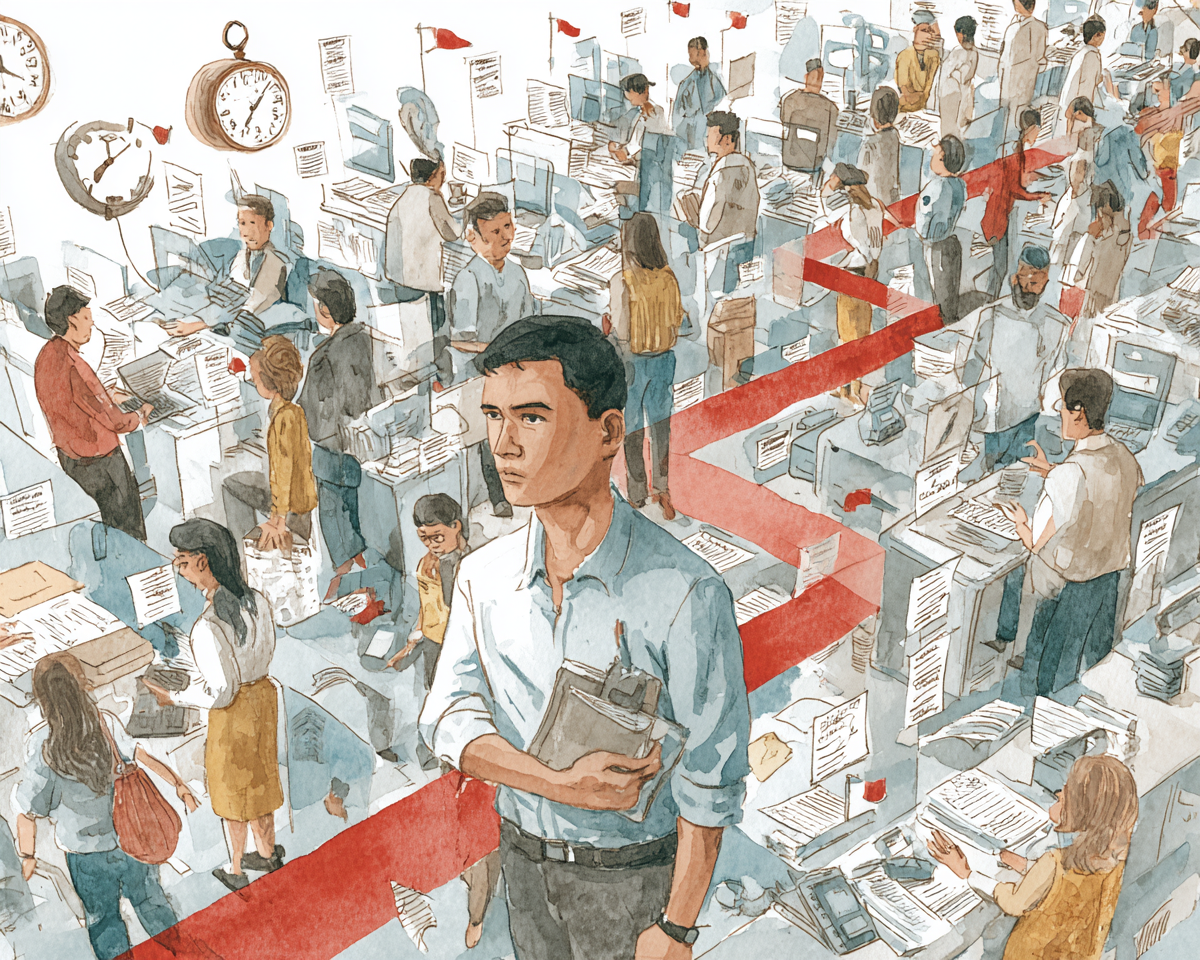
2. The Procurement Bottleneck: Paperwork, Secrecy, and Manual Manipulation
This is what “public bidding” actually looks like today:
- Contractors submit PDF or printed documents.
- Bids are evaluated manually.
- Signatories approve without accountability.
- Price references vary per office.
- No central dashboard for the public to view bids.
- No standardized pricing of cement, steel, asphalt, or equipment.
- No satellite verification of actual work.
- No blockchain trail for payments.
- No consequence for fraudulent reporting.
- No permanent record of bidding history.
Corruption thrives not because Filipinos are inherently dishonest, but because the system is:
- opaque,
- fragmented,
- manual,
- and unverifiable.
You cannot fix corruption by scolding officials.
You fix corruption by creating a system where corruption has nowhere to hide.
Look at Other Countries. They Didn’t Choose Honesty — They Chose Systems.
Countries with better infrastructure didn’t wake up honest.
They built systems that removed the opportunity for manipulation.
South Korea — KONEPS (Korea ON-line E-Procurement System)
- 100% of procurement online
- Standardized pricing
- Real-time audit trails
- Corruption reduced by 75%
- Processing time cut in half
India — Government eMarketplace
- All contractors registered and scored
- Automated comparison of bids
- Centralized catalog of standardized prices
UAE — Smart Dubai Infrastructure Dashboard
- Satellite monitoring for all public projects
- Automated AI verification of progress
Chile — ChileCompra
- Public dashboard where ANY citizen can see every project, bid, and contract
These countries solve corruption by designing systems that:
- record everything,
- timestamp everything,
- display everything publicly, and
- remove manual discretion wherever possible.
We can do the same — and we should.
The Blueprint: A Fully Automated Philippine Public Works System
Here is the system we need — simple, enforceable, transparent, and impossible to manipulate.
Digital Bidding Platform (No More “Paper Envelopes”)
Every contractor:
- registers once
- verifies identity through PhilSys + SEC
- submits digital bidding documents
- gets automatically evaluated by AI
Manual selection disappears.
Influence disappears.
“Padrino system” collapses.
Standardized Pricing Engine (AI Against Overpricing)
The system automatically analyzes:
- current market prices of cement and steel
- logistics costs
- labor rates per region
- historical cost of similar projects
When a contractor attempts to overprice asphalt by 300% — which happens often — the system will flag it immediately and reject the bid automatically.
No more “creative pricing.”
No more “special arrangements.”
AI becomes the gatekeeper.
Blockchain-Based Contract Tracking (Tamper-Proof)
Every step in the process is logged permanently:
- bidding
- approval
- fund release
- construction checkpoints
- completion report
- payment to contractors
No one can edit or delete logs.
No official can hide or rewrite a mistake.
No contractor can fake reporting.
This alone can cut corruption by more than half.
Satellite + Drone Verification (Truth from Space)
Contractors cannot fake what the satellite sees.
The system will automatically:
- check road length
- measure concrete thickness
- confirm geographic coordinates
- compare actual progress to submitted reports
- verify drainage depth and coverage
DPWH or LGU engineers cannot sign off unless the system verifies it.
If the road does not exist or the drainage is fake, the system freezes payment instantly.
It will be impossible to complete a ghost project.
Real-Time Public Dashboard (Citizens as Oversight)
Every Filipino can see:
- all projects in their area
- budget allocations
- contractor names
- exact stage of progress
- satellite images before and after
- timeline
- payments released
- performance score of contractors
Imagine having a website where you can click your city and see every ongoing project, complete with live maps and budget data.
Transparency becomes the default.
Accountability becomes automatic.
Ending Ghost Projects Forever
Let’s break down how ghost projects currently work:
- A project is “approved.”
- Funds are released.
- No monitoring.
- “Completion” is declared.
- Payment released.
- Nothing is built.
Under the new system:
- A project cannot be “approved” unless the system validates scope.
- A project cannot progress unless satellite images show work.
- A project cannot be completed unless AI confirms material compliance.
- A contractor cannot be paid unless blockchain records all checkpoints.
Ghost projects become impossible because the system itself refuses to acknowledge them.
Eliminating Kickbacks and Bid Collusion
Kickbacks thrive when:
- bidding is secret,
- pricing is subjective,
- and contractors are chosen manually.
Remove these three, and kickbacks evaporate.
Automation ends:
- padrino picks
- under-the-table deals
- “negotiated contracts”
- favoritism
- political interference
AI doesn’t care who your cousin is.
Blockchain cannot be bribed.
Satellites cannot be pressured.
The system becomes the protector — not the official.
Funding the System: The Money Is Already There
In my previous essays, I have already outlined how:
- automation
- digitalization
- fraud reduction
- and efficient procurement
can save ₱700 billion to ₱1 trillion annually.
Public works corruption alone easily drains ₱300–₱500 billion per year.
This reform pays for itself immediately.
Every peso spent replacing manual bureaucracy with automation saves ten pesos in lost funds, kickbacks, and ghost projects.
We don’t need more taxes.
We need fewer leaks.
Implementation Timeline (Realistic, Not Utopian)
Year 1–2:
National e-procurement portal built under DICT + COA
Contractor registration transitions to digital
Year 2–4:
AI pricing engine deployed
All DPWH offices required to bid digitally
LGUs begin integration
Year 4–6:
Satellite + drone verification introduced
Public dashboard launched
Year 6–8:
Full blockchain-based procurement
Automated contractor scoring
Year 8–10:
Nationwide adoption
Corruption in infrastructure collapses by 60–80%
Not because people become honest — but because the system no longer allows dishonesty.
The Resistance We Must Expect
Let’s be realistic.
This will face massive resistance from:
- politicians who rely on contractor kickbacks,
- contractors who thrive on loopholes,
- DPWH insiders who benefit from approvals,
- LGU officials who prefer “friendly suppliers.”
They will say:
“It’s too expensive.”
“It’s too complex.”
“It’s too risky.”
“It’s not applicable in the Philippines.”
All lies.
The real reason for resistance is simple:
Automation doesn’t just stop corruption. It starves it.
Once the system is built:
- Kickbacks vanish
- Ghost projects disappear
- Fake inspections end
- Political influence collapses
- Payment manipulation becomes impossible
And that terrifies the people who benefit from the chaos.
We Fix the Roads by Fixing the System
I no longer believe that waiting for honest leaders will solve anything.
Honesty is not a policy.
Integrity is not a system.
And goodwill cannot defeat an architecture that rewards corruption.
The only way forward is a government that has no choice but to be honest — because the system leaves no room for lies.
Filipinos don’t distrust infrastructure.
We distrust the people behind it.
A digital, automated, satellite-verified procurement system removes that fear.
We don’t rebuild this nation by trusting people.
We rebuild it by creating systems that make trust unnecessary.
Because at the end of the day:
We cannot build a strong country when our roads, our bridges, our programs, and our institutions all rest on weak foundations.
We fix the roads — literally and figuratively — by fixing the system.
And when we do,
we stop being the country of ghost projects and begin becoming the country of real progress.
메타데이터
- post_id
- 6d779a9a8577
- slug
- rebuilding-trust-brick-by-brick-automating-public-works-and-procurement-6d779a9a8577
- url
- https://medium.com/@crmlmcchia2/rebuilding-trust-brick-by-brick-automating-public-works-and-procurement-6d779a9a8577
- canonical_url
- https://medium.com/@crmlmcchia2/rebuilding-trust-brick-by-brick-automating-public-works-and-procurement-6d779a9a8577
- author_url
- https://medium.com/@crmlmcchia2
- status
- ok
- fetched_at
- 2026-06-09 15:37:30