What is CPCB in Waste Management? Unpacking its Crucial Role for a Greener India
Contact VP Washtech Regarding CPCB-Related Query in Noida. Or call +91–9205820840.
What is CPCB in Waste Management? Unpacking its Crucial Role for a Greener India
In India’s fight against pollution, one name is consistently at the forefront: the Central Pollution Control Board (CPCB). While its name might sound formal, its role is anything but. The CPCB is a key player that creates and enforces the rules that govern how we manage our waste. For anyone involved in the recycling industry, from big companies to small businesses, understanding what CPCB is and why it’s so important is crucial. This article will explain the CPCB’s vital role in waste management, with a special focus on how it handles the growing challenge of e-waste management.
The CPCB: A Statutory Body with Broad Powers
The **CPCB** was established back in 1974 under the Water Act. It was later given more powers under the Air Act. As a technical and regulatory body under the Ministry of Environment, Forest and Climate Change, its main goal is to improve environmental quality and prevent pollution across India. Along with its state-level counterparts, the State Pollution Control Boards (SPCBs), the CPCB forms a powerful network that enforces environmental laws.
The CPCB’s influence goes far beyond just air and water. It has become the main authority for all types of waste, from municipal garbage to hazardous industrial waste. Its key functions include:
- Setting the Rules: The CPCB drafts and updates various rules for waste management, providing clear guidelines for handling, storing, and disposing of different kinds of waste.
- Providing Technical Guidance: It offers expert advice to industries and government bodies, publishing manuals and procedures to ensure safe waste handling.
- Monitoring and Enforcement: The CPCB keeps a close watch on industries to ensure they follow environmental standards. It has the power to take action against those who don’t, including shutting down their operations.
- Research and Data Collection: It gathers and analyzes data on waste to help in making effective national policies.
The CPCB’s Specialized Role in E-Waste
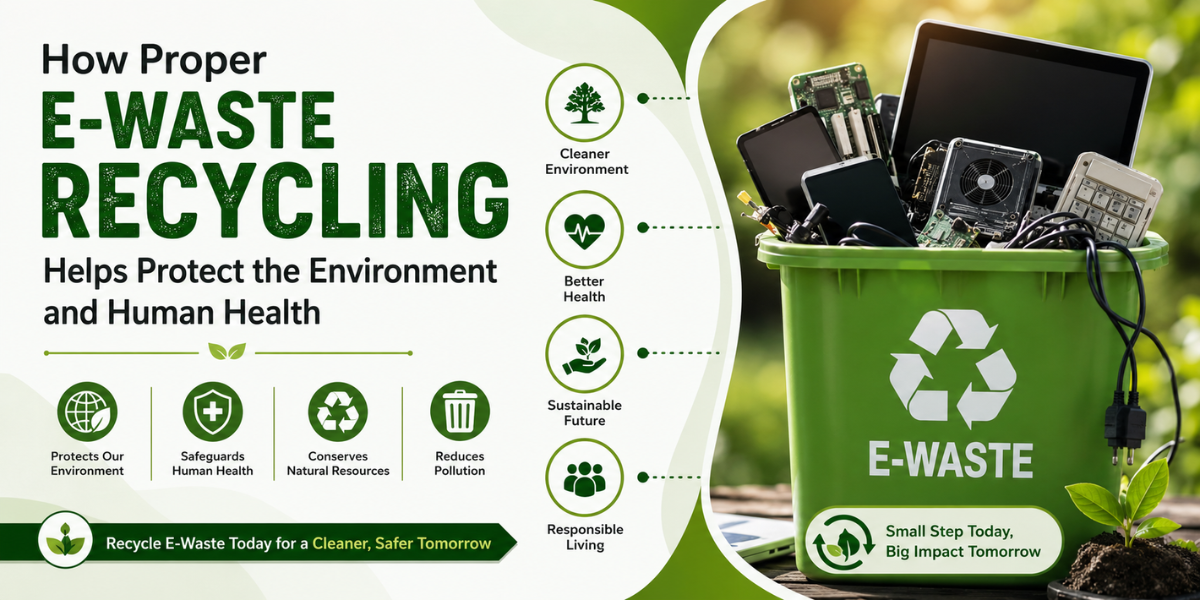
The increasing amount of electronic waste needed a special set of rules. This is where the CPCB’s role in e-waste management becomes most critical. The **cpcb e waste** rules, updated in 2022, are a landmark effort to create a structured and responsible system for managing old electronics.
The new rules are built on a key concept: Extended Producer Responsibility (EPR).
Extended Producer Responsibility: Making Producers Accountable
EPR is a policy where the companies that make and sell electronics are held responsible for managing their products at the end of their life. The CPCB is the main body that makes sure this happens.
Here’s how the cpcb e-waste framework works:
- Mandatory Registration: Every company that makes, imports, or sells electronic goods must register on the CPCB’s online portal. This registration gives them a legal authorization to operate.
- Setting Targets: The CPCB sets strict collection targets for these companies. These targets are based on the weight of the products sold and increase over time, forcing companies to collect more and more waste.
- EPR Certificates: The CPCB has introduced a new system of EPR certificates. A producer can meet their collection targets by either setting up their own recycling network or by buying these certificates from authorized recyclers. This system creates a market for recycled e-waste and encourages a formal, transparent supply chain.
Formalizing the Recycling Chain
The CPCB’s main goal is to move **electronic waste management** away from the dangerous, informal sector. It wants all e-waste to go to formal, certified facilities that follow safe procedures.
- Authorization for Recyclers: To operate legally, all e-waste recyclers and dismantlers must get a special license from the CPCB or their state pollution board. This ensures they have the right technology and safety measures in place.
- Safe Handling Practices: The CPCB provides detailed guidelines on how to safely dismantle electronics. These rules are designed to prevent the release of toxic chemicals and to protect the workers and the environment.
- Reporting and Audits: All registered companies must submit regular reports to the CPCB, detailing how much e-waste they have collected and recycled. This system of reporting and audits ensures that everyone is accountable.
The Big Picture: Why CPCB Matters
The CPCB’s strong focus on **e waste management** is changing the game in India. It is pushing industries to be more responsible, creating a new market for recycled materials, and helping to move e-waste away from harmful, unregulated practices.
While there are still many challenges, the CPCB’s efforts are a crucial step toward a more circular and sustainable economy. By following the cpcb e-waste guidelines, businesses and individuals can do more than just follow the law; they can actively contribute to protecting our environment and creating a healthier future for everyone. The CPCB is the driving force that ensures our digital world doesn’t come at the cost of our planet.
메타데이터
- post_id
- 6d84b0d075de
- slug
- cpcb-in-waste-management-noida-6d84b0d075de
- url
- https://medium.com/@vpwastech/cpcb-in-waste-management-noida-6d84b0d075de
- canonical_url
- https://medium.com/@vpwastech/cpcb-in-waste-management-noida-6d84b0d075de
- author_url
- https://medium.com/@vpwastech
- status
- ok
- fetched_at
- 2026-06-17 08:20:12