How Family Caregivers Benefit from Professional Home Care?
Professional home care gives family caregivers practical support without taking away the personal connection they share with an aging loved…
How Family Caregivers Benefit from Professional Home Care?
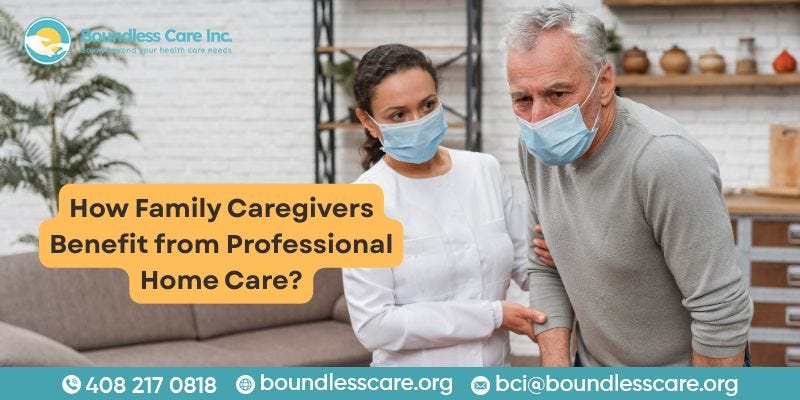
Professional home care gives family caregivers practical support without taking away the personal connection they share with an aging loved one. From daily routines and companionship to respite and household assistance, **Home Care Services Cupertino** can reduce caregiver pressure while helping seniors remain comfortable, independent, and engaged at home.
What Does Professional Home Care Mean for Families?
Professional home care is non-medical assistance provided in a person’s home to support everyday living, safety, comfort, and quality of life. Depending on individual needs, a caregiver may help with personal routines, meal preparation, light housekeeping, mobility support, errands, companionship, and other daily activities.
The important point is that professional care does not replace the family. Instead, it fills practical gaps that can become difficult for relatives to manage consistently, particularly when they are balancing work, children, travel, or other responsibilities.
Why Do Family Caregivers Need Extra Support?
Family caregiving often begins gradually. A daughter starts preparing meals, a son takes over grocery shopping, or a spouse begins helping with appointments. Over time, those small responsibilities can become a demanding daily schedule.
Without reliable support, caregivers may have little time for their own responsibilities or even basic rest. Professional assistance creates a healthier division of responsibilities, allowing relatives to remain involved without feeling that they must manage every task alone.
Common pressures professional care can reduce
- Managing daily routines alongside a full-time job.
- Providing constant companionship when family members cannot be present.
- Handling meals, errands, light housekeeping, and household routines.
- Coordinating visits between several family members.
- Finding time for personal commitments and adequate rest.
How Does Professional Home Care Benefit Family Caregivers?
The biggest benefit is often shared responsibility. A trained caregiver can handle appropriate day-to-day tasks while family members continue providing emotional support and making important decisions.
1. It gives caregivers meaningful respite
Respite is more than simply having a few free hours. It gives family caregivers an opportunity to recharge, attend appointments, work, spend time with their own families, or simply step away from caregiving duties without worrying that their loved one is completely unsupported.
Regular breaks can make caregiving more sustainable over the long term. In my view, this is one of the most overlooked advantages of professional support: good care should protect the caregiver’s capacity to keep caring.
2. It creates a more dependable routine
Seniors often benefit from predictable daily schedules. Consistent assistance with meals, personal routines, activities, and household tasks can make the day feel more organized.
For relatives, consistency also means fewer last-minute calls asking who can stop by, prepare dinner, or help with an everyday task.
3. It helps families stay emotionally connected
When every family visit becomes a checklist of chores, the relationship can unintentionally start feeling like a job. Professional assistance can take some routine responsibilities off the family’s shoulders.
That leaves more room for what families often value most: conversation, shared meals, hobbies, walks, celebrations, and simply being together.
4. It supports aging at home
Many older adults prefer familiar surroundings. Appropriate elderly home care can make remaining at home more manageable by providing practical assistance while respecting the person’s established routines and preferences.
How Can Families Introduce Professional Care Successfully?
Bringing a professional caregiver into the home can feel like a major change. A gradual, thoughtful approach usually makes the transition easier.
Step 1: Identify the actual gaps
Start by listing what the family currently handles. Separate essential daily tasks from occasional responsibilities and identify which ones are becoming difficult to manage consistently.
Step 2: Decide where professional support adds the most value
Professional help might initially cover only a few hours each week. For example, a caregiver could assist with meals, companionship, errands, or household routines while family members continue handling other responsibilities.
Step 3: Discuss preferences with the senior
The older adult should be part of the conversation whenever possible. Explain that professional assistance is intended to provide support, not remove independence or family involvement.
Step 4: Build communication into the care arrangement
Families should agree on how updates will be shared and which concerns require immediate attention. Clear communication prevents confusion and helps everyone understand their role.
What Should Families Look for in a Home Care Provider?
Choosing a provider should involve more than comparing hourly rates. Families are trusting another person with access to a loved one’s home, routines, and personal life.
- Clear service expectations: Understand exactly what assistance caregivers provide.
- Reliable communication: Ask how families receive updates and report concerns.
- Caregiver compatibility: Personality, communication style, and respect matter greatly.
- Flexible scheduling: Needs can change, so arrangements should be adaptable.
- Respect for independence: Good care supports appropriate independence rather than unnecessarily taking over.
Families seeking broader **Senior Care Service** options should also consider whether the provider can adapt its support as an older adult’s needs change.
When Is It Time to Consider Professional Home Care?
There is no single moment when every family should hire professional help. However, certain patterns are useful warning signs.
- A family caregiver regularly feels overwhelmed or exhausted.
- Daily responsibilities interfere with employment or family life.
- An older adult needs more help than relatives can reliably provide.
- Family members frequently disagree about who should provide care.
- Important routines are being missed because nobody has enough time.
Recognizing these signs early can make the transition smoother. Families do not necessarily need to wait for a crisis before asking for assistance.
Frequently Asked Questions(FAQs):
1. Does professional home care replace family caregivers?
No. Professional home care is generally designed to supplement family involvement. Relatives can continue making decisions, visiting regularly, and providing emotional support while caregivers assist with appropriate daily tasks.
2. Can home care help family caregivers avoid burnout?
Yes. Regular assistance can reduce the number of responsibilities handled by family members and provide valuable respite, helping caregiving remain sustainable.
3. Can professional caregivers provide companionship?
Yes. Depending on the care arrangement, companionship may include conversation, hobbies, walks, games, reading, or participation in everyday activities.
4. Does a senior have to need intensive care before hiring a caregiver?
No. Families can consider professional support when everyday tasks are becoming difficult to manage, even if the senior remains largely independent.
5. How can families make a senior comfortable with a new caregiver?
Introduce the caregiver gradually, involve the senior in decisions, explain the purpose of the support, and allow time for trust and familiarity to develop naturally.
Final Thoughts
Professional home care is not about families doing less for their loved ones; it is about making caregiving more sustainable. When trained support handles appropriate everyday responsibilities, family members can spend less energy coordinating tasks and more time being sons, daughters, spouses, and grandchildren. That balance can make aging at home better for everyone.
Full Audio Version:- Click Here
메타데이터
- post_id
- 6d9bc0f5cc0d
- slug
- how-family-caregivers-benefit-from-professional-home-care-6d9bc0f5cc0d
- url
- https://medium.com/@seniorhomecareus/how-family-caregivers-benefit-from-professional-home-care-6d9bc0f5cc0d
- canonical_url
- https://medium.com/@seniorhomecareus/how-family-caregivers-benefit-from-professional-home-care-6d9bc0f5cc0d
- author_url
- https://medium.com/@seniorhomecareus
- status
- ok
- fetched_at
- 2026-08-21 20:06:13




