Why Top African Artists Must Trademark Their Voice and Image — Just Like Taylor Swift
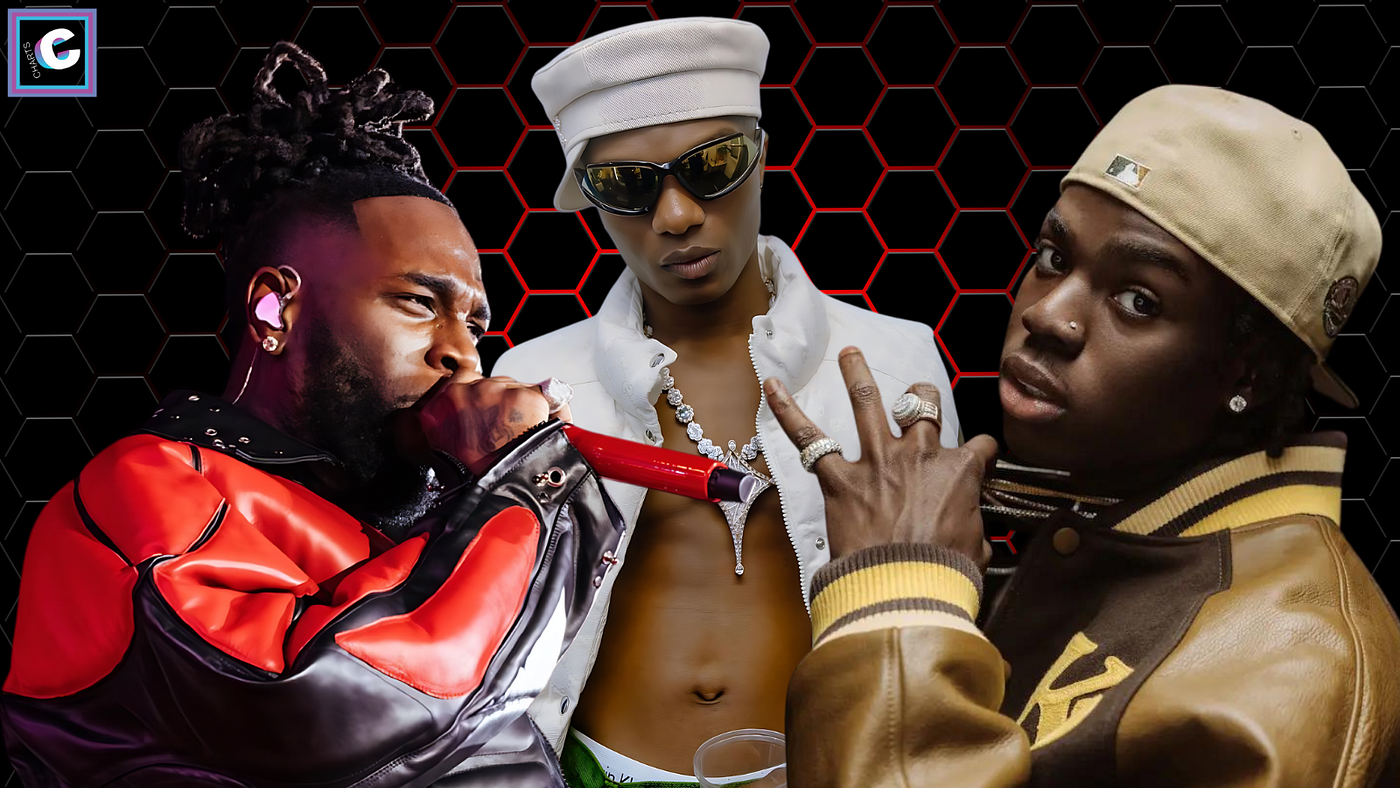
African artists like Wizkid and Burna Boy must follow Taylor Swift’s strategy of trademarking their voice and image to combat AI deepfakes…
Why Top African Artists Must Trademark Their Voice and Image — Just Like Taylor Swift
African artists like Wizkid and Burna Boy must follow Taylor Swift’s strategy of trademarking their voice and image to combat AI deepfakes, protect revenue, and secure global brand control.

The music industry is entering a new era one where artificial intelligence can replicate not just sounds, but identities. From eerily accurate vocal clones to AI-generated visuals, artists are no longer just protecting songs they’re protecting themselves.
And if African music’s biggest stars want to stay ahead, they should be paying close attention to what Taylor Swift has already done: proactively securing legal control over her voice, likeness, and brand.
The Rise of AI Deepfakes in Music
AI tools today can mimic an artist’s voice with shocking precision. With just a few samples, software can generate entire songs that sound like they were recorded by a real artist without their involvement or consent.
We’ve already seen global cases where fake songs using the voices of major artists went viral before being taken down. The problem? By the time they’re removed, the damage financial and reputational is already done.
For African artists whose global influence is growing rapidly this risk is even more pressing.
Why African Artists Are Particularly Vulnerable
Afrobeats, Amapiano, and other African genres are exploding worldwide. Artists like:
- Wizkid
- Burna Boy
- Davido
- Asake
are now global brands.
But with that growth comes exposure and in many African countries, legal frameworks around AI, image rights, and digital identity are still catching up.
This creates a dangerous gap: artists are globally visible but not globally protected.
What Taylor Swift Got Right
Taylor Swift has built one of the most tightly controlled personal brands in entertainment. Beyond music rights, she has aggressively protected:
- Her name and likeness
- Visual branding tied to her image
- Distinct elements of her artistic identity
By doing this, she’s created a legal shield that makes unauthorized commercial use far more difficult and far more expensive to challenge.
Why Trademarking Voice and Image Matters
Traditionally, trademarks covered logos, names, and slogans. But in today’s AI-driven world, artists must expand that thinking.
Here’s what’s at stake:
1. Revenue Protection AI-generated songs using an artist’s cloned voice could generate streams, ad revenue, or licensing deals without the artist earning a cent.
2. Brand Integrity Imagine an AI-generated song with offensive or low-quality content going viral under an artist’s “voice.” The reputational damage could be massive.
3. Legal Leverage Without formal protections, it becomes harder to prove ownership or misuse in court especially across borders.
The Case for African Industry Reform
African music stakeholders labels, managers, and legal teams need to move fast. This isn’t just an individual artist issue; it’s an industry-wide challenge.
Key steps include:
- Filing trademarks for artist names, likeness, and brand assets in major global markets
- Exploring legal recognition of voice as intellectual property
- Partnering with tech platforms to detect and remove deepfake content
- Educating artists about digital rights early in their careers
A Strategic Opportunity, Not Just a Threat
This isn’t only about defense it’s also about ownership.
Artists who legally secure their voice and likeness today could:
- License AI versions of their voice on their own terms
- Monetize virtual performances and digital experiences
- Build new revenue streams in gaming, film, and virtual worlds
In other words, control equals opportunity.
Final Thoughts
African artists are no longer just local stars they are global cultural leaders. But global influence demands global protection.
Following the blueprint of Taylor Swift isn’t imitation it’s strategy.
Because in the age of AI, your voice is no longer just your instrument.
It’s your intellectual property.
메타데이터
- post_id
- 6db7bb3e9a0e
- slug
- why-top-african-artists-must-trademark-their-voice-and-image-just-like-taylor-swift-6db7bb3e9a0e
- url
- https://medium.com/@chartsafrica/why-top-african-artists-must-trademark-their-voice-and-image-just-like-taylor-swift-6db7bb3e9a0e
- canonical_url
- https://medium.com/@chartsafrica/why-top-african-artists-must-trademark-their-voice-and-image-just-like-taylor-swift-6db7bb3e9a0e
- author_url
- https://medium.com/@chartsafrica
- status
- ok
- fetched_at
- 2026-07-10 03:02:36