Why Supportive Dress Shoes Feel Less Tiring on Long Workdays
There is a reason supportive dress shoes tend to feel better after five hours, not just after five minutes.
Why Supportive Dress Shoes Feel Less Tiring on Long Workdays
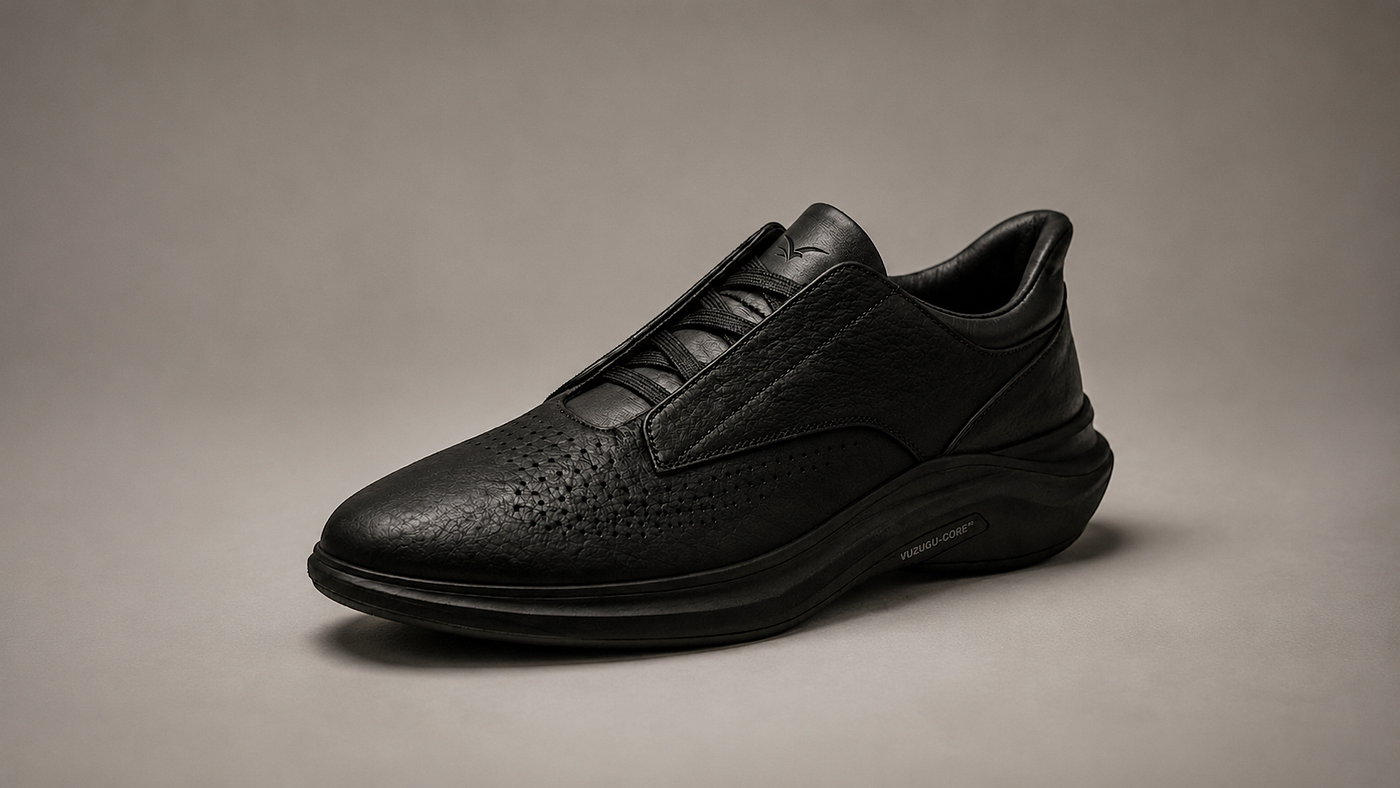
There is a reason supportive dress shoes tend to feel better after five hours, not just after five minutes.
A lot of shoes are designed to win the first impression. You step in, the top feels soft, the insole gives a little, and the first few steps feel easy. That is real comfort, but it is also very early comfort. It tells you what the shoe feels like before the day starts asking much from it.
Long workdays are different.
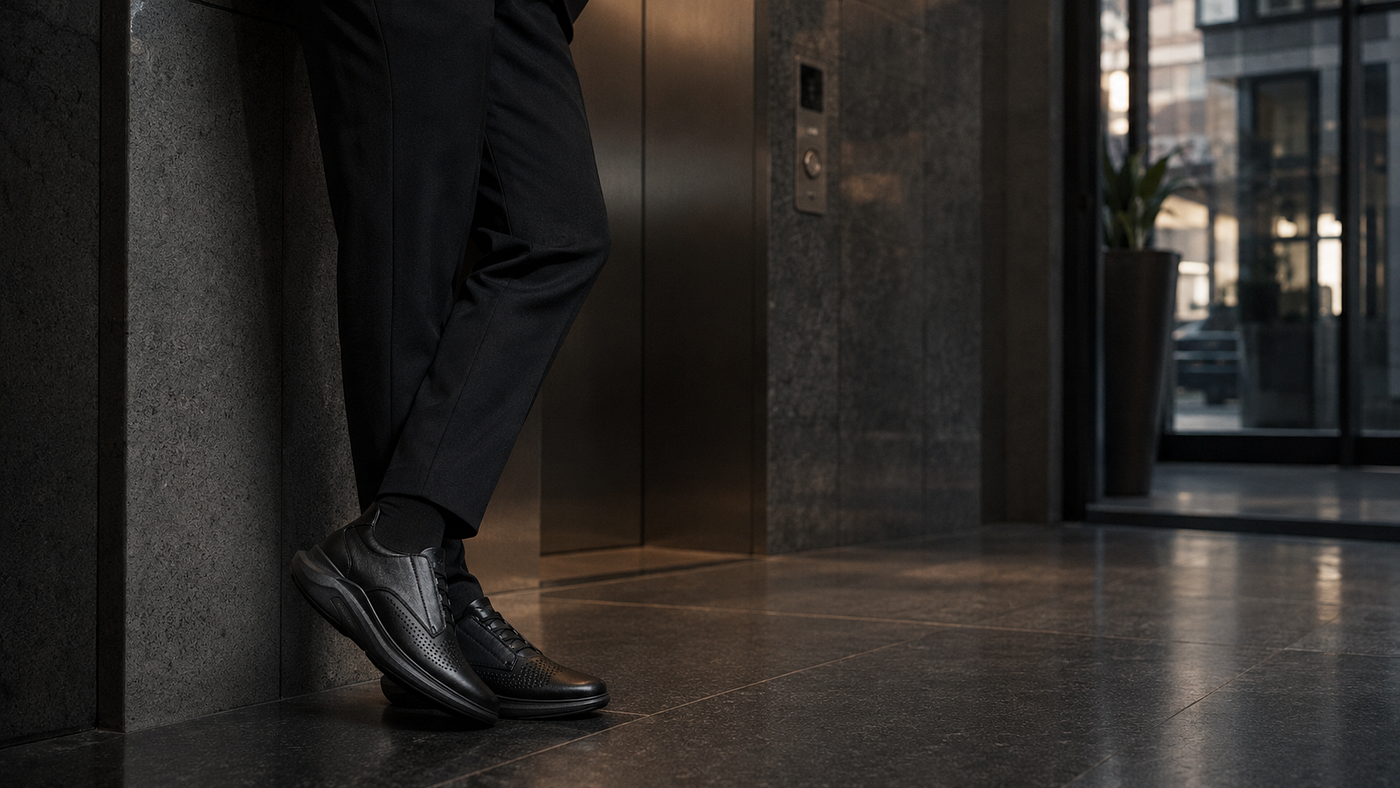
By the middle of the day, most people are not only standing still. They are walking hallways, waiting, commuting, turning, stopping, walking again. None of that looks dramatic, but the body feels it. Especially the feet. That is why a shoe that feels fine at 9 a.m. can feel dull, vague, or tiring by 3 p.m.
What makes supportive dress shoes feel less tiring on long workdays is not usually softness alone. More often, it is how clearly the shoe handles repeated load.
That sounds technical, but the feeling is simple. A better work shoe usually lands more cleanly at the heel, feels more settled through the middle, and moves forward without asking the forefoot to do extra work. When those parts begin to work together, the foot stops spending energy on small corrections all day long.
And that matters more than people think.
A tiring shoe is not always a painful shoe. A lot of the time, it is just inefficient. The heel lands a little loose. The arch never fully settles. The front of the shoe asks for more effort than it should. None of it feels serious on the first few steps. But repeated over hours, it adds up.
That is usually the difference between a shoe that feels “comfortable” and a shoe that actually supports a long workday.
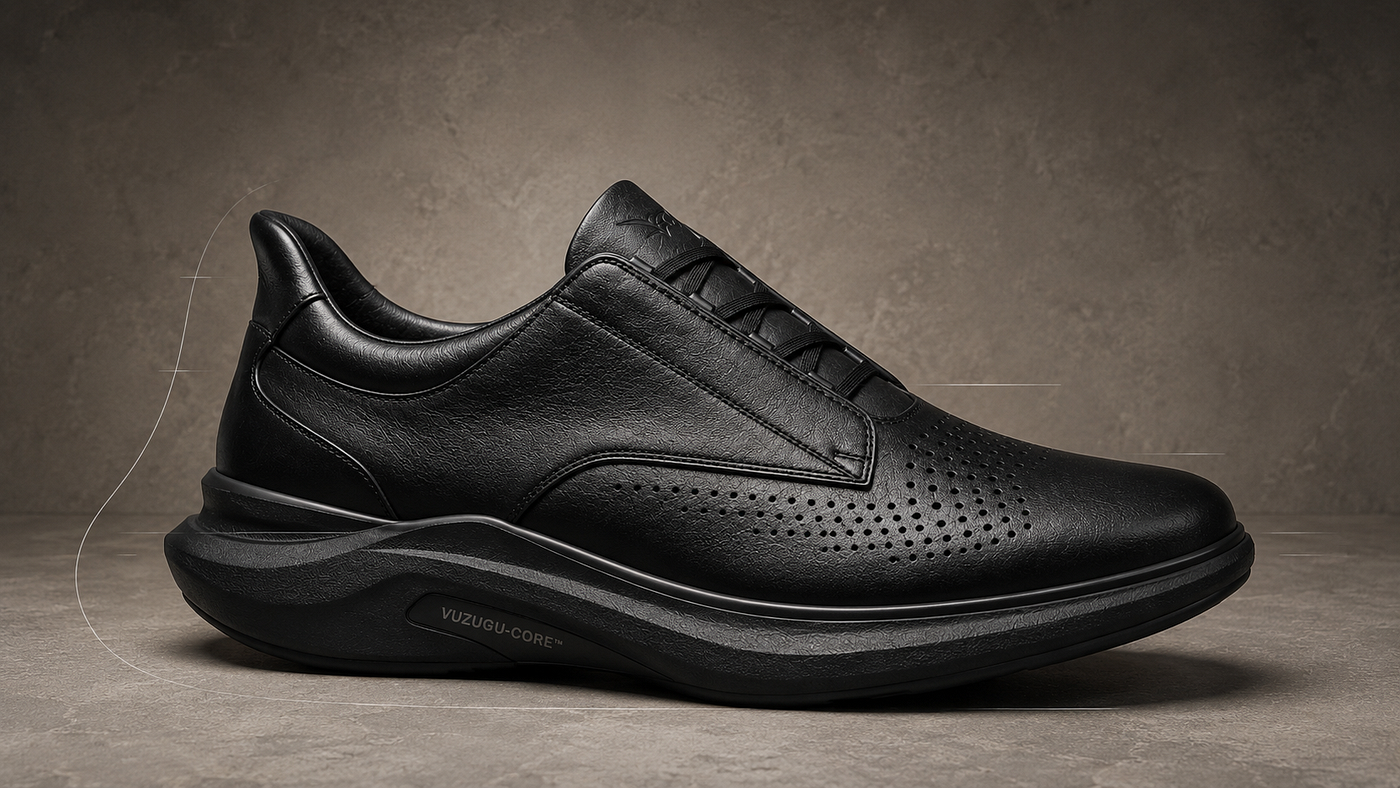
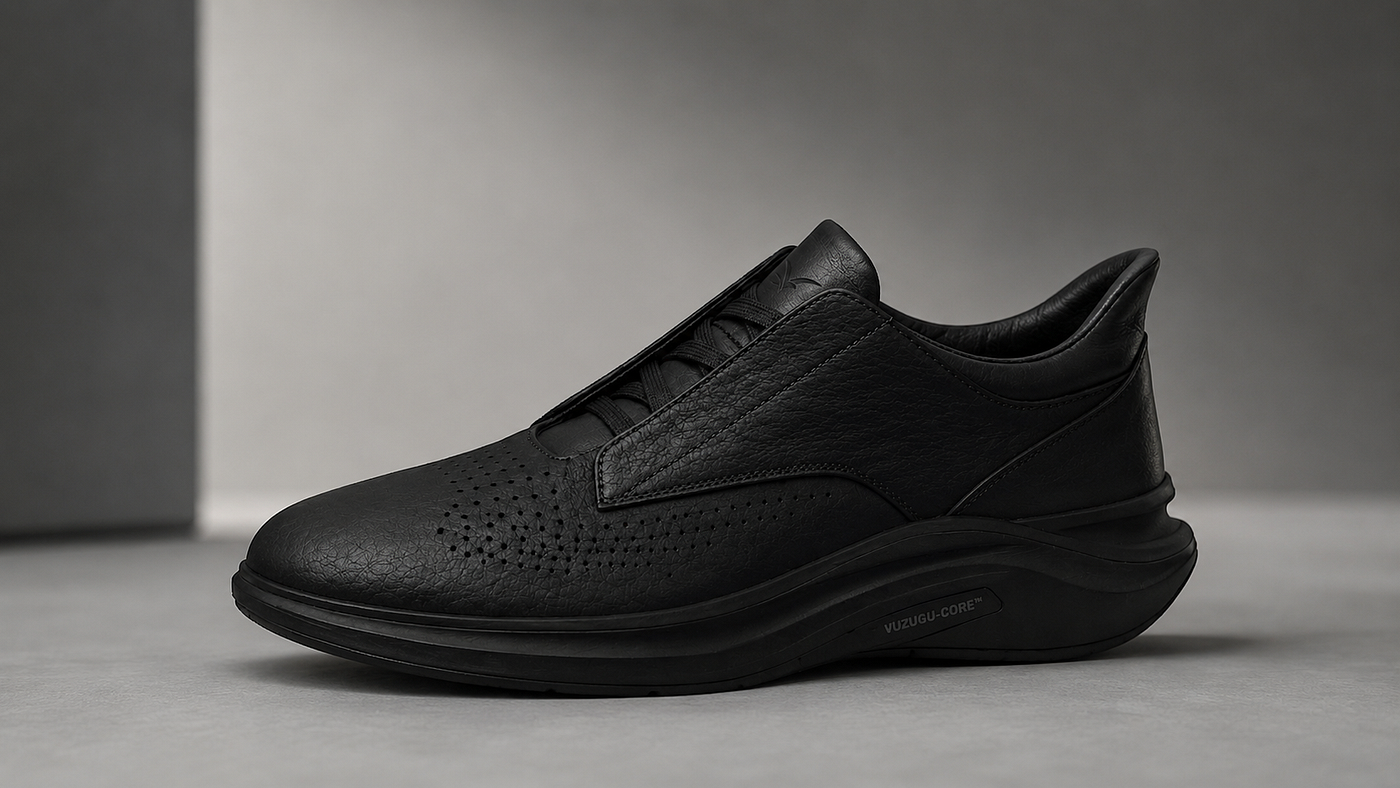
A supportive dress shoe tends to feel less tiring because it does more of the structural work itself. It does not ask the foot to stabilize every step. It does not rely only on a soft top layer to create comfort. It makes the platform feel clearer underneath.
That clarity is easy to miss when trying on shoes quickly.
But it is exactly what starts to matter later in the day.
So when people ask why some supportive dress shoes feel less tiring on long workdays, I would not start with softness. I would start with whether the platform feels settled, whether the heel feels controlled, and whether the support feels built into the shoe instead of simply placed on top of it.
Softness can make a shoe feel good early. Structure is usually what helps it stay good longer.
메타데이터
- post_id
- 6dbe2eef261e
- slug
- why-supportive-dress-shoes-feel-less-tiring-on-long-workdays-6dbe2eef261e
- url
- https://medium.com/vuzugu-journal/why-supportive-dress-shoes-feel-less-tiring-on-long-workdays-6dbe2eef261e
- canonical_url
- https://medium.com/vuzugu-journal/why-supportive-dress-shoes-feel-less-tiring-on-long-workdays-6dbe2eef261e
- author_url
- https://medium.com/@charlesvalentinesxv
- status
- ok
- fetched_at
- 2026-06-09 15:37:30