A Glimpse into the Future of Virtual Reality
In recent years, the concept of the metaverse has captured the imagination of technologists, entrepreneurs, and futurists alike. Coined by…
A Glimpse into the Future of Virtual Reality
In recent years, the concept of the metaverse has captured the imagination of technologists, entrepreneurs, and futurists alike. Coined by author Neal Stephenson in his 1992 science fiction novel “Snow Crash,” the metaverse refers to a collective virtual shared space, created by the convergence of virtual reality (VR), augmented reality (AR), the internet, and other immersive technologies. It represents a vision of a fully realized digital universe where users can interact, socialize, work, play, and create in entirely virtual environments. As technology advances and virtual experiences become more immersive and interconnected, the metaverse is poised to revolutionize the way we live, work, and interact in the digital age.
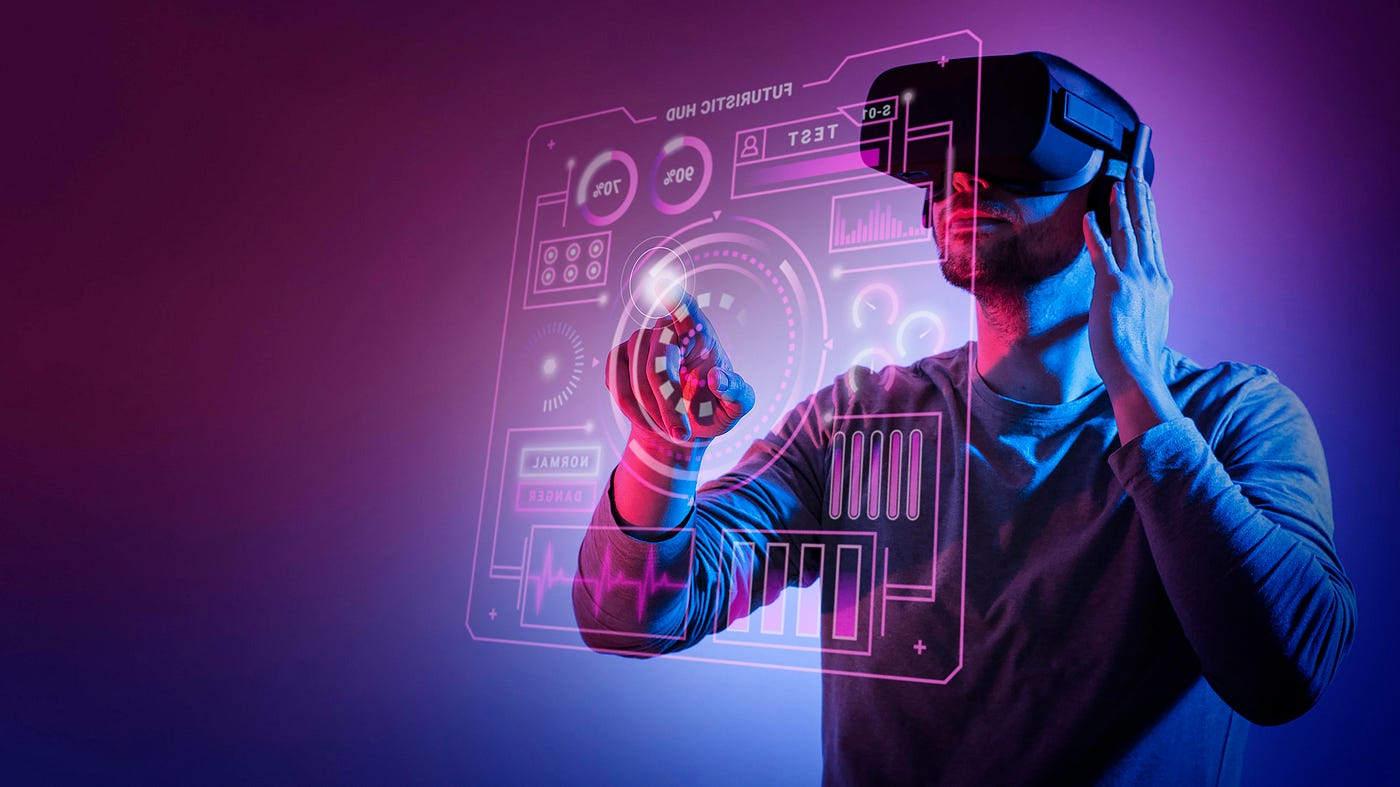
Understanding the Metaverse
At its core, the metaverse is a network of interconnected virtual worlds, spaces, and environments that are persistent, immersive, and interactive. Unlike traditional video games or virtual environments, which are typically isolated experiences with predefined boundaries and objectives, the metaverse is open-ended and infinitely expansible. It blurs the lines between the physical and digital realms, offering users unprecedented freedom and agency to explore, create, and interact in a shared digital landscape.
Key Elements of the Metaverse
- Virtual Worlds: Central to the metaverse are virtual worlds — digital environments that users can inhabit and explore using VR headsets, AR glasses, or other immersive devices. These worlds can range from realistic simulations of real-world locations to fantastical realms limited only by the imagination.
- Avatars: In the metaverse, users are represented by avatars — digital personas that they can customize and control within virtual environments. Avatars serve as the interface between users and the digital world, enabling social interaction, collaboration, and self-expression.
- Social Interaction: Social interaction lies at the heart of the metaverse, allowing users to connect, communicate, and collaborate with others in real-time. Whether attending virtual events, engaging in multiplayer games, or conducting business meetings, social interaction is a fundamental aspect of the metaverse experience.
- Economy and Commerce: The metaverse has its own economy, driven by virtual goods, services, and experiences. From virtual real estate and digital assets to in-game currencies and virtual marketplaces, economic activity within the metaverse mirrors that of the physical world, albeit in a purely digital context.
- User-generated Content: One of the defining features of the metaverse is the ability for users to create and contribute their own content. Whether designing virtual spaces, developing interactive experiences, or crafting digital artwork, user-generated content fuels the creativity and dynamism of the metaverse.
Applications and Implications of the Metaverse
The metaverse has the potential to impact virtually every aspect of society, from entertainment and education to business and beyond:
- Entertainment and Gaming: The metaverse promises to revolutionize entertainment and gaming, offering immersive and interactive experiences that transcend the limitations of traditional media. From virtual concerts and immersive theater to multiplayer games and interactive storytelling, the possibilities are endless.
- Education and Training: In the metaverse, learning becomes a truly immersive and interactive experience, allowing students to explore virtual environments, conduct experiments, and engage with educational content in new and exciting ways. Virtual classrooms, training simulations, and collaborative learning spaces are just a few examples of how the metaverse can transform education and training.
- Business and Commerce: The metaverse presents new opportunities for businesses to connect with customers, employees, and partners in virtual environments. From virtual storefronts and immersive shopping experiences to remote workspaces and virtual meetings, the metaverse offers innovative solutions for commerce, collaboration, and communication.
- Healthcare and Wellness: Virtual reality has already shown promise in healthcare for pain management, therapy, and medical training. In the metaverse, these applications can be expanded further, providing new avenues for telemedicine, mental health support, and immersive wellness experiences.
Challenges and Considerations
While the metaverse holds immense promise, it also presents unique challenges and considerations:
- Technical Complexity: Building and maintaining the infrastructure for the metaverse requires advanced technologies and significant resources. Scalability, interoperability, and security are just a few of the technical challenges that must be addressed.
- Privacy and Security: As virtual environments become increasingly immersive and interconnected, ensuring the privacy and security of users’ personal data and virtual identities becomes paramount. Robust security measures and privacy protections are essential to safeguarding users’ rights and preventing abuse.
- Digital Divide: Access to the metaverse must be inclusive and equitable, bridging the digital divide and ensuring that all individuals have the opportunity to participate and benefit from virtual experiences. Addressing issues of accessibility, affordability, and digital literacy is essential to promoting broad adoption and participation in the metaverse.
The metaverse represents a bold new frontier in the evolution of digital technology — a realm where the boundaries between the physical and virtual worlds blur, and the possibilities are limited only by imagination. As immersive technologies continue to advance and converge, the metaverse promises to revolutionize entertainment, education, commerce, and social interaction, offering new opportunities and challenges for individuals, businesses, and society as a whole. By embracing the potential of the metaverse and addressing its challenges thoughtfully and responsibly, we can shape a future where the virtual and the real coexist harmoniously, enriching lives and expanding horizons in ways we have yet to imagine.
메타데이터
- post_id
- 6ddfaddbf072
- slug
- a-glimpse-into-the-future-of-virtual-reality-6ddfaddbf072
- url
- https://medium.com/@learning3601/a-glimpse-into-the-future-of-virtual-reality-6ddfaddbf072
- canonical_url
- https://medium.com/@learning3601/a-glimpse-into-the-future-of-virtual-reality-6ddfaddbf072
- author_url
- https://medium.com/@learning3601
- status
- ok
- fetched_at
- 2026-07-10 01:40:30