Do You Really Need an Epigraph?
Can we just skip to you, the author?
Do You Really Need an Epigraph?
Can we just skip to you, the author?

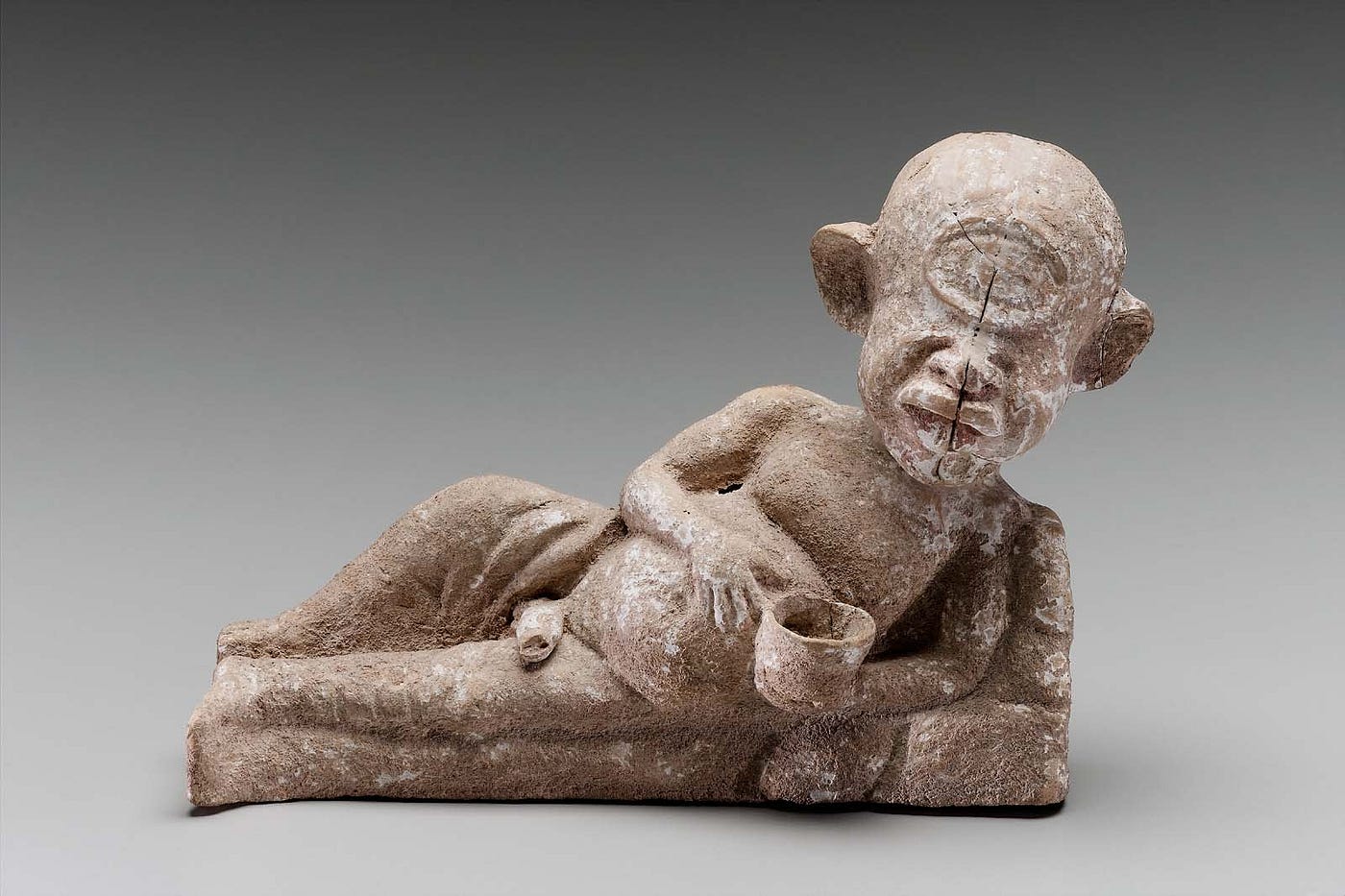
Image by Alvaro Serrano
You’ve bought the book. You’ve made your eyes water over the cover. You’ve opened it up. Skip past some front matter about the publisher and copyright, a repetition of the title page, and your eyes land on a small block of text.
That’s not the writer. It’s someone else’s words. My friends, you have just read yet another feature of many books known as an epigraph. Think of it as a visit paid by a piece of another author’s work.
Should We Use Them?
As a writer, the choice of using an epigraph is hotly debated. To demonstrate how polarizing it can be, allow me to use a quotation from someone else.
Never use epigraphs, they kill the mastery of the work. Orphan Pamuk
Is the famous Turkish novelist correct? Are epigraphs even necessary to place before the reading of a great work of art? Do I need to hear an entirely different artist than the one who created the work itself sound a prominent note of another masterpiece before the featured artist plays?
To some writers, starting with an epigraph is like beginning a Lord of the Rings movie with the opening theme from Star Wars—completely unnecessary. But for others, it’s like John Wick 2 opening with a clip of Buster Keaton, or Naughty By Nature opening “Clap Yo Hands” with a sample from Sam & Dave’s “I Thank You” (both of which worked well.
Consider what may be the most overdone use of epigraphs: Melville’s choice to share with the world every book entry he could find on the subject of whales before setting us out on the Pequod. But at least he was doing so with a purpose. The narrator himself had become so obsessed with whales, as he hid his captain on a more personal level, that it made sense to pepper the opening pages with all a library could contain. It’s not too dissimilar from George Eliot giving us eighty-six quotations from other people before actually beginning her chapters. In both cases, their use seems to help define the nature of the work by becoming part of the work.
When Should We Use Them?
The most well-placed epigraphs not only make a statement about the work we are about to read but also about all the works they have followed. Consider what Neil Gaiman places at the front of Coraline:
Fairy tales are more than true: not because they tell us that dragons exist, but because they tell us that dragons can be beaten. — G.K. Chesterson
In this case, Gaiman isn’t just hinting at what his book is trying to accomplish by citing another author of fantastical literature. He is using a said quote to make a nod to the very genre itself, calling forth Chesterton’s aid in a kind of defense of fairy stories.
On the one hand, when we epigraph we are adorning our works by crediting those who inspired us, gesturing to those who have said it better.
On the other hand, when we epigraph we are pilfering from those who say it better, emblazoning our own lives with the decontextualized tidbits of others. We are nodding to the monuments on which we stand.
Do we expect that they are nodding back?
It’s in our nature as writers to feel as if we are as profound as our predecessors, repackaging the social capital of our own attempt at imitative lives and imitative works and stamping it with the words of another. It can become an epigram that thus becomes an epigraph, a pithy piece of language that lends itself to jingling us along through the gates of our own work, situated in the country of our mentors.
But an epigraph doesn’t have to be that deep either. Sometimes it just asks as a cute little bow, a motto we scarcely cling to, a brand we claim to wear. Sometimes it’s nothing more than the likes of a luckily stumbled-upon “senior quote.”
As if we’re saying, “Here’s this quote I found. I agree with it so much it’s kind of mine now.”
It’s Up To You
Some books may be less worth reading than the epigraphs sitting atop. Others may have their own reading enhanced by the tasteful placement of an epigraph. Whatever your opinion on the matter, the choice of an epigraph, which one to use as well as whether to use one at all, should not be taken lightly. This isn’t like picking out a Hallmark card for a friend’s birthday. An epigraph does, in more ways than not, begin your work.
As writers, we sometimes have a habit of plagiarizing and obfuscating our affectations. Maybe we have no right to judge how others use their favorite quotes. Unless the author has anything to say about it.
Caleb Coy is a freelance editor living in southwest Virginia. His debut novel, An Authentic Derivative, came out in 2015.
메타데이터
- post_id
- 6de3a9a5df79
- slug
- do-you-really-need-an-epigraph-6de3a9a5df79
- url
- https://medium.com/writing101/do-you-really-need-an-epigraph-6de3a9a5df79
- canonical_url
- https://medium.com/writing101/do-you-really-need-an-epigraph-6de3a9a5df79
- author_url
- https://medium.com/@caleb.guard
- status
- ok
- fetched_at
- 2026-08-08 11:46:06