Logging in Software Systems
Logging is one of the most critical aspects of building reliable software systems. It helps you keep track of actions that are happening in…
Logging in Software Systems
Logging is one of the most critical aspects of building reliable software systems. It helps you keep track of actions that are happening in your system and help you to reduce mean time to repair. For example, you may assume solving a bug without understanding the root cause of the problem. That’s a nightmare. In this article, we dive into the importance of logging and its structure.
What is the purpose of logging?
There are many types of application logs used for different purposes. For example, performance logs, audit logs, security logs, and so forth. But those all help you understand how your system behaves in the production environment. Also, they will help you decide what actions should be applied to deal with the issues occurring in your application. Imagine finding a problem without having logs. How would you find the problem, its correlation, and its occurrences? For example, something goes wrong in your production system, but they are sometimes impossible to reproduce in other environments. How would you deal with such a situation? Here, application logs come in handy to avoid such a situation. For example, you may keep logs of errors, warnings, and info to help you in the future. Once you notice something wrong happening, you know how to deal with them.
How should the log structure be organized?
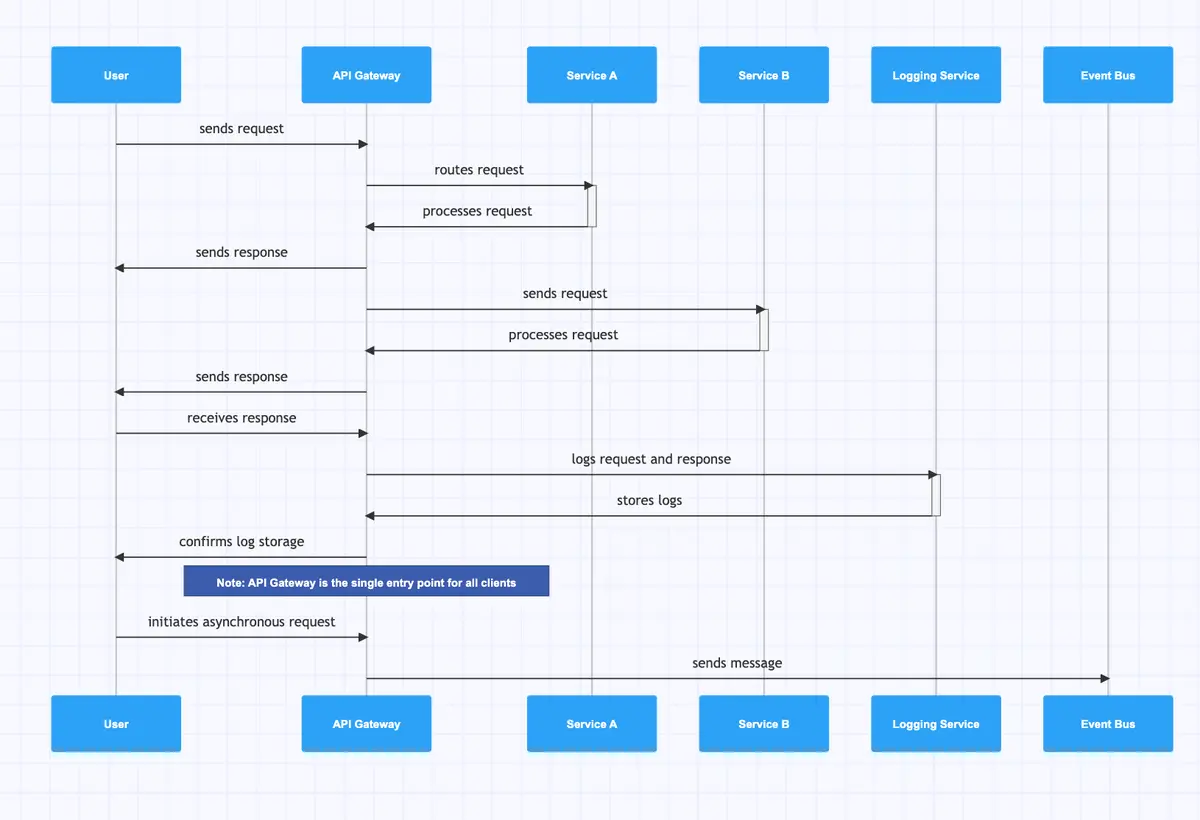
Well, the most important thing is getting logs well organized. For example, they should be meaningful, provide you with context, and correlations with other logs. That is why you should be careful while implementing your logger. First, your log should consist of severity. It might be an error, warning, or just info because they help you to understand how your system behaves in production. Secondly, you should store non-sensitive information of the users to make the search effective. The most important one is to keep your logs correlated. For example, you organized a system out of microservices. You should be able to look at requests as the chain. For instance, everything that happened in a single user request in different services should be easily collected and understood. That’s why you need to store correlation-id or request-id. You might assume other mandatory information, such as the message, its origin, and others. It’ll help you deal with problems quickly.
Conclusion
In general, application logs are essential to reduce the mean time to repair. They help you catch non-reproducible errors and failures. Keep them well organized and use dashboards to understand how your system works well on your production.
메타데이터
- post_id
- 6df083fe35da
- slug
- logging-in-software-systems-6df083fe35da
- url
- https://medium.com/@usmon_m/logging-in-software-systems-6df083fe35da
- canonical_url
- https://medium.com/@usmon_m/logging-in-software-systems-6df083fe35da
- author_url
- https://medium.com/@usmon_m
- status
- ok
- fetched_at
- 2026-06-24 04:09:36




