🌱 The Rise of “Micro‑Healing”
Why small habits heal trauma better than intensity?
🌱 The Rise of “Micro‑Healing”
Why small habits heal trauma better than intensity?

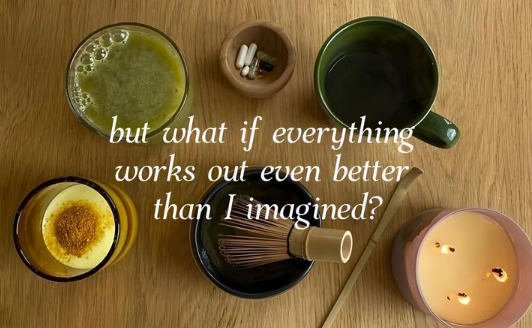
Photo by Miltiadis Fragkidis on Unsplash
🌙 The Story — Noah’s Quiet Recovery
Noah used to believe healing meant breakthroughs — long therapy sessions, deep emotional releases, or life‑changing retreats. He chased intensity, hoping one powerful moment would erase years of pain.
But healing didn’t come in a single moment. It came in tiny, quiet choices.
A slow morning walk. A deep breath before replying. A gentle stretch before sleep. A pause instead of a reaction.
At first, these moments felt insignificant. But over time, they rewired something deeper — his nervous system, his sense of safety, his relationship with himself.
Noah discovered what psychologists now call micro‑healing — the science of small, consistent habits that repair trauma better than emotional intensity ever could.
🧠 Part I — The Nervous System: Where Healing Actually Happens
Trauma isn’t stored in memory alone. It’s stored in the nervous system — in the body’s patterns of tension, alertness, and defense.
When the body perceives danger, it activates the sympathetic nervous system (fight, flight, or freeze). Even after the danger passes, the body can stay stuck in that state — hyper‑vigilant, anxious, or numb.
Healing requires regulation, not revelation.
Micro‑healing works because it teaches the nervous system safety through repetition. Each small act — breathing slowly, grounding, stretching, journaling — sends a signal:
“You’re safe now.”
Over time, these signals accumulate. They retrain the body to relax, trust, and feel again.
🌿 Part II — The Science of Tiny Habits
Behavioral scientist BJ Fogg’s research on tiny habits shows that small, consistent actions create lasting change because they bypass resistance.
Big goals trigger stress. Small habits trigger success.
When the brain experiences a small win, it releases dopamine, reinforcing the behavior and building momentum.
Micro‑healing applies this same principle to emotional recovery:
- Instead of forcing catharsis → build calm.
- Instead of chasing transformation → build regulation.
- Instead of demanding progress → build safety.
Healing becomes a series of micro‑moments that compound over time — like emotional interest in a savings account.
💬 Part III — Trauma‑Informed Productivity
Modern productivity often ignores trauma. It glorifies discipline, hustle, and intensity — the very states that dysregulate the nervous system.
Trauma‑informed productivity flips the model.
It asks:
- “What pace feels safe?”
- “What structure supports calm?”
- “What boundaries protect energy?”
Micro‑healing integrates productivity with nervous system awareness.
Examples:
- Working in 90‑minute focus cycles followed by 10‑minute grounding breaks.
- Replacing “grind” with gentle consistency.
- Using body cues (tension, breath, fatigue) as feedback, not obstacles.
This approach doesn’t slow success — it sustains it.
Because regulated people don’t burn out. They build steadily.
🧩 Part IV — Emotional Resilience Through Micro‑Habits
Resilience isn’t toughness. It’s flexibility — the ability to return to balance after stress.
Micro‑healing builds resilience by strengthening the vagal tone — the communication between brain and body that regulates emotion.
Simple daily practices improve vagal tone:
- slow breathing (4‑7‑8 method)
- humming or singing
- gentle movement
- gratitude journaling
- mindful pauses
Each act teaches the body to recover faster from stress.
Over time, the nervous system learns that discomfort isn’t danger — it’s data.
That’s emotional maturity in biological form.
🔥 Part V — Why Intensity Doesn’t Work
Intense healing experiences — retreats, deep therapy, emotional breakthroughs — can be powerful. But they often overwhelm the nervous system.
Without integration, intensity becomes another stressor.
Micro‑healing works because it’s gentle enough to be absorbed. It respects the body’s pace.
Think of it like physical training:
- You don’t rebuild muscle with one extreme workout.
- You rebuild it with consistent, moderate effort.
The same applies to emotional recovery.
Healing isn’t a sprint. It’s a rhythm.
🌅 Part VI — The Future of Healing: Slow, Steady, Somatic
By 2027, mental health is shifting from talk‑based therapy to body‑based regulation. Apps, wearables, and AI tools now track stress patterns, breathing rhythms, and heart‑rate variability — helping people practice micro‑healing daily.
But the essence remains human.
Healing happens in:
- the breath between thoughts
- the pause before reaction
- the softness after tension
Micro‑healing isn’t about doing less. It’s about doing smaller — with awareness.
🌙 Final Reflection
Noah didn’t heal through breakthroughs. He healed through micro‑moments of safety.
He stopped chasing transformation and started practicing regulation. He learned that the body doesn’t need intensity — it needs consistency.
Healing isn’t dramatic. It’s rhythmic. It’s quiet. It’s cumulative.
In a world obsessed with speed and productivity, micro‑healing is the revolution of slowness.
Note: This article was written through the author’s own effort and edited with the assistance of an AI tool.
메타데이터
- post_id
- 6df72d576825
- slug
- the-rise-of-micro-healing-6df72d576825
- url
- https://medium.com/@joondeka/the-rise-of-micro-healing-6df72d576825
- canonical_url
- https://medium.com/@joondeka/the-rise-of-micro-healing-6df72d576825
- author_url
- https://medium.com/@joondeka
- status
- ok
- fetched_at
- 2026-06-21 23:24:37