EUDR Compliance Is a Systems Problem, Not a Documentation Problem
When companies first assess the EU Deforestation Regulation (EUDR), the instinct is predictable:
EUDR Compliance Is a Systems Problem, Not a Documentation Problem

When companies first assess the EU Deforestation Regulation (EUDR), the instinct is predictable:
“We need better documentation.”
More supplier declarations. More PDFs. More compliance statements. More contracts with deforestation clauses.
But EUDR is not a paperwork regulation.
It is a system regulation.
And organizations that treat it as a documentation exercise are building operational fragility into their compliance strategy.
The Illusion of Documentation Compliance
On paper, EUDR requires:
- Geolocation coordinates of production plots
- Proof of legality
- Risk assessments
- Due diligence statements
- Traceability records
That sounds like documentation.
But here’s the operational reality: every one of those requirements depends on structured, verifiable, cross-supply-chain data flows.
You cannot manage:
- Thousands of farm polygons
- Multiple intermediaries
- Aggregated shipments
- Dynamic country risk classifications
…with spreadsheets and email trails.
Yet many companies are trying.
Manual Failures: The Hidden Weak Point
Manual compliance processes break under three pressures:
1️⃣ Volume
EUDR applies to commodities like cocoa, coffee, soy, cattle, palm oil, rubber, and wood. These are high-volume, globally traded goods with fragmented sourcing networks.
Tracking:
- Farm-level coordinates
- Batch-level aggregation
- Shipment-level due diligence
…through manual workflows creates inevitable error rates.
2️⃣ Human Validation Bottlenecks
Compliance teams reviewing:
- Satellite maps manually
- Supplier declarations via email
- Excel-based risk scoring
This slows shipment approvals and creates operational choke points.
When enforcement begins, regulators won’t accept “we missed it” as a defense.
3️⃣ Inconsistent Audit Trails
Manual systems generate:
- Version confusion
- Missing attachments
- Unverifiable timestamps
- Non-standard data formats
In an investigation scenario, that becomes legal exposure.
Manual compliance may look complete but it is structurally brittle.
Aggregation Risk: The Overlooked Compliance Landmine
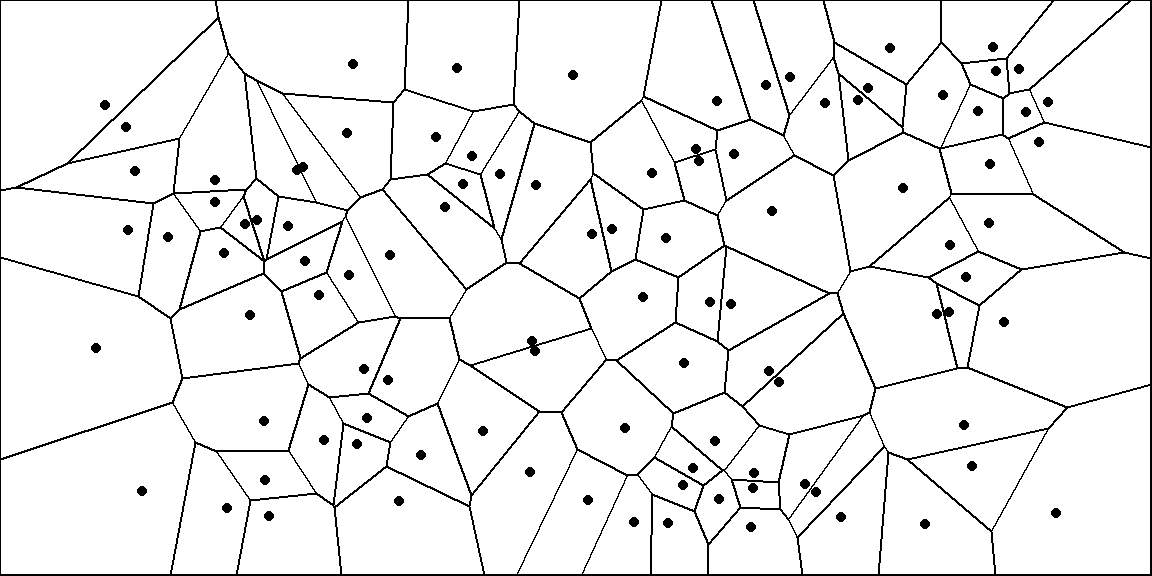
EUDR requires traceability to the production plot. That sounds straightforward until aggregation enters the picture.
Consider cocoa or coffee:
- Multiple smallholder farms
- Mixed into cooperatives
- Combined at the collection centres
- Further aggregated before export
If one farm in the aggregated batch is non-compliant, the entire shipment may be compromised.
This is aggregation risk.
Most companies underestimate how quickly traceability clarity disappears when batches merge.
Without a digital system that:
- Tracks batch lineage
- Preserves farm-level identity
- Maintains geolocation mapping across transformations
…risk becomes invisible until it surfaces at customs.
Aggregation is not a documentation issue. It is a data architecture issue.
Digital Traceability: The Structural Solution
EUDR compliance requires something deeper than declarations. It requires an event-based traceability infrastructure.
That means:
- Farm geolocation captured as structured data
- Batch-level identifiers assigned at origin
- Digital event records when products move, merge, or transform
- Automated risk scoring linked to country classification
- Immutable audit logs
In other words, compliance must be embedded into the supply chain operating system — not layered on top.
From Static Records to Dynamic Risk Monitoring
EUDR risk classification may change. Satellite deforestation alerts may update. High-risk country lists may shift.
A static PDF declaration cannot adapt.
A digital system can.
Modern traceability platforms integrate:
- Geospatial analysis
- Supplier onboarding workflows
- Automated risk flags
- Compliance dashboards
This turns EUDR from a reactive documentation process into a proactive monitoring framework.
The Strategic Shift: Compliance as Infrastructure
There are two mindsets emerging in the market:
Mindset 1: “Let’s collect the required documents.”
Mindset 2: “Let’s redesign our data flows.”
The first approach minimizes short-term effort but amplifies long-term operational risk.
The second approach treats EUDR as a trigger for digital transformation.
And that matters beyond regulation.
Companies that build structured traceability systems gain:
- Stronger supplier visibility
- Improved ESG reporting
- Faster customs clearance
- Reduced reputational exposure
- Better integration with future regulations (DPP, CSRD, etc.)
EUDR is not the end of regulatory evolution. It is the beginning of digitally enforced sustainability governance.
Why This Matters Now
Many organizations believe enforcement timelines give them breathing room.
But system redesign takes time:
- Supplier onboarding cycles
- Data standardization
- Integration with ERP systems
- Internal workflow alignment
- Staff training
Waiting until enforcement intensifies will mean rushed deployments — and rushed deployments create gaps.
The companies that will navigate EUDR smoothly are not those with the thickest documentation folders.
They are the ones with:
- Structured digital traceability
- Automated risk validation
- Clear identity mapping across actors
- Real-time compliance visibility
Final Thought: Regulation Is Moving from Paper to Code
EUDR represents a broader shift in regulatory philosophy.
Compliance is no longer assessed through static declarations. It is evaluated through data integrity.
Regulators are increasingly asking:
- Can you prove traceability at plot level?
- Can you show how aggregation preserved compliance lineage?
- Can you demonstrate risk mitigation in a structured system?
Those are system-level questions.
And system-level questions require system-level answers.
EUDR compliance is not about having more documents.
It is about building better infrastructure.
Companies that recognize this shift early will not just avoid penalties, they will gain structural resilience in a regulatory landscape that is only becoming more digital, more interconnected, and more unforgiving.
메타데이터
- post_id
- 6e2fb7db6bbb
- slug
- eudr-compliance-is-a-systems-problem-not-a-documentation-problem-6e2fb7db6bbb
- url
- https://medium.com/@tracex-technologies/eudr-compliance-is-a-systems-problem-not-a-documentation-problem-6e2fb7db6bbb
- canonical_url
- https://medium.com/@tracex-technologies/eudr-compliance-is-a-systems-problem-not-a-documentation-problem-6e2fb7db6bbb
- author_url
- https://medium.com/@tracex-technologies
- status
- ok
- fetched_at
- 2026-06-28 14:26:31